The Lost Tapes of the Merseybeat Era
Liverpool, 1962, smelled of damp wool and cheap tobacco. Inside the Cavern Club, the air hung thick with the scent of sweat and stale beer. A young band called The Beatles played a set that felt like a physical assault on the Merseybeat demo tapes and early session logs.
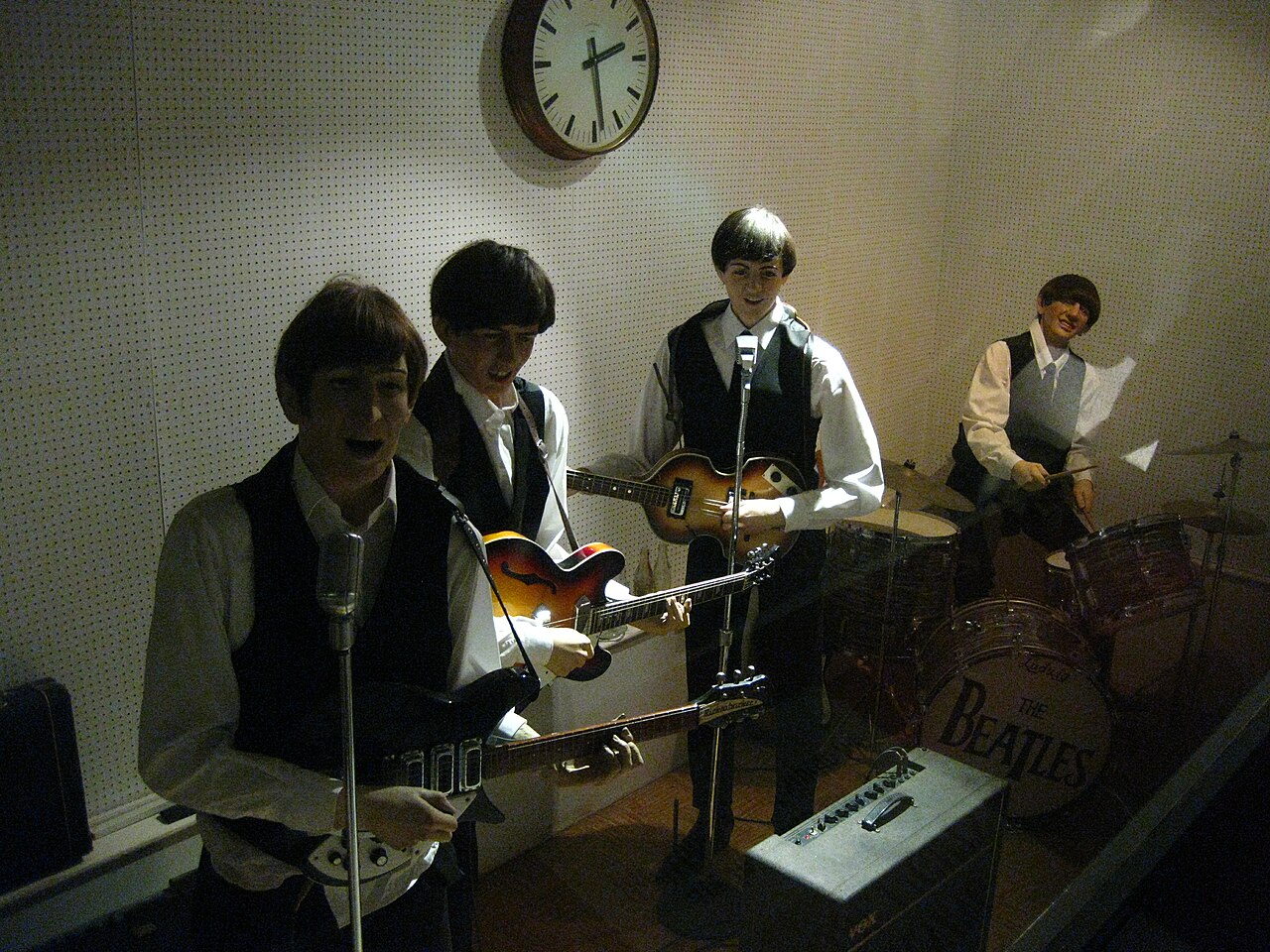
Ringo Starr's heavy drumming and a biting rhythm guitar drove the sound. Somewhere in the back of a cluttered office at NEMS Enterprises, Brian Epstein kept the records of this chaos. He held the keys to a massive, unrecorded archive of Merseybeat demo tapes and early session logs.
Epstein managed more than just a band. He managed a growing empire of sound. His 1962 management files contained the raw DNA of the Liverpool scene. These papers included early EMI and Parlophone session logs that documented the very first steps of the British Invasion.
Collectors and historians still hunt for the undocumented rehearsal tapes from the Cavern Club era. These recordings would have captured a band still finding its feet before the world knew their names. The paper trail at NEMS Enterprises offers a glimpse into a pre-fame reality.
Epstein's meticulous filing system saved some scraps of history from the trash. He kept track of every booking and every minor payment. The actual magnetic tapes often vanished into private hands or decayed in poorly ventilated basements. We only see the shadows of what actually happened in those Liverpool clubs.
The Paper Trail at NEMS Enterprises
Brian Epstein transformed the business of pop music in the early sixties. He took a group of scruffy, leather-clad rockers and gave them the polish of professionals. His office at NEMS Enterprises served as the nerve center for this transition. The files sitting on his desk in 1962 held the blueprints for a revolution.

You can see the shift from local club dates to international recording sessions in his handwritten notes. These NEMS files contained early EMI/Parlode session logs that are now nearly impossible to find. They documented the precise moments when a band moved from a local phenomenon to a studio entity.
Some of these logs include notes on unreleased rehearsal tapes from the Cavern era. These tapes likely featured the band experimenting with covers and early originals. Losing them means losing the sound of the Beatles' creative evolution in real time. The loss of these documents creates a massive gap in our understanding of the era.
We have the finished products, but we lack the messy process. Epstein's files showed the logistical grind of managing a band on the rise. He balanced the books while the music changed the world. Without these tapes, we are just guessing at the sonic textures of those early rehearsals.
Historians often struggle to reconstruct the exact setlists played at the Cavern. The NEMS records provide the only way to verify certain dates and venues. Every missing log is a lost piece of the puzzle. The sheer volume of undocumented material from this 1960s makes the search for Merseybeat demo tapes a frustrating endeavor for any serious archivist.
The Hamburg Sessions and the Polydor Ghost
Hamburg, 1961, sounded like a distorted electric roar. The Beatles, then still operating under various names, played grueling sets at clubs like the Indra and the Kaiserkeller. They were a different beast in Germany. Tony Sheridan led the charge during these sessions at Studio Two.
The Polydor-produced tracks, specifically "My Bonnie," captured a raw, aggressive energy that the later London recordings smoothed over. This was much louder and much more dangerous than the polished pop of 1964. The 1961 sessions at Studio Two in Hamburg remain the foundation of the band's heavy sound.
You can hear the influence of American rock and roll in every biting guitar lick. The tracks were produced by Polydor engineers who captured the grit of the Reeperbahn. These recordings predated the band's London fame and presented a group that hadn't yet learned to play for the radio. It was loud, sweaty, and completely unrefined.
Searching for the lost Hamburg masters feels like chasing a ghost through a fog. Many of these Polydor recordings exist only in fragmented, low-quality bootlegs. The original high-fidelity masters from that period have largely vanished from the public eye. We are left with the echoes of a much more aggressive band.
This era defined their stamina and their ability to command a room of much more rowdy than a typical Liverpool crowd. The transition from Hamburg to London changed the band's sonic identity. The Polydor tracks possess a certain frantic desperation. You hear it in the way the drums crash against the limits of the microphones.
It is a stark contrast to the controlled studio environment of Abbey Road. These sessions represent the true, unvarnative origin of the Merlysbeat sound. The heavy, distorted edges of the German club scene provided the grit that later defined their studio work.
"I've got a hard feeling that we're going to be big."
The Decca Vaults and the Great Disappearance
London, 1963, saw the industry attempting to capitalize on the Liverpool explosion. Decca Records sat at the center of the British pop world. They held the rights to countless artists who shaped the era. But the Decca archives are a graveyard of lost potential.
A massive restructuring of their archiving department in the late 1960s caused several master reels to vanish. This was not a theft but a consequence of corporate reorganization and poor record-keeping. The 1963 disappearance of various master reels from the Decca vaults remains a tragedy for music historians.
These tapes contained the definitive versions of many Merseybeat hits. Engineers and executives moved boxes without checking the contents. They treated irreplaceable art like discarded office supplies. The loss of these masters means we may never hear the true, uncompressed versions of these early singles.
Searching for these lost Decca tapes is a fool's errand for most. The sheer scale of the loss is hard to comprehend. We are talking about hundreds of hours of recorded music. Some of these tapes likely held the only known recordings of secondary Merseybeat acts.
Without them, the history of the era feels truncated and incomplete. The industry's own greed and inefficiency destroyed its own heritage. Decca's failure to protect these assets mirrors the broader chaos of the era. Labels focused on the next big hit, not the preservation of the past.
They viewed masters as replaceable commodities. This mindset led to the erasure of a significant portion of the 1960s British pop output. The void left by these missing reels is a permanent scar on the history of the UK recording industry.
The Lost Sounds of the Star-Club
Hamburg, 1965, was a different world from the 1961 era. The Star-Club had become a legendary venue, but its physical environment was far from ideal. The basement facilities where many recordings were stored were damp and poorly maintained. This lack of climate control proved fatal for several high-fidelity live recordings.

The humidity seeped into the magnetic tape, causing the binder to degrade and the music to rot. The 1965 loss of several live recordings from the Star-Club is a heartbreaking example of physical decay. These tapes captured the peak of the Hamburg club scene. They featured the raw, live energy that no studio could replicate.
Because the storage was so poor, the magnetic particles literally flelle off the tape. The sound turned into a hiss of white noise and distorted sludge. No amount of modern restoration can fix a tape that has physically disintegrated. We can clean the dust, but we cannot replace the lost information.
These recordings would have provided a bridge between the early Hamburg years and the later, more polished era. Instead, we have fragments and heavily degraded bootlegs. The dampness of a German basement killed the very soul of the Star-Club's legacy. The loss of these recordings also obscures the evolution of the performers.
We lose the nuances of how a drummer adjusted his style for a live room. We lose the way a vocalist interacted with a hostile, drunken crowd. The Star-Club tapes were the heartbeat of a specific, much more visceral era of rock. Now, that heartbeat is barely a whisper in the archives.
The Chaos of the 1964 Merseybeat Boom
Liverpool, 1964, was a factory of 7-inch singles. Every week, a new band emerged from a basement with a catchy melody and a cheap studio budget. Labels like Ric-Tar and Vigotone rushed to print anything that sounded remotely like the Beatles. This was the peak of the Merdisbeat boom, but it was also a period of total documentation anarchy.
There was no central archive for this explosion of sound. The 1964 Merseybeat boom produced hundreds of ephemeral singles. These records were often pressed in small batches with almost no paperwork. Labels like Ric-Tar and Vigotone operated with a frantic, short-term mindset. They wanted hits, not legacies.
Many of these recordings lacked centralized studio documentation or master tape logs. They were essentially disposable products of a moment. The sheer volume of music produced in this window is staggering. You cannot track every session or every take.
Small, local studios recorded many of these bands with engineers who ignored detailed logs. The result is a fragmented history where we have the vinyl but no way to trace the origin. It is a playground of ghosts and unidentified players. Finding original masters for a Ric-Tar single is like finding a needle in a haystack of needles.
The lack of a paper trail makes it impossible to verify many of these sessions. We don't know which studio was used or which producer oversaw the work. This chaos makes the study of the 1964 boom a purely speculative endeavor. The music is there, but the context has evaporated.
The Missing Pieces of the Beatles Legacy
London, 1966, brought a moment of reckoning for EMI. An inventory audit revealed significant gaps in the cataloging of non-album single outtakes from the 1963-1964 period. The staff realized that the very things that made the band special were being lost to poor organization. This was not just about the Beatles; it was about the entire catalog of the era.
The audit served as a grim reminder of how much had already slipped through the cracks. The 1966 inventory audit at EMI highlighted the fragility of the band's early catalog. Engineers found that many outtakes from the 1963-1964 period were missing their corresponding session transcripts. Without these transcripts, even the surviving tapes lose their context.
We might have the audio, but we don't know the intent or the specific technical settings used. It is a partial victory at best. George Martin himself spoke about this difficulty in his 1970s interviews. He noted the extreme difficulty of locating early work tape versions of tracks like "Please Please Me."
The missing session transcripts made it impossible to reconstruct the developmental stages of their biggest hits. He lamented the loss of the "how" and the "why" behind the music. The technical details of their creative breakthroughs were essentially lost to time. Even the most famous surviving link, the Decca Audition tapes from January 1, 1962, feels like a lonely survivor.
These tapes are the only high-quality link to the band's pre-fame repertoire. They stand in stark contrast to the missing thousands of other recordings. The survival of these specific tapes is a miracle of luck, not a triumph of preservation. The rest of the era's true sonic breadth remains buried in the dust of history.
The search for the lost Merseybeat demo tapes will never truly end. We will continue to find scraps of acetate and degraded reels in attics and estate sales. Each discovery brings a momentary thrill, followed by the realization of how much is still gone. The music changed everything, but we are left listening to only a fraction of the original roar.