
The Hidden Blueprint of Every Music Genre
London, 1975. Brian Eno sat in a studio surrounded by spinning magnetic tape, watching physical loops of acetate move through the machine like slow, rhythmic breaths. He released Discreet Music on Island Records that year, an album that ignored traditional song structures entirely. He used studio tape loops and generative techniques to build a framework that did not rely on melody or driving percussion. This approach established the sonic architecture of music genres that we now call ambient.
Eno treated the studio as a compositional tool rather than just a place to capture a performance. He stripped away the ego of the MIC to focus on the movement of sound itself. The tracks on Discreet Music drift with a weightless quality that feels like watching clouds move across a grey sky. This record proved that silence and texture could carry as much weight as a heavy drum kit.
Listeners often forget that ambient music requires a rigid structural logic to prevent it from becoming mere noise. Eno used the physics of the tape loop to create a self-sustaining environment. The loops overlapped at different intervals, creating a shifting pattern that never repeated exactly the same way twice. It was a mathematical approach to emotion.
The Tape Loops of Brian Eno
The 1975 release of Discreet Music changed how producers viewed the recording medium. Instead of using tape to preserve a moment, Eno used it to create a cycle. He manipulated the decay of notes so that the music seemed to exist in a state of permanent arrival. This technique bypassed the need for a traditional verse or chorus structure.

Island Records released a document that functioned more like an ecosystem than a collection of songs. The tape loops provided a steady, pulsing foundation that allowed subtle shifts in frequency to take center stage. You can hear the mechanical hum of the equipment blending with the synthesized tones. This marriage of machine and atmosphere became the blueprint for everything from New Age to modern drone.
Eno's work predated the digital era by decades. He achieved complexity through physical manipulation of the reel-to-reel machines. Every loop required a precise physical setup in the studio. The result was a sound that felt organic despite its mechanical origins.
The sonic architecture of music genres often begins with this kind of technical experimentation. Eno proved that you could build a world out of repetition. He turned the studio into a laboratory for sonic exploration. His influence remains visible in every modern producer who uses granular synthesis or looping software to create atmosphere.
The Motorik Pulse of Kling Klang
Düsseldorf, 1978. The Kling Klang Studio hummed with the precise, electric energy of Kraftwerk. On their album Trans-Europe Express, the band captured a rhythmic rigidity that felt like a high-speed train cutting through a dark landscape. They used sequencers and drum machines to lock into a steady, driving beat. This rhythm, often called motorik, provided the DNA for the entire electronic dance movement.
Kraftwerk stripped the human swing out of the percussion. They replaced the loose feel of rock drumming with a robotic, unwavering pulse. This precision allowed for the development of later techno and electro subgenres. You can feel the metallic chill of the synthesizers in every beat of the title track. It sounds like steel sliding against steel.
The band used the studio to simulate the industrial heartbeat of West Germany. Their use of vocoders and repetitive synthesizer lines created a sense of forward motion. There and no wasted movement in Trans-Europe Express. Every note serves the momentum of the machine.
"We are robots. We are the music makers."
The influence of this period extends far beyond the borders of Germany. Producers in Detroit and Chicago took this motorik pulse and sped it up. They added the grit of urban decay to the clean lines of Kraftwerk's sequences. Without the rhythmic blueprint of Kling Klang, the club culture of the 1980s would lack its fundamental mechanical drive.
The album remains a masterclass in minimalist composition. Kraftwerk did not need lush orchestrations to command attention. They used the strength of the repetition to hypnotize the listener. It is a cold, beautiful, and incredibly disciplined form of art.
Building the Void with Martin Hannett
Manchester, 1979. Pennine Studios echoed with the hollow, cold sounds of Joy Division. Producer Martin Hannet did not just record the band; he sculpted a space for them to inhabit. He used heavy EMT 140 plate reverb to create a sense of vast, empty architecture. The drums sound as if they are being played in a massive, abandoned warehouse.
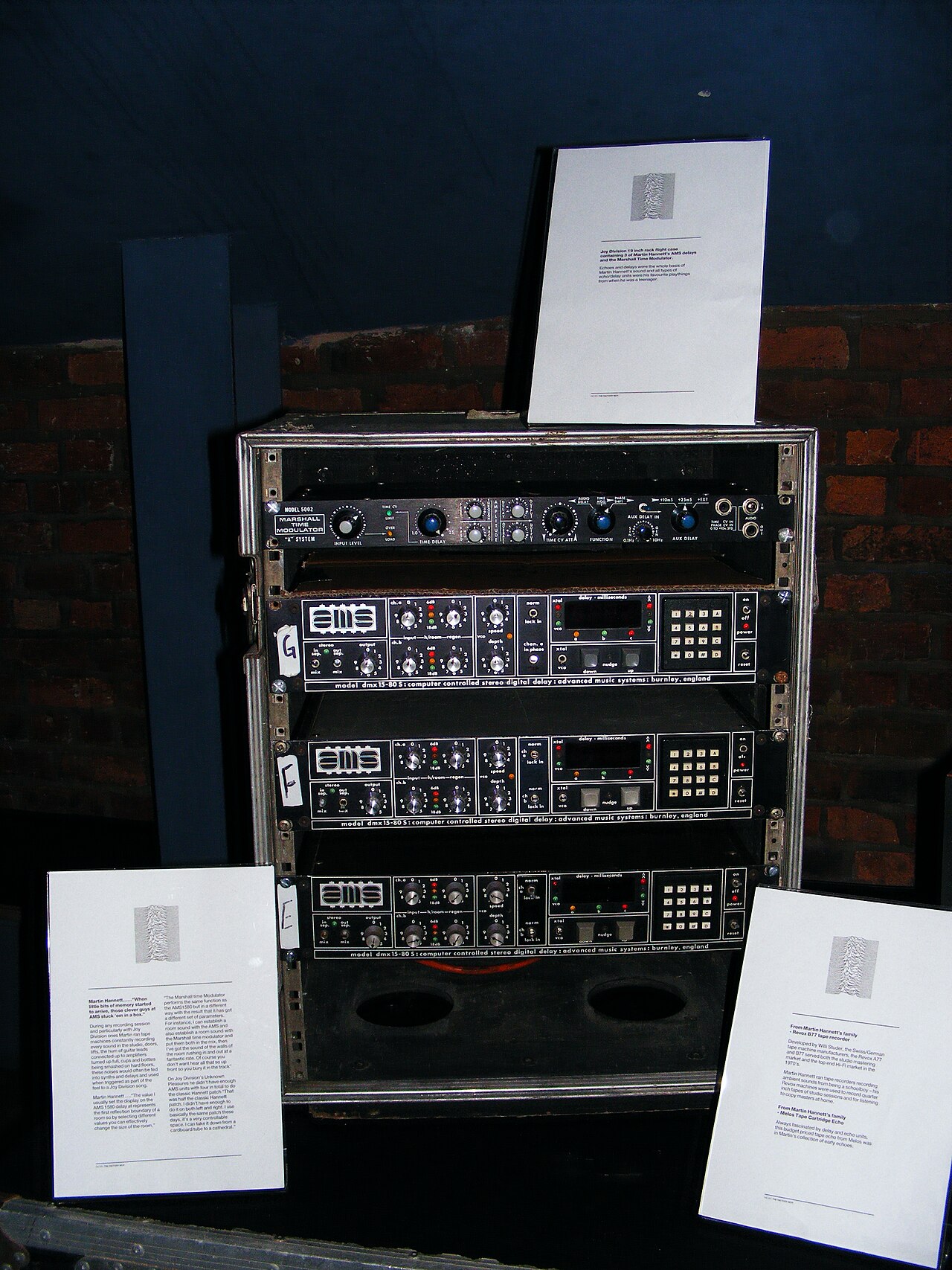
Hannett applied specific compression to Peter Hook's bass and Stephen Morris's drums to isolate them in the mix. He wanted a sound that felt lonely and desolate. The 1979 debut Unknown Pleasures sounds like a concrete basement in the middle of a winter night. Every snare hit carries a decay that feels like it is disappearing into a dark corner.
The production on Unknown Pleasures avoids the warmth of traditional rock. Instead, it embraces a brittle, metallic texture. Hannett used the studio to emphasize the separation between instruments. This created a sense of isolation that mirrored the lyrical themes of Ian Curtis. The music feels physically detached from the listener.
Post-punk owes its spatial identity to these specific engineering choices. Hannett understood that the space between the notes was just enough to create dread. He used reverb not to smooth things over, but to create a sense of emptiness. The absence in the mix is palpable.
This approach turned the recording studio into a psychological landscape. The listener does not just hear the band; they inhabit the room with them. The heavy use of the EMT 140 plate reverb creates a sonic depth that feels almost three-dimensional. It is a haunting, structural achievement in studio production.
The Great Dismantling of 1991
Seattle, 1991. The heavy, polished guitars of hair metal suddenly sounded obsolete. When Nirvana released Nevermind on DGC Records, the entire industry shifted overnight. The album climbed to number 1 on the Billboard 200 by using a specific, aggressive dynamic structure. Kurt Cobain utilized loud-quiet-loud shifts to create a sense of tension and release.
The verses often featured clean, chorused guitar tones and melodic bass lines. Then, the chorus would explode with thick, distorted power chords. This sudden burst of energy acted like a single physical punch to the listener. It broke the monotonous, high-volume saturation that had dominated the late 1980s. The contrast was jarring and effective.
Producer Butch Vig helped refine this dynamic tension. He ensured that the quiet moments felt vulnerable and the loud moments felt overwhelming. This structural choice made the hooks feel much larger than they actually were. It gave the songs a sense of narrative arc that hair metal lacked.
The success of Nevermind effectively dismantled the commercial dominance of the glam metal era. It replaced flashy, technical solos with raw, emotive energy. The focus shifted from instrumental prowess to structural impact. The song "Smells Like Teen Spirit" provides the perfect example of this structural revolution.
Nirvana's approach changed how songwriters approached the studio. They proved that dynamics could drive a hit as much as a catchy melody. The sudden shifts in volume created a visceral reaction in the audience. It was a rejection of the polished, over-produced aesthetic of the previous decade.
Layering the Chaos of Bitches Brew
New York, 1970. Columbia's Studio A became a site of intense musical experimentation. Miles Davis entered the studio with a plan to break the boundaries of jazz. On the album Bitches Brew, he moved away from the standard small-group interplay. Instead, he utilized multiple-track tape editing to layer improvisational jazz with psychedelic rock textures.

The recording sessions featured a massive, dense ensemble of musicians. Davis and his producers used the studio to layer different takes and instrumental groups. This created a swirling, thick texture that felt almost impossible to follow in real-time. The music does not follow a single melody; it exists as a dense thicket of sound.
The use of electric pianos and electric guitars added a heavy, psychedelic edge to the jazz foundation. This was not the swing of the 1950s. This was a heavy, swirling, and often chaotic form of improvisation. The tape editing allowed Davis to construct a larger, more complex piece of music than a live performance would allow.
Davis pushed the limits of what a jazz record could sound like. He incorporated the energy of rock and the experimental spirit of avant-garde music. The result was a dense, layered experience that felt both organic and manufactured. The studio itself became an instrument in the ensemble.
The album's structure is built on ebb and flow rather than traditional solos. One moment the music is a sparse, atmospheric drone. The next, it is a frantic, multi-layered assault of percussion and brass. This ability to layer complexity through editing changed the course of jazz fusion forever.
The Wall of Sound in Blackwing Studios
London, 1991. Blackwing Studios played host to one of the most expensive and complex recording sessions in indie history. Kevin Shields spent months perfecting the sonic identity of My Bloody Valentine's Loveless. He relied heavily on a massive chain of effects processors, including the Yamaha SPX90. The goal was to create a wall of sound that felt both massive and delicate.
Shields used heavy pedal chains to blur the lines between melody and noise. He manipulated tremolo and reverb to create a shimmering, unstable texture. The guitars do not just play notes; they vibrate and swell like a physical tide. This technique created the foundation of the shoegaze genre.
The production on Loveless is incredibly dense. Layers of distorted, processed guitars sit on top of one another in a way that is difficult to untangle. Each layer adds a new frequency or a new movement to the overall mass. It sounds like a beautiful, overwhelming flood of sound.
The use of the Yamaha SPX90 allowed for specific, strange textures that standard pedals could not achieve. Shields pushed the digital effects to their limits to find sounds that felt otherworldly. The result was a record that felt like it was breathing and shifting under the listener's ear.
Shoegaze relies on this specific, overwhelming density to work. If the mix were too clean, the magic would vanish. The beauty lies in the way the individual parts disappear into the larger, swirling mass. It is an achievement of extreme, controlled chaos.
The Blueprint of Global Pop and Hip-Hop
Los Angeles, 1982. Westlake Recording Studios hosted the creation of the most successful pop album in history. Michael Jackson and producer Quincy Jones integrated funk, disco, and pop structures into Thriller. They did not just make a pop record; they redefined global R&B radio programming. The album's structure is a masterclass in melodic accessibility and rhythmic precision.
Jones used a wide array of synthesizers and tight, funk-driven percussion. The tracks feature a polished, high-gloss finish that feels both expensive and infectious. The song "Billie Jean" uses a steady, driving bassline that anchors the entire composition. It is a perfect marriage of groove and melody.
The album's architecture is built on a foundation of impeccable rhythm. Every beat is placed with extreme care to ensure maximum impact on the dancefloor. At the same time, the melodic hooks are strong enough to survive on pop radio. This dual-purpose structure allowed it to dominate multiple formats simultaneously.
The influence of Thriller can be seen in every major pop release since. It set the standard for production quality and structural complexity in the pop genre. It proved that a record could be both a massive commercial success and a technical triumph of studio engineering.
New York, 1994. The Notorious B.I.G. released Ready to Die on Bad Boy Records. This album utilized jazz and soul samples, such as the track "Frazier Move," to construct the rhythmic architecture of the East Coast hip-hop boom. Producers like Sean Combs used the history of black music to build a new, modern sound. They took the textures of the past and repurposed them for a new era.
The use of samples provided a sense of continuity and depth. By layering soul melodies over heavy, boom-bap drum patterns, they created a sound that felt both nostalgic and fresh. The rhythmic structure relied on the swing of the original samples. This gave the tracks a natural, human feel that contrasted with the harder, more mechanical sounds of Westting Coast rap.
The production on Ready to Die is incredibly dense with cultural references. Every loop and every breakbeat carries the weight of the genres that preceded it. It is a construction of history, built one sample at a time. This approach turned the hip-hop producer into a modern-day curator of sound.
The architecture of hip-hop is built on this cycle of sampling and recontextualization. It is a genre that lives within the layers of what came before. By using the rhythmic DNA of soul and jazz, the East Coast boom created a sound that was both grounded and revolutionary.
Every great genre change begins with a specific technical or structural decision. Whether it is a tape loop in London or a sample in New York, these choices define the boundaries of what is possible. Music does not just happen; it is engineered, layered, and constructed with intent.