How the Dallas Arbiter Treble Booster Created Metal
Birmingham, 1968, smelled of soot and heavy industry. Tony Iommi worked the floor of a local factory, a place where the rhythm of machinery dictated the pulse of life. A sudden, violent accident changed the course of music history. The machine caught his hand, tearing the tips of his ring and pinky fingers. Iommi left the factory floor but could not leave the blues.
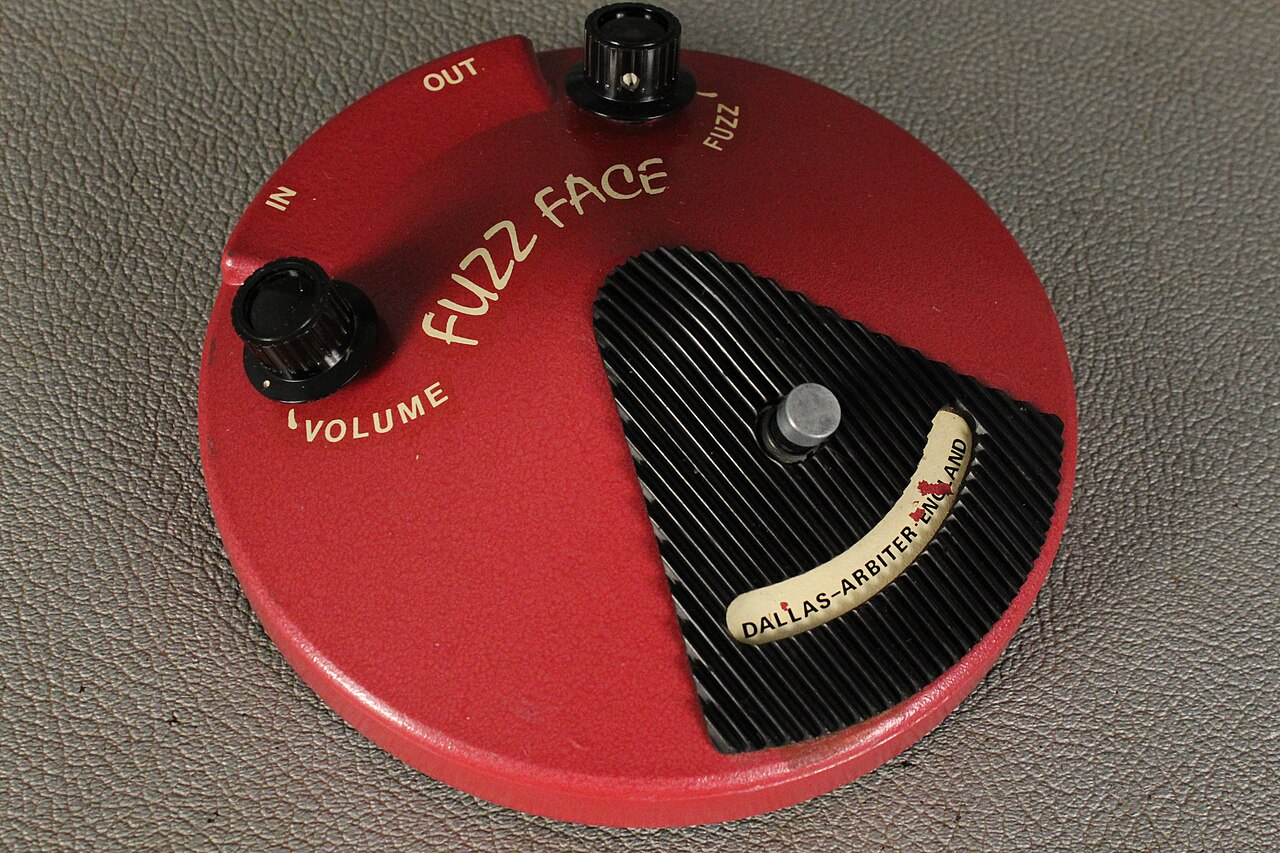
He faced a choice between quitting or reinventing the electric guitar. He chose the latter. The loss of his fingertips meant he could no longer bend strings with the ease of Eric Clapton or Jimi Hendrix. He needed a sound that compensated for his physical limitation. He needed mass, weight, and a low-end growl that didn't require high-tension string bending. He found that weight in a small, silver box called the Dallas Arbiter Treble Booster.
The heavy metal sound did not emerge from a vacuum. It grew from the mechanical grit of the West Midlands. Black Sabbath emerged from this smog. They took the blues and smothered it in sludge. The Arbiter Treble Booster acted as the catalyst for this transformation.
This device, designed by John Carter, changed how amplifiers reacted to pedals. It pushed the preamp stages of Marshall stacks into a state of glorious, saturated compression. This wasn't just a tone tweak. It was a fundamental shift in the physics of rock music. Without this specific boost, the riffs on Black Sabbath's self-titled debut might have sounded thin and brittle. Instead, they sounded like an approaching storm.
The Mechanics of the Distortion
John Carter built the Dallas Arbiter Treble Booster in a small workshop in London. The device is deceptively simple. It features a single transistor and a few capacitors. It does not provide a massive volume boost in the traditional sense. Instead, it emphasizes frequencies above 3kHz.
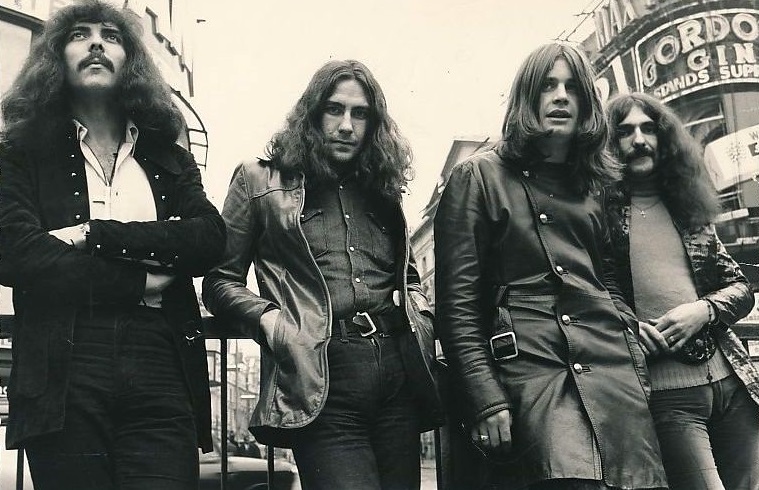
This high-frequency emphasis forces a Marshall Super Lead amplifier to work harder. The signal hits the vacuum tubes with more aggressive energy. This causes the tubes to clip earlier and more aggressively. The resulting sound is thick and harmonically rich. It creates a sustain that allows a guitarist to hold a note for an eternity. This sustain is crucial for the heavy, doom-laden riffs that define the genre.
Iommi used a 1965 Gibson SG through a Marshall 100-watt stack. This setup became the blueprint for every metal band that followed. The Treble Booster stripped away the muddy low-mids that often plague high-gain setups. It tightened the low end.
This allowed the kick drum of Bill Ward to lock in perfectly with the guitar's rhythmic pulse. The sound was compressed and dense. It felt like a physical weight pressing against the listener. When Iommi struck a power chord, the note didn't just ring; it decayed with a dark, metallic resonance. This specific frequency response provided the grit necessary to bridge the gap between blues-rock and the heavy metal era.
The distortion produced by this setup is not clean or polite. It is angry. It possesses a grainy texture that mimics the industrial landscape of Birmingham. When you listen to the track "Black Sabbath" from the 1970 debut album, you hear that exact grain. The notes feel heavy and slightly distorted around the edges.
This isn't the smooth, creamy overdrive of a blues player. It is something much more menacing. The Treble Booster pushed the Marshall into a territory where the harmonics began to scream. This-frequency-focused saturation created a wall of sound. It made a four-piece band sound like an entire army. It transformed the guitar from a melodic lead instrument into a percussive, rhythmic engine of destruction.
"I had to change the way I played because of the injury. I used light strings and I used the treble booster to get that heavy sound." - Tony Iommi
The engineering of the signal chain matters immensely here. The Trebiter does not act like a modern digital pedal. It acts like an extension of the amplifier itself. It changes the impedance of the guitar signal. This allows the Marshall to respond to the guitar's dynamics in a much more extreme way.
The player can go from a clean, biting attack to a massive, fuzzed-out roar with minimal effort. This versatility allowed Iommi to weave melodic lines through heavy rhythmic passages. He could play the blues, but he played it with a heavy, industrial edge. The technology provided the tools for a new kind of musical expression. It turned a physical disability into a sonic advantage.
The Marshall Connection and the Rise of Heavy Metal
London in the late 1960s was a playground for sonic experimentation. Jim Marshall was busy building amplifiers that could handle the volume of the era's rising stars. These amps were loud, but they were also incredibly sensitive to input changes. The Dallas Arbiter Treble Booster became the secret weapon for anyone using a Marshall stack.
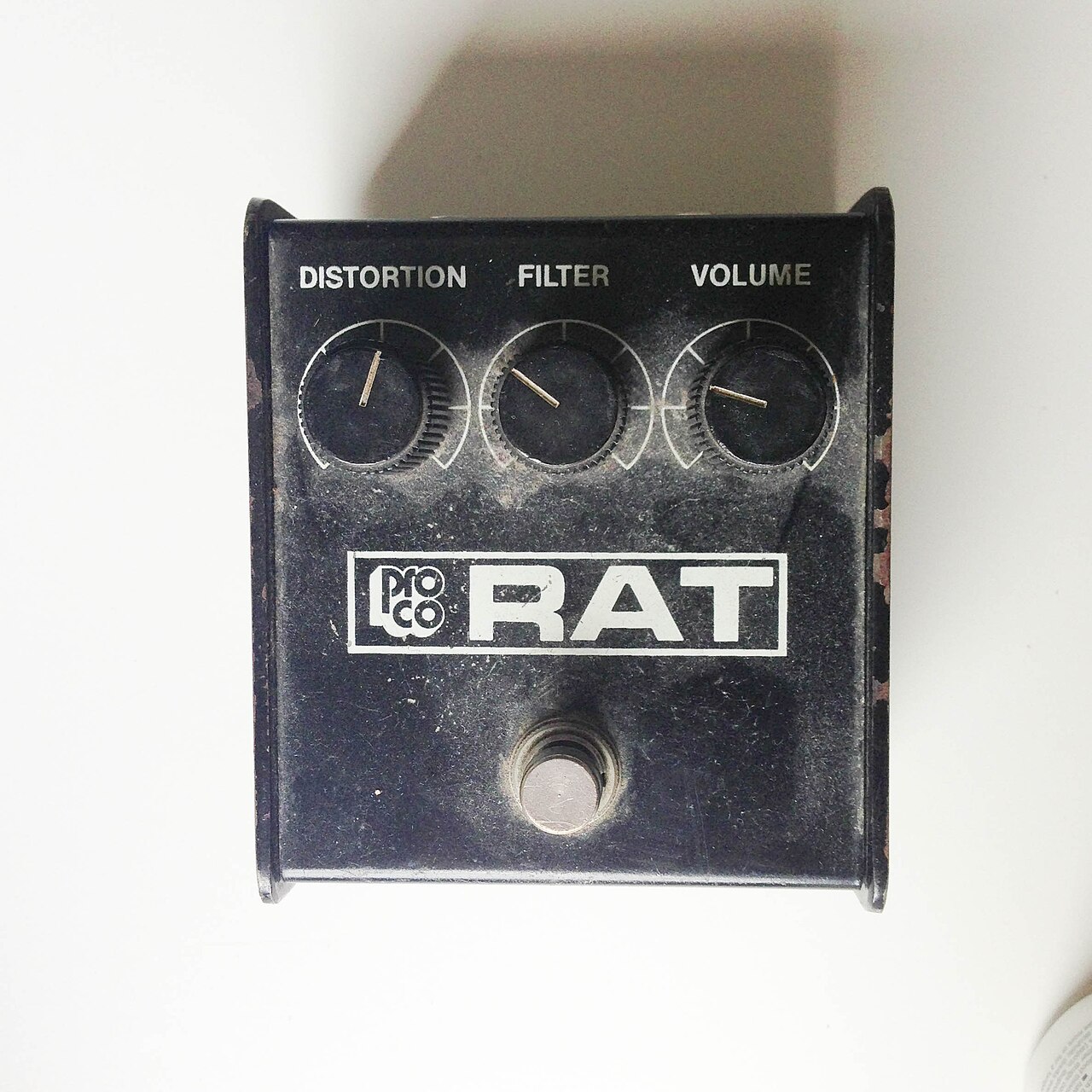

It transformed the amplifier from a loud megaphone into a distorted instrument. This synergy between the pedal and the amp created a specific, recognizable timbre. It was the sound of the 1970s. It was the sound of the heavy metal revolution.
Black Sabbath's 1970 debut on Vertigo Records changed everything. The album arrived during a period of social unrest and economic decline in the UK. The music reflected this gloom. The riffs were slower and heavier than anything the psychedelic era had produced. Led Zeppelin was still rooted in blues-rock swagger.
Deep Purple was exploring classical influences and high-speed virtuosity. Black Sabbath stood apart because their sound felt grounded in something much darker. The use of the Treble Booster helped achieve this. It provided the necessary thickness to sustain long, slow, crushing notes. It allowed the band to explore the lower registers of the guitar without losing clarity.
The impact of this sound reached far beyond Birmingham. Bands like Blue Cheer in the United States were experimenting with similar levels of volume and distortion. However, the specific combination of the Arbiter booster and the Marshall stack became the definitive metal tone. It influenced the entire New Wave of British Heavy Metal in the late 1970s.
Iron Maiden, Judas Priest, and Saxon all drew from this well of heavy, distorted energy. They took the blueprint and accelerated it. They kept the heavy, mid-range focused distortion but added more speed and precision. The foundation, however, remained the heavy, saturated signal that Iomili had pioneered with his unique setup.
The cultural context of 1970 cannot be ignored. The optimism of the 1960s had faded. The Vietnam War was dragging on. The Manson murders had shaken the American psyche. There was a sense of dread permeating the airwaves.
The heavy, distorted sound of Black Sabbath captured this perfectly. The Treble Booster didn's just add treble; it added tension. It made the music feel unstable and dangerous. When the riff for "War Pigs" hits, the distortion feels like a physical manifestation of conflict. The gear choice was not just about tone; it was about atmosphere. It was about creating a sonic environment that matched the heaviness of the world.
The Sonic Legacy of the Treble Boost
The influence of this specific tone is visible in every subgenre of metal. Doom metal is perhaps the most direct descendant. Bands like Candlemass and Saint Vitus built their entire identities on the slow, heavy, distorted riffs that Black Sabbath pioneered.

They use the same principles of high-gain saturation and low-end emphasis. The Treble Booster's ability to cut through the mix while maintaining a thick texture is essential for this style. Without that clarity in the upper mids, doom metal would just be a muddy mess of low-frequency noise. The booster provides the definition needed to hear the individual notes within the sludge.
Sludge and Stoner Rock also owe a massive debt to this era. Groups like Sleep and Kyuss rely on a massive, saturated tone that feels ancient and heavy. They often use vintage-style gear to replicate that 1970s grit.
The idea of using a boost to push a tube amp into a specific type of overdrive is a cornerstone of their sound. They seek that specific, harmonically rich distortion that only comes from pushing much older technology to its limits. The Treble Booster remains a staple in the pedalboards of players who want to achieve this thick, organic texture. It is a tool for creating weight, not just volume.
Even in modern extreme metal, the DNA of the Arbiter booster persists. While modern players use high-gain digital modeling or complex pedal chains, they are still chasing the same goal. They want that specific type of saturation that feels harmonically complex and physically impactful. The concept of emphasizing certain frequencies to alter the amplifier's response is a fundamental principle of heavy guitar production. The Treble Booster taught us that the pedal is not just an effect; it is a way to reshape the very nature of the amplifier's signal. It changed the way we think about the interaction between gear and performance.
The technical evolution of the genre has moved toward more precision and less noise. Modern metal production is incredibly clean. It is polished and compressed to a mirror shine. Yet, there is often a longing for the raw, unhinged energy of the early years.
There is a desire for the unpredictable grit of a Marshall being pushed by a simple transistor circuit. The Arbiter Trelar Booster represents a time when the gear was unpredictable and the results were visceral. It represents a time when the tone was not programmed, but discovered through trial, error, and a bit of industrial accident. It remains one of the most important pieces of hardware in the history of loud music.
The Technical DNA of Heavy Distortion
Analyzing the signal path of a 1970s metal rig reveals a fascinating study in physics. The guitar signal leaves the pickups and travels through a high-impedance cable. It hits the Dallas Arbiter Treble Booster. This device contains a simple circuit designed to boost the upper frequencies.
It then sends this high-energy signal into the input of a Marshall amplifier. The Marshall's preamp stage, specifically the 12AX7 vacuum tubes, receives an input that is much more aggressive than a standard guitar signal. This causes the tubes to enter a state of saturation much more quickly. The compression that results is natural and musical.
This compression is what allows for the legendary sustain. When a note is compressed, the peaks of the signal are reduced, and the quieter parts are brought up. This effectively flattens the dynamic range of the note. It allows the player to hold a single note for a long time without the volume dropping off.
This is essential for the slow, dragging tempos of heavy metal. It also allows for the heavy, palm-muted chugging that defines much of the genre. The notes hit with a consistent, punishing force. The Treble Booster makes the guitar feel like a percussion instrument, capable of delivering rhythmic punches that are both loud and incredibly clear.
The interaction with the power section of the amplifier is equally important. As the signal travels through the Marshall's EL34 power tubes, the high-frequency emphasis from the booster helps the signal cut through the massive low-end of the bass and drums. This prevents the "mud" that often kills heavy riffs.
The bass guitar, played by Geezer Butler, provided a massive, distorted foundation. The Treble Booster allowed Iommi's guitar to sit on top of that foundation without getting lost. It created a frequency separation that was essential for the clarity of the band's complex, heavy arrangements. This was the secret to their massive, overwhelming sound.
Modern guitarists often overcomplicate their setups. They use dozens of pedals, digital modelers, and complex routing. They chase a tone that is often too clean and too controlled. Looking back at the simplicity of the Iommi/Arbiter/Marshall setup is a lesson in restraint. It shows that a single, well-chosen tool can change the course of music.
It shows that the most impactful sounds often come from the simplest solutions. The Arbiter Treble Booster did not try to do everything. It did one thing perfectly. It boosted the treble and pushed the amp. In doing so, it provided the foundation for an entire genre of music that continues to thrive.
The legacy of the Dallas Arbiter Treble Booster is not just about a specific sound. It is about the concept of using technology to expand the boundaries of what an instrument can do. It is about the marriage of human limitation and electronic innovation.
It is about the way a single, small piece of hardware can alter the trajectory of musical history. When we hear the heavy, distorted riffs of modern metal, we are hearing the echoes of that 1968 Birmingham factory floor. We are hearing the ghost of a machine that changed the world. The heavy metal sound is not just music; it is a physical force, powered by a simple, silver box and a broken finger.