The Lie of Indie Artist Streaming Earnings
London, 2023. Spotify dropped its "Loud & Clear" report, a glossy data dump designed to soothe the anxieties of the middle-tier creator. The numbers reveal extreme wealth concentration. The top 0.5% of all artists on the platform account for approximately 90% of all streams. This concentration turns the dream of a democratic music economy into a digital oligarchy. Most musicians exist in the shadow of a massive, untouchable elite.
Streaming promised a new era for indie artist streaming earnings. We thought the internet would strip power from the gatekeepers. Instead, we built new, more efficient gates. The math simply does not support the survival of the independent middle class. A single stream on Spotify pays between $0.003 and $0.005. You need millions of plays just to pay your rent in a city like New York or London.
The digital era replaced physical ownership with a subscription model. This shift changed how we value music. We stopped buying albums and started renting access to a library. This change killed the upfront capital that independent artists used to fund their lives. Now, the money flows upward, leaving the creators of the long-lag content to starve in the margins.
The Spotify Loud and Clear Reality
Spotify's 2023 data reveals a stark, mathematical cruelty. The platform functions as a winner-take-all ecosystem. While the "Loud & Clear" report highlights the billions of dollars paid out to rights holders, it hides the decay of the independent artist streaming earnings for everyone else. The top tier of artists operates in a massive, separate universe. They command the lion's share of the royalty pool, leaving crumbs for the millions of creators below them.
The payout rate remains a devastatingly small figure. You earn roughly $0.003 to $0.005 per stream. A million streams might net you $3,000 to $5,000 before any expenses. That amount barely covers the cost of a professional studio session or a modest tour. The math requires a level of volume that defies human stamina. You cannot record enough songs to bridge this gap through streaming alone.
The hierarchy relies on a massive, concentrated stream of attention. Major label artists occupy the most prominent real estate on every playlist. Their tracks receive the lion's share of the algorithmic preference. This creates a loop where the wealthy get wealthier. The platform rewards the established names while the indie creator struggles to break even.
Data from the 2023 report shows that the vast majority of the payout goes to the top performers. This is not an accident of the market. It is a structural feature of the streaming economy. The system favors the hits that drive engagement and reduce churn. The long-tail artist provides the texture, but they do not receive the profit.
The Myth of the Viral TikTok Hit
TikTok trends explode overnight in a frenzy of 15-second loops. A song becomes a meme. A dance challenge drives millions of views.

Users see a snippet of a track and suddenly everyone knows the melody. This visibility creates an illusion of massive success. It suggests that the artist is on the verge of a breakthrough. However, the financial reality of a viral hit is often a hollow victory.
The revenue disparity between a TikTok trend and actual income is staggering. A 15-second usage on the platform does not trigger a standard mechanical royalty. You get exposure, but you do not get a paycheck. The platform operates on a different set of rules than the music industry. It thrives on user-generated content that bypasses traditional payment structures. You become a soundtrack for a trend without seeing a dime from the view count.
The dopamine hit of a viral moment disappears quickly. The algorithm moves to the next sound within weeks. An artist might see their Spotify numbers spike temporarily. They then watch those numbers crash back to a baseline. The momentum dies before the royalty checks even arrive. This cycle creates a frantic, unsustainable way to build a permanent career.
The industry now chases the next viral moment like a drug. Producers try to engineer songs for the "TikTok moment." They strip away complexity to ensure the hook is instantly recognizable. This results in thinner, more disposable music. We are trading musical depth for algorithmic visibility. The cost is the long-term stability of the artist's career.
"It is a financial impossibility to sustain a middle-class lifestyle through streaming royalties alone."
Anohni spoke these words in a 2020 interview. She addressed the fundamental rot in the current model. The artist, formerly known for Antony and the Johns and her work as Anohni, understands the precarity of the modern musician. Her words reflect the lived experience of thousands of creators. The math simply does not work for anyone outside the top 0.5%.
Major Labels and the Revenue Gap
Universal Music Group's 2022 earnings report tells the real story of the streaming era. The company reported massive growth in streaming revenue. Their profits soared as the global subscription base expanded. The independent sector growth rates remained stagnant. The giants are feasting while the independents are scavenging.
Major label contracts rely on a specific, exploitative structure. Artists often receive only 15% to 20% of net proceeds. This occurs only after the label recoups all recording and marketing costs. The label takes the lion's share of the risk and the reward. They control the masters and the distribution. The artist remains a tenant in their own career.
The gap between major labels and indies widens every year. Major publishers control the catalogs that dominate the top of the charts. They have the budget to influence playlist placement and marketing. They can afford the massive upfront investments required to manipulate the algorithm. The independent artist lacks this institutional muscle.
The 2011 Music Modernization Act (MMA) in the United States attempted to fix things. It aimed to update copyright laws for the digital age. The goal was to improve royalty payments to songwriters. While it helped streamline some processes, it did enough to modernize the Mechanical Licensing Collective (MLC) without redistributing the wealth. The structural advantage of the major labels remained intact. The legislative fix failed to address the core issue of concentration.
The massive revenue growth of UMG does not trickle down. It stays within the corporate structure of the major publishers. The independent artist sees none of that windfall. We see a widening divide between the corporate music machine and the actual creators of culture. The machine is getting stronger, while the creators are getting poorer.
The Death of Ownership and the Rise of Access
Napster's successor, LimeWire, faced a shutdown in 2021. This marked the end of an era for peer-to-peer file sharing. It signaled a definitive shift in consumer behavior. Users moved away from owning digital files toward an "access over ownership" model. This model defines the current streaming economy. We no longer own our music libraries; we subscribe to a temporary stream of data.
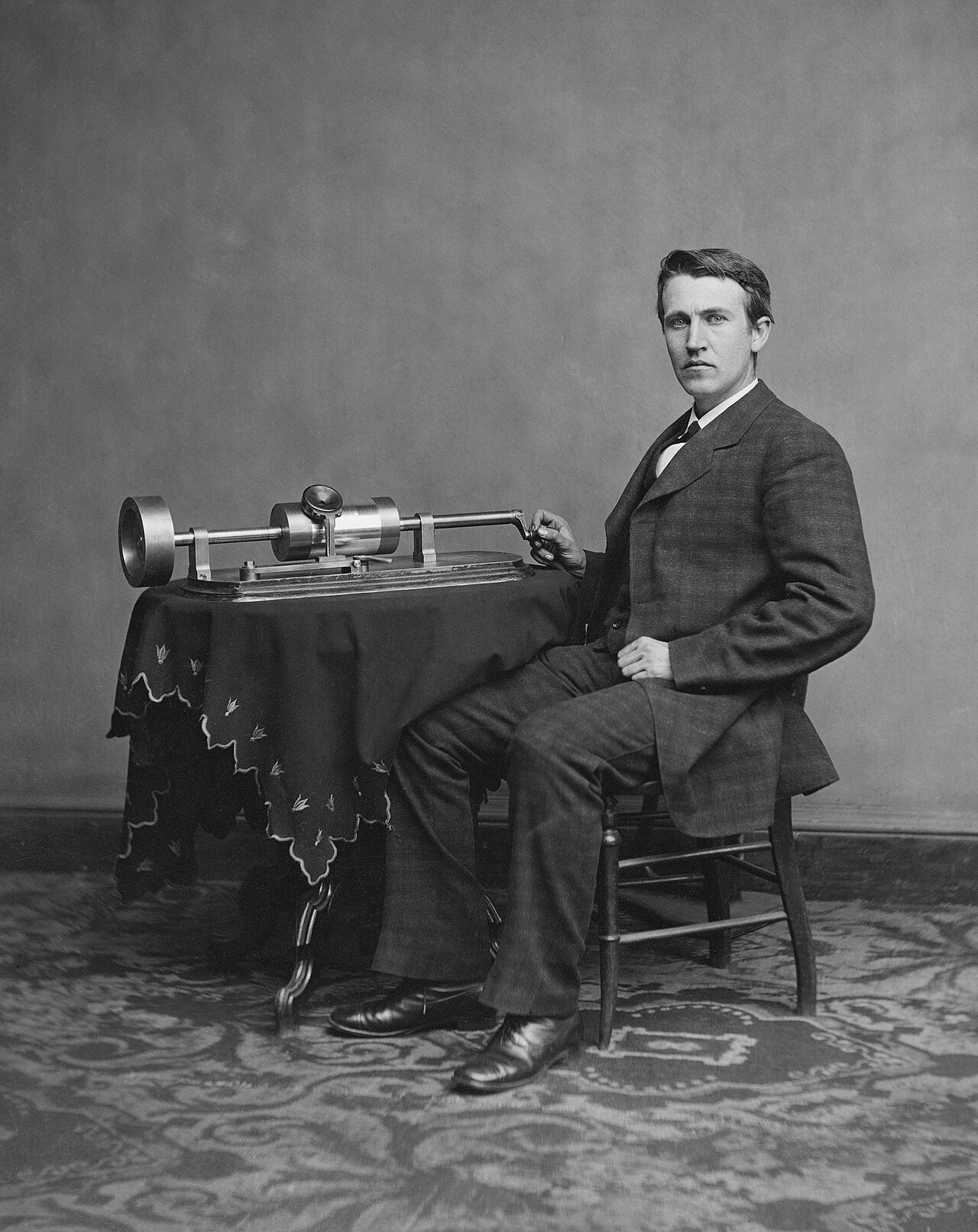
The loss of ownership changed the economics of the music industry. When fans bought a CD or a vinyl, they made a direct investment in the artist. That purchase provided immediate capital. Now, a fan's monthly subscription fee is distributed across a massive pool of artists. The individual connection between the fan and the artist is diluted. The transaction is now between the fan and the platform.
The 2014 launch of Spotify Wrapped turned data into a marketing tool. It uses an algorithm-driven approach to celebrate listening habits. It creates a sense of community around the platform. However, this marketing reinforces the dominance of major label catalogs. The algorithm prioritizes the tracks that are already popular. It creates a feedback loop that keeps the same names at the top of the list.
Ownership provided a sense of permanence. You could pass a record down to your children. You could listen to it without an internet connection. Streaming requires a constant, active connection to the service. If you stop paying, your entire musical history vanishes. This vulnerability makes the listener a permanent subject of the platform's terms.
The shift to access has commodified music. It has turned songs into utility, like water or electricity. We use them, but we do not value them. This lack of value makes it harder to argue for higher royalty rates. When music is everywhere and costs nothing extra, the perceived value of a single stream drops to near zero. The artist is fighting for scraps in a permanent sea of infinite, cheap content.
The Impossible Math of the Middle Class Artist
Radiohead's 2007 release of In Rainbows offered a glimpse of a different way. They bypassed traditional label distribution. They used their own website to release the album. They utilized a "pay what you want" model. This allowed them to capture more of the direct value from their fans. It proved that a massive, established act could operate outside the major label system.

Most independent artists cannot replicate this success. They lack the established fanbase to make a pay-what-you-want model viable. They are stuck in the traditional streaming ecosystem. They must chase the numbers to survive. The math of the middle class is broken. You cannot build a sustainable career on fractions of a cent.
The expenses of being an artist are rising. Touring costs, fuel, and van maintenance have skyrocketed. Recording costs for high-quality production remain high. The revenue from streaming does not cover these basic operational costs. You are essentially running a small business with a failing revenue model. The overhead eats your meager margins.
A middle-class artist needs a predictable income. They need to know that their work will pay for the next album. Streaming provides nothing but volatility. One month you might have a spike in plays; the even next month, you are invisible. This instability prevents long-term planning. It makes it impossible to invest in the tools and talent needed to grow.
The digital economy favors the hyper-scale. It favors the person who can produce content at a massive rate. The artist who takes time to craft a masterpiece is at a disadvantage. The algorithm prefers the frequent, the consistent, and the trending. The "middle class" is being squeezed out by the extremes of the top 0.5% and the mass of the unearning majority.
Beyond the Pay What You Pennies Model
Direct-to-fan platforms offer a potential lifeline. Bandcamp remains a vital tool for the independent community. It allows fans to purchase digital albums and physical merchandise directly. The revenue split is much more favorable to the creator. It treats music as a product rather than a utility. This is where the real support for the indie scene lives.
The future of music depends on a return to value. We must move past the idea that music is a free commodity. We need models that reward the creator, not just the platform. This might involve subscription tiers for specific artists. It might involve more robust digital ownership through new technologies. Whatever the solution, it cannot be the current streaming status quo.
The industry must find a way to sustain the long-tail. Without the middle class, the ecosystem will eventually collapse. The top 0.5% will eventually run out of new talent to exploit. The culture depends on the survival of the experimental, the niche, and the independent. We cannot allow the economic reality to stifle the creative impulse.
The battle for indie artist streaming earnings is not just about money. It is about the survival of musical diversity. It is about ensuring that the next generation of innovators can afford to exist. The current model is a desert for anyone without a massive marketing budget. We need to rebuild the foundations of the music economy before the well runs dry.
The era of the streaming miracle is over. We are left with a spreadsheet of extreme inequality. The numbers do not lie, and they do not offer much hope for the independent musician. We must stop celebrating the convenience of access and start fighting for the dignity of the creator.