
The Secret History of The Cure Friday I'm in Love
London's CBS Studios smelled of stale coffee and magnetic tape in early 1992. Robert Smith sat slumped in a swivel chair, staring at a lyric sheet that felt far too bright for his current mood. The Cure Friday I'm in Love did not spring from euphoria. It rose from a desperate attempt to outrun the shadows. Smith needed a way to break the cycle of heavy, suffocently melodies that had defined his recent output.
The track arrived during a period of intense psychological friction for the band. While the world saw a group of pop icons, Smith felt the weight of a decade of gloom. He sought a melody that could pierce through the thick fog of his own mind. The result sounded like sunlight hitting a broken mirror.
Critics often mistake the song's upbeat tempo for a lack of depth. They miss the struggle inherent in its construction. This track required a deliberate rejection of the band's established sonic identity. Smith wrote it to combat a period of intense depression, according to his 1992 interview with NME.
A Bright Light in the Dark
Robert Smith viewed the songwriting process as a survival tactic. He used the studio to manufacture a sudden sense of relief that he could not find in his daily life. The 1995 retrospective interview with Rolling Stone provides the clearest window into this mental state. Smith described the effort as an attempt to find "a bit of light" amidst the heavy touring schedule that was draining the band's energy.
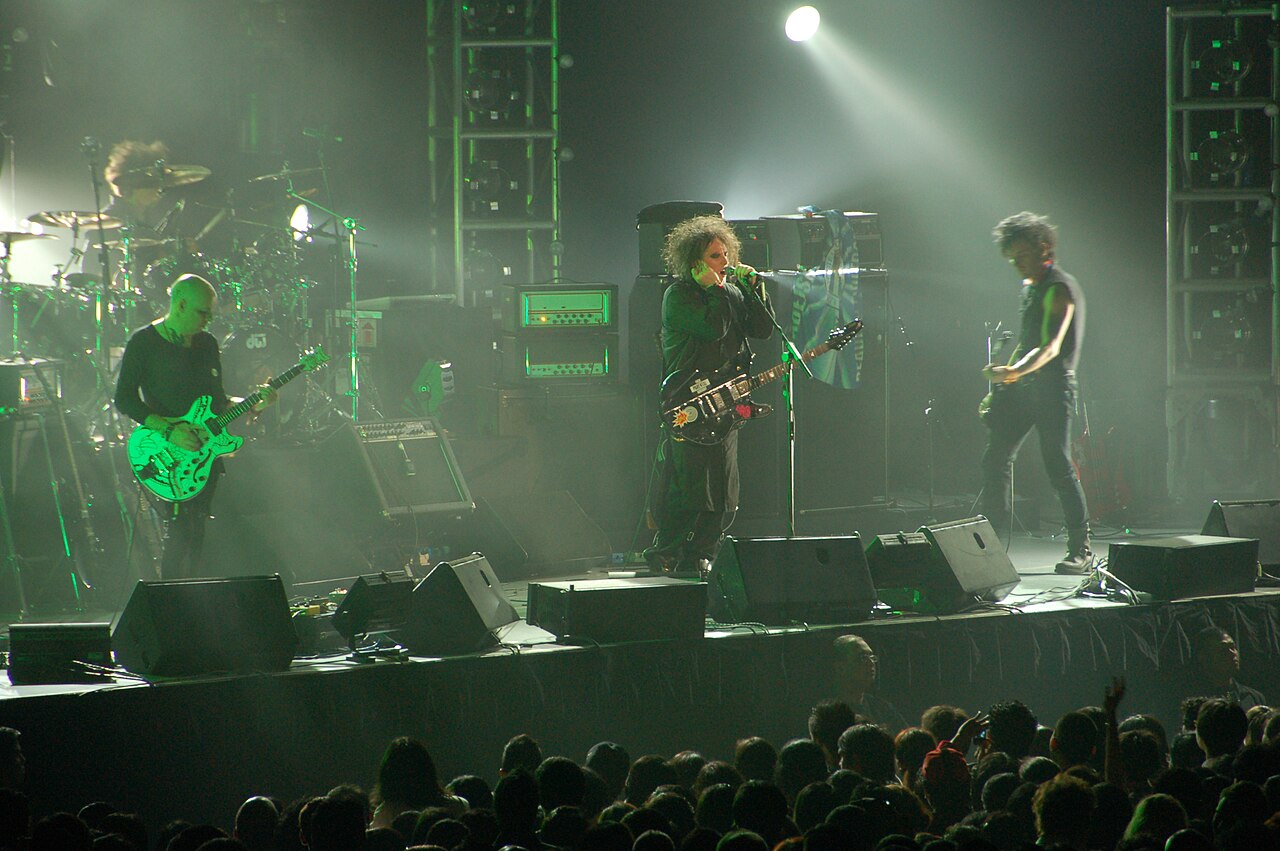
The Cure Friday I'm in Love represents a sudden shift in the band's emotional trajectory. One moment you inhabit the claustrophobic dread of 1982's Pornography, and the next, you dance in a Technicolor dream. This was not an accident. Smith executed a calculated move to prevent the band from collapsing under the weight of their own mythology.
"I don't care if Monday's blue, Tuesday's grey and Wednesday too. Thursday I don't care for you. It's Friday, I'm in love."
The lyrics treat the days of the week like a countdown to a brief reprieve. Monday and Tuesday carry a heavy, dull weight that mirrors the fatigue of a touring musician. Wednesday remains stagnant and uninspiring. Only Friday offers a momentary escape from the crushing monotony of existence.
This lyrical structure creates a sense of primacy. You feel the tension building through the week until the release of the Friday hook. It is a simple, effective device that captures the feeling of a person clinging to a single good moment. The song does not ignore the bad days; it simply refuses to let them win.
The melody provides the necessary lift to support this narrative. It moves with a buoyant, almost frantic energy. You can hear the tension in the tempo, a driving force that pushes the listener toward the inevitable Friday climax. It is a song about the necessity of joy when everything else feels bleak.
The Studio Sessions at Hook Endel
Hook Endel Studios provided the controlled environment needed for this metamorphosis. The band moved into the space with a specific goal in a mind. Producer David M Allen joined Robert Smith to oversee the sessions for the Wish album. They worked with a shared understanding that the old, dark textures had to go.
The production process focused on layering bright, shimmering guitars. Allen understood how to stack these parts without muddying the mix. He used the studio's outboard gear to ensure each layer maintained a crisp, distinct edge. The goal was a sound that felt aerated and light, rather than dense and suffocating.
Recording at CBS Studios in London allowed for additional refinement of the track's core elements. The engineers meticulously captured the interplay between the rhythm section and the melodic flourishes. Every take sought a higher degree of clarity. They stripped away the reverb-drenched gloom that had characterized the band's earlier, more experimental work.
The Wish sessions demanded a new kind of discipline from the band members. They had to resist the urge to drift back into their comfortable, melancholic habits. The studio became a laboratory for testing how much brightness they could inject into the Cure's DNA. It was a high-stakes experiment in pop accessibility.
The resulting sound was polished but never sterile. It retained a certain kinetic energy that felt alive and unscripted. You can hear the band pushing against the boundaries of their own comfort zone. The production reflects a group of musicians learning to breathe in a much larger, brighter room.
Finding the Jangle with a Stratoclarity
Porl Thompson played a crucial role in defining the track's sonic character. He utilized a Fender Stratocaster through a Vox AC30 to achieve the specific jangle heard on the studio recording. This combination produced a chime that cut through the mix like a bell. It provided the essential brightness required for the song's new direction.
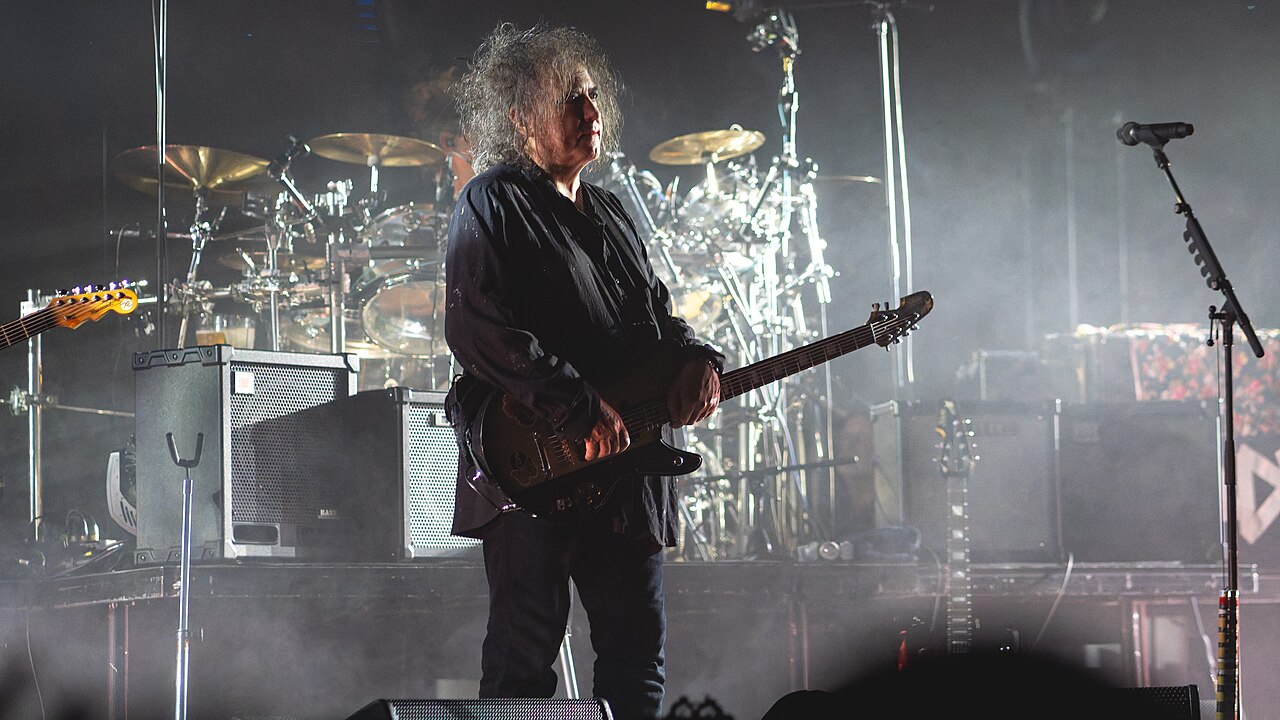
The Vox AC30 added a certain warmth to the top end of the frequency spectrum. It prevented the guitars from sounding too thin or brittle. Instead, the notes bloat with a lush, ringing quality. This jangle became the heartbeat of the track, driving the melody forward with an infectious, rhythmic pulse.
Boris Williams anchored the movement with a standard Ludwig kit. He provided the driving, upbeat percussion that defines the track's tempo. His drumming was precise and energetic, avoiding the sluggishness of the band's darker eras. The snare hits felt sharp and decisive, acting as a metronome for the swirling guitars.
The rhythm section functioned as a stable platform for the melodic experimentation. Williams kept the beat steady, allowing Thompson and Smith to layer their textures. This stability prevented the song from descending into chaos. The percussion grounded the brightness, giving it a physical, rhythmic weight.
Every element of the instrumentation worked toward a singular aesthetic goal. There was no room for unnecessary ornamentation or muddy textures. The production favored transparency and separation. Each instrument occupied its own space, creating a wide, panoramic sound that felt incredibly open.
Escaping the Gloom of the 1980s
May 1992 saw the song reach number 24 on the UK Singles Chart. This success followed the massive hits "High" and "Nevermore," which had already begun the shift in public perception. The band was no longer just the architects of gloom. They were becoming masters of a more accessible, melodic form of pop.
The transition was not easy for the fanbase. Many listeners who loved the band for their gothic roots found the new direction jarring. However, the sheer quality of the songwriting made the shift difficult to dismiss. The Cure proved they could manipulate light just as effectively as they had manipulated shadow.
The 1980s had left the band with a heavy legacy. Albums like Pornography were difficult to follow without appearing to repeat oneself. "Friday I'm in Love" offered a clean break. It allowed the band to move into the 1990s with a refreshed identity and a broader audience.

The cultural moment of 1992 was ripe for this change. The music industry was moving away from the heavy, brooding aesthetics of the previous decade. A more melodic, bright pop sound was beginning to dominate the airwaves. The Cure did not just follow this trend; they led it with a unique, idiosyncratic flair.
This era of the band felt unburdened by the need to be profound. They were content to write a great pop song. This lack of pretension felt incredibly refreshing. It allowed the music to stand on its own merit, driven by melody and rhythm rather than heavy-handed metaphor.
The Visual Shift of Tim Pope
Tim Pope directed a music video that visually cemented this new era. The video features the band members in a brightly lit, colorful setting. This was a stark contrast to the dark, murky imagery of the 1982 Pornography era. The visual language was as much a part of the song's success as the melody.
The colors in the video are saturated and almost overwhelming. Characters move through a world that feels hyper-real and slightly surreal. It captured the whimsical, slightly manic energy of the track. The band members appeared more animated, more present, and far less ghostly than in their previous clips.
Pope's direction leaned into the playful nature of the lyrics. He used fast cuts and bright lighting to mirror the song's tempo. The video felt like a celebration, a visual manifestation of the Friday feeling. It transformed the band from figures of dread into icons of a colorful, eccentric pop universe.
This visual rebranding was essential for the song's longevity. It gave the track a face that the public could readily embrace. The contrast between the old and new imagery was impossible to ignore. It forced the audience to acknowledge that the band had fundamentally changed their approach.
The video's impact helped drive the song's chart performance. It became a staple on MTV, reaching audiences far beyond the traditional goth subculture. The visual elements provided a gateway for new fans to enter the world of The Cure. It made the band's new, brighter reality impossible to miss.
The imagery of the video remains iconic today. It captures a specific moment of joy and transition. You can see the band members participating in a shared, exuberant performance. The brightness of the set pieces serves as a physical manifestation of the song's emotional core.
The Legacy of a Pop Perfect Moment
The Cure Friday I'm in Love remains a staple of radio play and live sets. It has survived the decades without losing its essential charm. The song stands as a masterclass in how to pivot an artistic direction without losing your soul. It is a rare instance of a band successfully executing a total aesthetic overhaul.
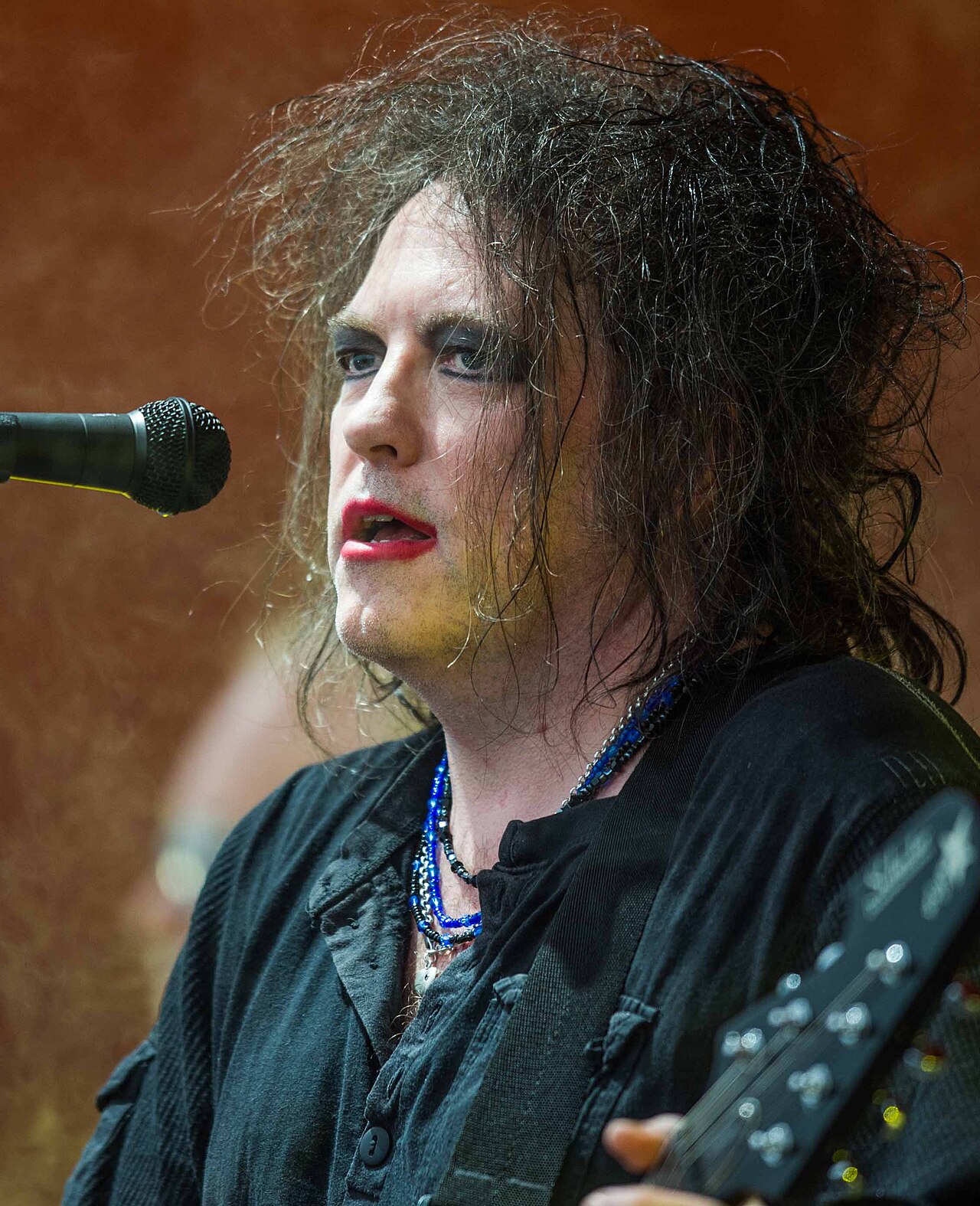
The track continues to evoke a sense of nostalgic warmth. It represents a peak of melodic accessibility for the band. Even for those who prefer their darker work, the craftsmanship of this song is undeniable. The way the guitars chime and the drums drive is mathematically perfect.

Music historians often point to this era as the moment The Cure became a permanent fixture of the pop canon. They moved from a cult phenomenon to a global institution. This transition required the courage to embrace the sunlight. It required the willingness to abandon the safety of the shadows.
The song's simplicity is its greatest strength. It does not try to be anything other than what it is: a bright, ringing celebration of a single good day. It captures a feeling that is universal and timeless. This is why it continues to reach listeners of all ages.
The production by David M Allen and Robert Smith remains a high-water mark for the band's studio work. The clarity and brightness of the Wish sessions created a sonic template that was both fresh and enduring. They found a way to make the air feel thin and light, yet structurally sound.
Listening to the track now, the energy is still palpable. The Fender Stratocaster jangle and the Ludwig drum beat still hit with the same infectious enthusiasm. It remains a defiant piece of pop music, a refusal to let the darkness have the final word. The Cure proved that even the most devoted architects of gloom can find their way back to the light.