Ten Hall of Fame artists who almost failed
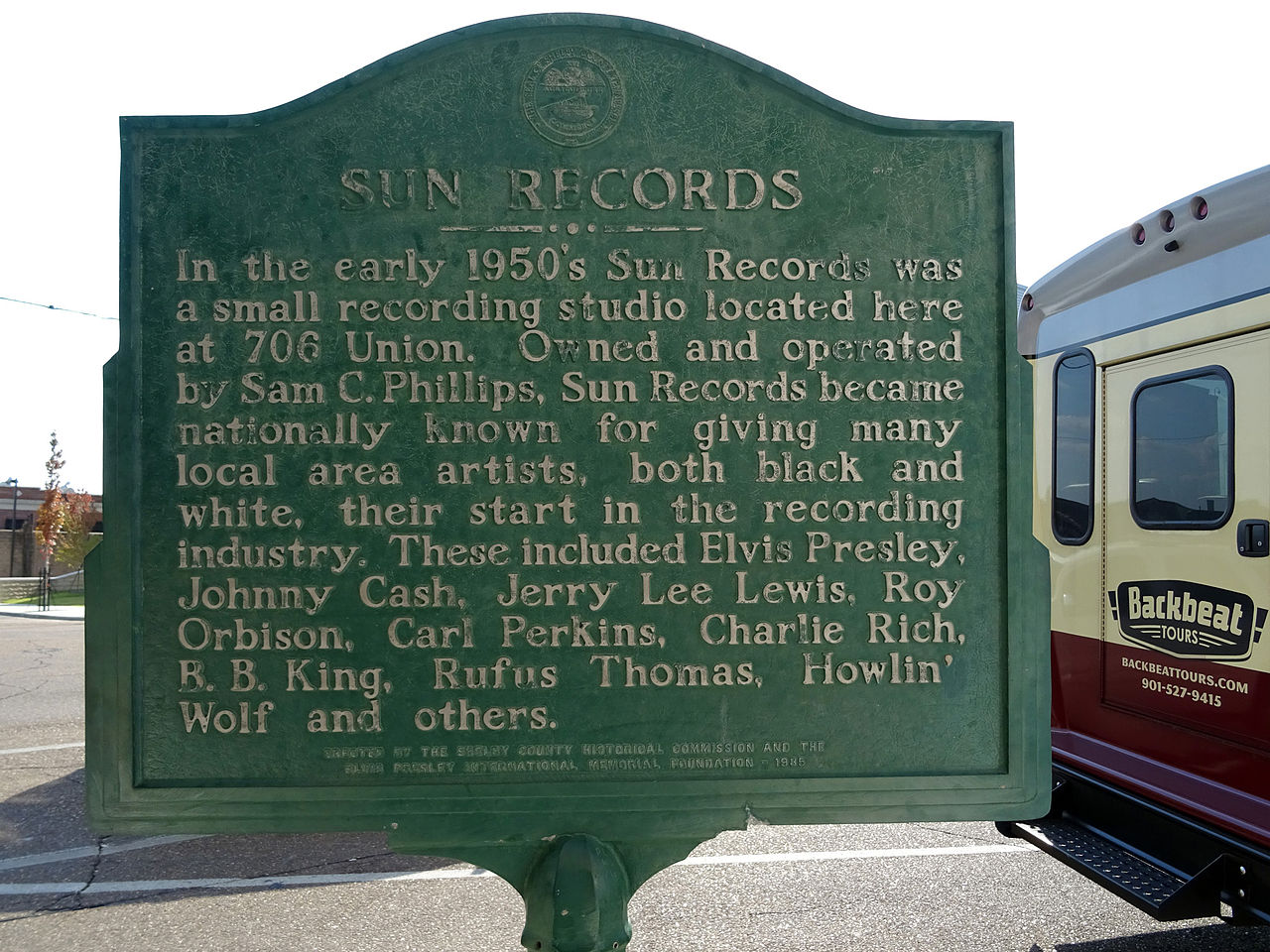
Memphis, 1955, smelled of sweat, stale cigarettes, and the electric hum of Sun Studio. Johnny Cash sat in front of a single microphone, clutching an acoustic guitar like a lifeline. He played with a percussive thud that felt more like a heartbeat than a melody. Producer Sam Phillips listened to the stripped-back, rhythmic pattern and felt a sudden, sharp pang of doubt. He feared this raw, rhythmic style lacked the polished, sweet vocal sheen that dominated the pop charts in the mid-fifties.
Phillips saw the potential in the grit, but the commercial risk loomed large. The recordings lacked the smooth, orchestral layers found in the hits of Perry Como or Eddie Fisher. Cash provided a rhythmic drive that felt dangerous and unrefined. He stripped the music down to its barest bones, leaving nothing for a producer to even hide behind. This gamble could have ended with Cash relegated to a footnote in Tennessee blues history.
The success of those early Sun sessions changed everything for the Sun Records roster. It proved that listeners craved the friction of a heavy rhythm. Cash eventually found his footing, but the fear of commercial failure stayed present in those early, skeletal tracks. He needed that edge to cut through the polite pop of the era. Without that specific, unpolished tension, the Man in Black might never have found his voice.
The studio air felt heavy with the weight of expectation. Phillips pushed for a sound that could compete with the big labels in New York and Los Angeles. He wanted something that could grab a teenager by the collar. Cash gave him something much more primal. The result felt less like a song and more like a physical event.
The Art World's Commercial Failure
New York City, 1967, offered a backdrop of neon lights and avant-garde experimentation. The Velvet Underground emerged from this scene with a heavy dose of Andy Warhol's influence. They carried the weight of the Factory's prestige on their shoulders. Their debut, The Velvet Underground & Nico, arrived with massive expectations from the art elite. Yet, the record moved almost zero units in its first months of release.
The album's sound was abrasive and difficult. Lou Reed's guitar lines often mimicked the screech of a subway train braking on a rusted track. John Cale's electric viola added a droning, dissonant layer that pushed back against traditional pop melody. Most radio programmers ignored the record entirely. They preferred the sunshine pop of The Monkees or the smooth harmonies of The Mamas & the Papas. The Velvet Underground existed in a vacuum of critical respect and commercial silence.
Warhol's management provided a high-profile veneer, but it could not force a hit onto the airwaves. The band members cared more about sonic texture than catchy choruses. They traded in themes of drug use, street life, and urban decay. These topics were far too grim for the Top 40 rotation of 1967. The record's failure was a mathematical reality, even if its influence was immeasurable.
Critics eventually recognized the band's importance, but the early years involved playing to empty rooms. The lack of sales meant the band lived on the fringes of the music industry. They were a cult phenomenon long before the term became a marketing strategy. The heavy, distorted textures of the album made it a difficult sell for a mainstream audience seeking escapism.
The music was a blunt instrument. It did not ask for permission to exist. It simply forced itself into the ears of anyone listening closely enough. The band's inability to find a mass audience during their peak years remains one of rock's great ironies.
A Solo Audition in New York City
Columbia Records' offices in New York City felt cold and imposing in 1961. Bob Dylan walked into the audition room with nothing but an acoustic guitar and a harmonica. He carried the weight of a young man trying to prove his worth to the industry's giants. Producer John Hammond sat behind a desk, listening to the folk singer's raw, unadorned delivery. Dylan played solo acoustic tracks that lacked the polished production of the folk revival's bigger names.
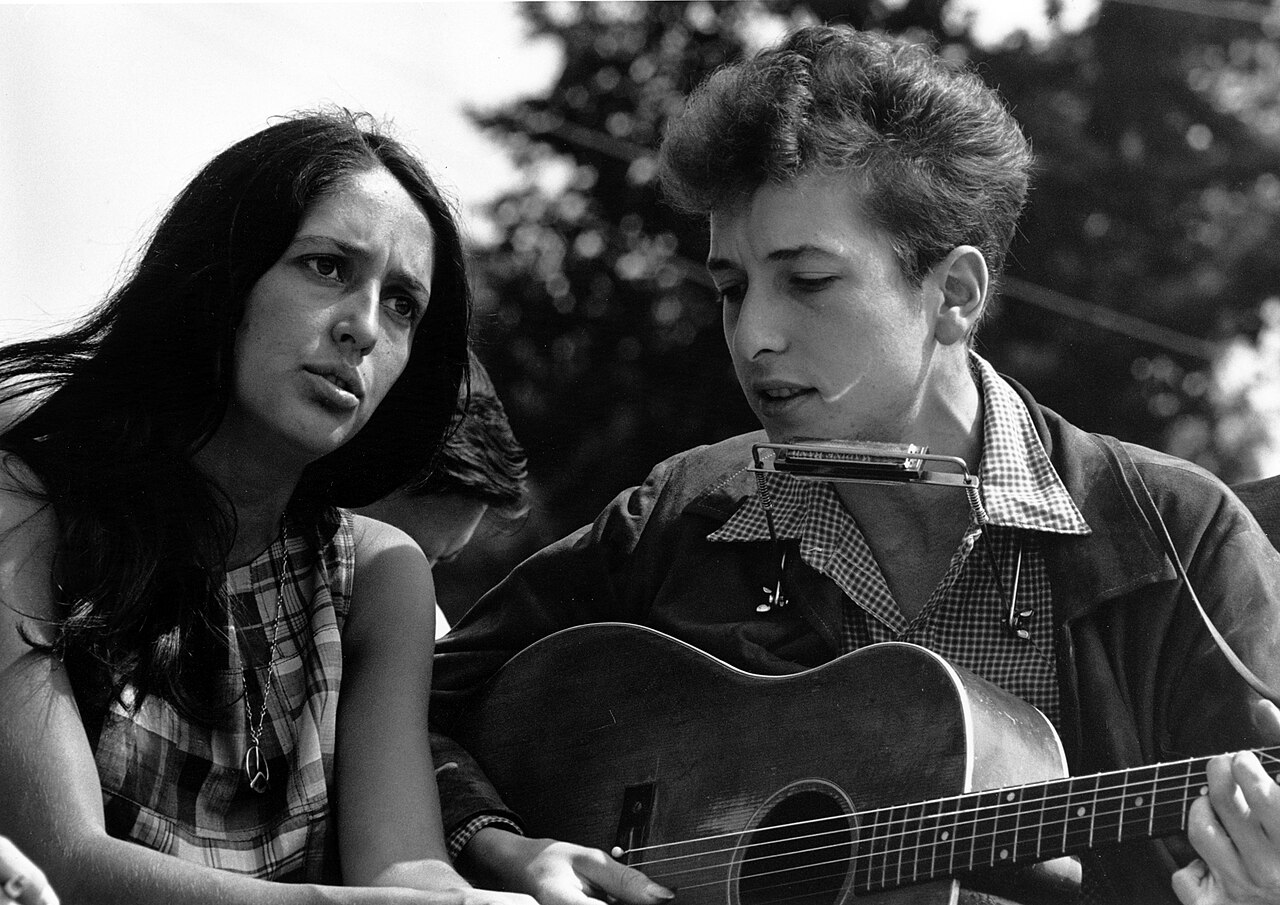
Hammond heard something in the grit of Dylan's voice. He chose to sign him despite the absence of a full band or a traditional folk ensemble. This decision bypassed the standard industry practice of presenting a complete, radio-ready act. Dylan's performance was sparse and intensely personal. It relied on the strength of his lyrics and the rhythmic snap of his guitar playing. He didn't need a lush arrangement to command the room.
The industry used the clean, studio-perfected sounds of the folk era. Dylan's arrival disrupted that established order. His songs tackled complex, often uncomfortable social realities with a directness that unsettled some. He brought a biting, cynical edge to the genre. This edge would eventually redefine the role of the singer-songwriter in popular music.
Early skeptics wondered if a solo performer could sustain a long-sought career. They looked for the hooks and the melodies that drove the hits of the day. Dylan provided something much more substantial: a narrative power that felt unstoppable. His ability to weave complex stories into simple folk structures was a revelation. He proved that a single voice could carry the weight of an Hall of Fame artists who almost failed movement.
The success of this audition changed the trajectory of Columbia Records. It signaled a shift toward the singer-songwriter era. Dylan's raw talent overcame the lack of traditional musical support. He turned a solo audition into a cultural revolution.
Low Budgets and Uncertain Radio Prospects
London, 1963, saw the Rolling Stones struggling to find their footing. Their debut album, England's Newest Hit Makers, reflected the low-budget reality of a young band on the rise. The production felt thin and lacked the muscularity of the American R&B records they idolized. They relied on covers and blues standards that were already well-worn in the London club circuit. The band faced uncertainty regarding their prospects on the BBC and commercial radio.
Mick Jagger and Keith Richards were still finding their unique chemistry. The lineup struggled with the technical limitations of their early studio sessions. Each track sounded like it was fighting to escape a cramped, poorly equipped studio. No massive marketing budget propelled them into the mainstream. They were just another blues-influenced group in a crowded London scene.
A lack of radio support threatened their survival. The Stones needed a massive hit to break out of the club circuit. They needed a song that could pierce through the noise of the early sixties pop era. Without a breakthrough, they would have remained a local curiosity.
The tension in the band was palpable during these early years. They were hungry, frustrated, and desperate for a hit. The production on their debut was far from the polished perfection of their later work. It was a raw, unrefined document of a band in transition. They played with everything they had, but the world wasn't quite listening yet.
Everything changed in 1965 when "Satisfaction" hit number one in the UK. The fuzz-drenched guitar riff acted like a lightning bolt. It provided the commercial breakthrough the band desperately required. The Stones moved from uncertain newcomers to global icons almost overnight. The uncertainty of 1963 became a distant memory once the riff took hold of the world.
The Resistance to the Heavy Backbeat
Chess Records, Chicago, 1955, was the epicenter of a rhythmic revolution. Chuck Berry walked into the studio with "Maybellene," a track that featured a heavy, driving backbeat. This rhythm was far more aggressive than the polite, swinging beats of the era's crooners. The guitar rhythm, played with a sharp, percussive attack, pushed the song forward with relentless energy. Radio programmers reacted with significant resistance to this new sound.
The existing radio landscape favored smooth, melodic vocalists like Nat King Cole. Berry's sound was too loud, too rhythmic, and too disruptive for the established order. The backbeat felt like a physical assault on the ears of those used to easy listening. Programmers feared that this aggressive style would alienate their established audience. They viewed the heavy emphasis on the second and fourth beats as a threat to musical decorum.
Berry ignored the gatekeepers and focused on the teenagers. He understood that the energy of the music matched the energy of a new generation. The guitar parts were bright and biting, cutting through the static of AM radio. He used a rhythmic approach that made it impossible to sit still. This was not music for the lounge; it was music for the dance floor.
The resistance eventually crumbled under the weight of the song's popularity. "Maybellene" became a massive hit, proving that the backbeat was the future of rock and roll. Berry's ability to blend bluesy grit with pop sensibility was unmatched. He turned the very elements that programmers hated into the foundation of a similar genre. The heavy backbeat became the heartbeat of the entire decade.
The song's success forced the industry to adapt. The era of the crooner was fading, replaced by the era of the guitar hero. Berry's defiance of the radio establishment paved the way for everything that followed in rock and roll.
Finding Space in the 30th Street Studio
New York City, 1959, at Columbia's 30th Street Studio, Miles Davis began a recording session that would change jazz forever. He was working on Kind of Blue, an album that moved away from the frantic energy of hard brypt. Davis wanted to explore a more modal, spacious style of improvisation. He replaced complex, rapid-fire chord changes with simpler, more open harmonic structures. This allowed the musicians to focus on melody and texture rather than technical acrobatics.
The initial reaction from critics was far from universal. Many found the new, sparse approach to be lacking in the traditional intensity of jazz. They missed the dense, driving progressions that defined the bebop and hard bop eras. The music felt too quiet, too empty, and too unhurriedly complex for some. It lacked the muscular, aggressive drive that many listeners associated with great jazz.
"It's not that we're trying to be experimental, it's that we're trying to find a new way to be simple."
Davis pushed his musicians, including John Coltrane and Bill Evans, to embrace this new minimalism. The piano work of Bill Evans provided a cool, impressionistic texture that complemented the modal approach. The drums, played by Jimmy Cobb, provided a light, hungry foundation that never crowded the soloists. The album's brilliance lies in its restraint. It uses silence as much as it uses sound.
The spaciousness of the tracks allowed for a level of emotional depth previously unseen in the genre. The soloists could linger on a single note, letting its resonance fill the room. This was not about how many notes you could play, but about the notes you chose to play. The album became a masterpiece of atmosphere and mood. It redefined the boundaries of what jazz could achieve.
The critics eventually realized that the sparsity was the point. The album's influence is visible in almost every jazz recording that followed. Davis took a risk on a more subdued sound and won the ultimate musical victory.
San Francisco Struggles and Fantasy Records
San Francisco, the mid-1960s, was a boiling pot of psychedelic experimentation and counterculture energy. Creedence Clearwater Revival emerged from this scene, but their early years were far from glamorous. They were signed to Fantasy Records, a label that provided the platform but not the immediate riches. The band endured grueling touring schedules, often playing small, sweaty clubs in much less impressive venues. Their early studio sessions were low-budget affairs that lacked the polish of their later hits.
John Fogerty, the band's driving force, spent countless hours honing a sound that blended swamp rock with catchy, bluesy hooks. The band's early output struggled to find a foothold on the national charts. They were part and parcel of a massive, crowded movement of San Francisco bands, many of whom were more psychedelic and less structured. CCR's sound was more grounded, more muscular, and much more direct. This directness stood in stark contrast to the acid-drenched jams of their contemporaries.
The band's success was built on relentless work and a refusal to compromise. They didn't rely on the heavy effects or the sprawling improvisations of the hippie era. They focused on tight, three-minute songs with powerful, rhythmic foundations. The struggle of those early years forged a band that was incredibly disciplined and focused. They built a foundation of hits, one grueling tour and one low-budget session at a time.
The breakthrough arrived in 1968 with the release of "Susie Q." The song climbed the charts and brought the band into the mainstream spotlight. It featured a driving, rhythmic groove that was instantly recognizable. Suddenly, the band that had been grinding through the California club circuit was a global phenomenon. The struggle of the early years had paid off in massive, undeniable success.
The band's ability to maintain their gritty, rootsy sound even as they became superstars is a rare feat. They never lost the essence of that San Francisco struggle. They remained the masters of the swampy, rhythmic anthem.
The Atlantic Transformation of Aretha Franklin
New York City, 1967, marked a turning point for Aretha Franklin. She moved to Atlantic Records, a move that would alter the course of soul music. Before this, many viewed her as a struggling jazz-pop singer, navigating a career that lacked a clear, definitive direction. Her earlier recordings were polished but lacked the raw, emotive power that would become her trademark. She needed a new production approach and a even a new sonic identity.
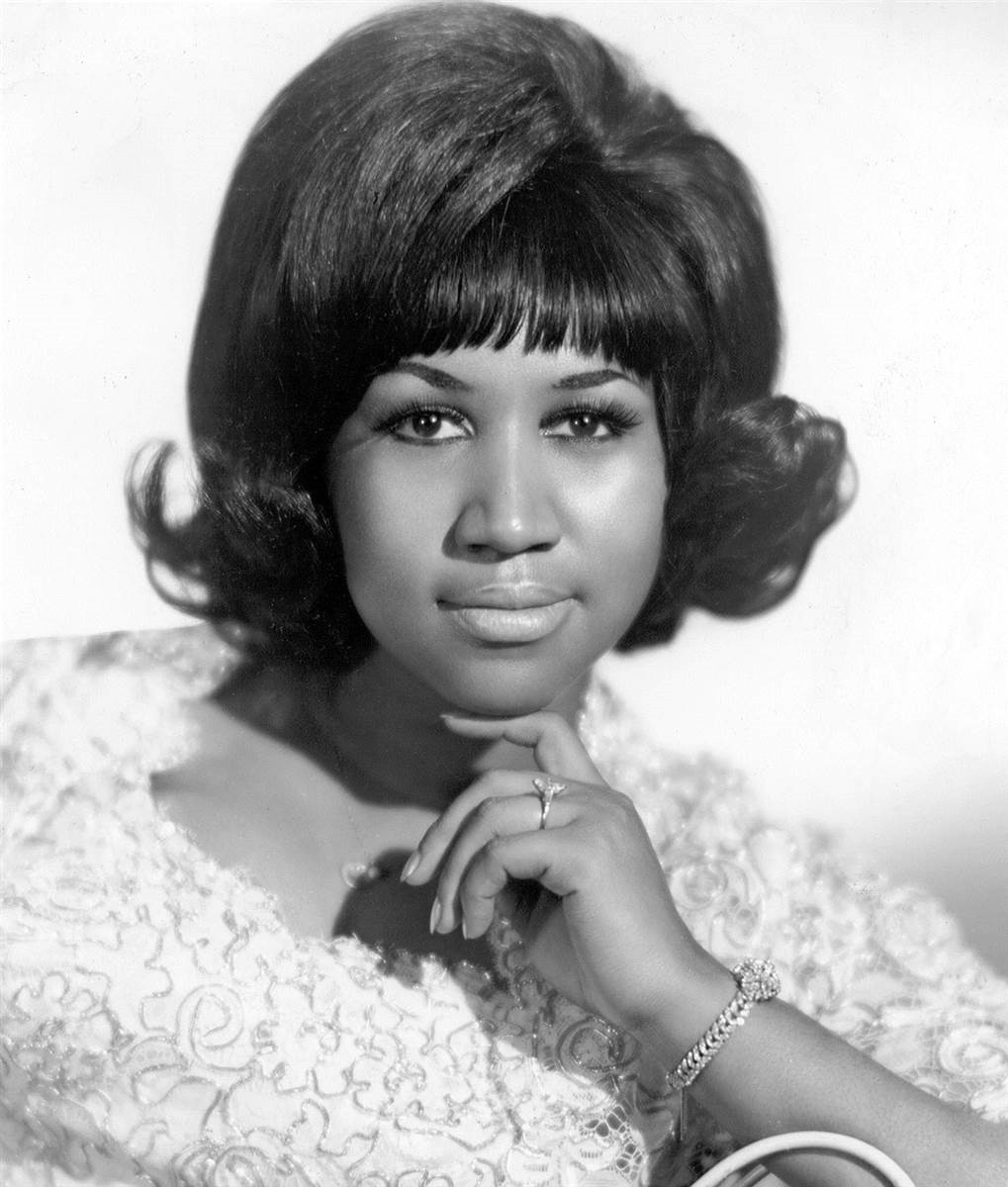
The sessions at Atlantic Studios brought her into contact with producers like Jerry Wexler, Arif Mardin, and Tom Dowd. They understood how to harness her gospel roots and translate them into a soul context. They stripped away the polite arrangements and replaced them with a heavy, rhythmic foundation. The emphasis shifted to her voice, allowing the grit and the soul to take center stage. The production was muscular, driving, and intensely rhythmic.
The recording of "Respect" in 1967 changed everything. The song's heavy, driving beat and her assertive, commanding vocal performance turned her into an icon. She wasn't just singing a song; she was making a statement. The track became an anthem for both the civil rights and feminist movements. It transformed her from a talented vocalist into the Queen of Soul. The power of the track was immediate.
This transformation involved more than a single song; it required a complete sonic overhaul. The Atlantic sound featured deep, rhythmic grooves and powerful brass arrangements. It provided the perfect canvas for Franklin's incredible vocal range and emotive depth. She could move from a whisper to a roar within a single phrase. The production supported her, never overshadowed her.
The success of this period established a new standard for soul music. Franklin's ability to blend gospel intensity with pop accessibility was a massive achievement. She became the definitive voice of an empty era, a feat made possible by the Atlantic shift.
The Chaos of the 1977 United States Tour
London, 1976, saw the Sex Pistols causing a media firestorm following their appearance on the Bill Grundy show. The chaos and profanity they unleashed on live television made them public enemies in the UK. When the band attempted to tour the United States in 1977, they carried this heavy baggage with them. They faced immediate cancellation of shows and widespread media condemnation across America. The tour was a whirlwind of controversy and logistical nightmares.
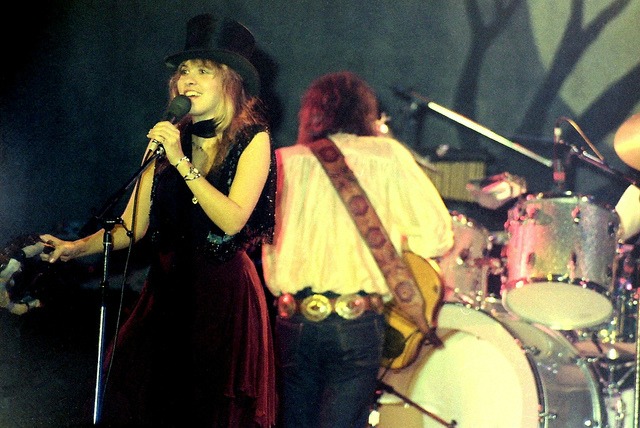
The band's arrival in America felt like a cultural invasion. Local authorities and media outlets prepared to suppress their influence. They faced protests, police scrutiny, and a press corps that was eager to condemn their very existence. The energy of the tour was chaotic and often violent. It was less a musical tour and more a series of cultural skirmishes. The band often sat on the brink of total collapse.
Johnny Rotten's sneering, nihilistic attitude clashed violently with the established American rock culture. The band's music was a sonic assault, featuring jagged, distorted guitars and a primal, aggressive drum beat. It stood as the antitode to the polished, stadium-rock era of the mid-seventies. They brought a sense of destruction and anarchy that was deeply unsettling to the American mainstream. The tour tested the survival of both the band and the genre of punk.
Despite the cancellations and the backlash, the tour left a permanent mark on the American underground. It ignited a fire in the hearts of a new generation of musicians. The chaos of the tour became part of the band's legend. They were the villains of the story, but they were also the catalysts for a massive musical shift. The controversy only served to strengthen their status as icons of rebellion.
The Sex Pistols didn't come to America to make friends. They came to burn everything down. In doing so, they helped clear the way for the next decade of alternative music.
Experimental Shadows in Clovis, New Mexico
Clovis, New Mexico, 1958, offered a quiet, unassuming backdrop for some of the most experimental recording work of the era. Buddy Holly worked in Norman Petty's studio, a space that felt far removed from the major hubs of New York or Los Angeles. Petty was a skilled engineer who allowed Holly to experiment with the technical boundaries of the medium. Together, they utilized experimental double-tracking techniques that were incredibly difficult for most engineers of the time to execute accurately.

The sound of these recordings featured a unique, layered depth. Holly's vocals often appeared in two places at once, creating a haunting, ethereal effect. This was not the simple overdubbing found in more conventional pop productions. It required a precise, rhythmic synchronization that pushed the limits of the studio equipment. The result was a textured sound that felt ahead of its time. It gave the tracks a sense of intimacy and strange, sonic complexity.
The Buddy Holly and the Crickets recordings featured much more than just standard rock and roll. They experimented with different instrumentations, including the use of the celeste and unusual percussion. The studio itself became an instrument in the hands of Holly and Petty. They played with the very architecture of sound. This experimentation gave their music a timeless, almost otherworldly quality. It stood far apart from the standard, straightforward pop of the late fifties.
The technical difficulty of these sessions meant that many of their contemporaries simply could not replicate the sound. It required a specific synergy between the artist's vision and the engineer's technical prowess. The precision required for the double-tracking was immense. Any slight deviation in timing would ruin the effect. These sessions were a triumph of technical skill and musical creativity.
The legacy of the Clovis sessions remains a cornerstone of rock and a vital lesson in studio craft. They proved that the studio could be a place of profound, experimental discovery. Buddy Holly's ability to marry pop sensibility with technical experimentation remains a true feat of artistry.