How Streaming Killed the Mixtape Culture
Houston heat shimmered off the asphalt in 1995. DJ Screw sat in a cramped studio, slowing down the tempo of UGK tracks until the beats dragged like heavy limbs in a fever dream. He used a Technics SL-1200 turntable to manipulate the pitch, creating the thick, syru-drenched sound of Chopped and Screwed music. This was not a polished product meant for radio play. It was a gritty, physical artifact passed from hand to even in the Texas underground. This era of tactile discovery stood in total opposition to the era of streaming, where music exists only as a weightless, invisible signal.
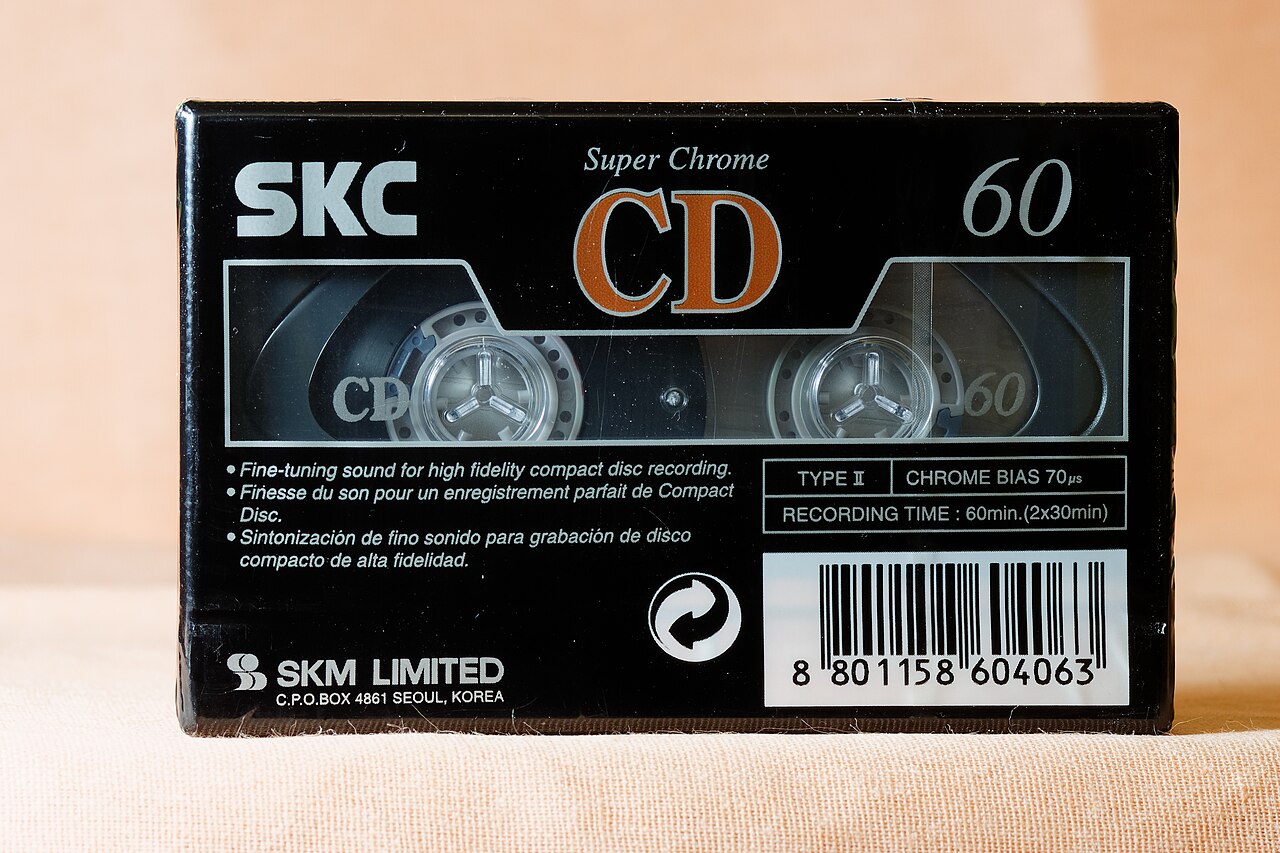
The cassette tape held a specific weight. Collectors felt the plastic casing and smelled the chemical scent of the magnetic tape. This connection created a bond between the DJ and the listener that digital files cannot replicate. When you bought a tape, you owned a piece of a specific moment in a specific neighborhood. You held the labor of the DJ in your hands.
DJ Ma Duke spoke about this era in a 2015 interview. He noted how the loss of the physical cassette format removed the tactile ritual of the underground hip-hop community. The ritual involved the physical act of rewinding, the clicking of the tape deck, and the careful preservation of the J-card. Everything about the medium demanded attention. You could not simply skip a track without feeling the mechanical movement of the machine.
New York City offered a different version of this intensity. DJs like DJ Clue built empires using the same raw energy. His "The Streets" series, released on Asylum Records, brought the mixtape aesthetic into a more organized, commercial space. He used the medium to bridge the even wider gap between the street and the charts. These tapes functioned as a direct line of communication that bypassed the gatekeepers of traditional radio.
The 1988 Pivot to Commercial Hip-Hop
Jive Records released "Parents Just Don't Understand" in 1988. This track by DJ Jazzy Jeff & The Fresh Prince changed the math for hip-hop promoters. It proved that the playful, accessible energy of the mixtape aesthetic could translate into massive commercial success. The song lacked the aggressive, battle-rigged grit of Public Enemy, but it possessed a melodic clarity that appealed to a wider demographic. It signaled that the underground could exist inside the boardroom.

The success of this era relied on the tension between the street and the studio. Producers used the Roland TR-808 drum machine to create booming kicks that rattled car windows. These sounds targeted the boombox and the car stereo, not the headphones of a casual listener. The mixtape served as the testing ground for these sonic experiments. If a beat worked on a street tape, it could work on the Billboard charts.
Labels began to realize the value of this unpolished energy. They started signing artists who carried the scent of the mixtape circuit. This era turned the mixtape from a local phenomenon into a blueprint for a single, global industry. The transition was not smooth. It created a divide between the purists who loved the raw tapes and the executives who wanted the polished hits. This tension defined the late eighties hip-hop scene.
The 1990s brought a different kind of curation. In the UK, the "Now That's What I Call Music!" series emerged in 1996. These compilations functioned as a pre-packaged playlist experience. They offered the hits in one convenient, glossy package. The industry attempted to mimic the variety of a DJ's set without the unpredictability of the underground. It was safe, curated, and entirely predictable.
The era of the physical compilation demanded a commitment. You bought a single CD or a double cassette and listened to the tracklist from start to finish. This forced a linear engagement with the music. You heard the deep cuts alongside the radio hits. This structure reinforced the idea of the album as a cohesive unit of art. The industry relied on this cohesion to drive high-margin physical sales.
Napster and the Death of Ownership
Shawn Fanning and Sean Parker launched Napster in 1999. This software broke the fundamental link between music and physical objects. Suddenly, a song was no single piece of plastic or tape. It became a string of data moving through a modem. The concept of music ownership began to dissolve in real-tme. You no longer needed to visit a record store or a corner bodega to find a new track.

The digital revolution stripped the music of its physical consequence. When you downloaded a file, you did not feel the weight of the purchase. The cost was low, and the access was infinite. This ease of access began to erode the value of the individual song. The music became a commodity that a user could summon and discard with a single click. The era of the curated collection started to fade.
"The music is even more accessible than ever, but the connection to the physical medium is gone."
Napster fundamentally altered the relationship between the artist and the fan. The gatekeepers lost their grip on the distribution of sound. While this democratized access, it also devalued the labor involved in creating the music. The industry scrambled to react to a world where the tracks were free. The transition from physical media to digital files felt like a landslide that no one could stop.
The legal battles that followed Napster defined the next decade of music law. The industry fought to protect its revenue, but the genie was out of the bottle. The shift toward digital files was inevitable. The infrastructure of the internet was already moving toward a massive model of instant gratification. We were moving away from the era of the album and toward the era of the stream.
Limewire and Kazaa followed in the wreckage of Napster. These platforms introduced a different kind of chaos to the listening experience. Users dealt with virus-laden downloads and deceptive file names. You might think you were downloading a high-quality MP3 of a Radiohead track, but you ended up with a low-bitrate recording of a heavy metal song. This period of digital anarchy destroyed the prestige of the digital file itself.
The iPod and the Rise of the Library
Apple introduced the iPod in 2001. The device featured a 5GB hard drive that promised "1,000 songs in your pocket." This technological feat changed the way we interacted with our music libraries. We stopped thinking about the limitations of a single CD or a single cassette. The focus shifted from the curation of a specific collection to the management of a massive, searchable database.
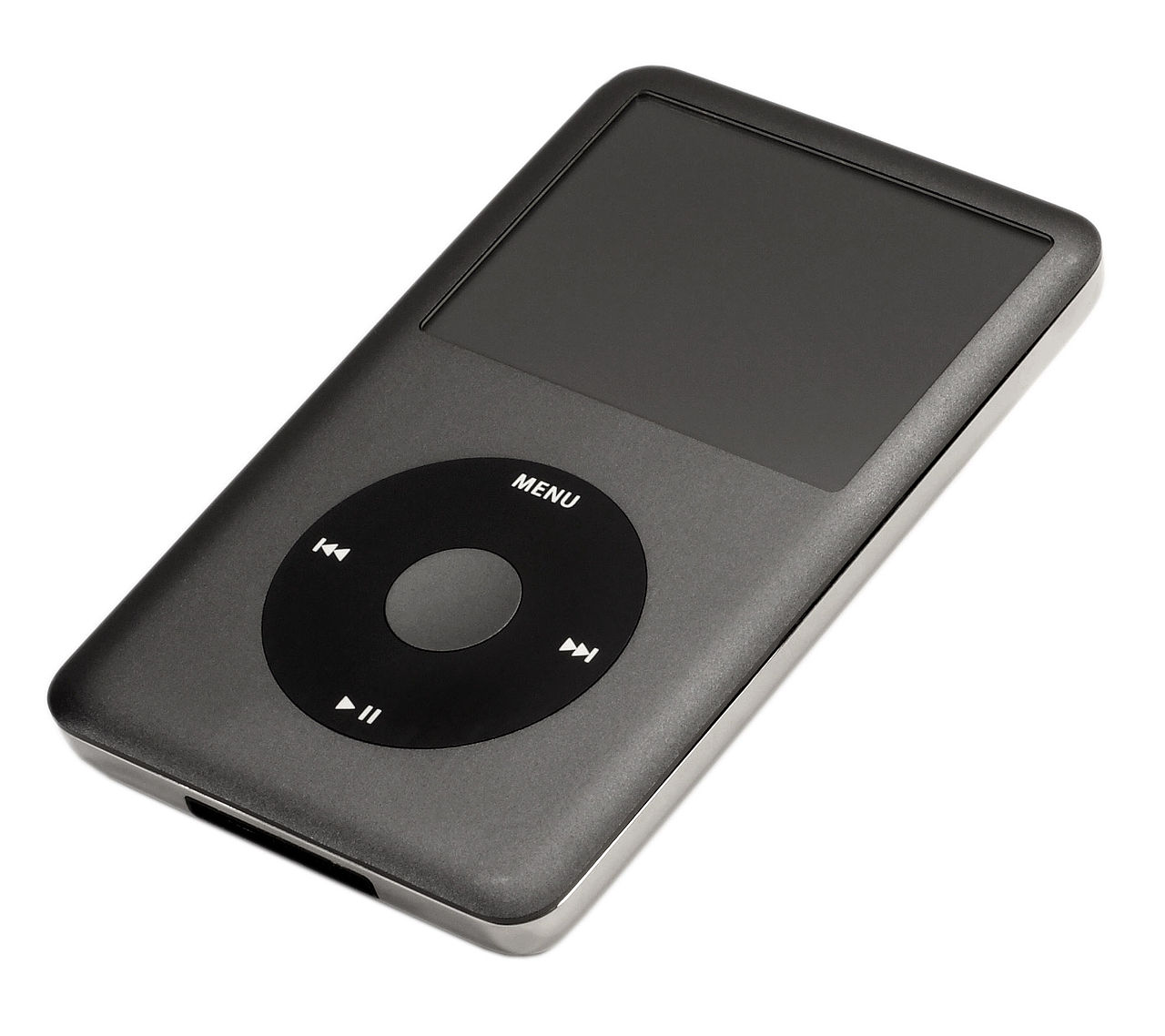
The iPod turned the listener into a librarian. You spent hours organizing folders and cleaning up metadata. The sheer volume of music available at your fingertips made the idea of a "special" album feel less significant. Every song was now part of a massive, interchangeable set. The intimacy of the single-format experience died in the glow of the blue backlit screen.
Music became a utility rather than an event. You did not sit down to listen to a record; you pulled up a library to find something to fill the silence. The search function replaced the tactile discovery of browsing a bin. This convenience came at a cost. We lost the serendipity of finding a gem by accident in a heavy, dusty bin. The library was efficient, but it was sterile.
The hardware itself dictated the listening experience. The white earbuds became a symbol of this new, isolated way of consuming sound. We carried our entire musical history with us, but we used it to create a bubble of personal audio. The shared experience of the mixtape, which relied on communal listening and physical exchange, was being replaced by individualistic consumption.
iTunes Store launched in 2003 and provided the bridge to this new era. Steve Jobs convinced labels to sell individual tracks for 99 cents. This broke the album format even before streaming arrived. Suddenly, you could cherry-pick the hits and ignore the filler. The concept of the album as a unified narrative began to crumble. We were no longer buying a journey; we were buying individual waypoints.
Spotify and the Algorithmic Takeover
Spotify launched in Sweden in 2008. This platform implemented an "access over ownership" model that changed everything. The manual labor of tape duplication and even the digital labor of downloading disappeared. The software replaced the DJ. An algorithm now decided what you heard next based on your previous listening habits.

The 201s introduction of "Discover Weekly" by Spotify finalized this takeover. The feature used collaborative filtering to automate the curation process. It looked at what millions of other users were listening to and presented a personalized list. The human element of music discovery was stripped away. The machine could predict your taste, but it primarily matched patterns rather than understanding the cultural context of a song.
This shift created a massive gap in the mixtape culture vs streaming debate. A DJ chooses a track because of its energy, its history, or its connection to a specific moment. An algorithm chooses a track because of its mathematical similarity to another track. One is an act of art; the other is an act of computation.
The algorithmic model rewards consistency over experimentation. If you listen to lo-fi beats to study, the algorithm will feed you more lo-fi beats. This creates a feedback loop that can stifle musical growth. The unexpected detour, the jarring transition, and the difficult track are all smoothed out by the software. The edges of the music are sanded down to make it more palatable for the stream.
The industry's reliance on these metrics has changed how music is produced. Producers now prioritize the first thirty seconds of a track. If a song fails to hook the listener immediately, they will skip it. This creates a culture of "playlist-style" songwriting. The structural integrity of a song is sacrificed for the sake of the skip rate.
Data-driven decision making has turned the studio into a laboratory. Engineers monitor skip rates and listener retention on platforms like Spotify for Artists. If a bridge feels too long, it gets cut in the next remix. The goal is no longer to create a timeless masterpiece, but to maximize the duration of the stream. This pressure to be "unskippable" is a direct consequence of the algorithmic era.
The End of the Curated Collection
Drake released *Nothing Was the Same* on Young Money/Cash Money in 2013. This album signaled the definitive arrival of the streaming era's songwriting style. The tracks often lack traditional verse-chorus structures. They flow seamlessly into one another, much like a programmed playlist. The song is no longer a standalone monument; it is a component in a larger, fluid stream of content.
The decline of physical single-format sales was recorded by the IFPI around 2011. The era of the Walkman-era cassette and the CD was over. The numbers showed a plummet in sales in favor of digital downloads and early streaming. The physical objects that once anchored our musical identity were being discarded. We were moving into a period of total liquidity.
The "Now That's What I Call Music!" era had provided a way to experience variety within a physical constraint. You bought a disc, and you committed to its contents. Today, we subscribe to a service, and we commit to nothing. The concept of a "collection" has been replaced by the concept of "access." We are all curators now, but we are curators without any real responsibility.
The loss of the mixtape is the loss of the musical handshake. There was a social contract involved in passing a tape to a friend. It was a gesture of trust and a shared recommendation. Streaming has made music ubiquitous, but it has also made it anonymous. We have all the music in the world, but we have lost the feeling of truly owning any of it.
The music remains, but the soul of the medium has shifted. We can find any song in seconds, but we rarely stay long enough to understand why it matters. The era of the algorithm has given us infinite choice, but it has robbed us of the discovery that comes from the struggle. The tape might be gone, but the ghost of the DJ still lingers in the code.