The Day the Beatles Stopped: The Beatles Rooftop Concert Mystery
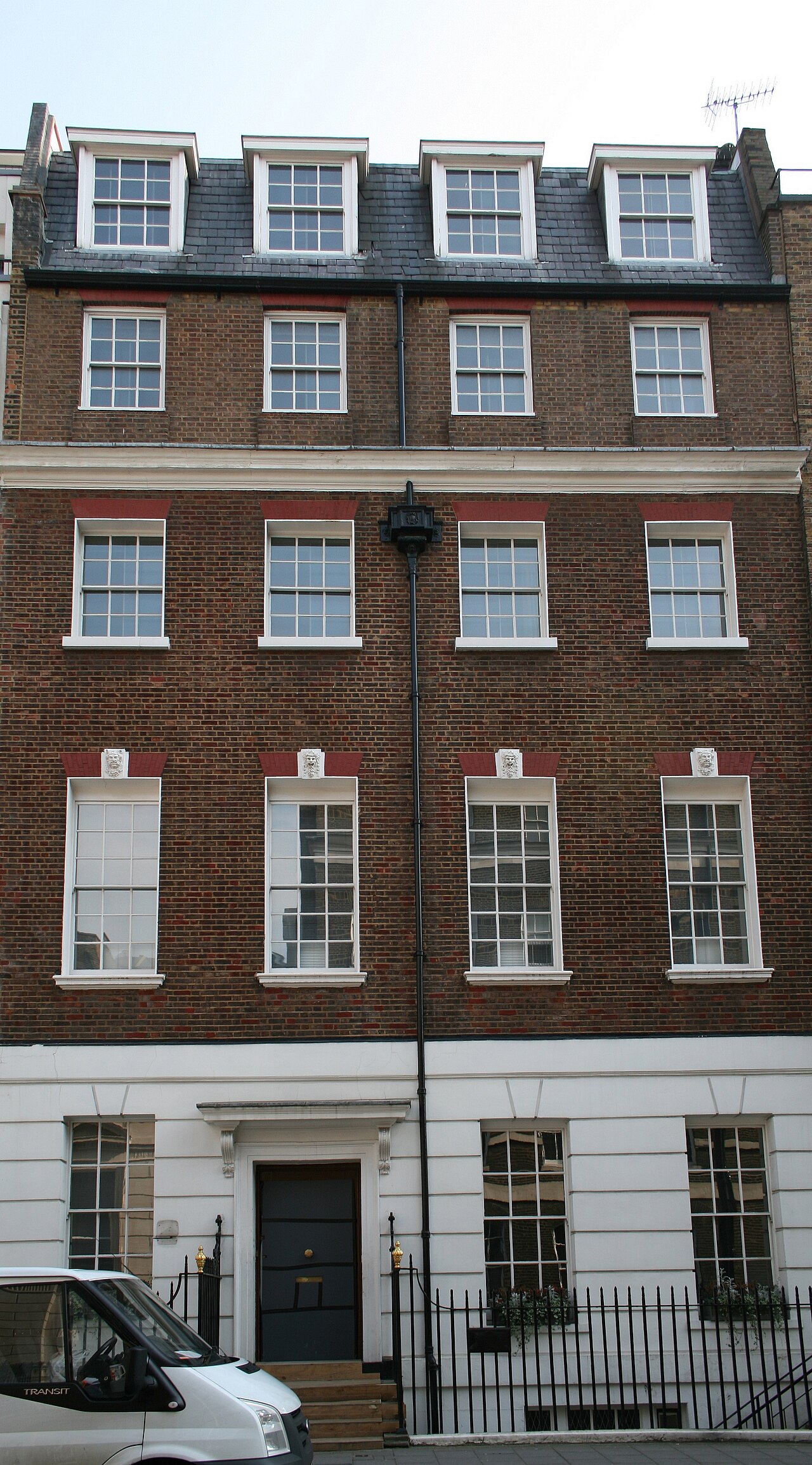
London wind whipped through the chimneys of 3 Savile Row on a cold afternoon. January 30, 1969, felt like any other Tuesday in the West End. A thick layer of grey smog hung over the city streets. Suddenly, the muffled sound of a Fender Telecaster sliced through the London chill.
Four men stepped out onto the roof of the Apple Corps headquarters. They carried heavy amplifiers and tangled cables into the biting air. The Beatles Rooftop Concert began without a fanfare or a press release. It started as a sudden, jarring intrusion of rock and roll into the quiet London skyline.
People on the streets below stopped dead in their tracks. Pedestrians near the corner of Regent Street looked up at the chimney stacks. They heard the unmistakable grit of John Lennon's vocals cutting through the ambient noise. This was not a rehearsed stadium show.
The band members looked tired and somewhat disheveled. They wore heavy coats to combat the January frost. The music felt raw, unpolished, and startlingly immediate. It acted as a sonic ambush on the unsuspecting commuters of London.
The Beatles were already fracturing under the weight of their own success. Internal tensions simmered within the studio walls of EMI Studios, now known as Abbey Road. The sessions for what would become the Let It Be album felt heavy with unspoken resentment.
Tension between Paul McCartney and John Lennon reached a breaking point during these long days of recording. This rooftop performance offered a brief, frantic burst of unity. It provided a fleeting moment of shared purpose before the group dissolved forever. The rooftop served as a stage for a band that was already halfway out the door.
The Chaos of 3 Savile Row, January 30, 1969
Savile Row sits in the heart of London's tailoring district. On this day, the street held a different kind of energy. A small crowd gathered near the entrance of the Apple Corps building.
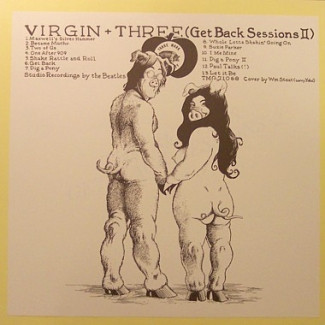

They sensed something unusual happening above their heads. The sound of "Get Back" drifted down, heavy with a bluesy,䣵rhythmic thump. This was the first time the public would hear the band in a live setting for months. The atmosphere felt electric and slightly dangerous.
Paul McCartney, John Lennon, George Harrison, and Ringo Starr stood amidst the soot and slate. They played for approximately 42 minutes. Each song landed like a physical weight against the surrounding buildings.
They played "Don't Let Me Down" with a desperate, soulful intensity. The rhythm section of McCartney on a Hofner 500/1 bass and Starr on his Ludwig kit provided a foundation that felt solid yet frayed. You could hear the strain in the performance. It was the sound of four legends clinging to a fading connection.
The crowd grew larger with every passing 1960s minute. People leaned out of office windows to catch a single glimpse of the spectacle. Delivery drivers parked their vans to listen.
The music echoed off the stone facades of the surrounding architecture. It was a chaotic, unplanned event that captured the city's attention. No one expected a concert on a chimney stack. This spontaneity defined the end of the era.
The band's setlist remained relatively brief. They moved through tracks that felt like relics from their earlier, more collaborative years. There was no polished setlist or professional stage lighting.
The light came from the grey, overcast London sky. The shadows of the chimneys danced across the musicians' faces. This visual grit matched the unvarnished sound of the guitars. It was a stark departure from the psychedelic sheen of their earlier studio work.
"We were just playing. It wasn't a planned thing. We just thought, let's go up on the roof and play some tunes." - Paul McCartney, various interviews regarding the 1969 sessions.
Capturing the Beatles Rooftop Concert Chaos with Glyn Johns
Glyn Johns faced a technical nightmare on that rooftop. The engineer needed to capture clean audio in an environment filled with wind and city noise. He positioned various microphones around the rooftop and inside the studio below.
This setup attempted to bridge the gap between the outdoor performance and the indoor recording setup. He used standard studio microphones to grab the essence of the instruments. The wind buffeted the mic stands constantly. Every gust threatened to ruin the takes.
George Martin acted as the producer for the session. He oversaw the recording process from the controlled environment of the studio. His role was to maintain some semblance of an organized session amidst the chaos. He understood the potential of this recording.
The session captured a sense of immediacy that studio perfection often kills. Johns worked tirelessly to manage the levels. He dealt with the unpredictable nature of the outdoor acoustics. The result was a recording that felt alive and breathing.
The audio quality reflects the struggle of the day. You can hear the distant hum of the city. The drums possess a hollow, outdoor character. The guitars sound slightly thin, stripped of the lushness found in their Abbey Road recordings.
This lack of polish is exactly why the recording works. It sounds like a real event. It captures a band playing in the open air. The technical flaws actually enhance the emotional weight of the performance.
Johns focused on capturing the interplay between the musicians. He needed to ensure the bass and drums stayed locked despite the environmental interference. He utilized microphones that could withstand the sudden shifts in volume. The recording process was a battle against the elements. Every successful take felt like a small victory against the London weather. The final product remains one of the most visceral recordings in the band's entire discography.
The Spontaneous Energy of the Get Back Sessions
The rooftop performance was not a planned concert. The band wanted to capture the raw energy of the "Get Back" sessions. These sessions had become increasingly difficult and fraught with tension.
The group had moved away from the complex layering of Abbey Road. They wanted to return to their roots as a live performing unit. This impulse drove them to the roof of Savile Row. They sought a sense of simplicity that seemed lost in the studio.
The "Get Back" sessions eventually evolved into the Let It Be album project. The band struggled to find a cohesive direction. They spent long, grueling hours at EMI Studios working on various tracks.
The rooftop set provided a sudden burst of much-needed momentum. It stripped away the layers of studio artifice. For a few minutes, they were just a rock band again. This energy is palpable in tracks like "Don't Let Me Down."
The "Apple Jam" segments added another layer of unpredictability to the sessions. These were periods of loose, improvisational playing. The band drifted through tracks like "Shake Suzie" and "Teddy Boy." These songs lacked the structure of their hits.
They functioned as musical explorations and jams. This looseness reflected the band's state of mind. They were playing for themselves as much as for the public. It was a musical exhale after months of intense pressure.
The tension of the studio sessions bled into the rooftop performance. You can hear the grit in the way the songs end. There is no polished fade-out. The music simply stops or transitions into the next jam.
This lack of formal structure mirrors the fracturing of the group. They were no longer a unit following a strict creative blueprint. They were four individuals playing in the same space. This friction created a unique, unrepeatable energy.
Technical Struggles on the London Roof
Equipment durability faced a massive test on the rooftop. The Beatles utilized Vox amplifiers for their sound. These amps were designed for indoor studio use or controlled stages.
The London wind battered the speaker cones. The cold air affected the tuning of the guitars. John Lennon's guitar parts often sounded slightly sharp or flat due to the temperature shifts. This instability added to the raw, unvarnable feel of the set.
The microphones themselves struggled with the environment. Standard studio microphones are sensitive to wind noise. The engineers had to find ways to shield the diaphragms.
They used various placements to capture the sound from both the roof and the studio interior. This dual-location recording created a strange, wide stereo image. It sounds like the music is coming from everywhere and nowhere at once. The technical limitations defined the sonic character of the performance.
Ringo Starr's drum kit sounded remarkably dry. Without the natural reverb of a studio, the drums hit with a blunt force. The snare drum snapped like a whip in the cold air.
The lack of heavy processing made the percussion feel immediate. You could hear the physical strike of the sticks on the heads. This clarity is rare in large-scale live recordings. It makes the listener feel like they are standing right next to the kit.
Paul McCartney's bass lines provided the necessary glue. He played his bass with a driving, rhythmic precision. His tone cut through the ambient noise of the city.
Even with the technical challenges, the fundamental groove remained intact. The bass sat low in the mix, providing a steady heartbeat. This stability allowed the guitars to wander and experiment. The struggle with the technology actually forced a more visceral playing style.
The Arrival of the Metropolitan Police
London police officers eventually descended on the rooftop. The gathering crowd had become too large to ignore. Pedestrians and onlookers blocked the sidewalks of Savile Row.
The noise level from the amplifiers disturbed the surrounding neighborhood. The Metropolitan Police arrived to disperse the crowd. They viewed the performance as a public nuisance. The authority of the law clashed with the rebellion of the band.
The intervention was sudden and decisive. Officers moved through the crowd to clear the streets. The music began to falter as the atmosphere shifted from excitement to tension.
The band members realized their time was running out. The spontaneous concert was being forcibly ended. This abrupt conclusion added a sense of tragedy to the event. It was the literal silencing of the band's last public roar.
The breakup of the crowd happened quickly. The energy of the performance dissipated into the London smog. People drifted away, some disappointed and others annoyed.
The police presence transformed a musical event into a minor civil disturbance. This disruption marked the end of the session. The band retreated from the roof, leaving the chimneys silent once again. The music stopped, but the impact remained.
This police intervention served as a metaphor for the end of the era. The era of the Beatles' unchecked influence was meeting the reality of the world. They could no longer command the streets without consequence. The law, like the internal tensions of the band, was closing in. The rooftop performance ended not with a final, triumphant chord, but with the stern command of an officer. The silence that followed was heavy with the weight of what was lost.
The Final Note of an Era
The Beatles Rooftop Concert remains a singular moment in music history. It was a brief, loud, and messy goodbye. The recording captures a band at the edge of a precipice.
You can hear the brilliance and the decay simultaneously. The songs like "Let It Be" carry a sense of resignation. The performance stands as a monument to their ability to create magic under impossible circumstances. No other band could have staged such a beautiful disaster.
History remembers the era of the 1960s as a time of explosion. The Beatles were the architects of that explosion. By 1969, the structures they built were beginning to crumble.
The rooftop show was the sound of the building coming down. It was a final, defiant act of musical expression. The band played their hearts out on a cold London roof. They left the world with a piece of unvarnished truth.
The legacy of the performance lives on through the released recordings. Fans still study the nuances of the "Apple Jam" tracks. They analyze the way Glyn Johns managed the technical chaos. The recording provides a window into the final days of the greatest group in history. It is a document of survival and struggle. The music remains as sharp and biting as the January wind.
The Beatles would officially announce their breakup a year later. The rooftop was their last shared breath in the public eye. It was a moment of pure, unadulterated rock and roll. The city of London moved on, but the echoes of Savile Row stayed behind. The music did not just end; it vanished into the atmosphere, leaving a void that no other band could ever truly fill.