The Secret to the Loudest Snare in UK Punk
London air in 1977 tasted like diesel and cheap cigarettes. Inside the control room at Wessex Studios, the atmosphere felt even heavier. Engineer Bill Price stared at the VU meters as a sharp crack tore through the monitors. That sound belonged to the Sex Pistols. It birt and defined the UK punk snare drum sound, a sonic assault that refused to play nice with the polite rock of the era.
Bill Price knew exactly how to capture that violence. He placed a Shure SM57 directly against the snare drum skin. This microphone choice provided the biting, high-end grit necessary to pierce through thick layers of distorted guitar. To balance the low end, he used an AKG D12 on the kick drum. The combination created a drum kit that sounded less like a musical instrument and more like a physical confrontation.
The sessions for "Anarchy in a UK" defined a generation. While The Clash were still finding their footing in the London club circuit, the Sex Pistols were already dismantling the existing hierarchy. Every strike of the drum felt like a structural failure in the music industry. This recording lacked subtle dynamics or rhythmic complexity. It relied on a singular, percussive impact that hit the listener in the teeth.
Producer Chris Thomas watched the chaos unfold from the desk. He brought a level of professional discipline to the raw energy of the band. He understood that the chaos needed a frame to hold it together. Without his precise hand on the faders, the recordings might have dissolved into unlistenable static. He treated the band like a high-stakes studio project rather than a mere street riot.
Wessex Studios and the 1977 London Sound
Wessex Studios sat in a quiet corner of London, far from the riotous energy of the King's Road. The room possessed a specific, tight acoustic character that favored aggression over warmth. Engineers utilized the natural decay of the studio to build a sense of claustrophobia. This tight space forced the instruments into a dense, competing struggle for headroom. It felt like being trapped in a small room with a very angry band.
The room's dimensions prevented excessive low-mid buildup. This lack of "air" around the instruments created a sense of immediate, breathless urgency. When you listen to "Pretty Vacant," the drums do not sound like they are sitting in a concert hall. They sound like they are happening right in your face. This proximity drove the genre's psychological impact.
The Clash would later utilize these same rooms to record much of "London Calling" in 1979. Joe Strummer and Mick Jones benefited from the same high-end clarity that Price had perfected earlier. The studio provided a consistent sonic foundation for the entire movement. You could hear the same punchy, dry drum aesthetic across different bands. It gave the era a unified, almost militaristic sonic identity.
The equipment at Wessex allowed for a specific type of drum presence. The room didn't swallow the transients; it sharpened them. When Paul Cook hit a beat, the sound didn't just disappear into the reverb. It stayed present, cutting through the mid-range clutter of the guitars. This clarity made the drums the heartbeat of the entire UK punk movement.
London in the late seventies was a city of tension and decay. The music reflected that environment through its stark, unembellished production. There was no room for lush orchestration or symphonic flourishes. The Wessex sound stripped everything down to the bone. It left only the essential, jagged edges of the performance, much like the crumbling architecture of the South Bank.
The 1176 Trick and the Smashed Drum Bus
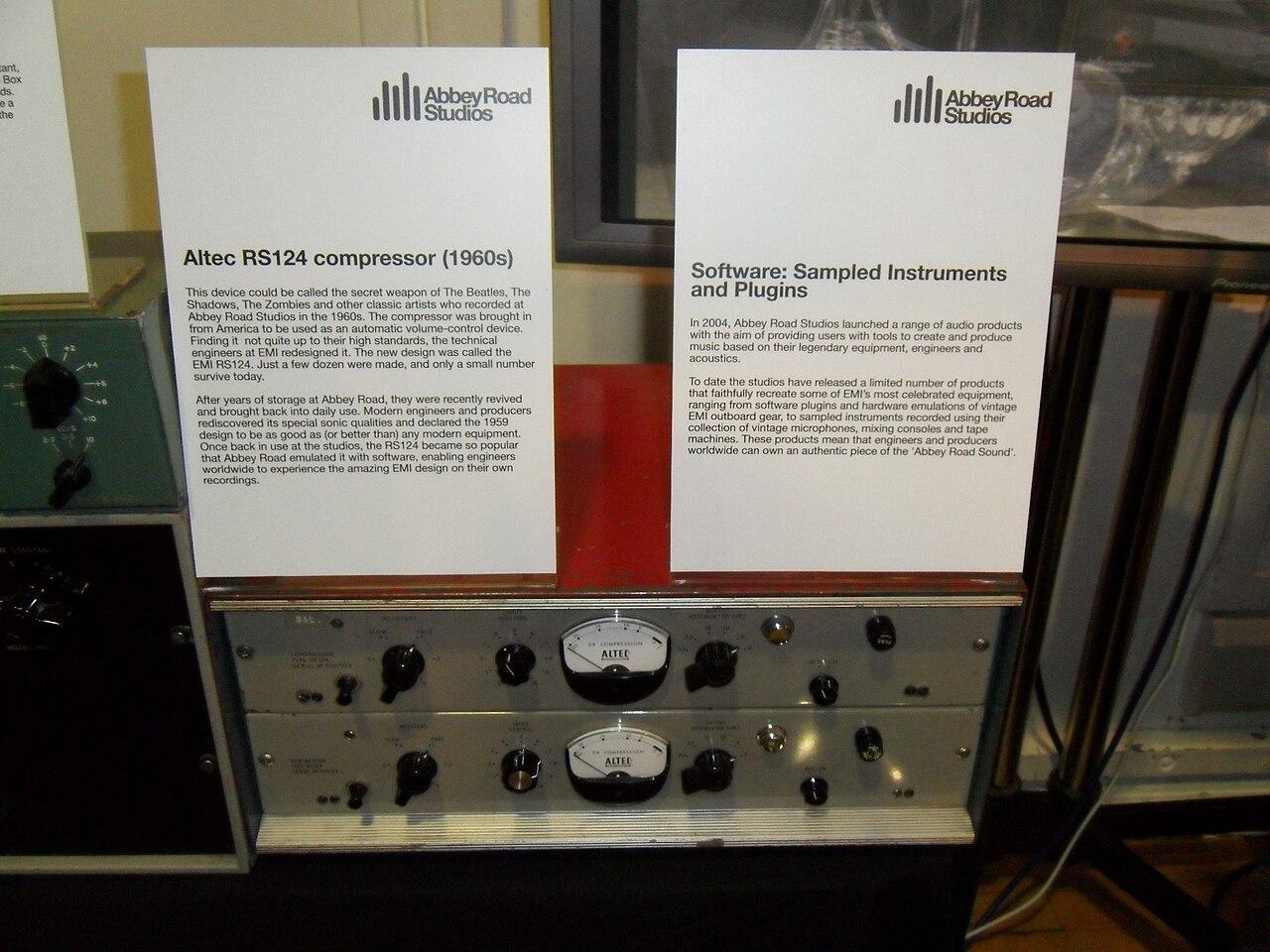
Chris Thomas approached the drum bus with a sledgehammer. He pushed the signal through heavy amounts of 1176 Peak Limiters. This specific compressor is famous for its aggressive, fast attack. It doesn't just control the volume; it fundamentally alters the texture of the sound. The drums became a dense, smashed mass of energy.
The 1176 settings created a distinct pumping effect. As the compressor clamped down on the peaks, the release time allowed the ringing tail of the snare to bloom momentarily. This created a rhythmic breathing sensation within the drum kit. It felt like the drums were gasping for air between every strike. This breathing added a sense of frantic, unstable life to the tracks.
"No future, no future, hungry for more, no future for you!"
Johnny Rotten sang those words with a sneer that matched the compressed drum tracks. The compression glued the kit to the guitars. When the 1176 crushed the transients, the drums and the distorted guitars moved as a single, unstoppable force. This prevented the drums from sitting "on top" of the mix. Instead, they sat embedded within the very fabric of the distortion.
This technique removed the polite separation found in classic rock recordings. In 1976, bands like Pink Floyd or Led Zeppelin enjoyed wide-dynamic-range separation. The Sex Pistols rejected that luxury. They wanted a wall of sound that felt like a single, monolithic object. The 1176 provided the glue that turned individual instruments into a unified riot.
The impact of this compression changed everything. It turned a standard drum kit into a percussive weapon. Every time the snare hit, the entire mix seemed to duck and react. This created a physical sensation of pressure for the listener. It transformed the recording from a mere musical document into a visceral experience.
High Tension and the Ludwig Acrolite Crack
A 14-inch Ludwig Acrolite metal snare drum provided the fundamental DNA for the era. Many London-based drummers gravitated toward this specific model. The aluminum shell produced a bright, ringing decay that cut through anything. It lacked the deep, woody warmth of a maple snare. Instead, it offered a sharp, metallic ping that demanded attention.
The Acrolite was a lightweight, utilitarian instrument. It didn't require the heavy-duty hardware of a jazz kit. This portability suited the DIY ethos of the punk scene perfectly. You could carry it into a basement club or a squat without a second thought. Its sound matched the unpretendeous and blunt nature of the bands themselves.
Tuning played a massive role in achieving this signature crack. Drummers applied a high-tension tuning method to the top and bottom heads. This tightened the drum skin until it was nearly rigid. Such tension minimized the low-end "thud" and maximized the high-frequency "snap." The result was a drum sound that functioned more like a percussion instrument than a melodic one.
This tuning method turned the snare into a weapon. Every hit produced a sharp, percussive transient that felt like a physical sting. It was impossible to ignore the snare in a dense mix. Even when Steve Jones cranked his Marshall stacks, that Acrolite crack remained audible. It acted as the rhythmic spine that kept the songs from collapsing into noise.
The choice of a 14-inch diameter also contributed to the frequency profile. Smaller drums generally possess higher fundamental pitches. This helped the drum kit sit in a frequency range that didn't compete directly with the bass guitar. The bass stayed low and heavy, while the snare occupied the upper-midrange. This frequency separation allowed the band to sound massive without losing clarity.
Paul Cook and the Art of the Rimshot
Paul Cook played with a physical, punishing intensity. He did not rely on complex syncopation or ghost notes. His style focused on the fundamental beat, delivered with maximum impact. He frequently utilized rimshots to accentuate the backbeat. A rimshot occurs when the stick hits both the drum head and the metal hoop simultaneously.

This technique produces a sudden, explosive spike in volume. The interaction between the wood of the stick and the metal rim creates a harsh, clattering sound. When paired with high-tension tuning, the rimshot becomes a sonic exclamation point. It adds a layer of uncontrolled energy to every second beat. You can hear the physical effort in every stroke.
Cook's playing style forced the rest of the band to react. The sheer volume of his snare hits required the guitars to match that level of aggression. There was no way to play a soft, lounge-style beat behind those rimshots. The drums dictated the energy of the entire performance. It was a top-down approach to rhythmic leadership.
This approach influenced countless drummers who followed in the UK punk scene. It moved the focus away from technical virtuosity and toward pure, unadulterated power. A drummer didn't need a thousand fills; they needed a single, perfect strike. The rimshot provided the necessary violence to sustain the genre's energy.
Cook's minimalism rejected the prog-rock era. While drummers like Carl Palmer or Bill Bruford were exploring polyrhythmic complexity, Cook was stripping the beat back to its most primal form. He embraced the simplicity of the 4/4 backbeat. This simplicity allowed the songs to remain anthemic and easy to chant along to in a crowded, sweaty club.
Plate Reverb and the Metallic Decay
The EMT 140 steel plate reverb sat waiting in the Wessex Studios machine room. This massive piece of gear uses a physical sheet of metal to create reverberation. It produces a decay that is inherently cold and metallic. It lacks the natural, organic feel of a room or chamber reverb. This artificiality suited the punk aesthetic perfectly.

Engineers routed the snare signal through the EMT 140 to add depth. This didn't create a lush, cathedral-like space. Instead, it added a metallic sheen to the drum's decay. This sheen helped the snare cut through the thick layers of distorted guitars. It gave the drum a sense of size without sacrificing its sharp, biting edge.
The reverb helped define the "cold" feeling of the 1977 London sound. There was nothing warm or inviting about the textures on "Never Mind the Bollocks." The metallic decay of the plate reverb reinforced this sense of urban alienation. It sounded like the music was being played in a concrete basement or a subway tunnel. It felt industrial and unforgiving.
This use of reverb also helped separate the snare from the guitars. While the guitars occupied a mid-range-heavy space, the reverb tail of the snare occupied a higher, more ethereal plane. This prevented the mix from becoming a muddy mess. The reverb provided the necessary air around the drums, even within a compressed, dense mix.
The EMT 140 is a heavy, imposing unit, often weighing hundreds of pounds. It requires a dedicated amplifier to drive the plate. This physical presence in the studio mirrored the physical presence of the sound itself. There was no digital approximation of this effect in 1977. You had to move actual metal to get that specific, haunting ring.
The Legacy of the Wessex Drum Aesthetic
The sonic blueprint created at Wessex Studios changed how engineers approached punk. It proved that aggression could be captured with precision. You didn't need to sacrifice clarity to achieve a sense of chaos. The combination of high-tension tuning, heavy compression, and specific microphone placement created a repeatable formula. This formula became the standard for the entire UK punk movement.
Modern recordings often struggle to replicate this specific, biting texture. Digital plugins can mimic the 1176 compression or the EMT 140 reverb, but they often lack the physical weight. The original recordings benefited from the actual movement of air in the Wessex rooms. The physical interaction between the drum heads and the microphones created something truly unique. It was a sound born from hardware and sweat.
Listeners can still hear the influence of this era in contemporary garage rock and post-punk. The emphasis on the snare's transient and the use of aggressive compression remains a fundamental tool. When a modern band wants to sound urgent and dangerous, they look back to 1977. They look to the way Bill Price and Chris Thomas sculpted that noise.
The UK punk snare drum sound remains one of the most recognizable textures in music history. It is a sound that demands attention and refuses to fade into the background. It serves as a reminder that the most powerful musical statements often come from the simplest, most violent tools. That single, sharp crack is still ringing in our ears.