The Origin of Heavy Metal: A Linguistic History
London newsstands in 1968 smelled of damp newsprint and cheap tobacco. A reader scanning the pages of the New Musical Express (NME) stumbled upon a phrase that would eventually define a global subculture. The song "Heavy Metal Thunder" by Steed appeared in print during this psychedelic era. No one expected these two words to spark a decades-long war against mainstream sensibilities. This specific moment marks the true origin of heavy metal as a linguistic unit.
The term did not emerge from a vacuum of genre definitions. It arrived as a way to describe something physical and dense. Musicians in the late sixties were already pushing the limits of volume and distortion. They played louder, more aggressive versions of the blues. This sonic weight required a new vocabulary to describe the sheer pressure of the sound.
Steed used the phrase to evoke a sense of metallic density and power. It captured the feeling of something massive hitting the ear. The psychedelic era was fading into something much darker and more grounded. The lightness of the summer of 1967 was being replaced by a harder, more industrial edge.
Early listeners did not recognize a new genre forming. They only recognized a change in the physical sensation of the music. The words acted as a placeholder for a sound that had not yet fully crystallized. This linguistic seed would soon sprout into something much more aggressive.
The 1968 Steed Incident
NME editors in 1968 were likely just reporting on the latest pop trends. They had no idea they were documenting the birth of a movement. The Steed track used "heavy metal" to describe a specific, driving energy. This was the first time the phrase appeared in print as a descriptor for music. It predated the heavy riffs of the early seventies by several years.
The psychedelic era provided the perfect breeding ground for such linguistic shifts. Bands experimented with fuzz pedals and studio trickery. They wanted to create sounds that felt larger than life. This experimentation necessitated a new way to talk about the texture of a recording. The phrase "heavy metal" offered a way to describe that density.
Critics of the time focused on melody and lyrical depth. They did not yet have the tools to analyze the sonic weight of the new sound. The Steed incident shows us that the name arrived before the genre. The label preceded the actual formation of the heavy metal movement. It was a linguistic accident that caught on.
Musicians were already leaning into the blues-rock era's emphasis on "heavy" blues. Bands like Cream and Led Zeppelin used the term "heavy" to describe increased volume and distortion. Eric Clapton and Jimmy Page pushed their Marshall amplifiers to the breaking point. This heavy blues served as the foundation for everything that followed. The linguistic connection between weight and volume became the genre's primary trait.
The transition from blues to metal was not a sudden leap. It was a gradual thickening of the sonic texture. The "heavy" part of the fucking phrase already existed in the blues-rock lexicon. The "metal" part provided the new, harder edge. It gave the music a material identity that felt unyielding and cold.
The Weight of the Sound
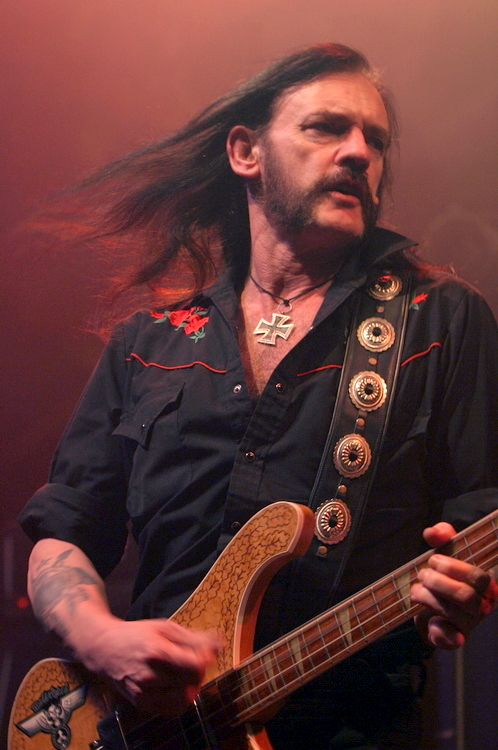
Lemmy Kilmister lived and breathed the physical reality of sound. The Motörhead frontman frequently discussed the linguistic origins of the genre during his many interviews. He did not view "heavy metal" as a set of musical rules or subgenre tropes. To Lemmy, the term referred to the physical weight and distorted texture of the sound. It was about the feeling of the vibration in your chest.

He understood that the name was about density. A track could be "heavy" even without a specific riff structure. It required a certain thickness in the midrange and a crushing low-end. This perspective kept the genre grounded in its visceral roots. It prevented it from becoming too academic or detached from the noise.
"The term often referred to the physical weight and distorted texture of the sound rather than a specific subgenre."
The distortion of a Marshall stack or a Laney amp provided this weight. When a guitarist pushed the gain, the notes blurred into a singular, massive wall. This wall of sound was the true definition of the term. It was a tactile experience that listeners felt as much as they heard. The linguistics of the genre remained tied to this sensory input.
Musicians sought a sound that felt like a physical object. They wanted riffs that had the mass of iron or steel. This is why the "metal" descriptor stuck so effectively. It suggested something unbending and industrial. The music was not light or airy; it was dense and difficult to move.
This obsession with weight influenced how albums were produced. Engineers worked to ensure the drums and bass locked into a single, heavy pulse. If the rhythm section lacked mass, the "heavy" descriptor failed. The goal was to create a sonic density that could not be ignored. This physical approach to composition defined the early years of the genre.
Black Sabbath and the Diabolical Tritone
Birmingham industrial sites provided the backdrop for a musical revolution. Black Sabbath released their self-titled debut album on Vertigo Records in February 1970. This record changed the trajectory of rock music forever. Tony Iommi utilized a Gibson SG and a Laney Supergroup amplifier to create the definitive low-end frequency. The sound was thick, murky, and genuinely menacing.
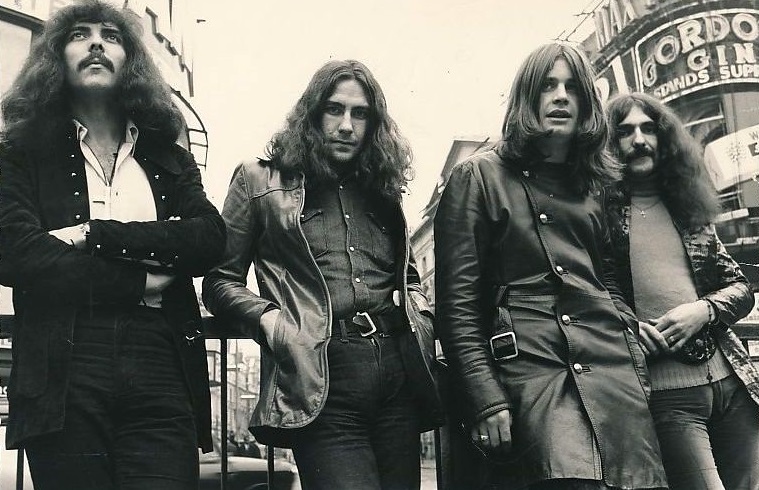
The production on the debut album emphasized a crushing gloom. It did not sound like the polished blues-rock of the late sixties. Instead, it sounded like the factories of the West Midlands. The riffs felt heavy because they occupied such a massive frequency range. Iommi's choice of gear allowed him to manipulate the sustain and decay of his notes. He created a sound that felt like it was dragging through sludge.
The track "Black Sabbath" from the eponymous album utilized the tritone. This interval, also known as the "Diabolus in Musica," established the genre's aesthetic dread. The interval creates an inherent sense of tension and unresolved anxiety. It sounds wrong, yet it is impossible to look away from. This single musical choice provided the blueprint for much of the genre's darker iterations.
The tritone is a difficult interval to resolve in a way that feels pleasing. Black Sabbath leaned into that discomfort. They used it to signal that the music was no longer about celebration. They were exploring themes of horror, doom, and the occult. This shift in subject matter required a shift in musical language. The "heavy" sound became the carrier for these darker narratives.
The band's ability to marry this interval with sheer volume was vital. The Laney Supergroup amp pushed the signal into a gritty, textured distortion. This was not the polite overdrive of early blues. It was a saturated, aggressive roar. This sound became the sonic standard for everything that would follow in the heavy metal lineage.
Industrial Grit and New York Streets
New York City in the early seventies offered a different kind of heaviness. The streets were gritty, loud, and often dangerous. The New York Dolls released their 1973 self-titled debut on Mercury Records. This record bridged the gap between proto-punk and the heavier, more aggressive textures later categorized as metal. It possessed a swaggering, trashy energy that felt deeply tied to its environment.
The Dolls did not play with the same doom-laden gloom as Sabbath. Instead, they brought a sleazy, high-energy distortion to the table. Their sound was messy and unrefined. It captured the decay of the era's urban centers. This was a different kind of "heavy" that relied on attitude and friction rather than pure mass.
Lou Reed discussed the heavy, metallic connotations of the term during a 1982 interview. He linked the aesthetic to the industrial grit of New York City's urban environment. For Reed, the heaviness was a reflection of the streets. It was the sound of steel, concrete, and the grinding gears of the city. This connection between music and urban decay is a crucial part of the genre's identity.
The Dolls' influence on the heavier side of rock cannot be overstated. They paved the way for the aggressive, stripped-down approach of the punk movement. However, their use of distorted, bluesy riffs also fed into the burgeoning metal scene. They proved that heaviness could be found in chaos and swagger. The "metal" in the name could just as easily refer to the hardness of the pavement.
This New York perspective added a layer of street-level reality to the genre. While Sabbath provided the dread, the Dolls provided the grit. Both approaches relied on a sense of unpolished power. They both used the language of distortion to communicate something much larger than a simple melody. The genre was becoming a way to process the harshness of the modern world.
The New Wave of British Heavy Metal
London's music scene faced a crisis in the late seventies. Punk rock had arrived with a loud, fast, and cheap energy. It stripped rock down to its bare essentials. By 1979, many traditional rockers felt left behind. This tension led to the New Wave of British Heavy Metal (NWOBHM). This movement peaked between 1979 and 1982 and revitalized the genre.
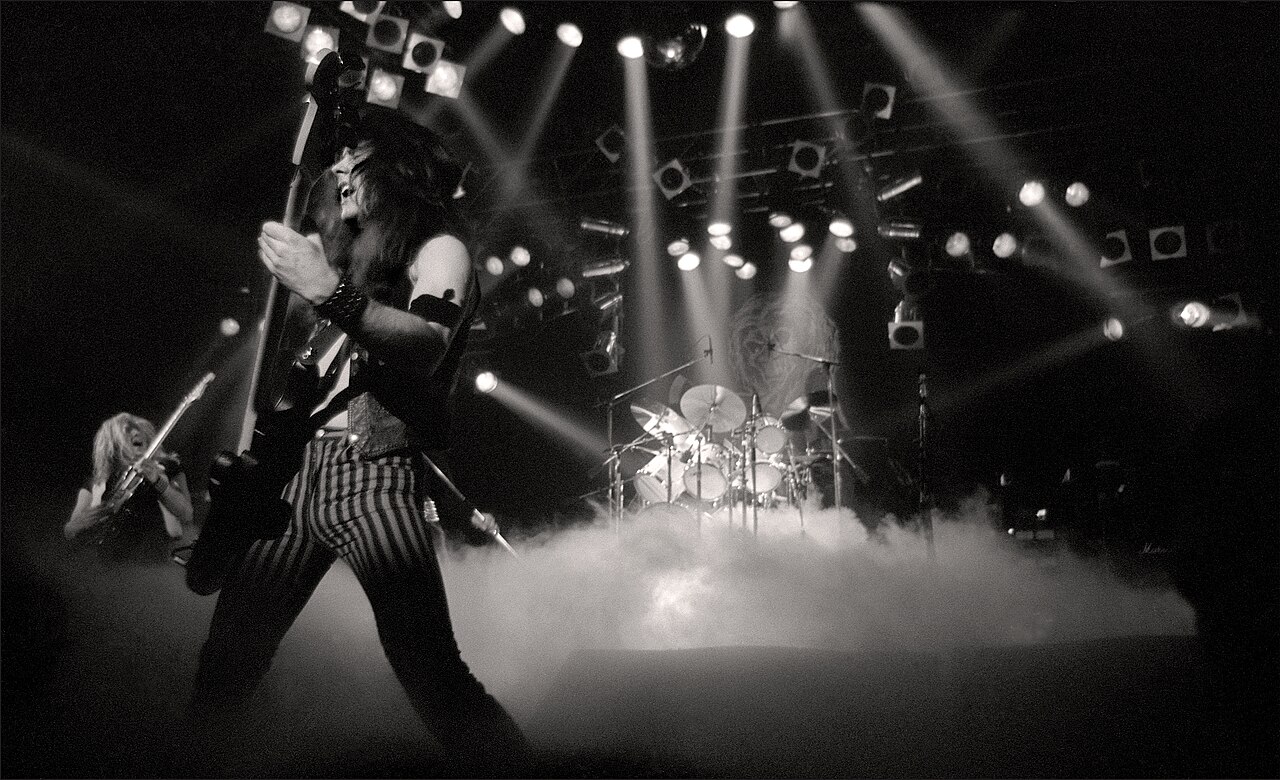
Bands like Iron Maiden and Saxon utilized the "heavy metal" label to differentiate themselves from the dying embers of punk rock. They wanted to reclaim the technical proficiency of the past while maintaining the aggression of the present. This was not a retreat into the blues. It was an evolution toward speed and precision. The NWOBHM was faster, sharper, and much more disciplined.
The production during this era became much cleaner. The sludge of the early seventies was replaced by a piercing, high-fidelity attack. Guitarists like Dave Murray and Adrian Smith used dual-guitar harmonies to create a massive, melodic wall. The drums became more prominent and driving. This era codified the "heavy" descriptor as a standard of technical excellence.
The NWOBHM also brought a new sense of epic storytelling. The lyrics moved away from the gritty reality of the streets toward fantasy and history. This allowed the music to feel even larger than life. The heavy sound was now used to soundtrack grand, sweeping narratives. It was no longer just about the weight of the sound, but the scale of the vision.
This movement also established the template for the global metal explosion. The energy of the NWOBHM was infectious and highly exportable. It provided a blueprint for American bands to follow. The genre was no longer a localized phenomenon of the Midlands. It had become a structured, powerful, and highly organized musical force.
Commercial Conquest and the Final Label
Judas Priest proved the genre could dominate the mainstream. Their 1982 album Screaming for Vengeance reached number 31 on the UK Albums Chart. This achievement proved the commercial viability of the genre's established nomenclature. Metal was no longer a niche interest for the fringes of society. It was a legitimate force in the global music industry.
The success of Priest was built on a foundation of pure, unadulterated heavy metal. They utilized twin guitar attacks and soaring, operatic vocals. The production was polished enough for the radio but heavy enough to satisfy the purists. They mastered the balance between melody and aggression. This balance allowed them to penetrate the mainstream without losing their identity.
The linguistic label had finally become a brand. When a consumer saw "heavy metal" on a record sleeve, they knew exactly what to expect. They expected high-gain guitars, powerful drumming, and a sense of epic scale. The term had moved from a descriptive accident in 1968 to a definitive genre marker. It was a triumph of branding as much as it was a triumph of music.
By the mid-eighties, the genre had branched into countless subgenres. Thrash, glam, and power metal all claimed the "heavy metal" name. Each branch interpreted the "heavy" and "metal" components differently. Some focused on the speed, while others focused on the melody. However, they all remained tethered to the original concept of sonic weight and density.
The origin of heavy metal remains rooted in the physical sensation of the sound. Whether it is the tritone of Black Sabbath or the industrial grit of the New York Dolls, the core remains the same. The music is defined by its refusal to be light. It demands to be felt, much like the heavy metals of the earth itself.