
The Lost Blues: Vanishing Chess Records Master Tapes
Leonard Chess gripped a cigarette between stained fingers while the Chicago heat pressed against the windows of 2120 South Michigan Avenue. It was 1950, and the air inside the studio smelled of stale beer and ozone from humming vacuum tubes. The brothers, Leonard and Phil, built more than a label; they built a pressure cooker for sound. They trapped lightning in magnetic tape.
The Chess Records master tapes hold the DNA of American rhythm and blues. Every scratchy groove and heavy drum hit from that era stems from these physical reels. These tapes carried the weight of the Great Migration, bringing Mississippi Delta grit to the industrial heart of Illinois. You can hear the grit of the South vibrating through the thick Chicago humidity in every session.
Muddy Waters walked into that studio with a guitar that sounded like a thunderstorm. He worked alongside engineers like Sidney Burton to refine a sound that would change everything. The label captured a specific, muscular energy that no other studio could replicate. It was a raw, unadulterated, and essential era of recording.
The Pressure Cooker of South Michigan Avenue
Chicago's South Side served as the epicenter of a musical revolution during the mid-century. The storefront at 2120 South Michigan Avenue functioned as a laboratory for electric blues. Musicians arrived from the Delta with acoustic traditions and left with amplified legends. The studio space possessed a natural, heavy compression that felt baked into the very walls.

Phil and Leonard Chess understood the power of a tight, controlled environment. They did not need a massive soundstage or expensive acoustics to create magic. The room was cramped, forcing musicians into a physical proximity that bled into their performances. You can hear the musicians breathing together, reacting to every sudden movement of a slide guitar.
Bo Diddley stepped into this environment in 1955 to record his self-titled debut. The track "Bo Diddley" introduced a rhythmic pattern that felt like a heartbeat hitting a concrete floor. That driving, syncopated beat used the studio's natural tension to propel the listener forward. The song acted as a rhythmic manifesto for the label.
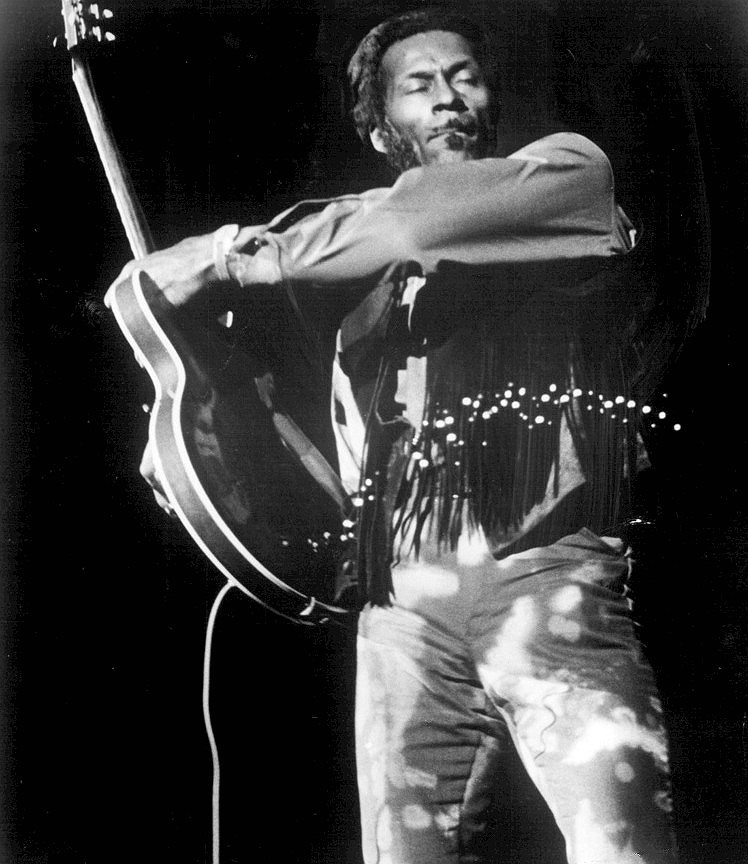
Chuck Berry arrived shortly after, bringing a frantic, teenage energy to the South Michigan sessions. His 1955 hit "Maybellene" climbed to number two on the Billboard R&B charts. The recording captures a specific, driving guitar tone that sounds like a car speeding down a rain-slicked highway. It possessed a clarity and a snap that defined the transition from blues to rock and roll.
The studio operated with a sense of urgent, unscripted motion. Musicians often recorded late into the night, fueled by adrenaline and cheap bourbon. This lack of formal structure allowed for the happy accidents that define the Chess catalog. A missed note or a heavy breath became part of the song's authentic character.
The Sonic Signature of the RCA 77-DX
Microphones sat on heavy iron stands, waiting to catch the grit. The engineers relied heavily on the RCA 77-DX, a ribbon microphone that captured a thick, velvety texture. This specific mic smoothed out the harsh highs of electric guitars while emphasizing the low-mid punch. It gave the blues a warmth that felt like a physical embrace.

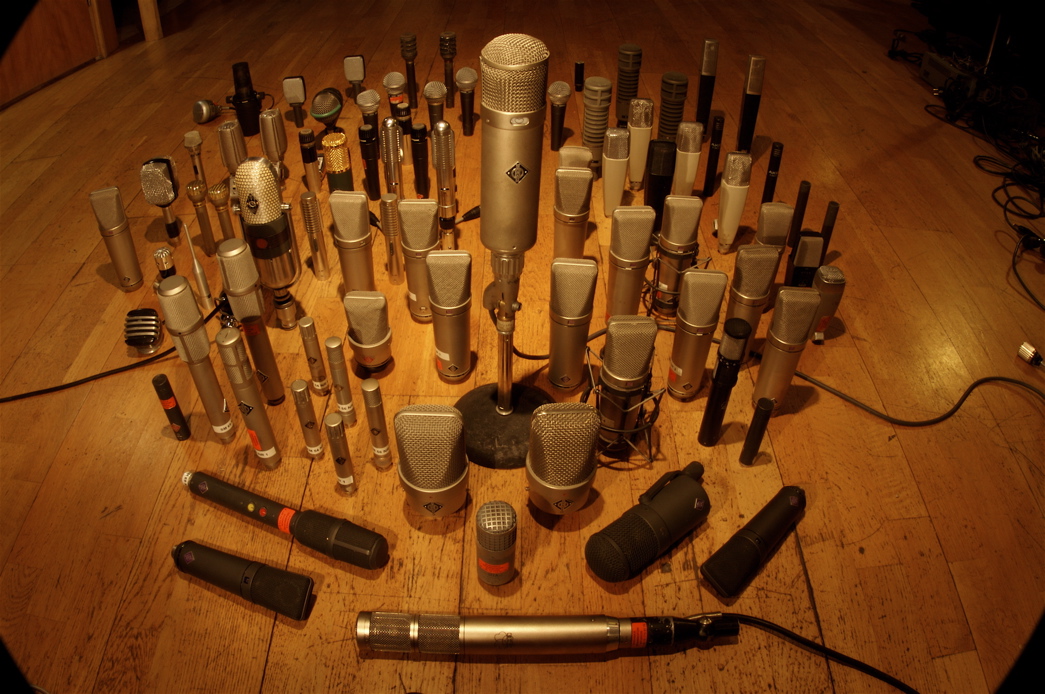
Engineers like Sidney Burton knew exactly how to position these ribbons to capture the room's soul. They placed mics close to the amplifiers to grab the immediate bite of the signal. Then, they pulled back to let the natural reverb of the South Michigan studio bleed into the tracks. This technique created a sense of space that felt both intimate and cavernous.
Little Walter played the harmonica through a microphone that sounded like a distorted roar. His 1952 recording of "Juke" remains the gold standard for amplified blues harmonica. The track features a tone so thick and wet it feels like it could coat your lungs. It represents the absolute peak of the label's electric blues era.
I wanted to make the harmonica sound like a fucking saxophone, something that and could scream and moan just like a horn section in a big band.
The sound of the RCA 77-DX allowed for this sonic transformation. The ribbon mic handled the aggressive transients of Walter's playing without breaking into thin, metallic frequencies. It captured the way the reeds vibrated under heavy breath. Every note of "Juke" carries a weight that demands your full attention.
The engineers treated the studio like a single, massive instrument. They did not just record individual players; they recorded the interaction between the musicians and the microphones. The interplay between the heavy bass lines and the piercing harmonica created a sonic tension. It was a balanced, aggressive, and deeply textured way to engineer a hit.
The Era of High-Fidelity Grit
The mid-1950s represented a period of immense creative output for the Chess brothers. They possessed an uncanny ability to identify talent before the rest of the world caught on. During this time, the label's output felt consistent, powerful, and utterly unstoppable. The recordings from this era possess a specific, high-fidelity grit that modern digital recreations struggle to mimic.
Muddy Waters recorded much of his most important work during this golden window. His 1954 album, At Newport, displays the label's ability to document raw, unadulterated blues. The tracks sound massive, with a rhythm section that hits with the force of a sledgehammer. You can hear the deliberate, heavy swing of the drums in every take.
The production style favored a front-and-center approach for the lead instruments. The guitars sat right against the listener's ear, often accompanied by a biting, distorted edge. This was not a polished, polite recording style; it was an assertive, loud, and unapologetic way to present the blues. It forced the listener to confront the music's intensity.
Every session felt like it could produce a classic. The label's roster included legends who were simultaneously reinventing their own sounds. They moved away from the acoustic traditions of the Hyperion and embraced the electric possibilities of the city. This transition required a specific kind of sonic bravery from the producers and engineers.
The masters from this era contain a level of dynamic range that is breathtaking. The quiet moments of a solo harmonica are just as impactful as the full-band crescendos. There is a physical presence to the sound that makes the music feel alive. It is a period of recording where the technology and the talent were in perfect, accidental alignment.
Corporate Chaos and the Erosion of Archives
Ownership changes began to erode the stability of the Chess archives in the late 1960s. The transition from the Chess brothers to GRT Holdings introduced a period of profound organizational instability. This shift moved the masters away from the hands of the people who understood their true value. Corporate interests began to prioritize ledger sheets over the preservation of musical heritage.
GRT Holdings managed the catalog with a focus on acquisition and distribution rather than archival care. The physical movement of tapes between different corporate offices created immense logistical risks. During this era, the tapes functioned as mere assets rather than irreplaceable cultural artifacts. This period of neglect directly contributed to the loss of many original recordings.
The arrival of MCA Records in the late 1970s added another layer of complexity to the archives. As the catalog moved through various corporate hands, the chain of custody for the original masters became blurred. Tapes sat in boxes, moved, and sometimes simply forgotten in damp warehouses. The lack of a dedicated, singular mission for preservation allowed for widespread errors.
The administrative chaos of the 1970s meant that many masters were likely mislabeled or misfiled. An engineer might find a reel and have no idea which session it belonged to. Without the context of even the original studio environment, the importance of these specific takes was often overlooked. The institutional memory of 2120 South Michigan Avenue began to fade.
The financial pressures of large-scale music corporations rarely allow for the expensive upkeep of magnetic tape. Keeping tapes at a constant temperature and humidity is a costly, labor-intensive process. Under GRT and later transitions, the physical health of the Chess Records master tapes began to decline. The very foundation of the blues archive faced a constant threat from corporate indifference.
The Chemical Decay of the Blues
Physical degradation became an invisible enemy within the Chicago vaults. Max Martin, a prominent music historian and archivist, has documented the devastating physical displacement of these blues and R&B masters. He has tracked how the movement of the archives led to the literal decay of the music. The tapes were not just being lost; they were actively decomposing.
Acetate and polyester bases react poorly to fluctuating environments. When humidity spikes, the layers of the tape can physically separate, a process known as sticky-shed syndrome. This makes the tapes unplayable without expensive, specialized restoration. Many of the most important blues sessions likely succumbed to this chemical breakdown before anyone noticed.
The loss of the original masters means we may never hear the true, uncompressed versions of certain tracks. We often hear second-generation copies or inferior dubs. These inferior versions lack the low-end punch and the high-end clarity of the original 2120 South Michigan sessions. The soul of the music is literally evaporating from the physical record.
The disappearance of these tapes is a tragedy of cultural proportions. We are losing the ability to study the nuances of the original performances. The subtle textures of a distorted guitar or the breath of a harmonica player are lost in the hiss of lower-quality copies. Every lost reel is a hole in the history of American music.
Some masters vanished during the chaotic moves between various corporate owners. It is entirely possible that entire sessions simply went missing during a truck transfer or a warehouse reorganization. The lack of a centralized, digital tracking system during the late 20th century made this loss nearly impossible to quantify. We only know what remains, not what was taken.
Salvaging the Sonic Fragments
Universal Music Group now holds the keys to the remaining Chess catalog. As the current owner, they have initiated a massive reorganization and digital preservation effort. This project aims to mitigate further loss of the remaining physical assets. They are working to stabilize the tapes and create high-resolution digital backups for the future.
The process of digital archiving is a race against time and chemistry. Engineers must carefully clean each reel and use specialized playback machines to capture the signal. Every second of playback carries a risk of further damage to the fragile magnetic coating. The stakes for every single session are incredibly high.
Digital preservation allows for the reconstruction of the sonic experience. We can now use modern technology to remove tape hiss and repair certain types of degradation. While it cannot replace the original physical contact with the tape, it preserves the performance. It ensures that the grit of the Chicago blues survives the era of digital decay.
The work being done today is about salvage and respect. It is about honoring the work of the Chess brothers and the musicians who poured their lives into those microphones. By digitizing these fragments, we prevent the permanent silence of the blues. We keep the heartbeat of 2120 South Michigan Avenue audible for the next generation.
The battle for the archives is far from over. As long as the physical tapes exist, they remain vulnerable to the elements and human error. We must continue to value the physical history of music as much as the digital convenience. The blues deserves more than just a digital ghost; it deserves a permanent, clear, and powerful presence.