Forgotten Basslines That Defined the Post-Punk Era
Stockport, 1979, felt cold even inside the walls of Cargo Studios. Martin Hannett sat behind the mixing desk, obsessing over the separation of every frequency. He wanted space between the instruments. He wanted the listener to feel the physical distance between a drum hit and a guitar scrape. On the Unknown Pleasures sessions, he achieved something terrifying. He pushed the low end forward until it felt like a physical presence in the room.
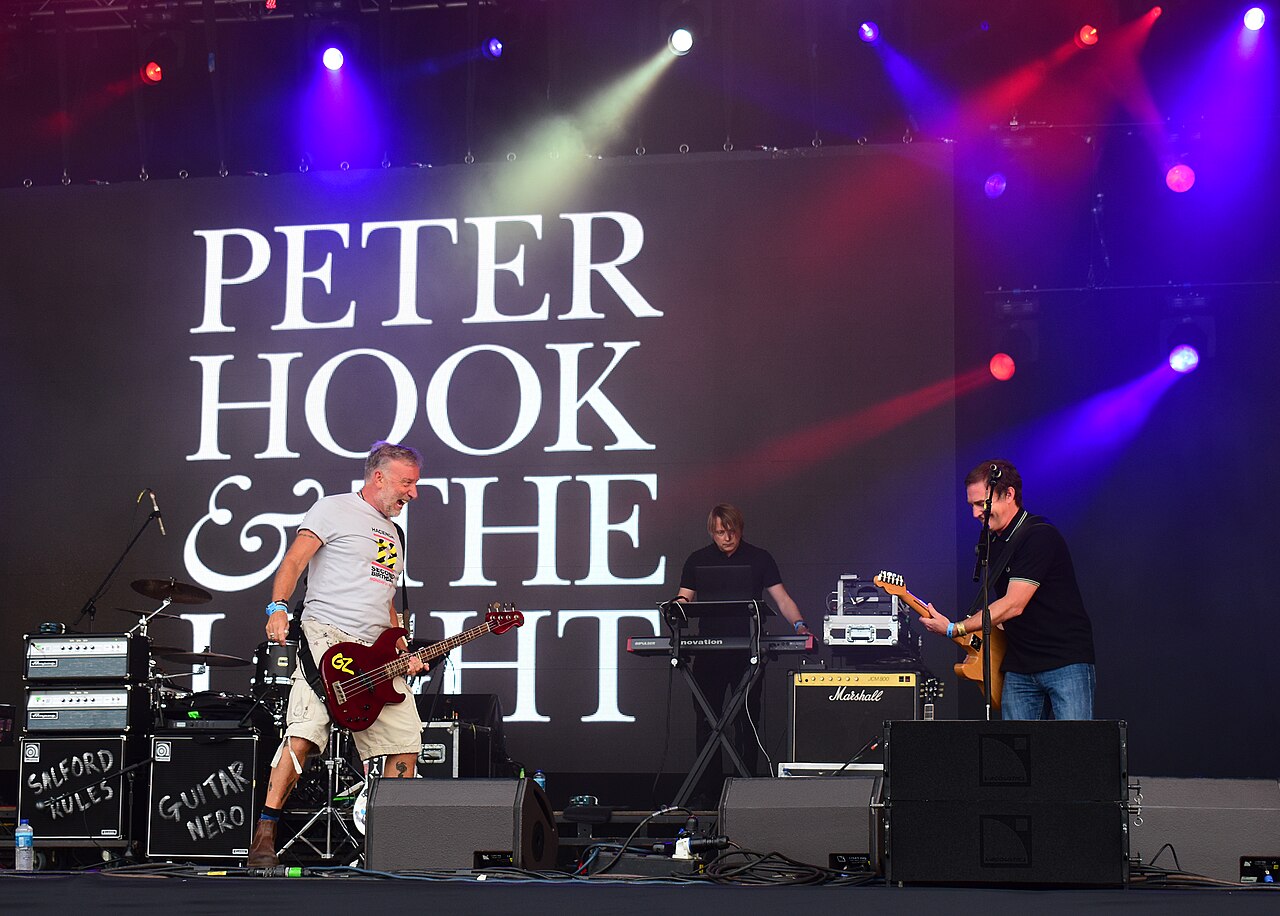
Peter Hook gripped his Fender Precision Bass with a grimace. He did not play like a traditional rhythm player. He ignored the low, thudding roots that anchored most punk bands of the late seventies.
Instead, he climbed the neck. He played high-register, melodic lines that danced above the gloom of the rhythm section. This approach created a sense of vertigo. It made the listener feel like they were falling through a dark, empty space.
Joy Division changed how we perceive the electric bass. The 1979 release of Unknown Pleasures on Factory Records turned the instrument into a lead voice. Hook used the upper frets to create melodies that competed with Bernard Sumner's sparse guitar. This tension defined the early post-punk basslines that would haunt the next decade. He did not focus on support. He focused on confrontation.
The collaboration between Ian Curtis and Hook reached a peak on the 1980 single "Love Will Tear Us Apart." The track featured a melodic, interlocking movement. The bass did an incredible job of driving the song forward with a sense of desperate urgency. The way the bass note rang out against the drum beat provided a blueprint for every moody band that followed.
Peter Hook and the High-Register Revolution
Manchester in 1979 was a city of industrial decay. The music reflected this rot. When Hook played those high notes, they sounded like sirens in a deserted street. He abandoned the duty of the "thump." He treated the bass like a second vocalist. This departure from the blues-based traditions of the previous era felt radical.
Hannett's production at Cargo Studios amplified this effect. He isolated the bass frequency. He stripped away the muddy mid-range that usually clutters a rock mix.
This gave the Fender Precision Bass a sharp, metallic edge. You could hear every finger pluck. You even heard the vibration of the string against the fret. It made the music feel skeletal and dangerously thin.
Many bands tried to mimic this high-end attack. They failed because they lacked the specific tension of the Joy Division lineup. Hook's lines worked because they had to fight for space against the drums. The bass occupied a frequency usually reserved for guitars. This forced the rest of the band to play with more restraint. It created a vacuum that the listener's ear naturally rushed to fill.
Every band that uses the bass as a melodic lead owes a debt to these Stockport sessions. It changed the hierarchy of the rock band. The rhythm section was no longer just a foundation. It became the architecture of the song itself.
The Funk and Aggression of Gang of Four
Leeds, 1979, brought a different kind of heat. While Manchester was cold and atmospheric, Gang of Four arrived with a jagged, rhythmic bite. Their debut album, Entertainment!, sounded like a machine breaking apart. Dave Allen played the bass with a precision that felt almost surgical. He did not care about melody as much as he cared about impact.
Allen drew heavily from the rhythmic precision of James Brown and the disco era. He stripped the funk of its warmth. He replaced it existing warmth with a dry, aggressive attack.
His lines were percussive. They hit the listener like a rhythmic slap. Every note felt intentional and hard-edged. There was no room for sloppy playing in this arrangement.
The guitars in Gang of Four functioned like percussion instruments. They scraped and barked. This left Allen with the task of providing the groove. He used a tight, interlocking style that kept the energy high even when the songs felt sparse. It was a danceable form of protest. You could move to it, but you felt the political weight of every beat.
This approach brought a much-needed funk influence to the post-punk era. It prevented the genre from becoming too inward-looking or overly atmospheric. Allen proved that you could be experimental and danceable at the same time. His basslines provided the structural integrity for the band's chaotic sonic experiments.
"I've always been interested in the idea that the bass is the most important part of the groove. If the bass is wrong, the whole song is wrong."
Dave Allen's philosophy was evident in every track on Entertainment!. He treated the bass as the primary driver of the song's momentum. The precision of his playing demanded a certain level of discipline from the rest of the band. He played with a difficult intensity, but the results hit hard.
Simon Gallup and the Dark Textures of Gloom
London, 1982, saw the arrival of a much deeper shadow. The Cure were moving away from their psychedelic roots into something much more oppressive. The album Pornography arrived like a heavy fog. It was a dense, suffocating record. Simon Gallup acted as the engine of this darkness. He provided the low-end weight that made the album feel so heavy.
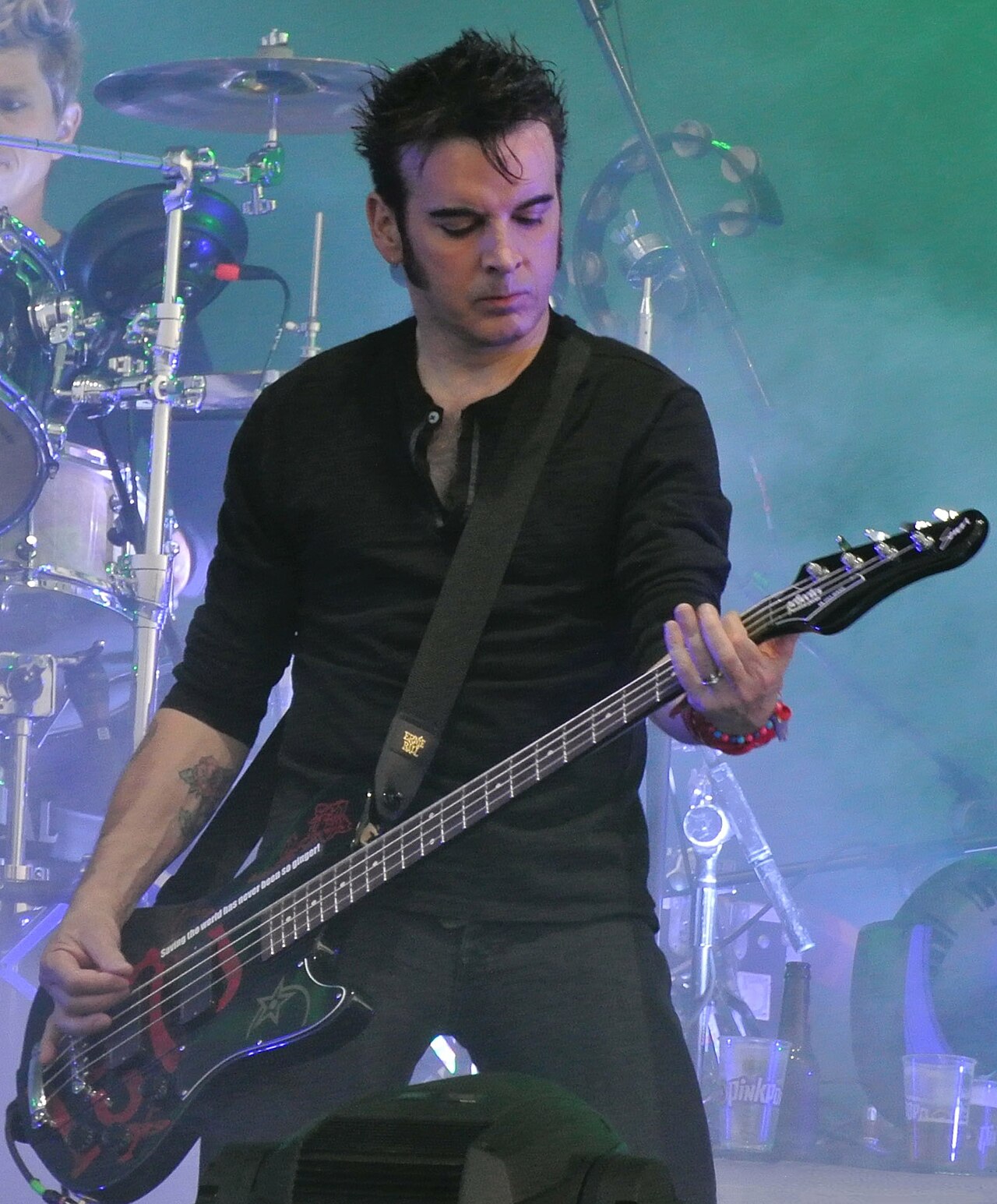
Gallup utilized heavy chorus and flange effects on his bass. This created a swirling, liquid texture. On tracks like "The Figurehead," the bass does not just sit in the mix.
It moves through it. The effect makes the instrument sound larger than life. It creates a sense of dread that is almost physical. You can feel the notes expanding and contracting.
The basslines on Pornography are driving and relentless. They provide a steady, dark pulse underneath the crumbling guitar textures. This was not about melody in the Hook sense. This was about atmosphere and density. Gallup used the low end to create a sense of claustrophobia. He made the listener feel trapped within the song.
The production on this record emphasizes the grit. The bass sits low in the mix, but it possesses a massive, thudding presence. It feels like something moving underneath the floorboards. This era of The Cure defined the gothic-post-punk aesthetic. It proved that the bass could be both a rhythmic anchor and an atmospheric tool.
Listeners often focus on Robert Smith's vocals or his fractured guitar work. They miss the fact that Gallup's bass is the true protagonist. Without that heavy, flange-disguised foundation, the album would lose its teeth. It is the bass that provides the gravity for Smith's descent into madness.
Mick Karn and the Fretless Jazz Influence
Japan, 1981, moved the genre in an entirely different direction. While other bands were leaning into punk aggression or gothic gloom, Mick Karn was looking toward jazz. The album Tin Drum was a masterpiece of restraint and complexity. Karn brought a fluid, almost liquid quality to the bass. He utilized the fretless bass to achieve this effect.
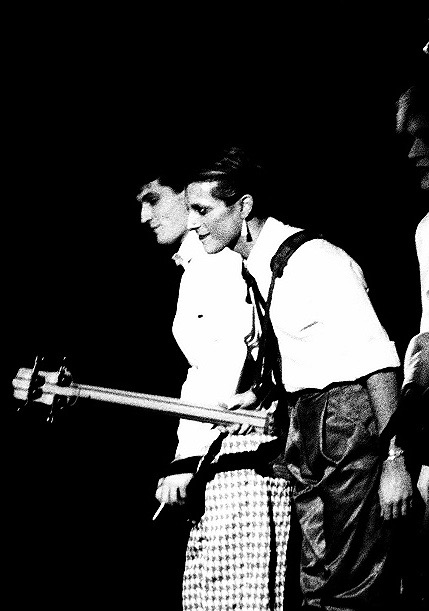
The sound of a fretless bass is unmistakable. It has a sliding, vocal quality. It lacks the hard, percussive attack of a fretted instrument. Karn used this to introduce a jazz-inflected complexity to the band's sound. He played lines that slid between notes, creating a sense of instability. It sounded like something organic moving through a digital landscape.
This approach moved the genre away from the standard aggression of the late seventies. Karn's playing was sophisticated. It required immense technical skill and a deep understanding of space. He did not just play notes; he played the spaces between them. His lines were serpentine and unpredictable. They forced the listener to pay attention to every microtonal shift.
The influence of Tin Drum spread far beyond the borders of the New Romantic movement. It showed that post-punk could be intellectually demanding and musically complex. Karn's basslines were not just rhythms. They were intricate compositions in their own right. He bridged the gap between art-rock and avant-jazz with ease.
The interplay between Karn's bass and David Sylvian's minimal arrangements was breathtaking. The music felt fragile, as if it might shatter at any an moment. This tension drove the album's success. It was a sophisticated departure from the raw energy of the years prior. Karn proved that the bass could be an instrument of extreme elegance.
The Dub Roots of The Slits and Siouxsie
Kingston to London, 1981, brought a collision of cultures. The Slits were part of a movement that looked toward reggae and dub for inspiration. Their release The Mad Butcher showcased a heavy, reggae-influenced approach. They merged punk energy with the rhythmic space of dub. They used its structural logic to rebuild the song.
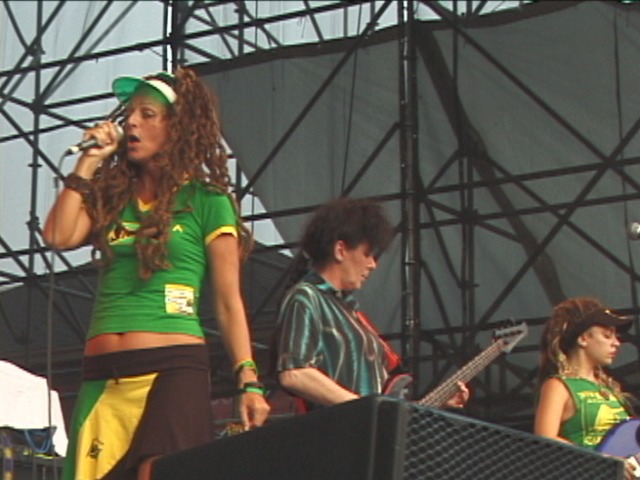
The bass in The Slits' music is massive. It occupies a deep, resonant space that allows the other instruments to breathe. They utilized the concept of "the drop." They would strip the music back to just the bass and drums, creating a sudden, jarring vacuum. This use of space was a direct lesson from dub producers like King Tubby.
Siouxsie and the Banshees were also exploring these rhythmic foundations. During the Join Hands era in 1980, the band's bass lines relied on a heavy, dub-influenced rhythm. This created a much more tribal and hypnotic sound. It moved away from the jagged edges of their early work toward something more atmospheric and rhythmic. The bass became the heartbeat of the band.
This period of the Banshees was defined by a sense of ritual. The basslines were repetitive and hypnotic. They provided a steady, pounding pulse that anchored the swirling, psychedelic guitars. This approach helped define the post-punk gothic aesthetic. It was music designed for movement, but a slow, ritualistic movement.
The connection between punk and dub is a vital part of this era's history. It brought a sense of depth and polyrhythm to a genre that could have easily become one-dimensional. By embracing the space and weight of reggae, these bands found a way to expand the sonic possibilities of rock music. They turned the bass into a tool for structural manipulation.
Bruce Foxton and the Motown Pulse of The Jam
London, 1979, saw a different kind of revival. The Jam were bringing the energy of 1960s Mod culture into the late seventies. On the album All Mod Cons, Bruce Foxton provided a melodic counterpoint to Paul Weller's sharp guitar work. His style was heavily influenced by the Motown sound. It was melodic, driving, and incredibly tight.
Foxton utilized driving eighth notes to maintain a constant forward momentum. This gave the band a sense of urgency. While Weller provided the grit and the lyrics, Foxton provided the pulse. His basslines were not just rhythmic; they were melodic. He often played lines that moved independently of the guitar, creating a rich, layered sound.
The influence of Motown is evident in his note choice and phrasing. There is a certain swing to his playing that distinguishes him from his more jagged post-punk peers. He understood the importance of the groove. He used the bass to bridge the gap between the drums and the melody. This made The Jam's music incredibly accessible without sacrificing its edge.
Foxton's playing was a masterclass in melodic bass work. He proved that you could be part of a high-energy punk-adjacent band while still maintaining a sophisticated, melodic sensibility. His ability to hold a groove while playing intricate lines was essential to the band's massive success in the UK charts.
The Jam's music felt rooted in a tradition, yet it felt entirely modern. Foxton's bass was the anchor that allowed Weller to experiment with different textures. It provided the necessary stability for the band's aggressive, mod-revivalist sound. Without that Motown-influenced pulse, the band would have lost its essential swing.
The Metallic Skeleton of Bauhaus
Bath, 1981, felt like a landscape of shadows. Bauhaus arrived with a sound that was skeletal and stark. Their album Savage provided a definitive moment for the gothic-post-punk crossover. The bass work on this record provided a metallic, structural foundation. It was not about warmth or groove. It was about cold, hard impact.
The bass in Bauhaus functioned like a structural beam. It was rigid and uncompromising. It provided a sharp, metallic edge that complemented the band's jagged guitar work. The notes were often short and percussive. There was no unnecessary ornamentation. The goal was to create a sense of dread and tension through minimalist repetition.
This approach defined the aesthetic of the early gothic scene. The bass was the skeleton upon which the rest of the band's atmospheric textures were hung. It was a heavy, clanging sound that felt industrial and alien. It stripped away the bluesy warmth of rock and replaced it with something much more clinical and frightening.
The interplay between the bass and the drums in Bauhaus was incredibly tight. It felt like a machine operating with precision. This rigidity was essential to the band's impact. It created a sense of inevitable, crushing weight. Every note felt like a hammer blow in a darkened room.
Bauhaus proved that minimalism could be just as powerful as complexity. By focusing on the most essential elements, they created a sound that was both haunting and physically imposing. The bass was the most vital part of that equation. It was the cold, hard bone that held the entire dark vision together.