The Lost 1974 Liverpool Session of The Beatles
Rain lashed against the windows of a nondescript brick building in Liverpool throughout October 1974. Inside this small, private studio, the air tasted of stale cigarette smoke and expensive tea. Four men sat in a room that had not held their collective magic for five years. They were no longer the unified front that conquered the world in 1964. Instead, they were four solo artists, weary from the friction of independence, attempting to find a familiar frequency.
The Beatles 1974 Liverpool session remains the greatest ghost story in rock history. It exists only in the brief, cryptic recollections of those present. No master tapes live in the Apple Corps vaults. No bootleg vinyl surfaced in the decades of tape-trading mania that followed. We only know of this afternoon because of a few stray comments made by the survivors during later years. It represents a moment where the impossible happened: the four members of the greatest band in history occupied the same room since the bitter, exhausted days of the January 1969 Let It Be sessions.
Paul McCartney arrived with the polished confidence of a man who had just released Goodnight Vienna on Apple Records. John Lennon carried the heavy, experimental energy of his impending Walls and Bridges era. George Harrison brought a quiet, and spiritual stillness. Ringo Starr provided the steady heartbeat. They were not there to record a new album or announce a reunion. They were simply there to play.
October 1974 in Liverpool
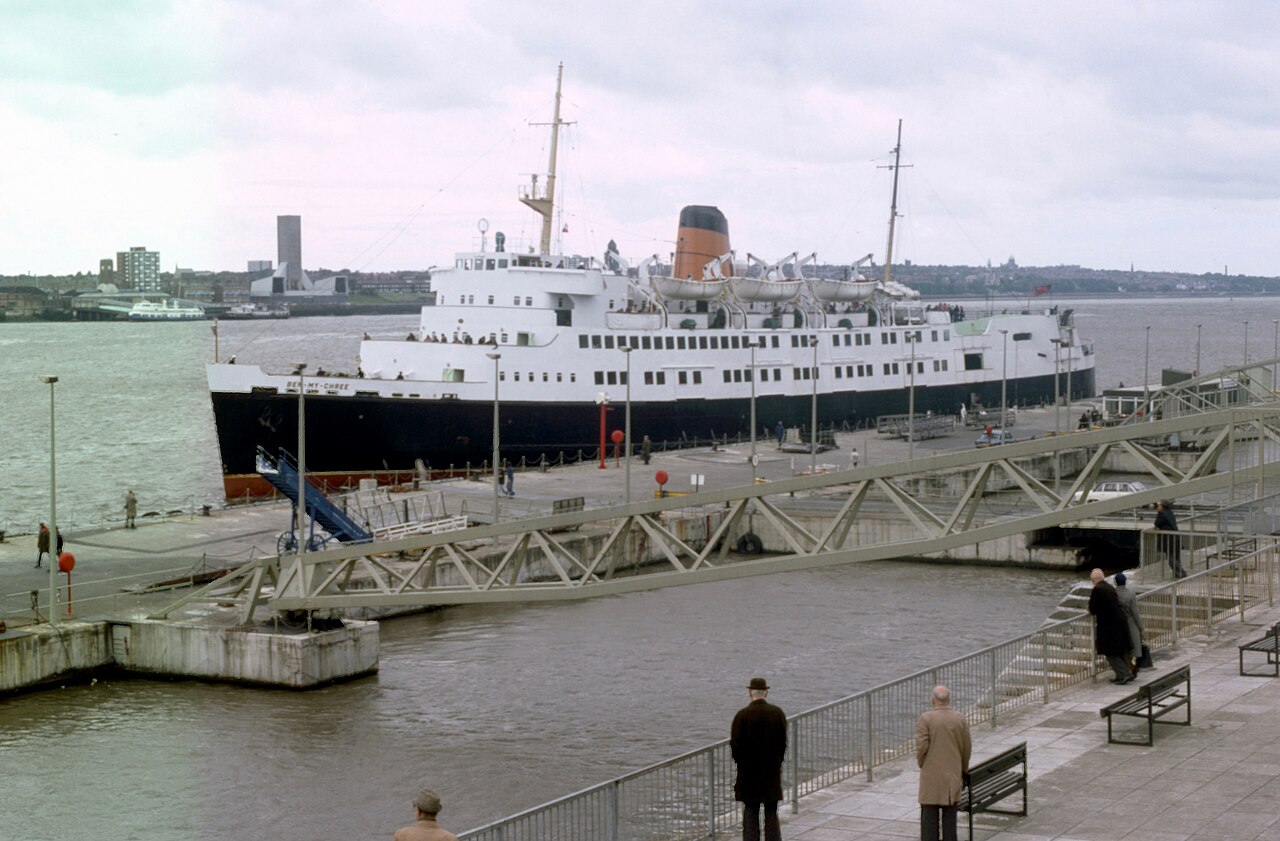
Liverpool felt different in 1974 than it did during the height of Beatlemania. The city was gritty, industrial, and largely indifferent to the legends living within its borders. The music industry was also in a state of massive transition. While the mop-top era felt like ancient history, the heavy, textured sounds of the mid-seventies dominated the airwaves. Soft rock and stadium anthems were beginning to take root in the UK charts.
John Lennon had spent much of the previous year in New York, absorbing the frantic, gritty energy of the American metropolis. His music was becoming more layered and complex. Paul McCartney was navigating the bright, pop-centric success of his solo work. George Harrison was deepening his interest in Indian classical influences and slide guitar precision. These were four distinct musical trajectories moving in different directions.
The decision to meet in Liverpool likely drove a隀a desire for anonymity. A small, private studio provided the necessary cover from the press. The band members wanted to avoid a spectacle. They needed a retreat. They needed a space where the weight of their shared legacy could be set aside for a few hours of pure, unadulterated musicianship.
The atmosphere in the city carried the grey, damp chill of autumn. No one expected a musical resurrection. No one predicted that a few hours of casual jamming would become the most debated session in the history of popular music. The members were simply reclaiming a piece of their shared childhood, away from the bright lights of London or the chaos of New York.
The Setup at the Private Studio
A modest control room housed the technical heart of the session. George Martin sat behind the console, assuming the role of session engineer rather than producer. He brought a familiar, professional discipline to the room. He did not use the massive, sprawling desks found at Abbey Road. Instead, he relied on a Studer A80 multi-track tape machine to capture the raw audio. This machine provided a thick, warm analog saturation that defined the era's high-end recordings.
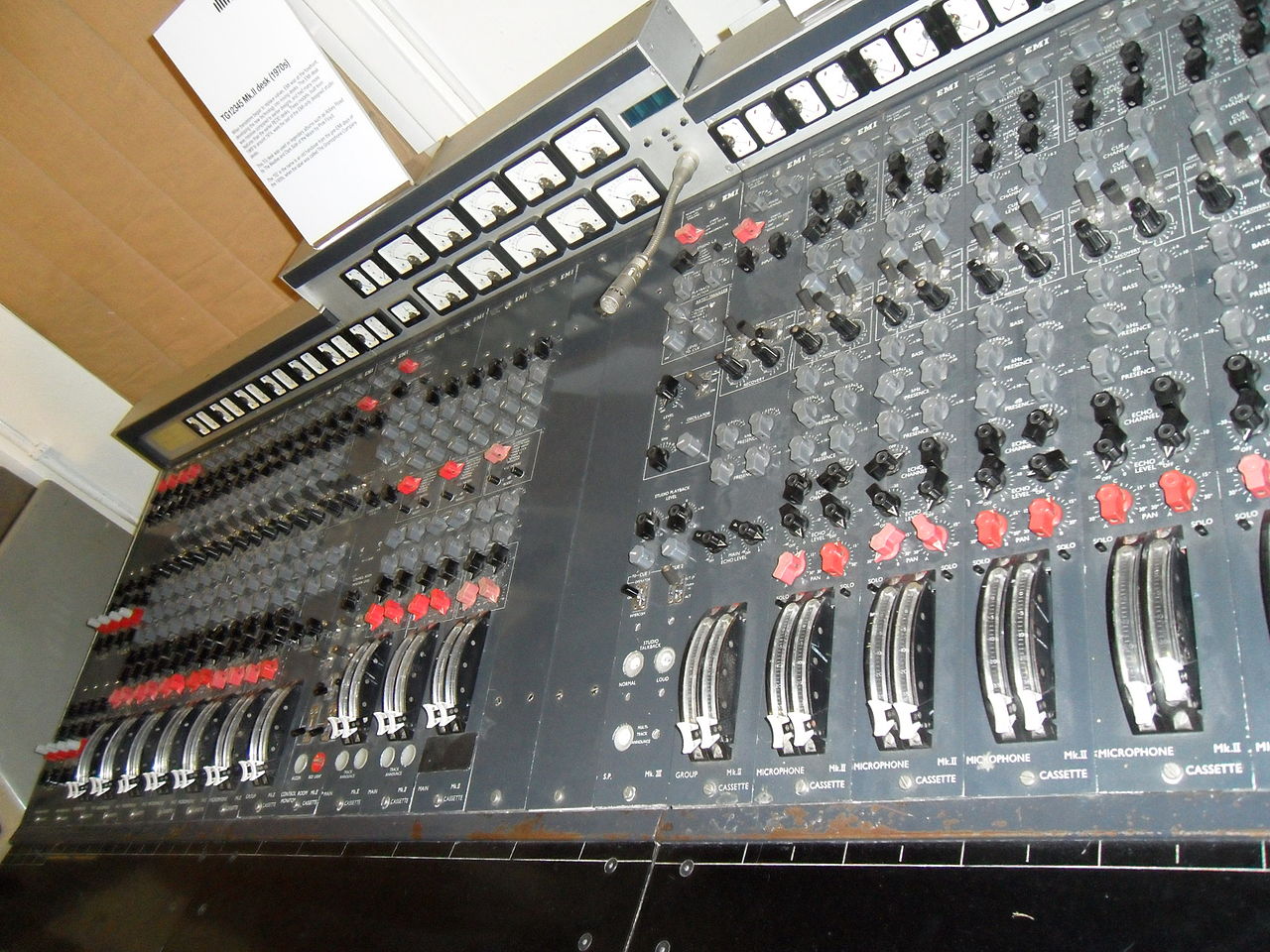
The signal chain stripped down to the essentials. You could hear the hum of the vacuum tubes and the physical click of the heavy tape reels. Martin focused on capturing the natural acoustics of the small room. He wanted the sound to feel immediate and unpolished. The setup lacked the glossy sheen of a major studio production. It felt like a demo, a document of a moment rather than a finished product.
Yoko Ono sat in the control room alongside George Martin. She functioned as an unofficial observer, her presence a silent constant in the room. Her presence reminded everyone of the complexities that had fractured the band. Her role that day remained purely observational. She watched the meters dance on the Studer machine, witnessing the reconstruction of a broken unit.
The musicians moved through the studio with a casual, almost hesitant energy. They were not following a pre-set tracklist. They were testing the limits of their current chemistry. Ringo Starr sat behind a standard Ludwig kit, but he was not alone. The session featured drummer Jim Keltner, who played alongside Ringo to create a thick, layered percussion sound on the drum tracks. This dual-drummer approach gave the rhythm section a massive, thudding weight that Ringo's solo playing rarely achieved on his solo records.
"We sat around a 1960s upright piano for a few hours, played some old standards, and just enjoyed the sound of the four of us again."
George Harrison reflected on this afternoon in a 1982 interview with Rolling Stone. His words paint a picture of a group attempting to find joy in the simplicity of music. There was no talk of contracts or comeback tours. There was only the sound of four men playing for themselves. It was a rare instance of pure, unselfish creativity from a group that had spent years fighting for dominance.
Recording Everlasting Love
The primary track recorded during this session was a rough, acoustic-heavy demo of "Everlasting Love." This was a Burt Bacharach and Hal David composition, a song that required a certain melodic grace. The arrangement stripped away the orchestral bombast often found in Bacharach's work. Instead, the band focused on the core melody and a rhythmic, folk-leaning pulse. It was an attempt to see if their individual styles could coalesce around a classic pop structure.
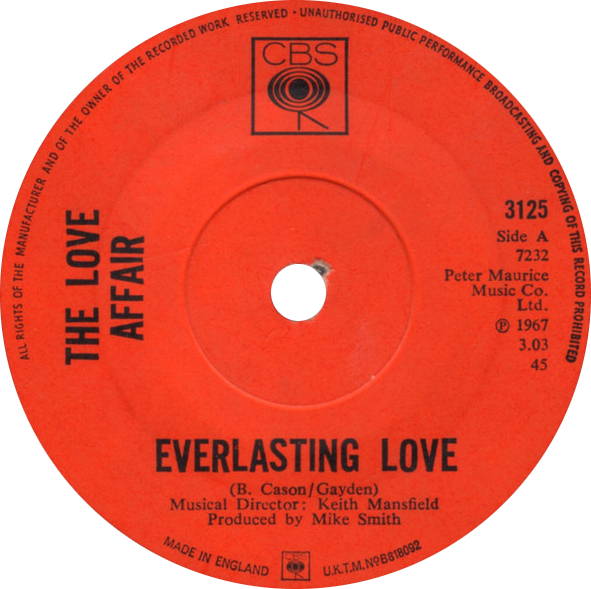
Paul McCartney took the lead on the piano, his fingers finding the familiar chord progressions with ease. The piano sound was bright and percussable, cutting through the low-end rumble of the drums. George Harrison added layers of acoustic guitar, his playing providing a rhythmic texture that bridged the gap between the piano and the percussion. The acoustic guitars buzzed with a light, metallic grit, like sunlight hitting broken glass.
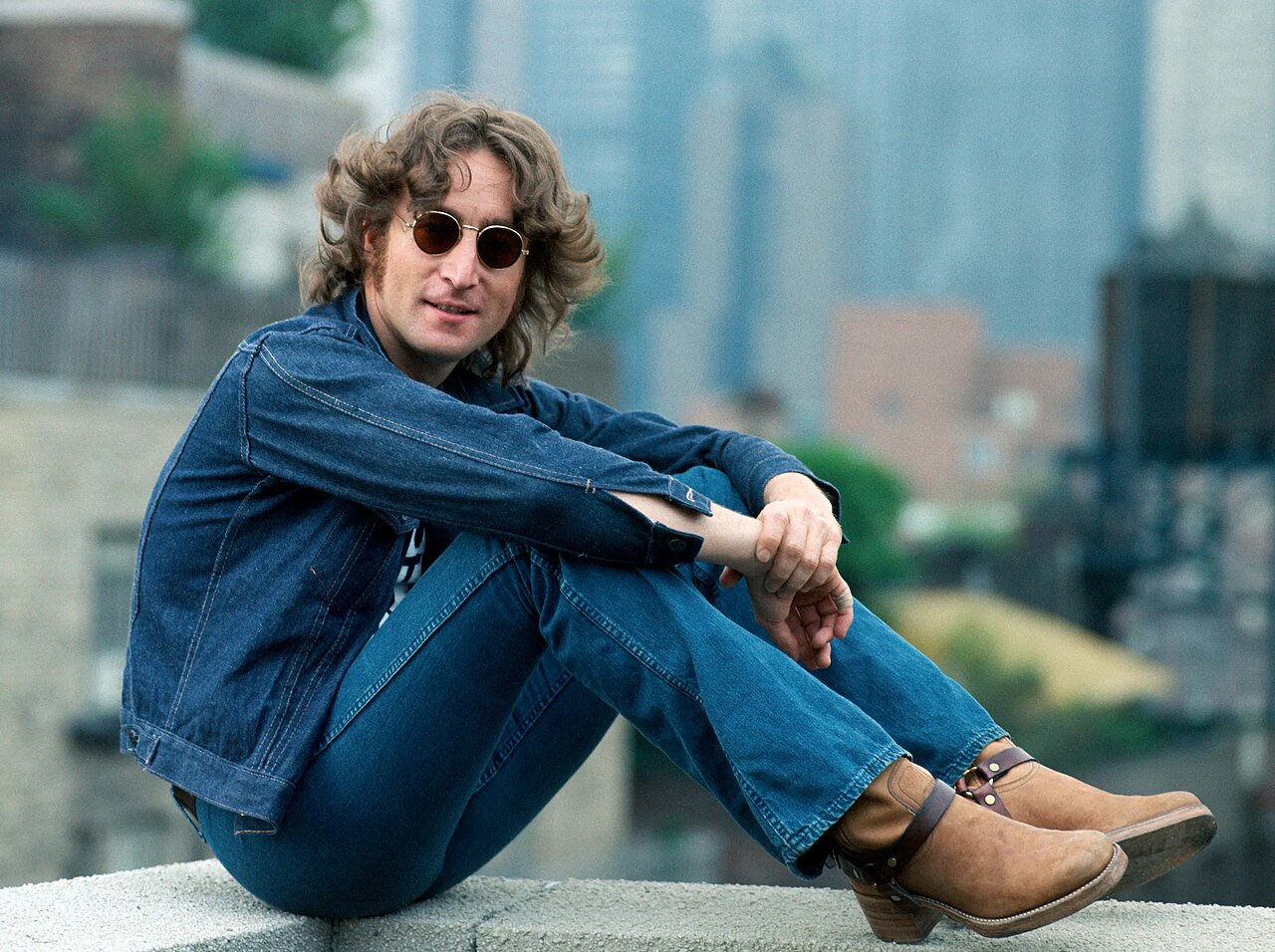
John Lennon contributed vocal harmonies that leaned into his raw, slightly raspy delivery. His voice lacked the polished sheen of his later work, but it possessed an urgent, emotive quality. When he sang the lyrics, you could hear the fatigue of his recent years, yet the melody remained intact. The track felt skeletal, a skeleton of a hit song held together by the sheer force of the drum and piano.
The percussion was the most striking element of the recording. The combination of Ringo's steady, metronomic beat and Keltner's more fluid, syncopated fills created a dense wall of sound. The drums hit like a heavy weight falling onto a wooden floor. It was a massive, physical presence that anchored the delicate acoustic guitars. This rhythmic density gave the demo a sense of momentum that most acoustic sessions lack.
Every note on the Studer A8 and the heavy tape seemed to carry a heavy weight. The recording captured the room's natural reverb, a damp, muffled sound that felt claustrophobic and intimate all at once. There were no overdubs to hide behind. If a note went sour, it stayed on the tape. This lack of artifice is precisely why the session remains so legendary. It was an honest, unvarnished attempt at being The Beatles one more time.
The Tension in the Control Room
The atmosphere in the studio was never entirely peaceful. Even in a moment of supposed reunion, the ghosts of 1969 and 1970 lingered in the corners. The control room felt small, and the presence of Yoko Ono added a layer of psychological weight. Every movement, every glance between the musicians, was scrutinized by those watching from behind the glass. The tension was not loud, but it was palpable, a low-frequency hum beneath the music.
George Martin worked with a focused intensity, trying to manage the technical demands of the session while navigating the interpersonal dynamics. He knew that any sudden movement could shatter the fragile peace. He kept the communication minimal, focusing on the levels and the tape speed. He acted as a buffer, a professional mediator between the egos in the room and the machine in front of him.
The musicians occasionally drifted into old habits. A shared joke would spark a brief, genuine laugh, followed by a heavy, thoughtful silence. They were no longer a single unit, but a collection of powerful individuals trying to remember how to be a group. The music reflected this struggle. One moment, the playing was fluid and instinctive; the next, it felt hesitant, as if they were testing the ground before stepping forward.
The interplay between Lennon and McCartney remained the central axis of the session. Even when they were playing in harmony, the underlying competition was visible. You could see it in the way Paul pushed the tempo and John leaned into the more dissonant, bluesy notes. It was a battle of aesthetics played out through Fender Telecasters and upright pianos. The music was beautiful, but it was a beauty born of friction.
The session was a strange, ephemeral thing. It lacked the grandiosity of their mid-career peaks. It was not about changing the world; it was about surviving the present. The tension was the very thing that gave the recordings their character. Without that underlying struggle, the session would have been just another rehearsal. Instead, it was a high-stakes negotiation with their own history.
The Final Discord and the Missing Tapes
The end of the session arrived not with a fade-out, but with a sudden, sharp fracture. The group attempted to move into a second, unreleased blues arrangement. This piece was much more aggressive than the Bacharach demo. It required a tight, synchronized rhythmic shift that the band simply could not agree upon. The disagreement centered on the tempo of the blues track, a classic point of contention for the group.
John Lennon pushed for a slower, more dragging, heavy-blues feel. He wanted the music to breathe with a certain lethargic, psychedelic weight. Paul McCartney, however, insisted on a more driving, upbeat tempo that maintained a sense of pop momentum. The argument escalated quickly. The casual atmosphere evaporated, replaced by the sharp, stinging words that had characterized their final years as a band. The musicians stopped playing, and the silence in the studio became deafening.
No one knows exactly what happened after the argument broke out. Some accounts suggest they simply packed up and left, the session dissolved by the weight of their old animosities. Others suggest a period of sullen, silent work continued before the final departure. Whatever the case, the session ended abruptly. The magic was gone, replaced by the reality of four men who had outgrown the structure of a band.
The fate of the recordings is the ultimate mystery. No master tapes from this session have ever surfaced in the Apple Corps archives or the private collections of the surviving band members. There are no degraded cassettes circulating in the underground. The Studer A80 tapes from that October afternoon have vanished. They may have been lost in a studio move, destroyed by magnetic degradation, or perhaps they were intentionally erased to protect the privacy of the participants.
This loss only adds to the mythic status of the Liverpool session. It remains a phantom limb of the Beatles' discography. We can feel the shape of it through the stories, but we can never touch the actual sound. The disappearance of the tapes ensures that the session will always remain perfect in our imaginations. It stays a moment of pure, unrecorded potential, forever suspended in the damp Liverpool air of 1974.
The 1974 session stands as a reminder that some of the most important moments in music history are the ones we can never truly hear. It was a brief, flawed, and beautiful attempt at reconciliation. It proves that even when the music stops and the tapes vanish, the impact of a single, shared moment can resonate for decades.