From Pub Rock to Punk: The British Underground Evolution
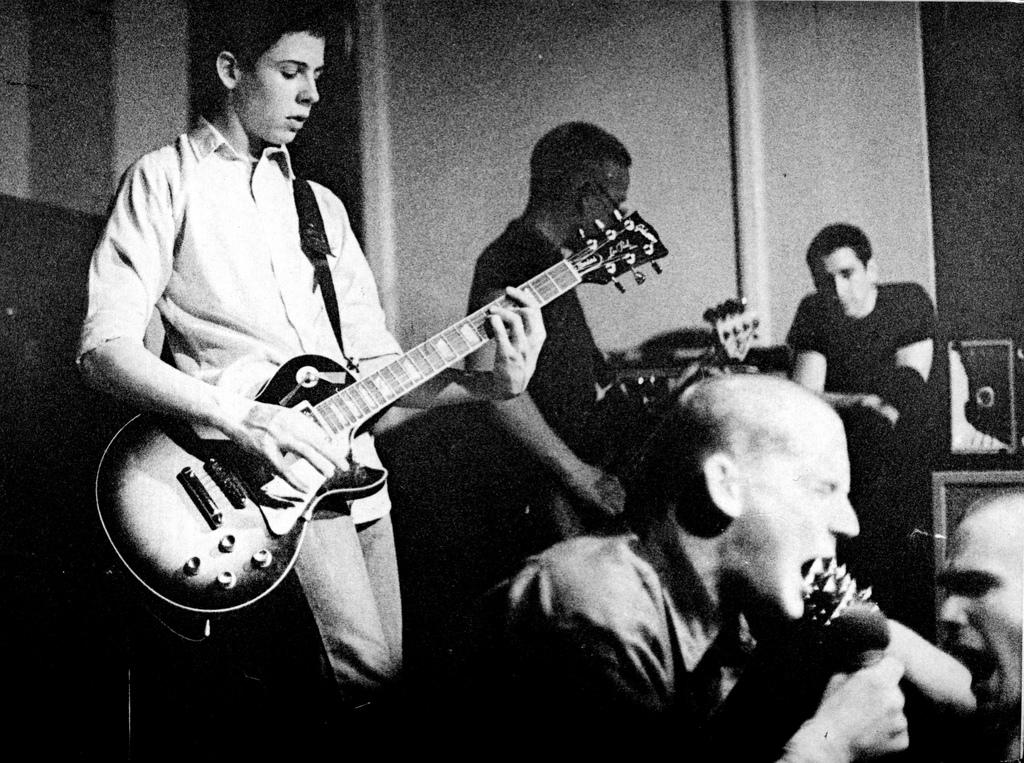
London, 1975. The air inside a cramped, smoke-choked pub smells of spilled bitter and stale sweat. On a tiny, makeshift stage, Wilko Hickman strikes a Telecaster with rhythmic, percussive precision. This sound rejects the bloated progressive rock of the era. No twenty-minute synthesizer solos or concept albums about wizards interrupt the set. This is the raw, stripped-back reality of the British underground, a movement transitioning from Pub Rock to Punk through sheer, unadulterated grit.
Dr. Feelgood defined this era with surgical intensity. Their 1975 album, Malpractice, released on Chiswick Records, provides the definitive blueprint for the pub rock sound. Hickman played his guitar with a unique, finger-style technique that functioned more like a percussion instrument than a melodic lead. He attacked the strings to create a sharp, staccato attack that cut through the noise of a crowded room. This sound stripped rock and roll back to its skeletal, R&B foundations.
Chiswick Records provided the essential infrastructure for this movement. The label understood that the music did not need massive marketing budgets or glossy studio sheen. It needed grit and a direct line to the fans. The band played bars that felt more like community centers than concert halls. Every note felt urgent, as enough musicians tried to finish the set before the landlord kicked them out.
The music relied on a specific, driving energy. It drew heavily from the blues and early rock and roll, but it stripped away the pretension. You could hear the influence of Chuck Berry in every frantic riff. This wasn't about virtuosity for the sake of ego. It was about the physical impact of the beat and the sharp, biting edge of the guitar tone. The pub rock scene provided the DNA that the next generation would mutate into something much more dangerous.
The Chiswick Blueprint and Dr. Feelgood
Wilko Hickman's guitar work on Malpractice changed how musicians approached the instrument in small clubs. He eschewed the heavy, sustained notes popular in blues-rock. Instead, his playing featured rapid-fire, rhythmic picking that mimicked a drum kit. This percussive style forced the rest of the band to tighten their playing. The rhythm section had to lock in with his jagged movements to prevent the song from falling apart.

Dr. Feelgood brought a sense of danger back to the stage. They played with a frantic, nervous energy that mirrored the economic stagnation of mid-70s Britain. The tracks on Malpractice vibrated with a restless, trapped power. You could hear the tension in the tracks, a sonic representation of a generation with very little to lose. It was music for the working class, played by people who looked like they belonged in the audience.
The Chiswick Records roster became a sanctuary for this no-nonsense approach. The label focused on the immediate, visceral impact of the music. They avoided the overproduced artifice that dominated the mainstream charts. This allowed bands to maintain an authentic, unpolished edge. The records sounded like the live shows, capturing the heat and the friction of a pub floor.
Fans gravlarited to this lack of pretension. They wanted music that reflected their own lives, not some distant, mythical fantasy. The pub rock scene stayed grounded in the physical reality of London. It was a music of the streets, played in the corners of the city where the lights flickered and the beer was cheap. This foundation prepared the ground for a much more explosive, much more nihilistic arrival.
The 100 Club: London's Underground Incubator
Great Newport Street hosted the epicenter of this transformation. The 100 Club acted as a pressure cooker for every emerging talent in London. One night, you might see the pub rock antics of Kilburn and the Saints. The next, you could witness the first jagged tremors of the 1976 punk explosion. The club provided a consistent, cramped space where the old guard and the new rebels shared the same floorboards.

Kilburn and the Saints brought a sense of theatricality to the club. Ian Dury, the frontman, possessed a lyrical wit that was both biting and deeply rooted in London street culture. His lyrics moved between humor and social observation with ease. He could make a crowd laugh and then immediately make them uncomfortable. The band's sound acted as a bridge, maintaining the R&B roots of pub rock while hinting at the aggressive delivery to come.
The transition from the pub rock era to punk lacked a clean break. It existed as a messy, overlapping period of experimentation. The 100 Club saw the gradual stripping away of melody in favor of pure, sonic confrontation. Musicians used the club to test the limits of how much noise and how much attitude a room could handle. The physical closeness of the performers and the audience removed the barrier between the stage and the street.
The club's atmosphere drove this evolution. The low ceilings and narrow corridors trapped the sound, making every drum hit feel like a physical blow. It was a space where the energy of the music could ferment and grow. Without the 100 Club's steady presence, the punk movement might have lacked the structural support it needed to find its footing. It served as the laboratory for the chaos that followed.
The Roxy and the 1976 Explosion
Oxford Street provided a new, more frantic setting for the movement. The Roxy, a small, gritty club, became the heart of the 1976 punk era. This was not a place for casual listening. It was a site of constant, high-energy movement. The bands playing here, like The Damned and The Clash, took the energy of pub rock and cranked the volume and the aggression to a breaking point.
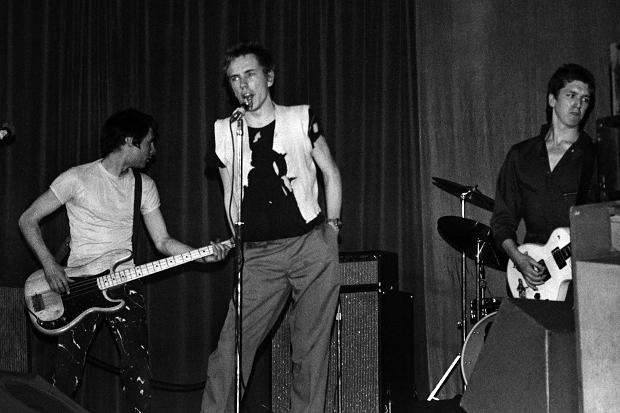
The 1976 "Live at the Roxy" recordings capture the raw, unpolished essence of this era. You can hear the sweat in the microphones. The guitars buzz like a horned insect trapped in a tin can, and the drums sound like they are pushing the limits of the room's acoustics. These recordings do not attempt to clean up the mess. They present the music exactly as it sounded in that small, crowded room, where the boundary between the band and the crowd simply did not exist.
The Damned brought a sense of gothic, high-speed energy to the Roxy. Their performances featured a frantic, almost manic pace. The Clash brought a sense of purpose and political weight. They took the raw energy of the scene and infused it with a sense of social urgency. The Roxy acted as the stage where these two different energies collided, creating a singular, explosive moment in British music history.
The club's physical environment helped define the punk aesthetic. The walls held posters and debris, reflecting the DIY nature of the movement. Everything about the Roxy felt temporary and urgent. It was a space that existed solely for the moment, a temporary sanctuary for a subculture that the mainstream media attacked. This sense of being under siege fueled the performances.
The Sound of Chaos: Marshall Stacks and Rebellion
Steve Jones changed the architecture of the punk guitar sound. He did not rely on complex chord progressions or subtle textures. Instead, he used a Marshall JCM800 stack to create a thick, overdriven wall of noise. This tone felt massive. It felt heavy, dense, and completely immovable. When he played the 1977 single "God Save the Queen," the guitar didn't just play notes; it occupied space.
The Marshall JCM800 provided the necessary weight for the Sex Pistols' sonic assault. The amplifier's ability to produce a thick, saturated distortion allowed the band to sound much larger than their small stage setups suggested. The midrange punch of the JCM800 cut through the frantic drumming of Paul Cook. It provided a stable, heavy foundation for the chaotic energy of the rest of the band. This was not polite rock and roll.
"No future, no future, no future for you!"
The sound of the Sex Pistols sought to confront. The combination of Jones's heavy, distorted riffs and Johnny Rotten's sneer, abrasive vocals created a sense of total sonic disruption. The music felt like it was breaking something. It was a direct, physical manifestation of the frustration and anger felt by a single generation of London youth. The sheer volume and density of the sound made it impossible to ignore.
This era of amplification changed how bands approached live performance. Musicians no longer cared about playing the notes correctly. They cared about the physical presence of the sound. The Marshall stacks became symbols of the movement's refusal to play by the rules. The loud, distorted, and unapologetic nature of the Sex Pistols' sound provided the perfect soundtrack for a period of intense social and political upheaval in the UK.
From King's Road Fashion to National Scandal
Malcolm McLaren understood the power of the visual. He did not just manage a band; he curated a lifestyle. Using the "Seditionaries" boutique on King's Road, he used fashion to visually define the punk movement. The clothes were ripped, safety-pinned, and intentionally provocative. They acted as a visual extension of the music's aggression, a way to signal rebellion before a single note even played.
The Sex Pistols' appearance on the Grundy Breakfast Show on December 1, 1976, turned a subculture into a national crisis. The band's confrontational attitude and the chaotic nature of the interview caused an immediate media backlash. The UK press reacted with a mixture of horror and fascination. This moment catapulted the band from a London phenomenon to a national scandal, forcing the entire country to acknowledge the existence of the punk movement.
The fashion of the King's Road stayed inseparable from the music. The aesthetic embraced a deliberate ugliness and DIY construction. It rejected the polished, mass-produced look of the mainstream. By wearing clothes that looked like they came from a bin, the punks made a political statement about class and consumption. McLaren's genius lay in his ability to package this rebellion into a recognizable, marketable identity.
The backlash from the media only strengthened the movement's resolve. The more the mainstream media condemned the Sex Pistols, the more the youth embraced them. The scandal provided the visibility that the band needed to reach a wider audience. It turned the music into a symbol of a larger, more dangerous cultural shift that the establishment was not prepared to handle.
The Clash, Reggae, and Political Urgency
Joe Strummer looked backward to move forward. He often cited the influence of R&B and blues-based artists like Chuck Berry as the foundational DNA for the London punk sound. This connection to the roots of rock and roll kept the music grounded, even as it pushed into more experimental territory. The Clash did not just play punk; they expanded its boundaries to include the sounds of the streets they inhabited.
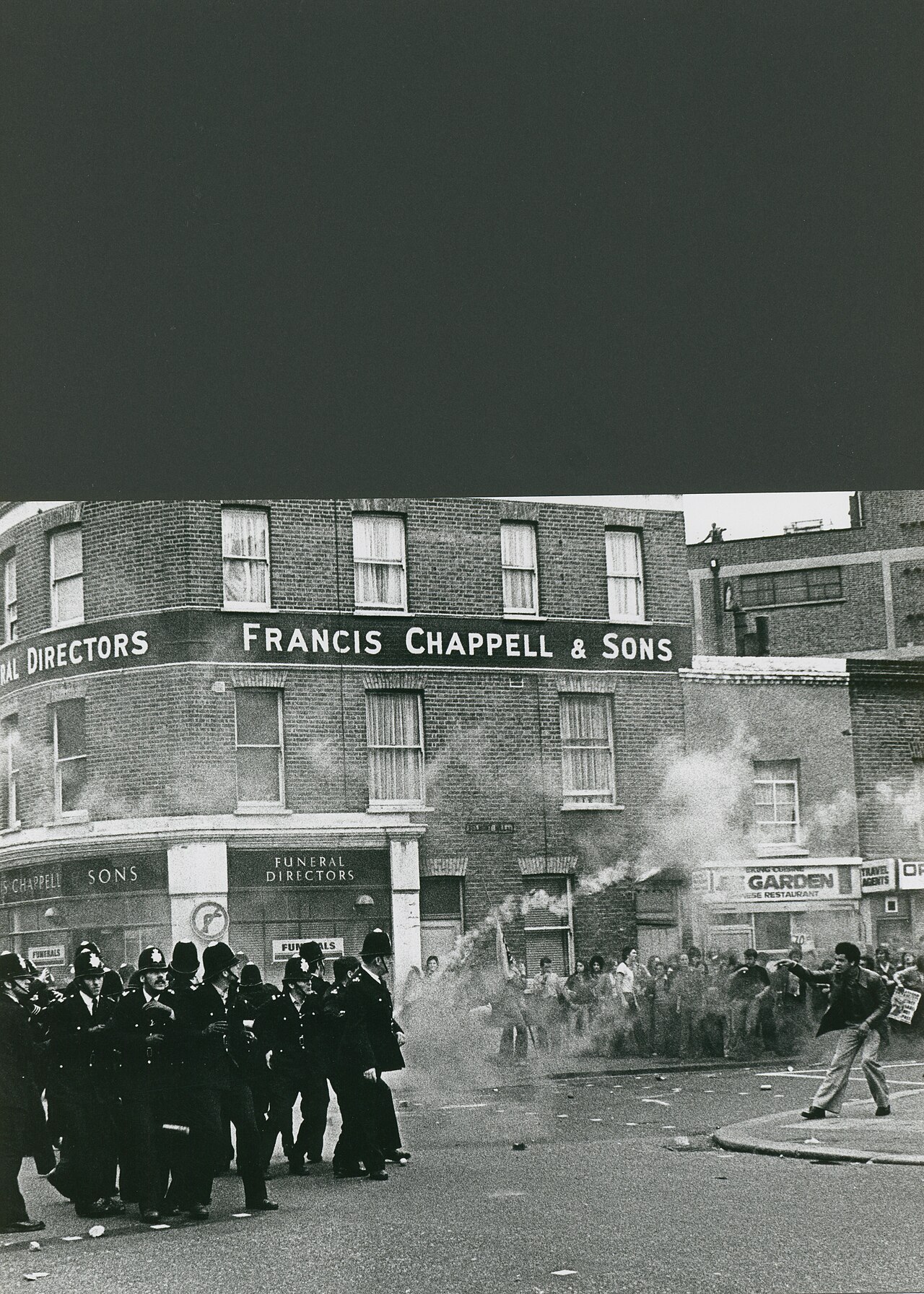
The Clash's 1977 self-titled debut, produced by Mickey Foote at Gooseberry Studios, incorporated reggae rhythms with a fierce, street-level political urgency. This was not a superficial adoption of a genre. They integrated the heavy basslines and offbeat rhythms of Jamaican music into their aggressive punk framework. This created a unique, hybrid sound that reflected the multicultural reality of London in the late 1970s.
Mickey Foote's production kept the sound raw and immediate. He did not try to smooth over the edges or polish the band's aggression. The recording captured the grit of the studio sessions, preserving the sense of a band playing with everything they had. The inclusion of reggae elements added a layer of rhythmic complexity that set The Clash apart from their more monochromatic peers. They remained musically literate even in their rage.
The lyrics of The Clash dealt with the realities of urban life, police brutality, and social inequality. They turned the protest song into something much more visceral and modern. By blending the energy of punk with the rhythms of reggae, they created a sonic language that could articulate the frustrations of a diverse, struggling population. Their music acted as a call to arms that felt both incredibly local and globally relevant.
Bridging the Gap: Ian Dury and the Aftermath
Ian Dury refused to stay in the shadows of the punk explosion. Formerly of Kilburn and the Saints, he emerged into the new era with a style that bridged the gap between pub rock's lyrical wit and punk's aggression. He possessed a unique, gravelly voice and a way of phrasing lyrics that felt like a conversation in a crowded pub. He brought a sense of character and storytelling back to the forefront of the underground.
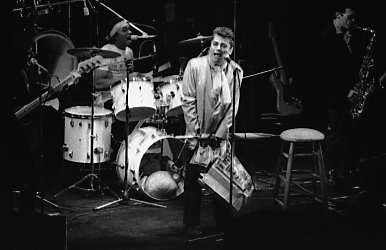
Sex & Drugs & Rock & Roll, released in 1979, remains a definitive statement of this era. The track captures the hedonism and the grit of the late 70s London scene. It is a song that celebrates the very elements that the mainstream media sought to destroy. Dury's lyrics are sharp, funny, and deeply rooted in the reality of the London streets, blending the swagger of rock with a sense of working-class irony.
The aftermath of the initial punk explosion saw a fragmentation of the underground. Some bands moved toward the more polished sounds of New Wave, while others leaned further into the experimental. Dury, however, maintained a connection to the fundamental energy of the pub rock era. He kept the focus on the lyrics and the groove, ensuring that the connection to the music's R&B roots remained intact even as the sounds around him changed.
The evolution from pub rock to punk lacked a linear progression. It consisted of a series of collisions, mutations, and radical shifts in perspective. It was a period when the music tied itself to the physical spaces of the city and the social tensions of the time. The legacy of this era lives in every band that uses music as a tool for confrontation, every artist who finds power in the unpolished, and every performer who refuses to play by the rules.
London's underground in the 1970s held immense, concentrated energy. It was a decade where musicians broke the boundaries of what music could be and rebuilt them. From the rhythmic precision of Dr. Feelgood to the heavy, distorted rebellion of the Sex Pistols, the era left a permanent mark on the DNA of rock and roll. The music was loud, it was angry, and most importantly, it was real.