Liverpool, 1962, smelled of salt, heavy diesel, and the damp, biting chill of the Mersey River. The docks hummed with a frantic, industrial energy. Young musicians practiced in basement clubs, chasing a sound that would change everything. Collectors still scour dusty corners of estate sales and old radio station basements, searching for the lost Merloybeat demo tapes. These magnetic reels contain the raw, unpolished energy of a Liverpool scene that existed before the world took notice. Finding even a single fragment of these vanished sessions feels like uncovering a buried treasure from a sunken ship.
The search for these recordings often leads back to the failed attempts of the early sixties. Many people focus on the success of the Beatles. The true history of the era lives in the tapes that never made it to the press. These recordings hold the sounds of bands that were much more than mere footnotes in a larger story. Every time a new, unidentified reel of tape appears in an attic, the music world holds its breath. We look for the grit, the mistakes, and the unedited vocal takes that the polished studio albums stripped away.
The Decca Audition, January 1, 1962
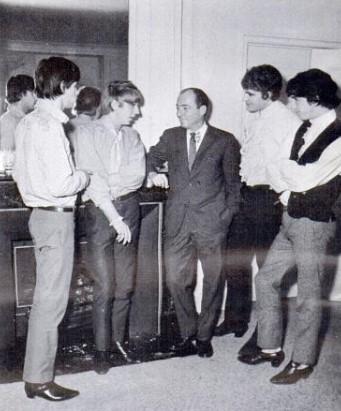
January 1, 1962, brought a biting frost to the London streets where Decca Records held its famous, ill-fated audition. The Beatles walked into the studio with a nervous, hungry energy. Producer Mike Smith sat behind the control desk.
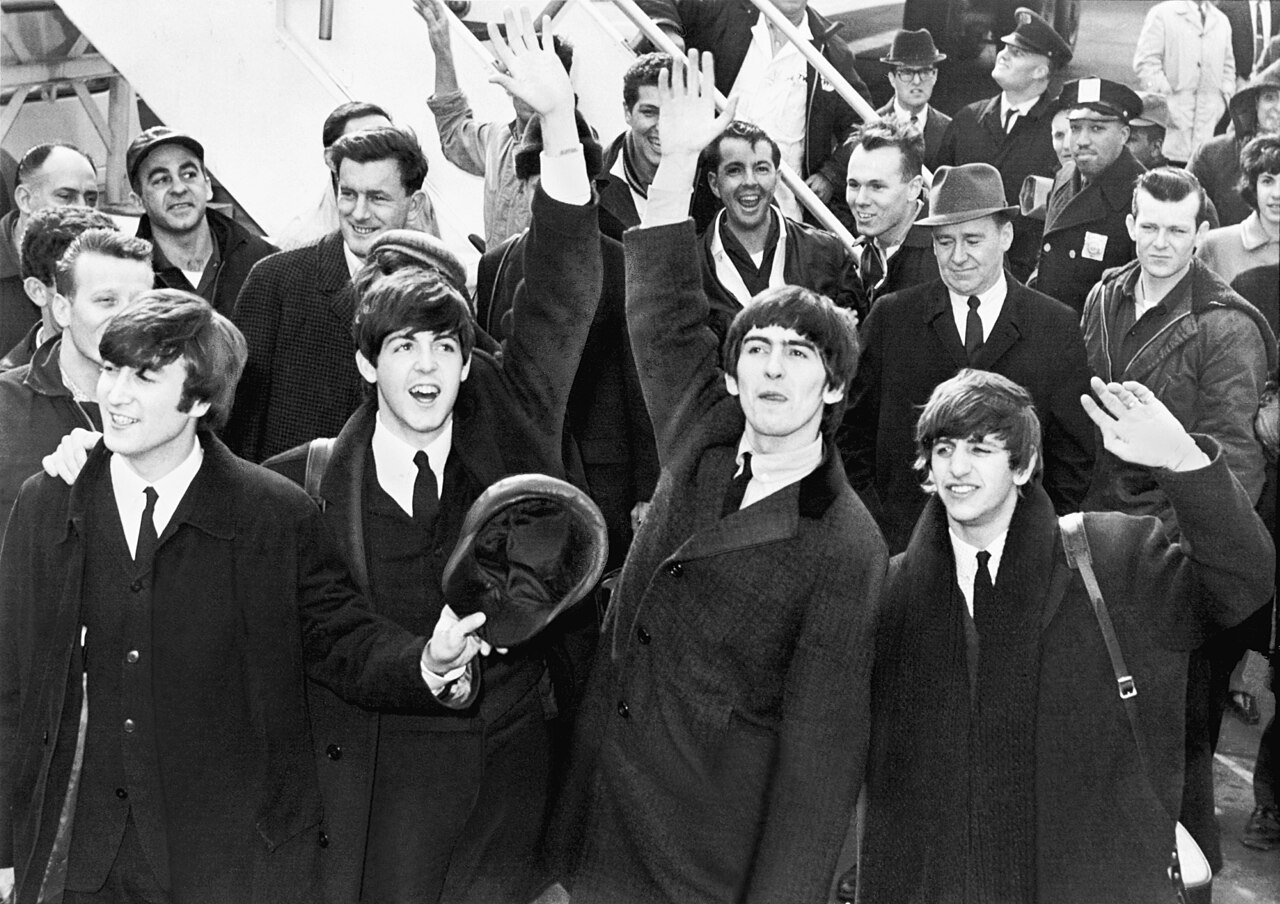
He listened to a band that lacked the polished sheen of the established acts on the Depect roster. Smith heard the guitars, but he did not hear the future of popular music. His decision to reject them remains one of the greatest errors in recording history. The tapes from this session exist, but they lack the magic that Brian Epstein would later help the band find.
Mike Smith focused on the technical competence of the group. He heard the rhythmic drive of the drums and the twang of the guitars. He missed the songwriting potential that would soon dominate the global charts.
The band played songs that felt familiar to the era. They lacked the specific, sharp edge that would define their later work. This session captures a band in transition, caught between their club roots and their eventual studio greatness. The recording captures a moment of profound uncertainty, where the direction of the band hung in the balance of a single producer's opinion.
The Decca tapes lack the warmth of later EMI sessions. They present a thin, hollow sound that reflects the era's early recording limitations. You can hear the strain in the vocals and the slight instability of the rhythm.
This makes the listening experience feel raw and uncomfortably intimate. It is a difficult listen for anyone who loves the polished versions of these songs. It provides a vital link to their early, unrefined state. The rejection by Decca forced the band to look elsewhere, eventually leading them to the door of a man who saw what Smith could not.
"I was told that the group had a lot of energy, but they were not ready for the Decca sound." - Mike Smith
The loss of any potential follow-up tapes from this period represents a tragedy for music historians. We do not know how many other takes or experimental tracks Smith might have captured during those hours in the studio. If these tapes survived, they would offer a window into a version of the Beatles that never reached the light of day. The silence where these recordings should be creates a void in our understanding of that January afternoon.
June 6, 1962, at Abbey Road
June 6, 1962, marked a different kind of beginning at Abbey Road Studios. Many people still call this place EMI Studios. The atmosphere in the room felt heavier and far more focused than the Decca session.
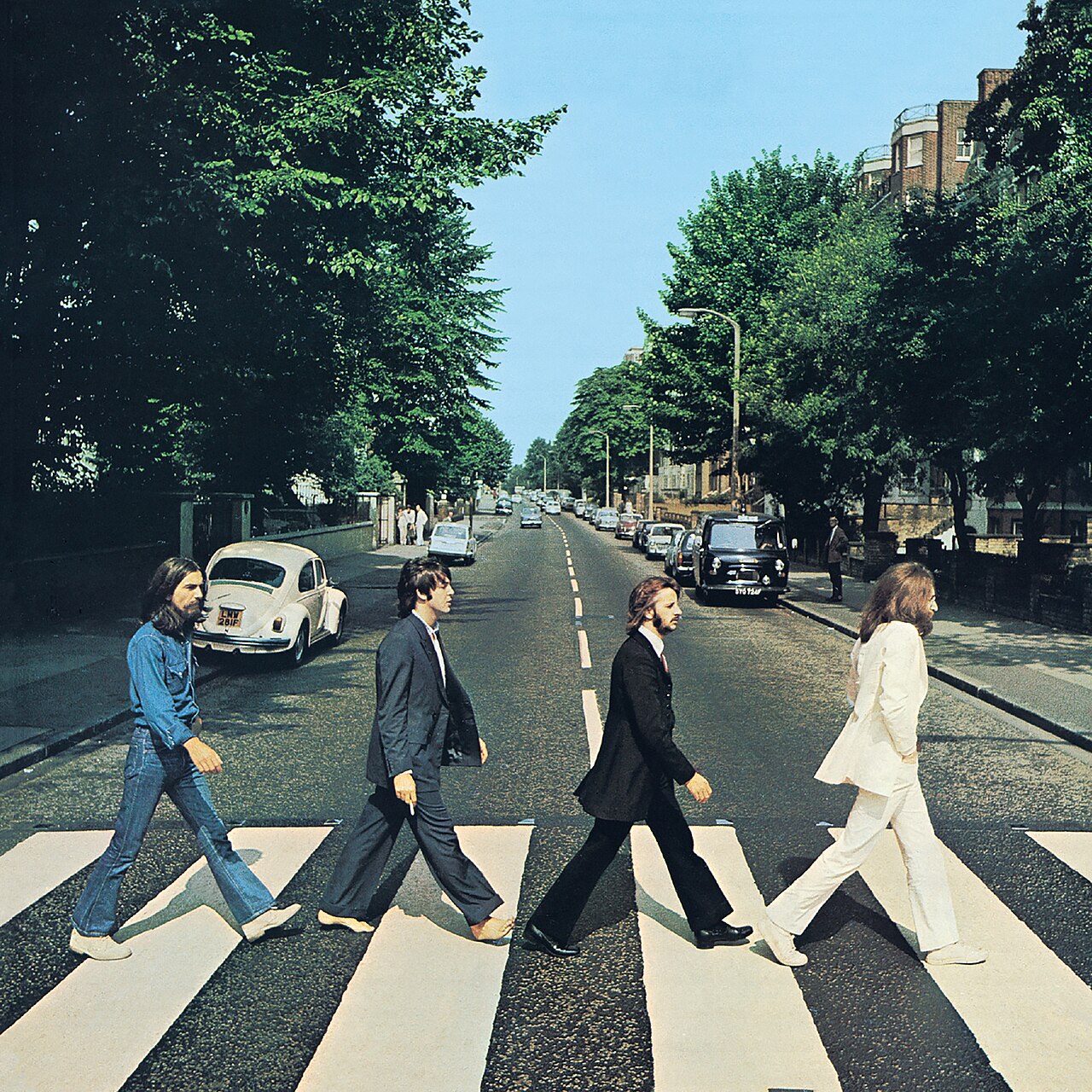
George Martin sat in the booth and listened with a keen, analytical ear. He did not just hear a beat group. He heard the potential for something much more complex. This session produced "Love Me Do," a track that would eventually anchor their early discography and introduce their sound to the masses.
The recording process utilized the two-track BTR recorders standard in the studio at the time. George Martin used these machines to capture the essential elements of the band. He focused on the interplay between the guitars and the rhythm section. The sound of "Love Me Do" carries a certain, earthy weight.
The instruments feel physically present in the room with you. You can hear the vibration of the Rickenbacker guitars and the steady, driving thump of the bass. The production was simple, but it was effective. It captured the essence of a live performance with a studio clarity.
Engineers like Norman Smith and Ken Scott worked within the constraints of the era. They managed the levels of the microphones to prevent the guitars from bleeding too heavily into the drum mics. This was a difficult task in a small studio space. This session laid the groundwork for the 1963 sessions for the album Please Please Me. The precision of the Abbey Road team allowed the band to experiment with different textures. The tapes from this day are legendary, yet they remain a specific, isolated moment in a much larger story.
The technical setup at Abbey Road was far more advanced than the makeshift arrangements found in many Liverpool clubs. High-quality microphones and the controlled environment of the EMI studios allowed for a level of detail that the Decca session lacked. When you listen to these recordings, you hear the difference that professional engineering makes to a raw performance. The guitars have a crispness and the vocals have a presence. The overall mix feels balanced and intentional. It was the start of a partnership that would change the direction of recorded music forever.
The Cavern Club's Vanishing Rehearsals
The Cavern Club basement, with its damp, brick-lined walls and low ceilings, served as the beating heart of the Liverpool scene. The air in that cellar was thick with cigarette smoke and the sweat of hundreds of dancing fans. Rumors persist about the existence of rehearsal tapes recorded in this very space. These tapes might feature early, unrecorded versions of songs like "One After 909." Such recordings would show a much more aggressive side of the band. The loss of these recordings is a blow to anyone trying to reconstruct the true Cavern era.
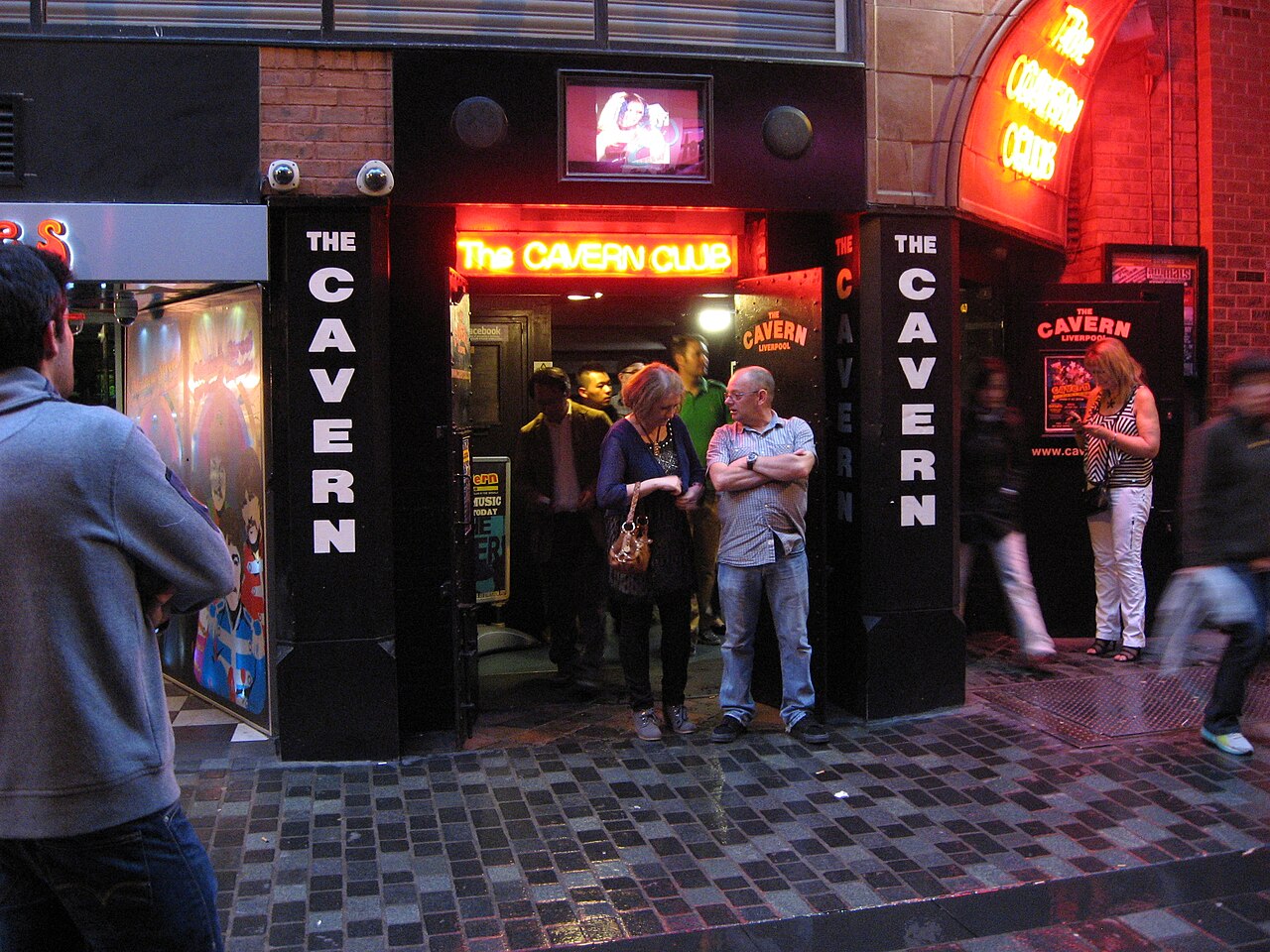
Listening to the legends of these lost tapes, one can almost hear the echo of the crowd. You can hear the muffled thud of the drums against the concrete floor. These rehearsals were not polished studio sessions. They were raw, loud, and incredibly energetic.
The bands played for themselves. They honed their setlists and tested new arrangements in the heat of the moment. If these tapes survived, they would provide a much more visceral experience than the official studio releases. They would show the band as they truly were, before the cameras and the global fame took over.
The physical environment of the Cavern Club played a massive role in the sound of the bands. The acoustics were tight and muddy. This created a compressed, punchy sound that suited the high-energy Merseybeat style.
This sound was difficult to capture on the portable recording equipment of the time. The idea of high-quality rehearsal tapes remains tantalizing. We are left to imagine the sound of a young Lennon and McCartney riffing on a new melody amidst the clogs and the chatter of a hungry crowd. The absence of these tapes leaves a gap in the history of Liverpool.
Many of the musicians who played at the Cavern moved on to larger stages. They always carried the influence of that basement with them. The energy of those early, unrecorded performances shaped the way they approached the studio years later. The loss of the tapes means we lose the direct link to that formative period of intense, local creativity. We have the studio albums, but we lack the true, unedited heartbeat of the club itself. The mystery of what was recorded in that basement remains one of the great frustrations of music archaeology.
The EMI Archive Tragedy
EMI Archives, once a vast repository of the most important recordings in British history, have seen their share of chaos. During various studio reorganizations and moves, several original master tapes for key Merseybeat artists simply vanished. The loss of the masters for Gerry and the Pacemakers or The Searchers is a devastating blow to the preservation of this era. These tapes contained the high-fidelity originals and the unedited takes. Without them, we are left relying on second-generation copies or later, less accurate transfers.
The reorganization of the EMI vaults often prioritized the most recent, commercially viable hits. This left the older, more experimental tracks to face the risk of neglect. As engineers moved equipment and reorganized storage, the fragile magnetic tape of the early sixties faced the threat of heat and moisture.
Some tapes were lost in the shuffle. Others were simply mislabeled and buried under decades of newer material. The disappearance of these masters means that the true, original sound of the Merseybeat era is slowly fading from our reach. We are left with fragments of a much larger, much more complex whole.
Gerry and the Pacemakers produced some of the most enduring hits of the 1960s. The absence of their original masters is a tragedy. The Searchers, with their distinctive guitar jangle, also lost much of their original studio presence to these archival shifts. The loss of these tapes prevents a full, detailed study of how these bands evolved in the studio. We cannot hear the subtle changes in their arrangements or the experimental textures they might have explored. The archive should be a window, but instead, even now, it remains a collection of partially obscured memories.
Finding these lost masters would require a massive, international effort to scour every corner of the old EMI storage facilities. This is a daunting task. Much of the original paperwork and labeling systems have also been lost or destroyed.
The search for these tapes is not just about finding old music. It is about reclaiming a piece of cultural heritage. Every lost reel is a lost opportunity to understand the full scope of the Liverpool sound. The silence of the missing masters is a heavy weight on the history of the Merseybeat era.
Cilla Black and the Parlophone Roster
Parlophone Records, the label that famously managed the Beatles, held a much larger roster than most people realize. The label's strength came from its ability to cultivate local Liverpool talent. This included the legendary Cilla Black and Billy J. Kramer with The Dakotas.
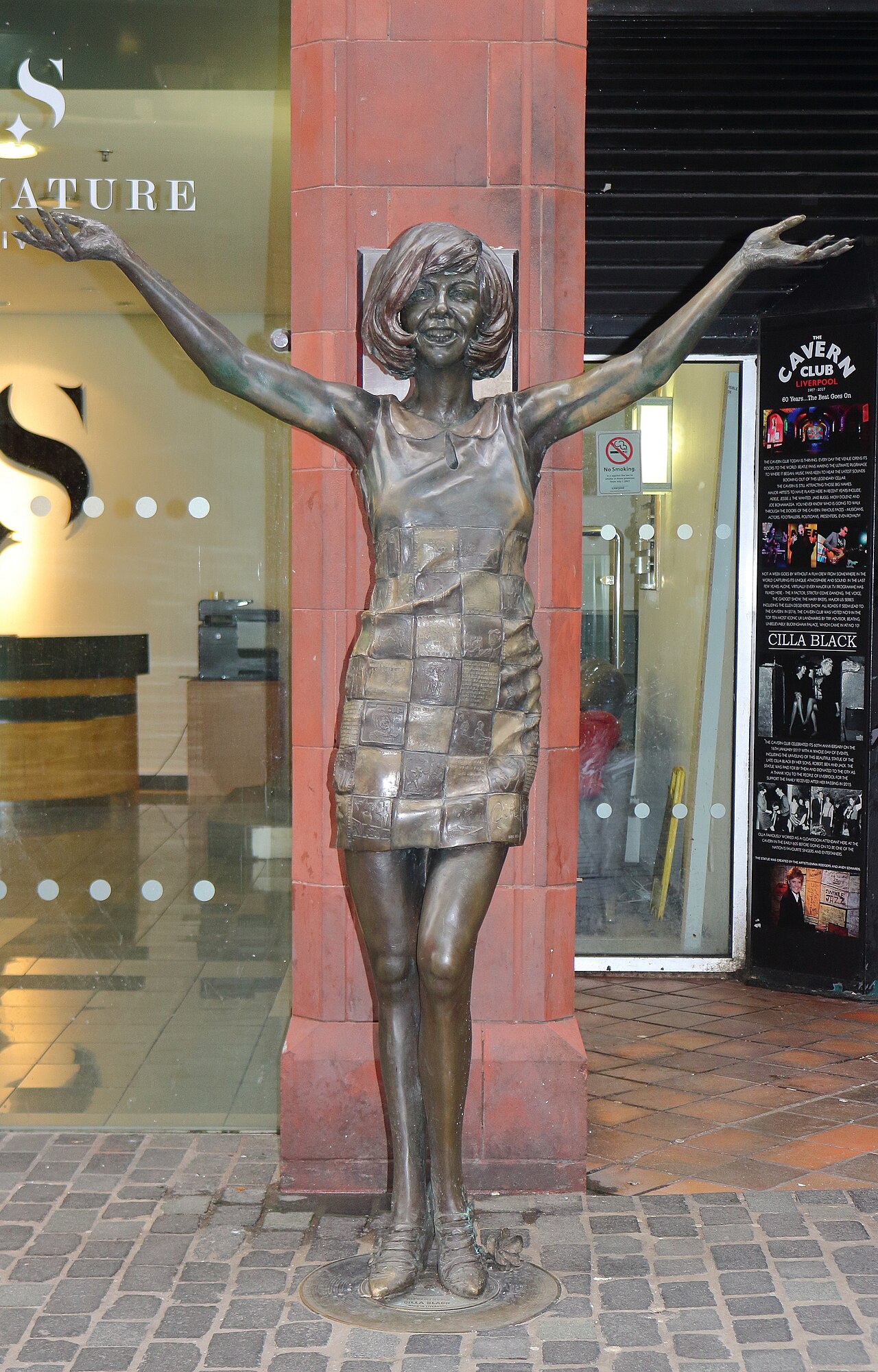
The paper trail for these artists is extensive. The actual recordings often feel disconnected from the era's true breadth. Cilla Black't powerful, emotive vocals were a staple of the Parlophone sound. Her recordings are often studied in isolation from the wider, interconnected Liverpool scene.
The importance of the Parlophone roster lies in its diversity. It shown off a range of styles from pop ballads to more driving, beat-oriented tracks. Billy J. Kramer brought a certain, polished charm to the label.
The Dakotas provided a tight, professional backing. The interplay between these artists and the producers at Abbey Road created a unified, yet varied, musical output. The paper trail, consisting of contracts and session logs, tells a story of a thriving, local industry. Yet, the actual tapes, the physical proof of this creativity, are often just as elusive as those of the Beatles.
Cilla Black's sessions at Abbey Road were often much more formal than the Beatles' early, experimental sessions. She worked with top-tier arrangers and conductors. This created a sound that was more aligned with the traditional pop standards of the many. This variety within the Parlophone roster is what made the label so successful during the early sixties. The presence of such diverse talent helped to define the era's musical boundaries. The loss of the session tapes for these artists would mean losing the evidence of this incredible, many-sided talent.
The connection between the Liverpool clubs and the Parlstone studios was a direct, physical one. Artists would move from the Cavern stage to the Abbey Road control room. They brought the energy of the club into the professional studio environment.
This transition was a key part of the Merseybeat success story. The lack of recorded evidence for the early, unpolished stages of this movement is a significant loss. We have the hits, but we lack the full, unedited history of the artists who made them. The paper trail provides the map, but the tapes would provide the actual journey.
The Ghostly Sound of Two-Track BTR
Two-track BTR recorders, the workhorses of the early Abbey Road studios, are the ghosts that haunt the history of Merseybeat. These machines, while reliable, offered a very limited way to capture the complexity of a full band. George Martin had to make crucial decisions during the recording process. There was no way to easily adjust the balance of the instruments after the fact. The producer had to balance the drums, the bass, and the guitars in real-time. This created a single, unified stereo or mono image.
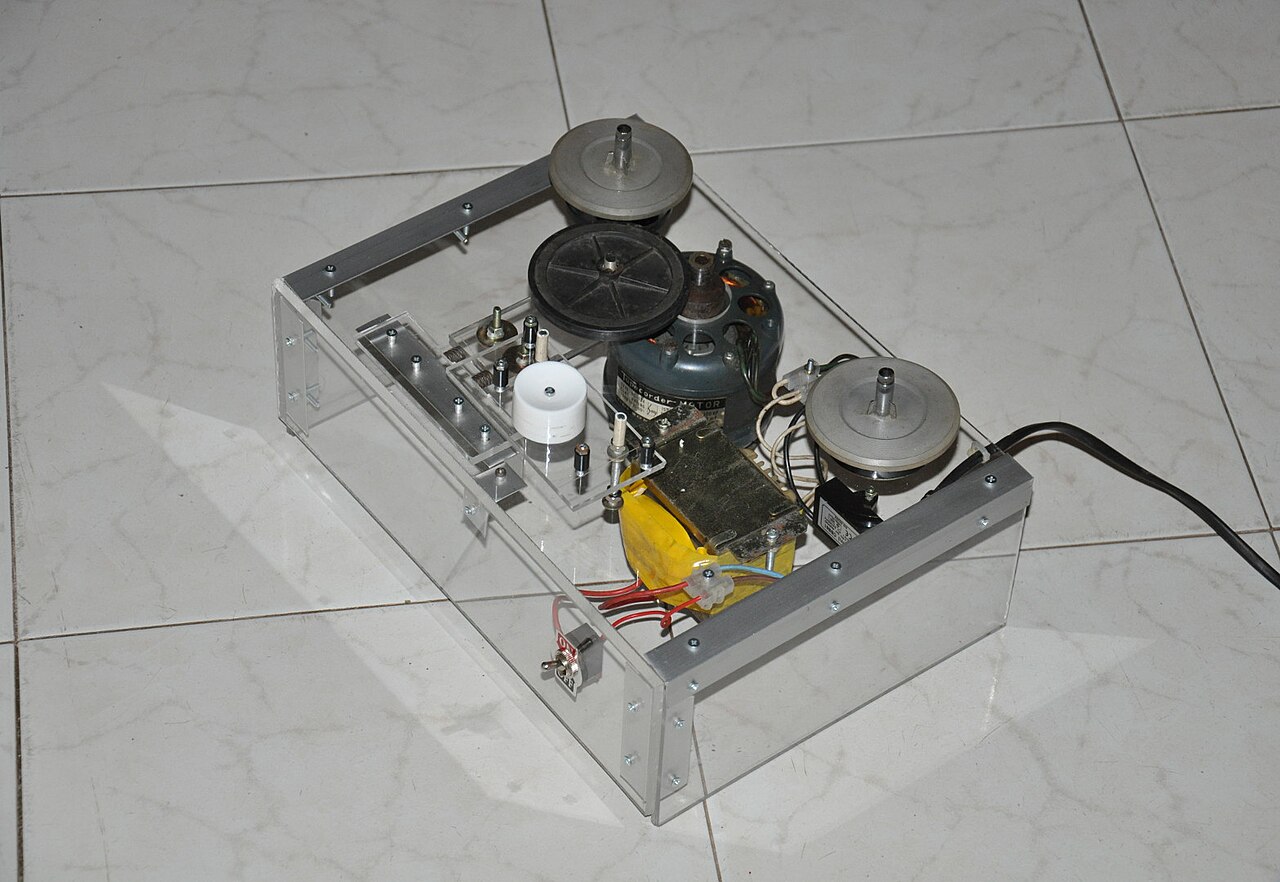
This technical limitation actually forced a certain, disciplined approach to the music. Every mistake was captured permanently on the tape. The sound of these BTR recordings has a specific, physical quality. It has a certain, compressed density that modern digital recordings cannot replicate.
You can hear the way the instruments interact within a single, shared space. This creates a sense of togetherness that is often lost in modern, multi-track productions. The lack of separation between the tracks actually helps to create that famous, Merseybeat punch. The rhythm section and the guitars feel like a single, driving force.
Searching for the lost demo tapes often means looking for these specific, two-track artifacts. These recordings might contain the raw, unedited versions of songs before the heavy, polished production of later years was applied. They represent the most honest version of the music.
They are stripped of the layers of overdubs and the clever studio tricks. For the music historian, these tapes are the holy grail. They provide the most direct link to the original, unadulter Merseybeat demo tapes. The hunt for these BTR ghosts continues, driven by a desire to hear the music as it truly sounded in those early, formative moments.
The technology of the early sixties was a tool, but it was also a boundary. The engineers and producers had to work within the limits of the BTR machines. They used their skill to overcome the lack of tracks.
This struggle against the limitations of the gear is what gave the era its unique, gritty character. The music was not just about the songs. It was about how those songs were captured on the physical, magnetic medium of the time. Every time we find a piece of this lost history, we get closer to understanding the true, unvarnished heart of the Merseybeat era.
The search for the lost Merseybeat demo tapes is a pursuit of the truth behind the myth. We are not just looking for old songs. We are looking for the actual, unvarnished reality of a musical revolution. The music remains, even if the tapes are gone. The silence where the recordings should be will always be a haunting presence in our history. The docks of Liverpool may have changed, and the clubs may have closed, but the echo of that early, raw energy still lingers in the air, waiting to be rediscovered.