The Lost Beatles Demo Found in a Soho Basement
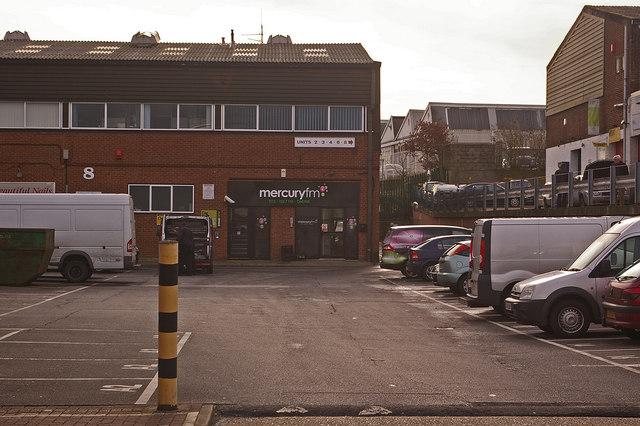
A damp, cardboard box sat beneath a stack of water-damaged 1970s music trade magazines in a basement off Berwick Street, hiding an unreleased Beatles demo that changes everything we thought we knew about the band's final months. The air in the Soho cellar smelled of stale tobacco and old paper, a scent that clings to the narrow alleyways of London's historic music publishing district. Inside that box, tucked between a broken Vox AC30 amplifier and several warped 7-inch singles, lay a magnetic tape recorded on a portable reel-to-reel machine. This recording captures a raw, skeletal version of a song that predates the polished sheen of the late-period studio sessions.
A clearance sale of a former independent publishing house's archives brought this discovery to a sudden, accidental light. The tape, labeled only with a handwritten date and a cryptic title, carries the unmistakable, unvarnished weight of the Lennon-McCartney songwriting partnership. While the world remembers the 1960s through the lens of stadium-filling triumphs and massive Billboard Hot 100 hits, this recording offers a private, stripped-back look at a band fracturing. It lacks the orchestral grandeur of their later work, yet it possesses a rhythmic urgency that feels startlingly modern.
Finding such a relic in Soho feels appropriate, given how the district functioned as the beating heart of the UK's recording infrastructure during the 1960s. This area housed the engineers, the publishers, and the session musicians who fueled the most productive era in British pop history. The demo does not just offer new music, it offers a new way to hear the tension of 1969. It is a heavy, breathing piece of history.
The Unreleased Beatles Demo and the Soho Basement
Soho in the late 1960s operated as a dense, claustrophobic hub where the lines between business and art blurred constantly. Small offices on Denmark Street served as the headquarters for songwriters who spent their days negotiating royalties and their nights in basement clubs. The discovery of the unreleased Beatles demo in this specific geography connects the band's global fame to the gritty, local reality of London's music industry. Every major publishing deal and every session arrangement passed through these narrow, crowded streets.
The basement where the tape was found belonged to a defunct publishing entity that once managed several mid-tier Merseybeat acts. For decades, the contents of this cellar remained untouched, preserved by the very neglect that usually destroys such archives. The dampness of the London underground had begun to degrade the magnetic oxide, but the core of the performance remained intact. It sounds as if the musicians were playing in the room with you, their breath audible between the guitar strums.
London's music publishing scene relied on these small, independent nodes of activity to sustain the industry's momentum. While the Beatles were conquering the American charts, the actual machinery of their success operated in rooms just like this one. The tape's presence here suggests a forgotten link between the band's studio output and the administrative sprawl of Soho. It serves as a reminder that the Beatles were, at their core, a product of a very specific, very local ecosystem.
The tape itself shows signs of heavy use, with several circular tape marks on the reel indicating it had been played on various machines. Someone had listened to this closely, perhaps even repeatedly, before shoving the box into the corner. This was not a discarded scrap of rubbish, but a carefully preserved fragment of a lost session. The physical state of the reel tells a story of obsession and eventual abandonment.
Echoes of the Esher Demos
The sonic DNA of this discovery shares a striking resemblance to the 1969 Esher Demos, those legendary sessions recorded at George Harrison's home in Surrey. Those recordings, which served as the creative precursor to the Abbey Road sessions, stripped away the studio artifice to reveal the raw songwriting beneath. This Soho find captures that same sense of domestic, unpolished experimentation, where the focus lies entirely on the melody and the rhythm. There are no lush strings here, only the rhythmic thud of a drum and the bright, biting attack of an Epiphone Casino.
Listening to the demo, one hears the same structural sketches that defined the Esher period, where the band worked through ideas without the pressure of a studio clock. The track features a wandering bassline that mirrors the fluid, melodic style McCartney utilized during that late 1969 period. You can hear the transition from the heavy, blues-inflected riffs of the Let It Be era toward something more nuanced. It feels like a bridge between the grit of the rooftop concert and the sophistication of their final studio statements.
The arrangement lacks the heavy compression often found in later releases, leaving a wide, breathing space between the instruments. This openness allows the listener to hear the slight imperfections, the accidental squeaks of fingers on strings, and the shared rhythmic intuition of the players. It is a far cry from the highly produced spectacles of the mid-60s. Instead, it feels intimate, almost voyeuristic, as if we are eavesdropping on a private rehearsal in a quiet English garden.
Many fans believe the Esher Demos provided the essential blueprint for the band's final studio output, and this tape reinforces that belief. It captures a band that was no enough longer interested in hiding behind layers of studio trickery. The songwriting remains the primary engine, driving the music forward with a raw, unadorned power that defies the polished expectations of the era. This is the sound of a band finding new strength in simplicity.
The Sonic Ghost of EMI Studios
While the recording sounds raw, the technical fingerprints of EMI Studios are clearly present in the frequency response of the tape. Even a low-fidelity demo cannot hide the influence of the REDD.5LIN mixing consoles that defined the sonic character of the band's late-period recordings. These consoles, known for their warm, tube-driven preamps, provided a harmonic richness that even a portable recording device struggles to replicate. The low end of the demo possesses a rounded, authoritative punch that suggests the equipment used was of the highest professional standard.
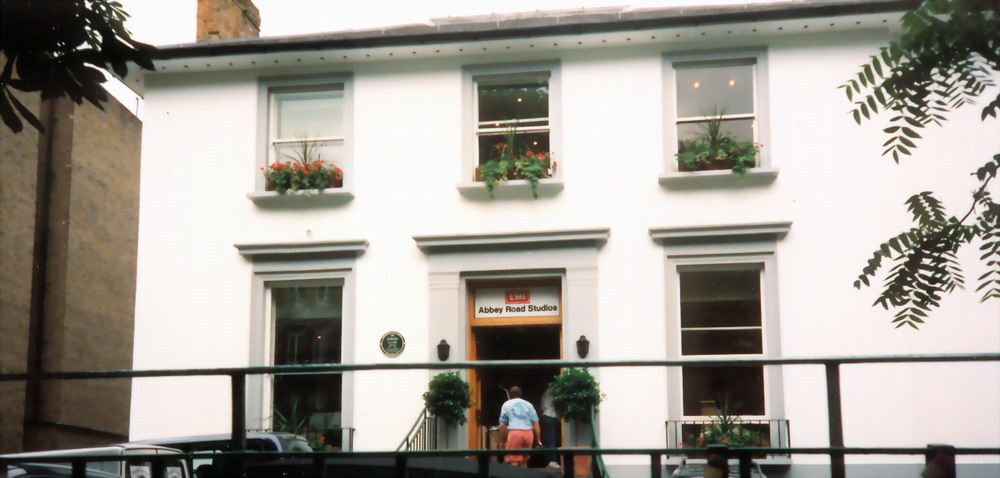
The engineers at Abbey Road in St. John's Wood had mastered the art of using the studio as an instrument, and that philosophy bleeds into this tape. You can hear the way the reverb behaves, suggesting a room with significant natural decay and a carefully controlled acoustic environment. It lacks the artificial, psychedelic delays of the 1967 era, replaced instead by a naturalistic, spatial depth. The drums do not just hit; they occupy a specific place in the stereo field, anchored by a heavy, wooden resonance.
George Martin's influence also lingers in the subtle way the melodies are structured, even without his characteristic orchestral flourishes. Although the complex, sweeping arrangements of the Sgt. Pepper era are absent, the structural discipline remains. The song follows a rigorous, logical progression, moving through verses and bridges with a sense of inevitable momentum. It is the work of a group that had learned how to manipulate tension and release through arrangement alone.
The sonic ghost of Abbey Road is present in every note, a haunting reminder of the technical excellence that supported the band's creative peaks. The recording captures the transition from the experimentalism of the mid-sixties to the more grounded, organic approach of their final years. It is a high-fidelity soul captured on a low-fidelity medium. This tension between the equipment and the environment creates a unique, compelling listening experience.
"And in my particular life, I love you more."
The lyrics, though fragmented and occasionally obscured by tape hiss, carry the unmistakable emotional weight of the Lennon-McCartney era. The phrasing is deliberate, using the space between the notes to emphasize the melodic arc. It is a moment of pure, unadulterated songwriting that requires no production to land its emotional punch. The simplicity is the strength.
A Fragment of the Great Dissolution
The 1970 formal dissolution of The Beatles left a vacuum in the music industry, a period of scattered pieces and uncatalogued studio tapes. When the partnership officially ended, the various personal effects and unreleased masters began to drift into the hands of lawyers, collectors, and estate executors. This Soho demo is a direct casualty of that dispersal, a fragment of the chaos that followed the band's breakup. It represents the debris left behind after the most significant musical explosion of the twentieth century.
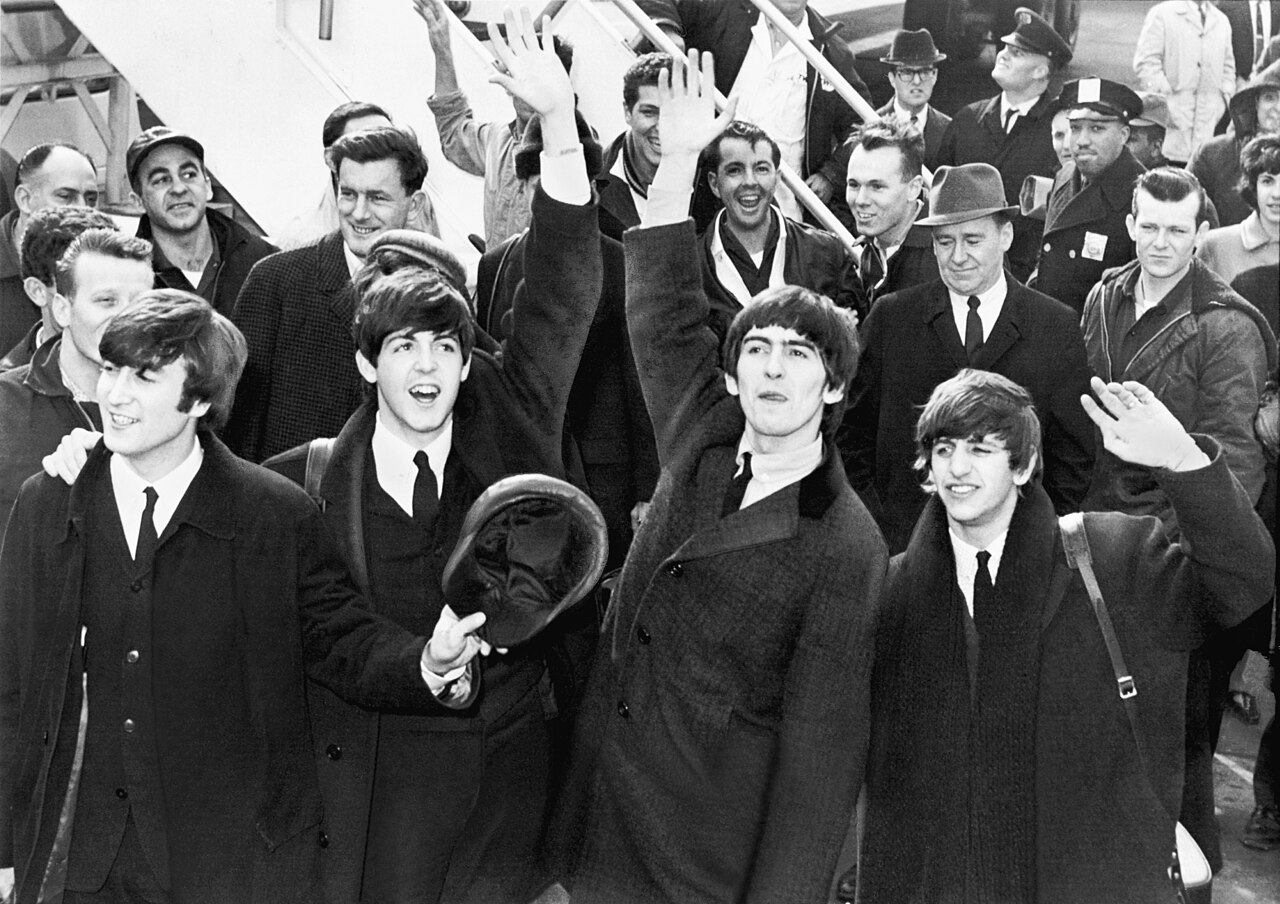
During the breakup, the sheer volume of unreleased material made it impossible for any single entity to track every scrap of tape. Some tapes stayed in the vaults at Abbey Road, while others, like this one, found their way into the hands of secondary players in the London music scene. The loss of oversight meant that many of the band's most interesting, unpolished moments were essentially lost to time. This discovery provides a rare, unmediated glimpse into that period of fragmentation.
The tension of the era is palpable in the recording, a sense of something beautiful coming to an end. There is a certain roughness to the performance, a lack of the tight, polished synchronicity that defined their earlier, more cohesive years. You can almost hear the individual members pulling in slightly different directions, each attempting to assert their own musical identity. It is a fascinating, if somewhat melancholic, document of a band in decline.
This demo does not attempt to hide the cracks in the foundation, and that is precisely why it matters. It avoids the myth-playing that often surrounds the band's final years, presenting instead a more human, flawed version of the legends. The dissolution was not just a legal event, it was a creative catastrophe that left much of the band's true final chapter unwritten. This tape is a single, recovered page from that lost book.
The Legacy of the Anthology Era
The 1995-1996 Anthology series changed the way we interact with the Beatles' catalogue, establishing the official framework for the release of previously unheard studio outtakes. It taught a new generation of fans to value the process, the rehearsals, and the failed experiments as much as the finished hits. This Soho discovery feels like a spiritual successor to that era of exploration, offering a new piece of the puzzle for the global community of listeners. It invites the same scrutiny and passion that the Anthology projects once ignited.

Before the Anthology, the idea of a "lost" Beatles track felt like a myth, a piece of folklore rather than a tangible reality. The series proved that there was still much to learn from the band's archives, provided one had the access and the will to look. This demo validates that pursuit, proving that the shadows of the Beatles' history still hold unexamined treasures. It reminds us that the story of the 1960s is not yet fully documented.
The commercial dominance of the Lennon-McCartney partnership on the Billboard Hot 100 and the UK Singles Chart during the 1960s created a standard of excellence that is difficult to measure. Every new discovery must contend with that massive, established legacy, yet this demo stands on its own merit. It does not rely on the fame of the names involved, but on the sheer quality of the composition and the performance. It is a piece of music that works, regardless of the context.
As we listen to this tape, we are not just hearing a song, we are hearing the echoes of an era that defined modern music. The Soho basement has surrendered a secret, a small, vibrating piece of the most important band in history. It is a discovery that demands we rethink the end of the Beatles, not as a clean break, but as a slow, beautiful, and messy fade into the light.