The Garage Rock Revival: Why the 2000s Still Feel Cool
Explore why the raw, analog energy of the 2000s garage rock revival remains the gold standard for indie rock authenticity and sonic grit.
The Garage Rock Revival: Why the 2000s Still Feel Cool
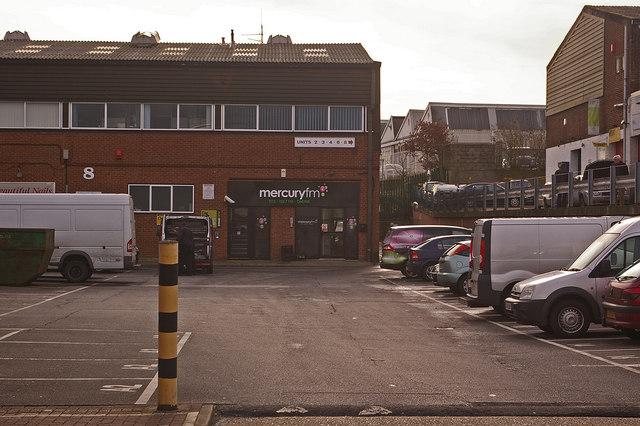
The air in the Bowery in 2001 smelled of stale beer, cheap cigarettes, and the ozone of overworked amplifiers. You could hear the muffled, rhythmic thud of a bassline bleeding through the heavy doors of Mercury Lounge, a sound that felt less like a performance and more like a physical intrusion. This era of the 2000s garage rock revival brought the grit of the underground into the daylight. It arrived not with a polite knock, but with a jagged, distorted chord that demanded immediate attention from a world weary of digital perfection.
The Strokes arrived with a sense of effortless, dishe andveled cool that felt entirely unearned by the polished pop stars of the preceding decade. Their debut, Is This It, arrived in 2001 carrying the heavy weight of expectation, yet it moved with the casual grace of a summer afternoon in Manhattan. Producer Gordon Raphael captured a stripped-back, interlocking guitar interplay that favored rhythmic precision over melodic excess. When the album climbed to number two on the UK Albums Chart, it proved that the underground could dominate the mainstream without losing its edge.
Julian Casablancas sang with a bored, melodic drawl that made every lyric feel like a shared secret between friends. The guitars of Albert Hammond Jr. and Nick Valensi clicked together like well-oiled machinery, creating a tight, interlocking weave of melody and rhythm. You could hear the specific tension in the tracks, a nervous energy that mirrored the frantic pace of New York City itself. This music belonged in sweaty, cramped basements where the real work happened, far from the glare of stadium lights.
The Rejection of Polished Pop
The late 1990s brought a period of extreme sonic cleanliness, characterized by the hyper-compressed, glossy production of teen pop and the aggressive, over-processed textures of nu-cut metal. Radio waves saturated the air with sounds that felt engineered in a laboratory, where every drum hit sat perfectly quantized and every vocal layer possessed surgical precision. Listeners consumed a diet of digital perfection that left very little room for human error or organic warmth. The 2000s garage rock revival acted as a necessary, violent correction to this trend, stripping away the layers of artifice to reveal the bone and sinew beneath.
Musicians began to favor the sound of a Fender Telecaster plugged directly into a small, overdriven combo amp over the massive, multi-tracked walls of sound that defined the late nineties. There was a palpable desire to return to a version of rock that felt dangerous, where a singer might crack on a high note or a drummer might push the tempo just slightly too far. This rejection of the digital sheen represented a cultural rebellion against the perceived sterility of the era. Musicians treated mistakes not as errors to be corrected in a digital workstation, but as essential elements of the song's character.
The Vines arrived from Australia in 2002 with Highly Evolved, an album that carried the frantic, unhinged energy of a band discovering their own power. Craig Nicholls sang with a manic intensity that felt like it might derail at any moment, providing a vital pillar for the global movement. Their sound remained messy, loud, and physical, serving as a reminder that rock and roll functions best when it is slightly out of control. They helped prove that the garage rock impulse was a global contagion rather than a localized New York phenomenon.
This era demanded a return to the basics of songwriting, where a catchy riff and a driving beat could carry the entire weight of a track. The obsession with perfection had become a burden, and the new guard of guitar bands sought to lift that weight through sheer, unadulterated volume. They traded the sheen of the studio for the grit of the stage, prioritizing the immediate, visceral impact of a live performance over the sterile perfection of a mastered disc.
New York City and the Lo-Fi Blueprint
New York City provided the essential, gritty backdrop for the movement, acting as a pressure cooker for creative tension and sonic experimentation. The city's network of dive bars and small clubs allowed bands to develop their sound in a communal, often volatile environment. The Yeah Yeah Yeahs emerged from this scene in 2003, bringing a sense of art-punk theatricality that expanded the boundaries of the genre. Their release, Fever to Tell, featured the iconic single "Maps," a song that balanced raw, jagged energy with a profound, melodic vulnerability.
Credit: Wikimedia Commons
Karen O stood at the center of this storm, her presence commanding a level of attention that few of her peers could match. She moved between manic, shrieking energy and moments of quiet, heartbreaking intimacy, establishing herself as a central figure in the New York art-punk scene. The band's sound collided danceable rhythms with distorted, abrasive guitars, creating a tension that was both accessible and challenging. The record felt as much like a piece of performance art as it did a collection of rock songs.
The production on these early New York records often favored a lo-fi aesthetic, where the hiss of the tape and the hum of the amplifiers remained intact. This choice preserved the sense of place, making the listener feel as though they were standing in the middle of a crowded, sweaty club in the Lower East Side. The lack of high-fidelity sheen allowed the raw emotion of the performers to take center stage, unencumbered by the distractions of overly polished arrangements. This signature defined an entire generation of urban musicians.
The streets of Manhattan seemed to vibrate with this new energy, as the boundaries between the audience and the performers began to ebb. Every basement show felt like a potential turning point, a moment where the next great riff might be discovered or a legend might be born. The city provided the grit, the grime, and the essential, unpolished atmosphere that the 2000s garage rock revival required to thrive.
The Analog Obsession of the Detroit Sound
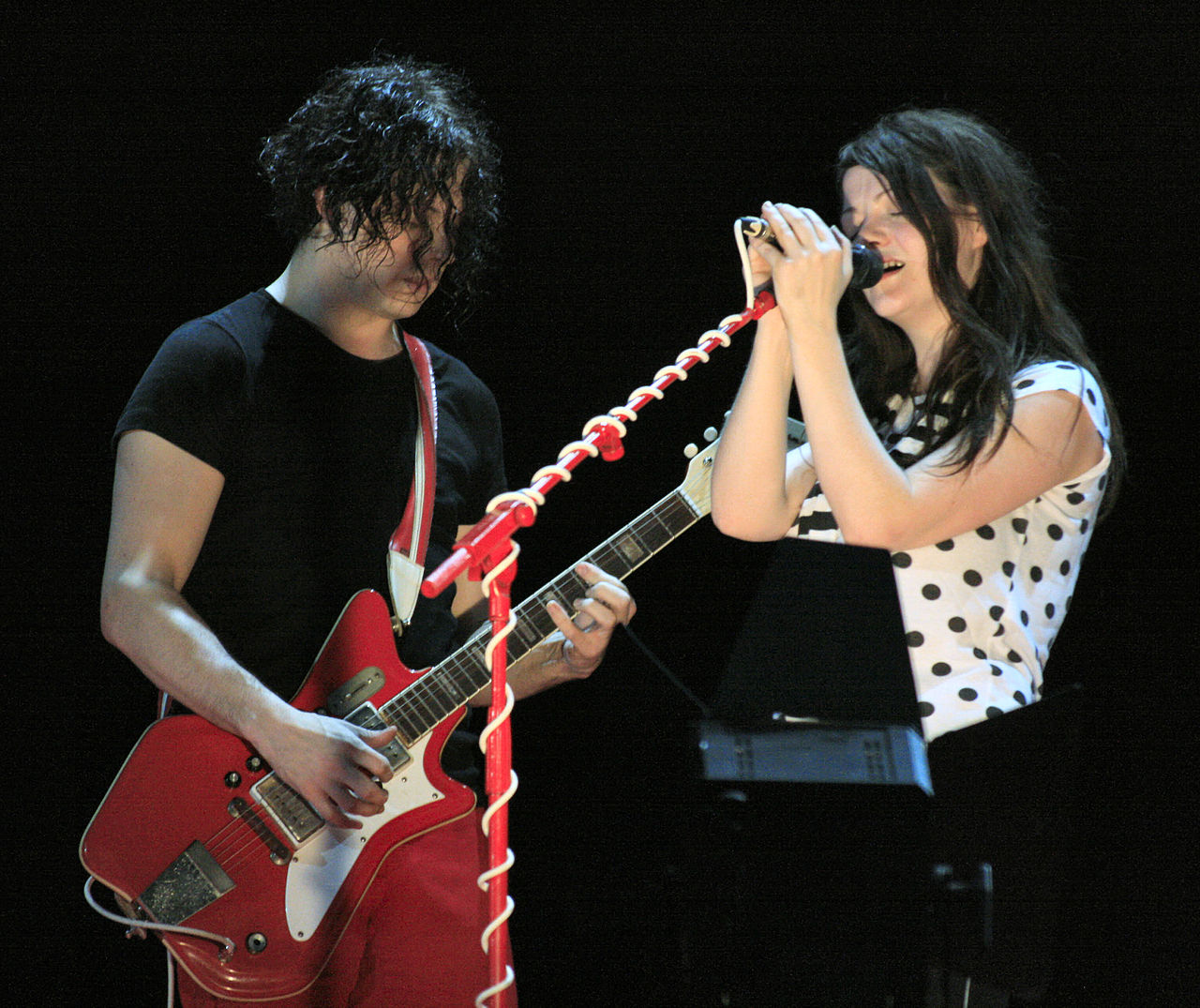
While New York focused on art and attitude, the Detroit and Ohio axis brought a different, more primal intensity to the movement. The White Stripes, led by the enigmatic Jack and Meg White, became the standard-bearers for a specific, blues-inflected brand of garage rock. Their 2003 album, Elephant, remains one of the most significant documents of the era, characterized by its heavy, rhythmic stomp and minimalist arrangement. The band avoided the clutter of traditional rock instrumentation, instead relying on the interplay between a distorted guitar and a primitive, driving drum beat.
Credit: Wikimedia Commons
To capture the authentic, vintage spirit they craved, the band recorded Elephant at Toe Rag Studios in London with producer Liam Watson. They sought a specific, analog warmth that could only be achieved through the use of period-accurate equipment and tape-based recording techniques. This commitment to an older, more tactile way of making music gave the album a weight and a texture that felt entirely distinct from the digital era. The drums sounded massive and woody, while the guitars possessed a biting, mid-range crunch that cut through the mix like a blade.
Jack White's songwriting tapped into the deep, ancestral roots of the blues, blending them with a modern, punk-inflected aggression. Tracks like "Seven Nation Army" utilized a simple, repetitive riff that became an instant, global anthem, yet the song never lost its sense of gritty, garage-unbound menace. The simplicity of the arrangement served as its greatest strength, allowing the raw power of the performance to drive the narrative forward. There was no need for complex arrangements when the fundamental elements of rock and roll were so potent.
The influence of the Detroit sound extended beyond mere aesthetics, as it championed a philosophy of musical purity and historical reverence. By stripping the music down to its most essential components, The White Stripes reminded the world that the most powerful songs often require the least amount of artifice. Their success paved the way for other bands to embrace a similarly minimalist, high-impact approach to the garage rock format. The music celebrated the power of the riff, the weight of the beat, and the beauty of the analog signal.
London's Beautiful, Chaotic Mess
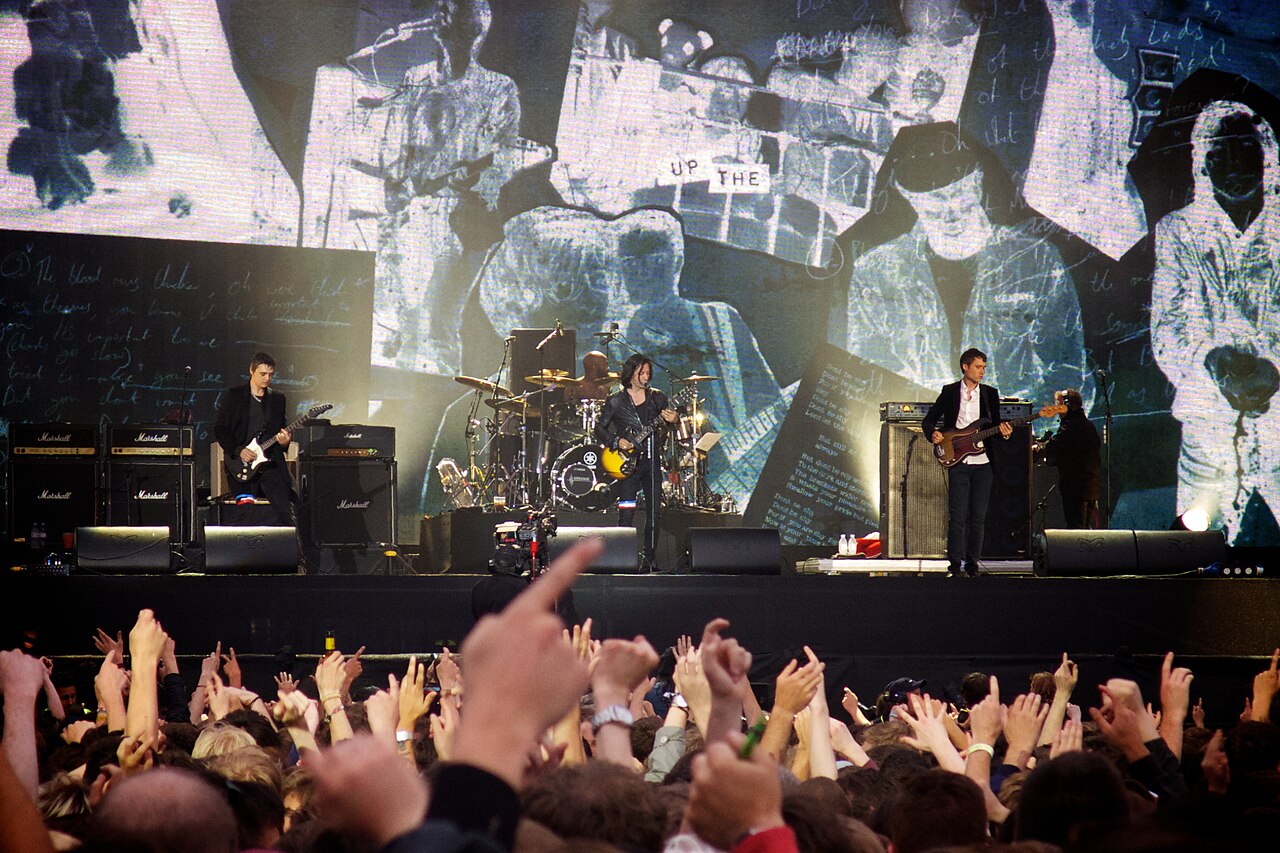
London in the mid-2000s felt like a city on the edge of a breakdown, a place where the energy of the underground was both exhilarating and deeply volatile. The Libertines emerged as the definitive band of this period, embodying the chaotic, drug-fueled spirit of the London scene. Led by the turbulent partnership of Pete Doherty and Carl Barât, the band's music was a frantic, melodic, and often shambolic affair. Their 2004 album, Up the Knights, documented a scene that was as much about the lifestyle as it was about the music.
Credit: Wikimedia Commons
The songs often felt like they were being played on the brink of collapse, with guitars that clashed and vocals that strained against the limits of the melody. There was a romantic, almost poetic quality to their chaos, a sense that even in the midst of the wreckage, something beautiful was being created. The lyrics often touched upon themes of decay, friendship, and the desperate search for meaning in a crumbling urban environment. This music felt intimately connected to the streets of London, capturing a specific, transient moment in time.
The tension between Doherty and Barât provided a central, dramatic narrative that fueled much of the band's mythology. Their chemistry burned brightly, even as their personal lives and interpersonal conflicts threatened to pull the band apart. This volatility translated directly into the music, creating a sense of unpredictability that kept listeners on the edge of their seats. You never knew if a song would resolve into a triumphant anthem or dissolve into a noisy, discordant mess.
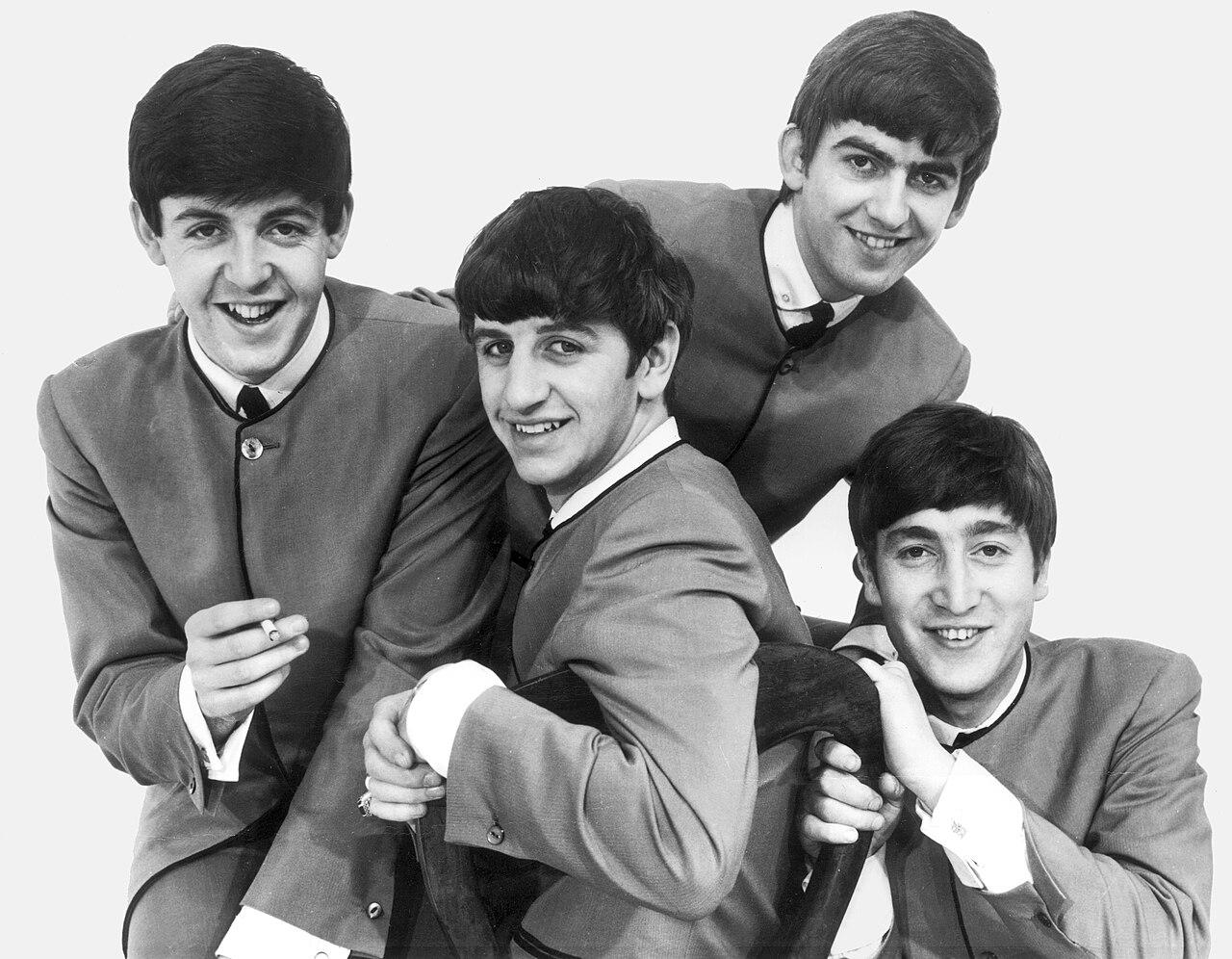
The London scene embraced a certain kind of melodic, mod-influenced sensibility. The influence of 1960s British beat music was evident in the band's penchant for jangly guitars and infectious, singalong choruses. This blend of punk aggression and classic pop sensibility made The Libertines uniquely capable of capturing the hearts of both the underground and the mainstream. They acted as the architects of a beautiful, disorganized mess that defined an era of British rock.
The Global Expansion of the Riff
The garage rock revival was never a closed circuit, as the movement's core elements quickly spread far beyond the borders of the United States and the United Kingdom. Sweden, in particular, produced a high-octane, mod-influenced sound that brought a fresh, international energy to the global stage. The Hives arrived with their 2000 album, Veni Vidi Vicious, a record that exploded with a manic, precision-engineered energy. Their sound featured sharp, biting guitars and a rhythmic tightness that felt both retro and incredibly modern.
Credit: Wikimedia Commons
The Hives brought a sense of theatricality and discipline to the movement, often appearing in matching black-and-white suits that emphasized their coordinated, high-energy performance style. Their music relied on a foundation of incredibly catchy, driving riffs that were impossible to ignore, even in the midst of their most frantic arrangements. They proved that the garage rock template could be adapted and refined without losing its essential, raw power. The band's success helped demonstrate that the movement's appeal was truly universal, crossing linguistic and cultural boundaries.
This global expansion grew from the ease with which the genre's fundamental elements could be replicated and reimagbiaged. A great riff, a heavy beat, and a sense of attitude are universal languages that require very little translation. From the Australian grit of The Vines to the burgeoning scenes in Europe and beyond, the 2000s garage rock revival created a shared, global vocabulary of distortion and energy. The movement provided a platform for diverse voices to contribute to a singular, cohesive sonic era.
As the movement expanded, it also began to absorb influences from a variety of other genres, from garage-punk to indie-pop. This diversification allowed the genre to maintain its momentum even as the initial wave of popularity began to stabilize. The essential, driving force remained the same, but the textures and themes grew through new perspectives. The global expansion of the riff ensured that the spirit of the revival would linger long after the initial explosion had subsided.
Inheriting the Proto-Punk Torch
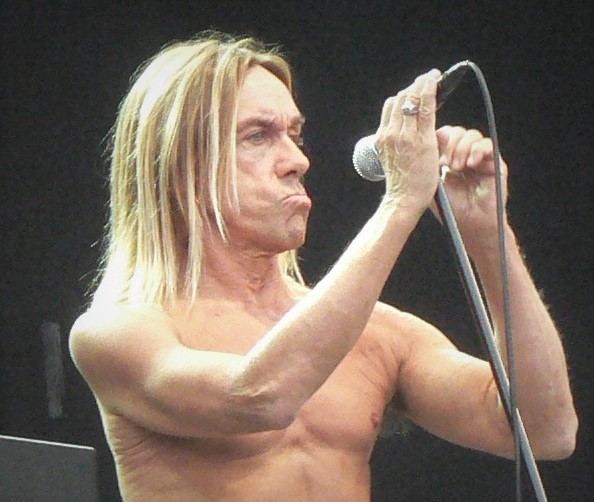
The 2000s garage rock revival did not emerge from a vacuum, but rather as a direct descendant of the 1970s proto-punk icons. The sonic lineage connecting the new guard to legends like The Velvet Underground and The Stooges remained clear and unmistakable. The heavy, repetitive rhythms of The Stooges provided the blueprint for the hypnotic, driving energy found in bands like The White Stripes. Similarly, the art-school experimentation and detached cool of The Velvet Underground echoed in the much more polished, yet equally edgy, New York scene.
Credit: Wikimedia Commons
These older bands had already established the importance of minimalism, texture, and raw, unvarned emotion. The 2000s bands did not merely imitate these legends, but instead reinterpreted their fundamental principles for a new, modern context. They took the lessons of the 1970s underground and applied them to the early millennium, stripping away the bloat of the era's mainstream production. This approach reclaimed the roots of rock and roll and presented them to a new generation of listeners.
The influence of the past was evident in the way these newer bands approached the concept of the "riff" as a foundational element of songwriting. A single, repetitive, and highly effective guitar line could serve as the anchor for an entire album, much like the works of the early punk pioneers. This focus on the fundamental, the primal, and the visceral allowed the 2000s movement to feel both ancient and entirely new. These musicians carried a torch that had been burning for decades, ensuring that its flame remained bright and dangerous.
The 2000s garage rock revival succeeded because it tapped into a fundamental, human desire for authenticity and physical connection. In an era increasingly dominated by the digital and the virtual, the sound of a distorted guitar and a crashing drum kit offered a much-needed sense of reality. This music you could feel in your chest, music that demanded a physical response, and music that reminded us all of the enduring power of the electric guitar. The era may have passed, but the grit, the noise, and the raw, unadulterated energy of those years continue to roar through the speakers of every basement club and dive bar in the world.