How YouTube Algorithms Built Bedroom Pop
Clairo Rivera sat in her bedroom in 2017, staring at a single microphone connected to a laptop, and pressed record on a track that would rewrite the rules of indie music. When "Pretty Girl" hit the internet, it did not arrive with the polished sheen of a studio production or the heavy marketing of a major label. Instead, it carried the raw, unvarnished texture of a domestic space, featuring vocal takes that felt like whispers shared between friends in the middle of the night. This specific, unpolished intimacy became the foundation for the Bedroom Pop YouTube algorithm, a digital ecosystem where the machine began to prioritize mood over melody. The track proved that a lack of expensive gear could actually function as a stylistic asset, provided the listener was looking for something that felt human.
The internet changed how we consume sound, moving away from the curated prestige of the mid-2000s toward a decentralized, automated discovery process. We used to rely on the tastemakers of the blog era, the editors at Pitchfork, or the curators at Hype Machine to tell us what mattered. Those humans acted as gatekeepers, filtering through thousands of demos to present a polished, vetted selection of the week's best releases. Now, the YouTube recommendation engine performs the heavy lifting, using a mathematical system designed to keep eyes on the screen by predicting what you might want to hear next. This shift from human curation to algorithmic suggestion fundamentally altered the DNA of the music being made, rewarding tracks that could trigger a specific, repeatable reaction.
The Death of the Human Curator
Hype Machine dominated the early 2010s, acting as a central hub where much of the indie-pop zeitgeist was aggregated and debated by a community of enthusiasts. You would visit these sites to see which tracks were trending, trusting that a human with a deep knowledge of obscure 70s psych-rock or 90s shoegaze was behind the list. There was a social component to discovery, a sense that you were part of a shared, intellectualized movement of listeners. The decline of this era began as the sheer volume of uploads made it impossible for any single human to keep pace with the deluge of new content. The sheer scale of the digital output required a different kind of filter, one that did not tire or require sleep.
YouTube stepped into this vacuum with an automated "Up Next" engine that replaced editorial judgment with pattern recognition. The algorithm does not care about the historical importance of a reverb pedal or the lyrical depth of a bridge, because its only goal is to maximize watch time. It looks for similarities in BPM, frequency response, and user behavior, suggesting tracks that share a sonic texture with what you just heard. This transition effectively killed the era of "discovery" as a conscious, intellectual act and replaced it entirely with a passive, ambient experience. You no longer seek out the new; the new finds you, sliding into your sidebar like a ghost in the machine.
This shift created a new hierarchy of importance, where a song's ability to sit comfortably within a playlist became more vital than its ability to challenge a listener. The algorithm rewards consistency and familiarity, favoring tracks that do not disrupt the flow of a session. If a listener is playing a collection of chill, lo-fi tracks, the engine will avoid anything too jarring, too loud, or too complex. This preference for the unobtrusive helped codify the aesthetic of the genre, as artists began to compose with the recommendation sidebar in mind. The era of the critic ended, and the era of the mathematical probability began.
The Blueprint of a Hyper-Local Recording
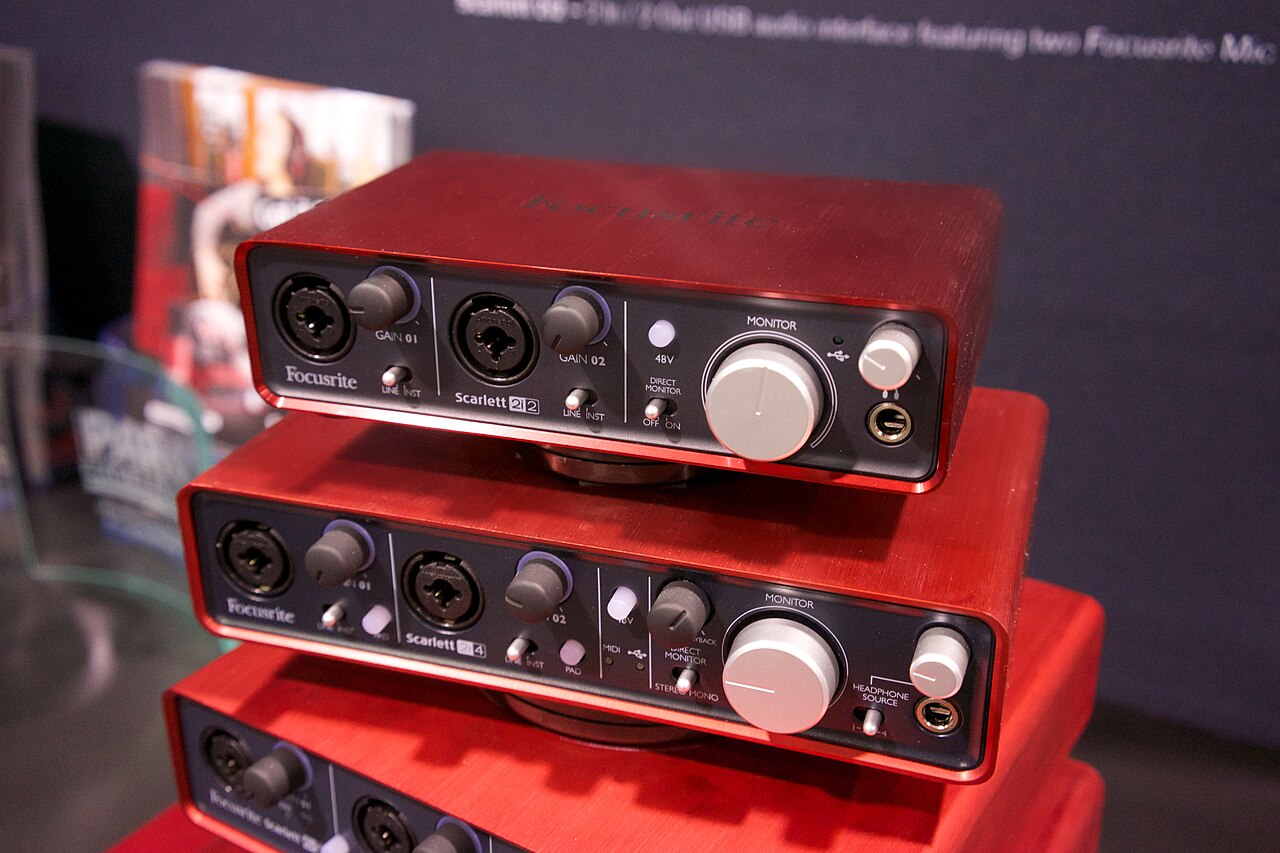
The sonic identity of this movement relies heavily on the intentional use of technical imperfections, often achieved through software like Ableton Live or Logic Pro. Producers began to use these digital workstations to mimic the flaws of analog recording, layering in the hiss of a cassette tape or the rhythmic crackle of a dusty vinyl record. These artifacts are not mistakes, but rather deliberate choices designed to provide a sense of warmth and nostalgia to an otherwise sterile digital environment. By using heavy compression and EQ settings that roll off the high frequencies, artists create a muffled, underwater sensation that feels incredibly intimate. This production style mimics the way sound travels through a small, carpeted room, creating a sense of physical closeness.
Beabadoobee followed the path laid by Clairo, releasing "Coffee" in 2017 with a production style that felt just as fragile and unvarnished. The track features a delicate, acoustic foundation that sounds as though it was recorded in the middle of a quiet afternoon, with the vocals sitting right at the front of the mix. It carried the same DNA of domesticity, emphasizing the soft, muffled textures that define the genre's core.
"I'll make you way too much coffee, with a bit of sugar and even some cream."
This approach to recording democratized the act of music production, allowing anyone with a laptop and a cheap condenser microphone to participate in the global conversation. The distinction between a professional studio and a highly functional bedroom disappeared, replaced by a shared vocabulary of lo-fi aesthetics. There was no need for a massive SSL console or a room treated with expensive acoustic foam when the goal was to sound small, private, and slightly broken. The limitations of the gear became the very characteristics that defined the genre's appeal.
The Rise of the 24/7 Stream
ChilledCow transformed the way we use music as a functional background element, eventually evolving into the massive Lofi Girl phenomenon. This was not just a collection of songs, but a continuous, 24/7 livestream that functioned as a digital companion for students and workers. The channel moved away from the traditional concept of a song as a standalone piece of art, instead treating music as a formative component of an atmosphere. These streams prioritize "study beats," tracks that possess a steady, hypnotic rhythm and a lack of sudden dynamic shifts. The music is designed to be ignored as much as it is to be heard, providing a consistent sonic blanket that masks the distractions of the real world.
This model changed the way artists approached song structure, as the demand for long-form, looping compositions grew. The traditional verse-chorus-verse architecture, which relies on tension and release, is often too disruptive for a focused study session. Instead, the music favors repetitive, loop-based motifs that can sustain interest without demanding active attention. This functional approach to music creation turned the YouTube livestream into a massive, automated radio station that never sleeps. It created a permanent, global audience that consumes music in a single, continuous stream of ambient background noise.
The success of Lofi Girl demonstrated that a brand could be more important than any individual artist within the ecosystem. The visual identity of the stream, featuring the iconic looping animation of a girl studying, became as much a part of the experience as the music itself. This helped establish a way for listeners to identify a specific mood before they even pressed play. The stream became a destination, a digital space where the music and the visuals worked in tandem to create a specific, repeatable emotional state. It was the ultimate realization of music as an environmental utility.
Visualizers and the Aesthetic of Loops
The decline of the traditional, high-budget music video has fundamentally altered how artists budget for their visual content. In the era of MTV, a music video required a director, a crew, and a significant portion of the label's marketing budget. Today, an artist can release a track with nothing more than a simple, looping visualizer or a piece of anime art. These visuals serve as a standardized language, signaling a specific mood to the YouTube algorithm and its viewers through a quick, glanceable aesthetic. A looping clip of rain hitting a window or a character walking through a city tells the listener exactly what kind of sonic experience to expect. It is a low-cost, high-efficiency method of branding that fits perfectly within the DIY ethos of the genre.
These visualizers are often much cheaper to produce than a cinematic video, allowing artists to focus their resources on the audio itself. The use of low-fidelity, grainy loops or repurposed anime footage creates a sense of nostalgia that complements the lo-fi production. This visual language is not accidental, but rather a deliberate alignment with the aesthetic of the music. The imagery reinforces the themes of intimacy, loneliness, and domesticity that are central to the bedroom pop identity. It provides a visual anchor for the listener, a way to inhabit the world the music is trying to build.
This shift has also led to a homogenization of the genre's visual identity, as many artists adopt the same aesthetic tropes. When every track is accompanied by a similar-looking anime loop, the distinction between individual artists begins to blur. However, this uniformity also creates a sense of a unified, cohesive genre, making it easier for the algorithm to group these videos together. The visual is no longer a separate entity from the song, but an integrated part of the overall sensory package. The image and the audio exist in a state of constant, looping symbiosis.
The Feedback Loop of Sonic Homogenization
The YouTube recommendation sidebar functions as a feedback loop that rewards sonic similarity and punishes experimentation. When the algorithm identifies a track that shares a similar BPM, texture, or instrumentation with a successful hit, it pushes that track to a wider audience. This creates a phenomenon where the "indie" aesthetic begins to sound increasingly uniform, as artists subconsciously or consciously mimic the characteristics of what is already trending. If a particular type of drum machine or a certain level of vinyl crackle is driving engagement, the system will continue to suggest more of the same. This leads to a sonic homogenization where the boundaries of the genre become increasingly narrow and predictable.
This feedback loop makes it difficult for artists to break out of the established patterns without risking their visibility within the ecosystem. A track that is too experimental, or one that shifts too drastically in tone, might fail to trigger the recommendation engine's similarity sensors. This creates a pressure to stay within the comfortable, recognizable lanes of the genre, effectively policing the boundaries of the "bedroom pop" sound. The algorithm acts as an embedded force, shaping the creative output of a generation of musicians through the promise of reach and engagement. The sonic palette becomes restricted to a specific set of textures that the machine has already deemed successful.
What we see is the emergence of a highly optimized, but potentially stagnant, musical style. The ease of discovery is balanced by the difficulty of true innovation, as the system is fundamentally designed to favor the familiar. While this has allowed for the rapid growth of a specific, identifiable scene, it also poses a challenge to the long-term evolution of the genre. The very tools that allowed bedroom artists to find a global audience are the same tools that may eventually trap them within a predictable, algorithmic cage. The music becomes a set of data points, optimized for a stream of content that never ends.
The Era of the High-Density Hook
PinkPantheress emerged in 2021 as the perfect embodiment of how the YouTube and TikTok algorithms favor short, high-density melodies. Her track "Pain" utilized a fast-paced, drum and bass-inspired breakbeat paired with incredibly concise, catchy vocal lines that were tailor-made for viral consumption. These songs are built around loops that are short enough to be easily clipped for social media, yet dense enough to leave a lasting impression. The emphasis has shifted away from the long-form development of a song and toward the immediate, impactful hook. In this new era, the ability to capture attention in the first five seconds is the most critical skill an artist can possess.
This trend toward high-density, loop-based songwriting is a direct response to the way modern audiences consume music in short, fragmented bursts. The melody must be instantly recognizable and easy to digest, even when heard as a tiny fragment on a smartphone screen. This has led to a new type of songwriting that prioritizes rhythmic complexity and melodic density over traditional narrative structure. The songs are often much shorter than their predecessors, sometimes clocking in at under two minutes, because there is no need for a long intro or an extended outro. Every second of the track must serve the purpose of engagement, driving the listener to hit the replay button.
The impact of this shift on the broader music industry is profound, as it reshapes how hits are constructed and marketed. We are witnessing the birth of a new musical grammar, one that is optimized for the digital, hyper-accelerating environment of the 2020s. The bedroom pop YouTube algorithm has not just discovered a new genre; it has actively participated in its creation, shaping its sounds, its visuals, and its very structure. The music is no longer just an expression of an artist's inner world, but a sophisticated response to the mathematical demands of the platforms that host it. The machine and the musician are now inextricably linked, dancing together in a loop that shows no sign of stopping.