The screech of a 56k modem connecting to the internet in June 1999 signaled a massive shift in digital music ownership, a high-pitched whine that acted as a digital birth cry for the internet age. People sat in dimly lit rooms, watching progress bars crawl across the flickering glass of a CRT monitor, while the sound of a dial-scale connection filled the air. We lived in a world of physical weight, a time when music meant a heavy CD binder or a bulky cassette collection that sat on a shelf. The concept of a permanent library was about to change forever, as the heavy, physical weight of a CD collection began to evaporate into the digital network.
The wait felt like an eternity during those humid summer nights, and you would initiate a download for a single track from a Radiohead album and then walk away to find something else to do. The slow crawl of kilobytes per second dictated the pace of our discovery, forcing us to watch the small pixels move across the screen with a bated breath that only a person waiting for a single MP3 could understand. We were tethered to our desks by a thin copper wire, waiting for the tiny bits of data to arrive and settle on our hard drives. That heavy, physical weight of a CD collection was about to evaporate into the digital network.
The Napster Chaos and the Death of Control
Shawn Fanning and Sean Parker built Napster in a way that bypassed the entire music industry, using a peer-to-peer network that allowed users to bypass traditional storefronts to share MP3 files directly from their hard drives. The software did not require a central server to hold the music, so it simply connected users to the hard drives of other people around the world, turning every connected computer into a potential record store. This system made the idea of a physical CD collection feel heavy and outdated, especially when a teenager in a bedroom could suddenly access a single track from a computer halfway across the globe.

The excitement of finding a rare B-side often balanced against the fear of downloading a virus that might crash your entire machine, and we spent hours checking file sizes and names to ensure we were not downloading a Trojan horse disguised as a Limp Bizkit track. The MP3 format changed everything because it compressed audio enough to travel through narrow bandwidth, turning music into something light and portable, even if the download itself took hours. We relied on the sheer luck of finding a high-bitrate file, hoping the compression had not stripped the life out of the drums or the warmth out of the bass.
The music industry reacted with a level of fury that defined the late nineties, and record labels launched a huge series of legal attacks to shut the service down. They sued the creators, specifically targeting the Napster platform in the massive A&M Records, Inc. V. Napster, Inc. Case, which eventually led to the service's demise. The industry tried to protect the sanctity of the CD, but the technology had already changed the way people thought about files, teaching users that a song was just a piece of data, a weightless entity that could be copied and moved without any loss of quality.
The era of the plastic jewel case and the printed liner notes began to lose its grip on the younger generation, as the tension between tech and art became the main story of the decade. We were moving away from the era of the curated album and toward an era of the individual track, leaving behind the ritual of reading through credits while the disc spun in a Sony Discman. The chaos of 1999 paved the way for a more structured, but still digital, future, where the physical object was no longer the primary way we interacted with sound.
Napster died in the early years of the new millennium, but the habit of file sharing remained in the hardcoded DNA of the internet, as people had tasted the ease of free access and refused to go back to the ritual of visiting a brick-and-mortar store like Tower Records. The industry could not reclaim the control it once held over the distribution of music, and the era of the physical album as the primary unit of commerce was effectively over, even if the labels refused to admit it. The ghost of Napster lived on in every file-sharing program that followed, haunting the halls of the major labels for years to come.
The 99-Cent Era and Digital Music Ownership
Apple changed the rules of the game on April 28, 2003, when they launched the iTunes Store, offering a way to buy individual tracks for 99 cents that provided a legal and easy alternative to the chaos of peer-to-peer sharing. The interface was clean, the transactions were simple, and the idea of buying a single song without a full album was incredibly attractive to the average listener. You could build a library with surgical precision, picking only the tracks that you truly loved while skipping the filler tracks that often cluttered a CD, and this unbundling of the album changed how we valued the long-form format.
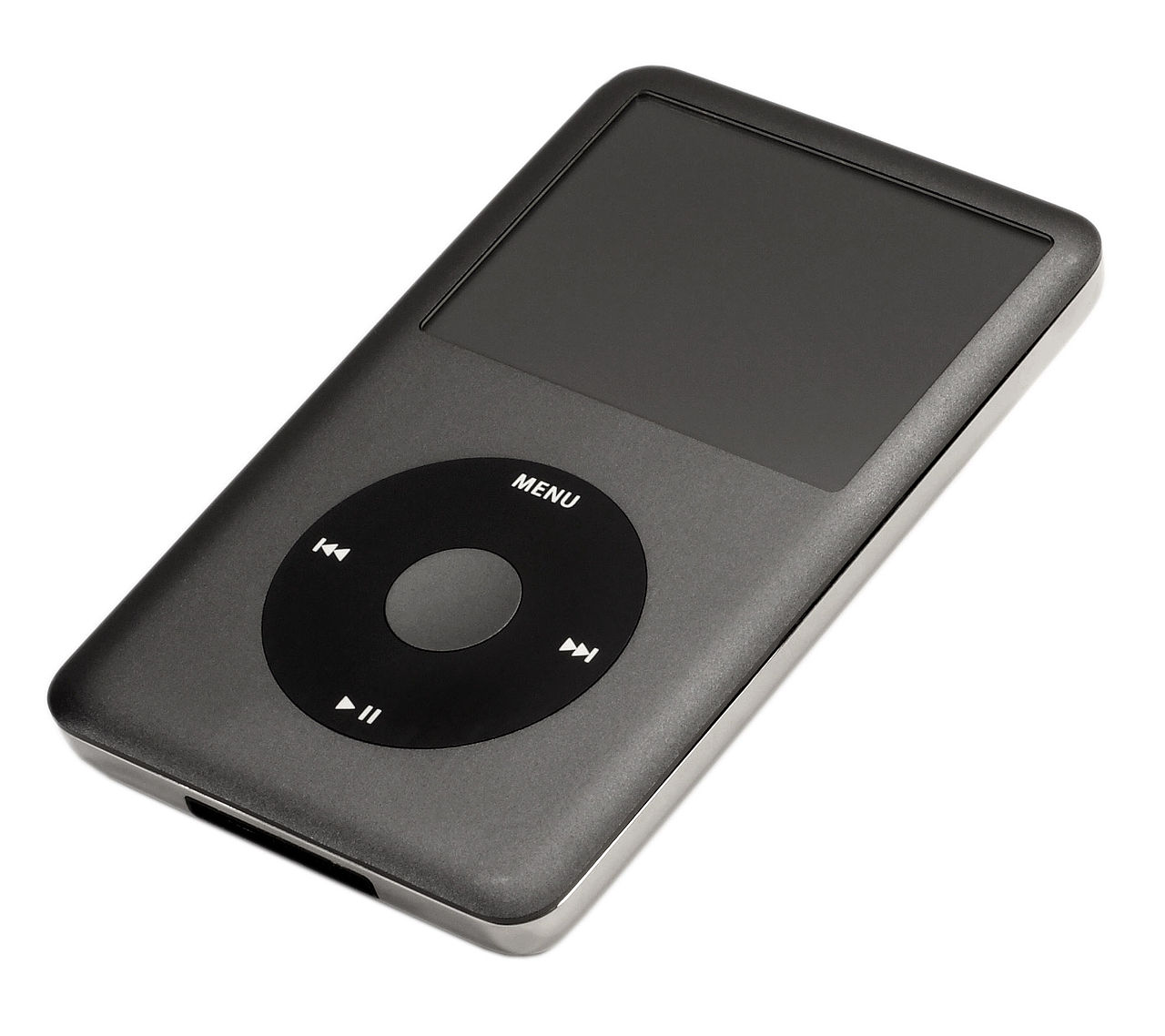
The 5GB iPod, which arrived in October 2001, had already begun to change our relationship with portable hardware, and it allowed users to carry thousands of songs in their pockets. This device turned the music player into a personal, digital vault, and the weight of a heavy Walkman or a heavy Discman disappeared, replaced by a tiny, white plastic slab that felt like the future. The convenience of having your entire life's soundtrack available at the press of a button made the transition to digital formats feel natural and inevitable, especially as the click wheel became a tool for rapid navigation.
Apple's dominance in this era was massive, and they created a closed loop that made it easy to stay within their ecosystem, which meant that syncing your library was a direct part of the routine. People felt a sense of pride in their growing digital collections, and they still believed they owned the files they had purchased, as each 99-cent transaction felt like an investment in a permanent library that would belong to them forever. We meticulously organized our folders and updated our metadata, treating our hard drives like digital museum archives for the songs we cherished.
The cultural context of this period was one of extreme curation, and we were still collectors, even if our collections were now measured in gigabytes than the number of plastic cases on a shelf. The death of the album was happening, but we were still trying to preserve the idea of the hard disc through our digital files, and we treated our MP3 libraries with the same reverence as a vinyl collection. We were still the masters of our own musical destiny, deciding exactly what stayed and what was deleted.
"I want to make sure that the music is available to everyone, but I also want to make sure that the artists are being paid for their work."
The period of the 99-cent track was a bridge between the old world and the new, and it maintained the idea of a purchased collection. Even though the format was digital, the transaction felt like the purchase of a physical good, and you could see the files on your hard drive, knowing that as long as you had that computer, you had that music. This sense of permanence was the last stand for the idea of true digital music ownership, a final moment of stability before the tide of streaming swept everything away.
The iPhone and the Mobile Shift
The iPhone arrived in June 2007, and it turned the mobile phone into a primary music player for the entire world, merging our communication tools with our media libraries. This device changed our physical relationship with music, and we no longer needed a separate device to carry our songs, because the phone was always in our hands. The music was nolon longer a separate entity that we carried in a pocket; it became a feature of our daily connectivity, always ready to play at a moment's notice.
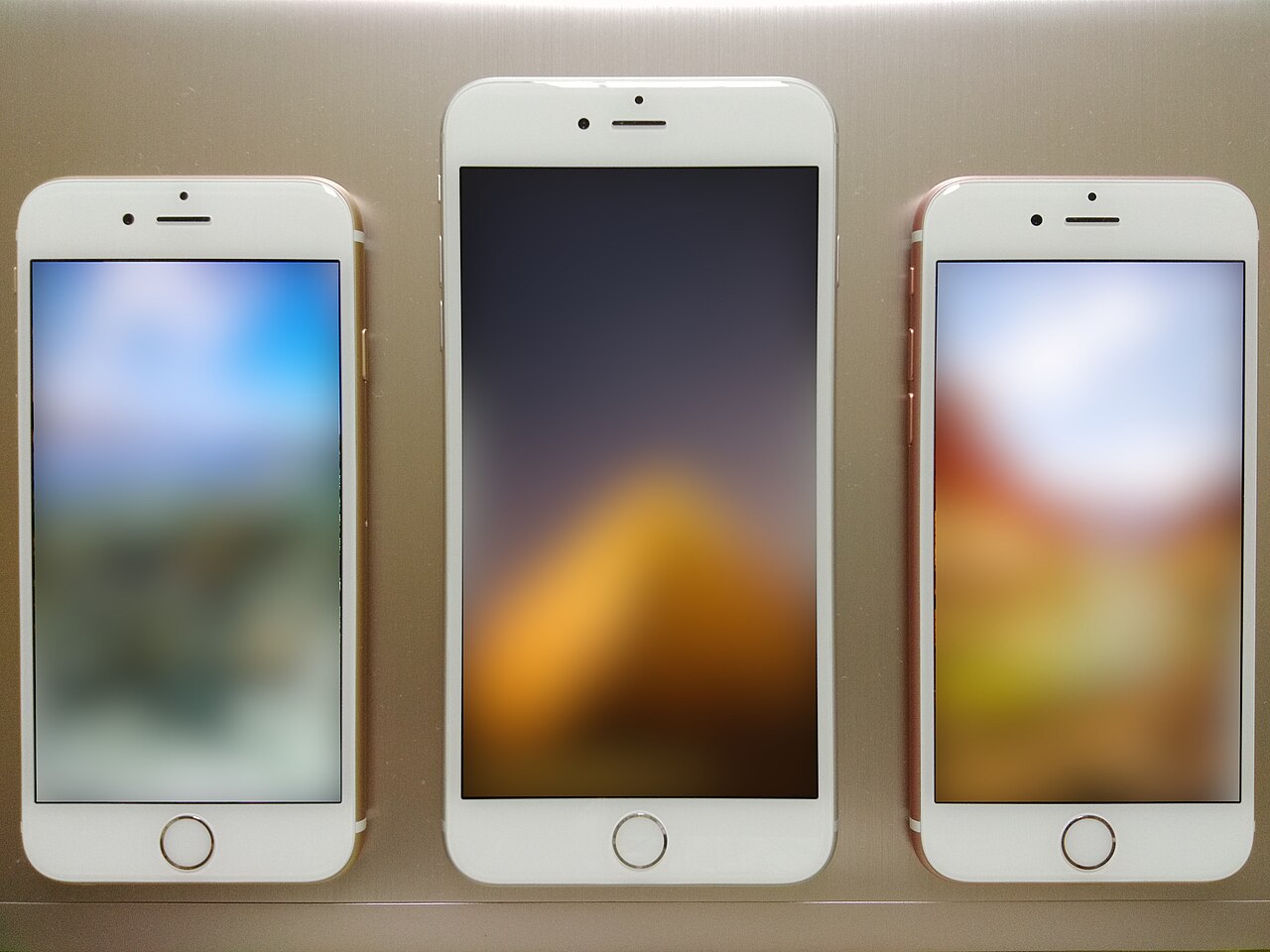
The screen was bright, the touch interface was responsive, and the internet was always accessible, which moved us away from the idea of a fixed, stationary library and toward a state of constant, mobile access. We began to use our phones to stream music on the go, and the distinction between a downloaded file and a live stream started to blur, leaving only the convenience of the connection. The physical weight of the music disappeared, replaced by a stream of data that followed us through the streets of London and New York.
The way we interacted with our devices changed the way we interacted with our artists, and we were no longer sitting at a desk to manage our collections. The music was now part of our movement through the world, and this mobility made the idea of a permanent library feel less important than the idea of instant access. The phone became the center of our digital lives, and the music became a background element of that existence, a soundtrack that played while we worked through our daily commutes.
As 3G and later 4G networks expanded, the ability to pull data from the cloud became a standard part of the user experience, and we stopped worrying about storage capacity on our devices because the internet provided an infinite reservoir. The era of the "library" was being replaced by the era of the "stream," and we were no longer curators of a finite hoard but participants in an endless flow of data. We traded the security of the file for the convenience of the cloud, and the concept of a personal archive began to fade.
The Algorithmic Turn and the Death of Discovery
Spotify began streaming in Europe in October 2008, and CEO Daniel Ek saw a future that did not rely on ownership at all, aiming to provide access to everything, all at once, for a monthly subscription fee. This model shifted the focus from the individual song to the endless stream of content, and the idea of a library was replaced by the idea of a feed. The listener became a subscriber to a service than a collector of files, and the personal connection to a specific, owned copy of an album started to erode.
In May 2015, Spotify introduced the "Discover Weekly" algorithmic playlist, which changed how we find new sounds by using a machine to suggest what we might like based on our listening habits. The machine now replaces the human element of the radio DJ, as the algorithm analyzes your patterns, identifies the beats and rhythms you prefer, and provides new music that fits your taste. You do not search for a song anymore, as you simply wait for the algorithm to find it for you, which removes the active struggle of discovery.
This shift toward algorithmic curation changed the way music is discovered and consumed, and the hunt for new music, which once required digging through record stores or waiting for the radio, has been replaced by a mathematical calculation. The machine knows your habits better than you do, and it provides a constant stream of content that keeps you engaged with the platform, even if this convenience comes at the cost of the intentionality that once defined the act of finding a new favorite album. The joy of the unexpected discovery is often smoothed over by the predictability of the recommendation engine.
The scale of this change is massive, and it has altered the way artists reach their audiences, as the algorithm rewards frequency and engagement, and it can lift a song to global fame in a matter of days. However, this also creates a situation where the listener is constantly fed familiar patterns, which can limit the discovery of truly different or challenging sounds. The listener is no longer a curator of their own taste, but a participant in a feedback loop designed by engineers, and the edges of our musical preferences are being sanded down by the software.
We have traded the thrill of the hunt for the comfort of the recommendation, and there is no more digging through crates of vinyl or scanning the New Arrivals section of a local shop. The music finds us, often before we even know we want to hear it, and this ease of use has made music more accessible than ever, but it has also made it more disposable. When everything is available, nothing feels particularly precious, and the music becomes a utility, much like electricity or water, than a prized possession.
The End of Digital Music Ownership
The RIAA reported that streaming revenues exceeded digital track downloads in the United States in 2015, and this marked the end of the era where we actually bought things. We have moved from a model of acquisition to a model of rental, and we pay a monthly fee to access a vast library of music, but we do not own a single note of it. If the subscription ends, the music vanishes, and the library disappears along with the payment, leaving us with nothing but the memory of the songs we used to play.
Taylor Swift removed her six-album catalog from Spotify in 2014 to protest how royalty payments worked, and she wanted to remind the world that artists need to be paid for their work. Her move was a massive statement against the streaming model, and it highlighted the tension between the convenience of the listener and the economic reality of the creator. The music is available to everyone, but the value of that music is being squeezed by the sheer volume of the available content, and the artist's labor is often obscured by the sheer scale of the platform.
Billboard updated its chart methodology in December 2018 to include streaming-equivalent units, which meant the charts now reflected how we actually listened, but it also changed the very nature of musical success. The era of the physical sale is a memory, and the charts now track the power of the stream, with data showing a world where the numbers are driven by how many times a track is played in a playlist, than how many people have committed to owning it. The industry has adapted to the streaming age, but the concept of a permanent collection is gone, replaced by a transient access to a digital cloud.
The IFPI recorded a drop in global CD sales between 2000 and 2015, and this decline mirrors the loss of our personal archives, as we have traded the physical stability of a disc for the infinite, but temporary, access of the cloud. The loss of digital music ownership means we no longer have a library that can survive the end of a service or the death of a company, and we are now part of a massive, global migration toward a future where the music is always there, as long as we keep paying the bill. We are renting our memories, one monthly installment at a time.
We live in an era of temporary access, where the music exists in a state of constant availability, yet it lacks the permanence of the objects we once cherished. We have gained the world but lost the ability to hold onto it, and the great migration is complete. We have arrived at a destination where the music is everywhere, but nothing belongs to us.