Saving the Merseybeat: The 2023 Archive Near-Disaster
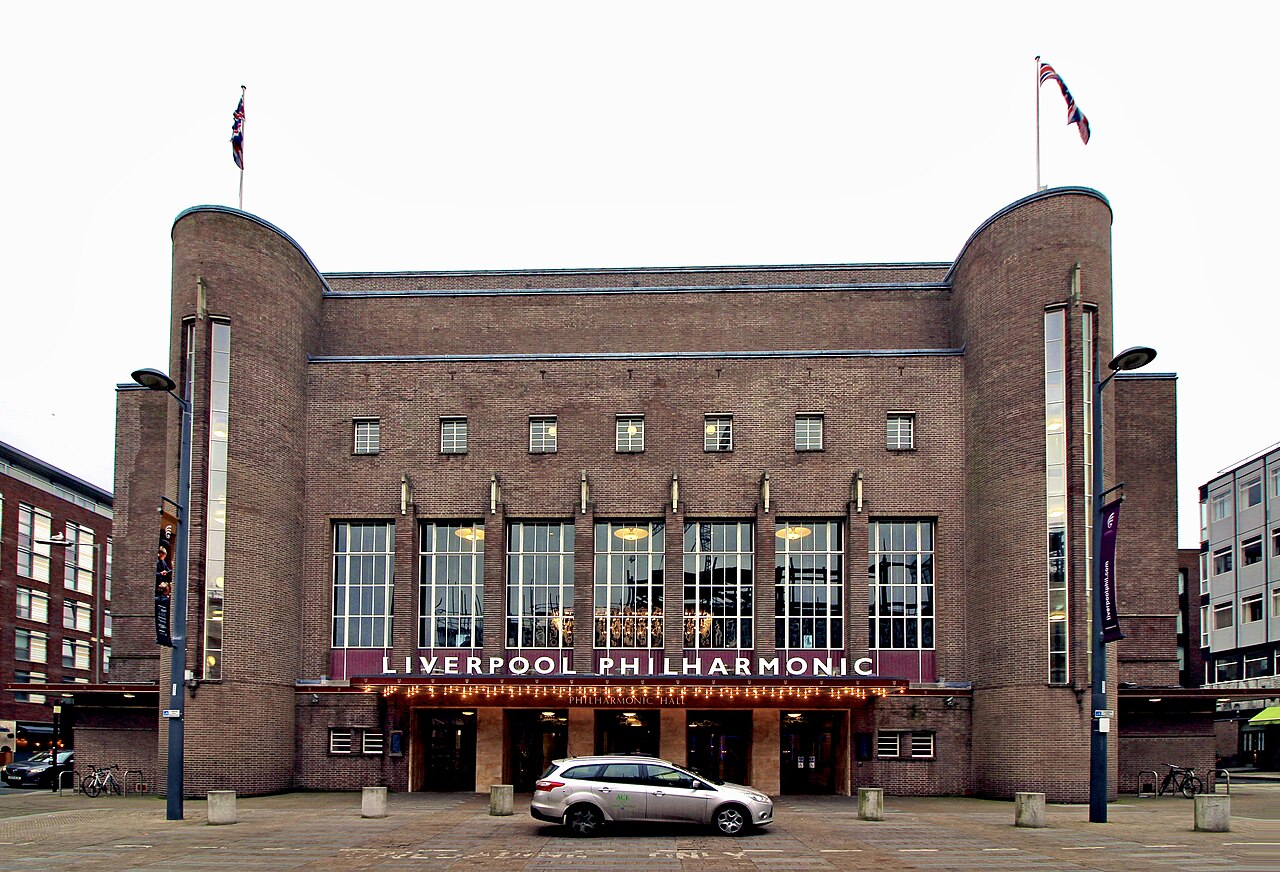
Cold October air bit through the concrete walls of the Liverpool Philharmonic Hall on the night of October 14, 2023. A low hum from the cooling fans of the Dell PowerEdge R740 server vibrated through the floorboards. Dr. Elena Rossi felt that vibration against the soles of her shoes. She sat alone in the dim light of the archives office.
Her eyes stayed fixed on the steady progression of a data transfer bar. The silence of the London-bound connection amplified the clicking of the hard drives. Every few seconds, a small green light on the primary server blinked. It signaled another packet of data moving toward its destination in the London backup site. This massive transfer contained the entire Merseybeat Legacy Collection.
Dr. Rossi rubbed her tired eyes. The weight of a twelve-hour shift pressed down on her shoulders. This digital preservation project required her absolute focus. Even a small error could destroy the integrity of the files.
She spent months organizing the digital metadata for the upcoming seasonal exhibition. The sheer volume of information kept her awake. Even when the physical work ended, her mind raced. A single mistake during this synchronization process could erase decades of careful curation. She watched the screen with the intensity of a hawk.
Monitors cast a pale, clinical glow over the stacks of acid-free folders on her desk. She watched the progress bar. It moved with a slow, agonizing crawl across the screen.
The connection between Liverpool and the London site remained steady for the first four hours. Everything followed the strict protocols she established for the project. Then, the screen froze. The blue progress bar turned a dull, static grey.
A Sudden Death in the Data Stream
A sharp, sudden silence filled the room when the network connection snapped. The progress bar stopped dead at ninety-degreepoint completion. Dr. Rossi leaned forward.
Her breath caught in her throat as she checked the connection status. The AnyDesk remote desktop protocol managed the synchronization of these high-resolution scans. Now, it showed a disconnected status. The link to the London backup site vanished without a single warning.
Panic moved through her like a cold sensation in her chest. It spread quickly to her fingertips. She clicked the refresh button. She hoped for a momentary glitch in the local router.
The error message on the screen provided a terrifying reality. A sudden network timeout during the large file transfer triggered a critical failure. The system no longer just disconnected. It actively struggled to maintain its basic functions.
The server rack groaned under the strain of the interrupted write command. Dr. Rossi watched the terminal window. Lines of even red text began to scroll past with frantic speed.
A write error occurred on the primary RAID controller. This controller acts as the heart of the storage array. This error meant the data being written at the 11:42 PM moment might be corrupted. The hardware struggled to reconcile the broken stream of information with the existing file structure. The physical disks spun with a frantic, uneven rhythm.
She reached for the desk phone. Her hands trembled slightly. The archive office felt much larger and much emptier than it had ten minutes ago. The shadows in the corners of the room seemed to deepen.
They pressed inward against the light of her workstation. She knew the stability of the entire server depended on the next few minutes of manual intervention. The fate of the project hung on a single, malfunctioning piece of hardware. The silence of the hall broke only with the frantic clicking of her mouse.
She attempted to restart the AnyDesk session. The server refused the handshake. Every attempt to reconnect resulted in the same brutal error notification.
The digital bridge to London had collapsed. It left the Liverpool archives isolated and vulnerable. The weight of the failure sat heavily in the stagnant air of the office. She sat in the dark, staring at the dying light of the monitor.
Protecting the Merseybeat Legacy Collection
The Merseybeat Legacy Collection represents the physical soul of a musical era. It is not merely a group of files. It is a repository of the sounds that defined a decade. The collection contains the original 1963 EMI studio logs from Abbey Road Studios.
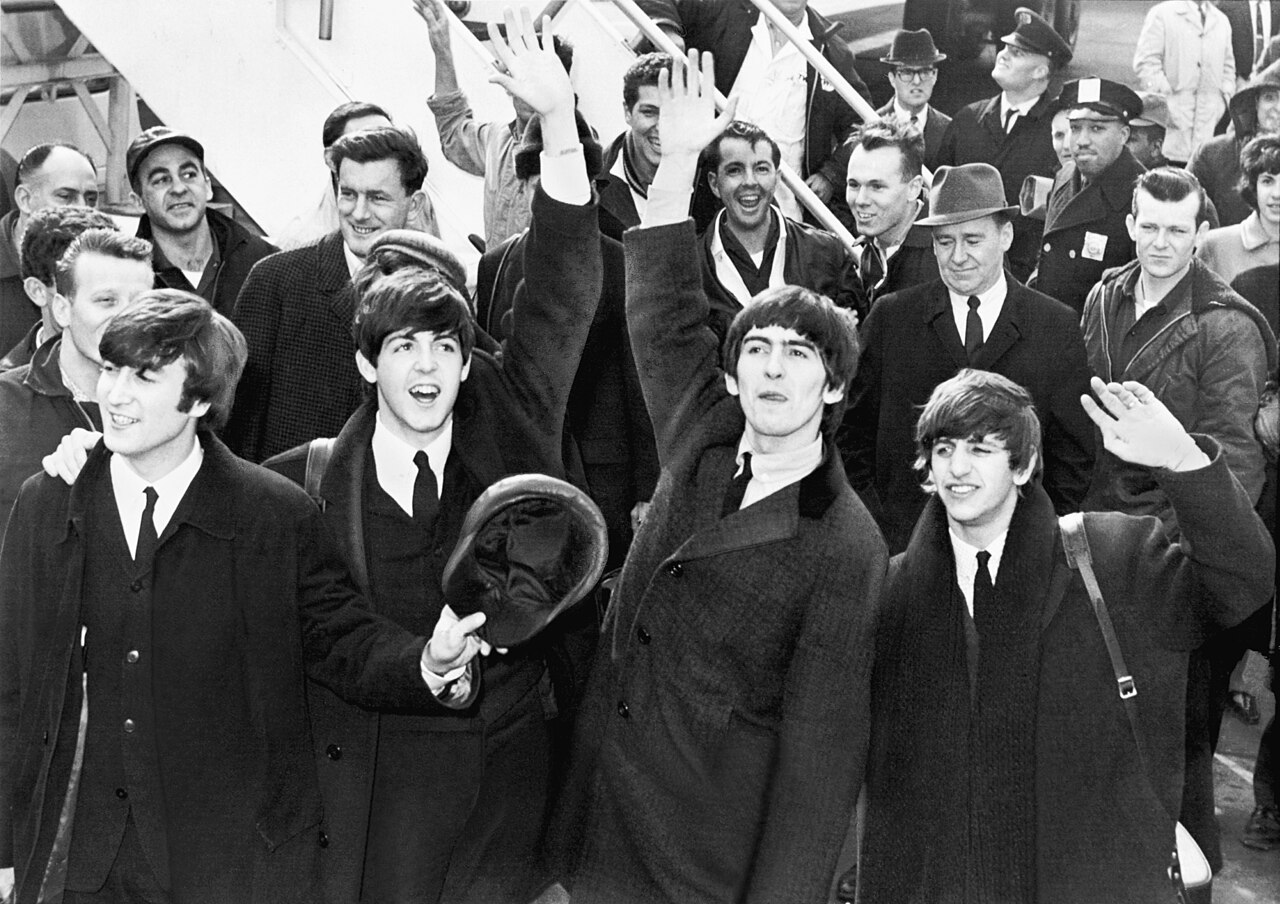
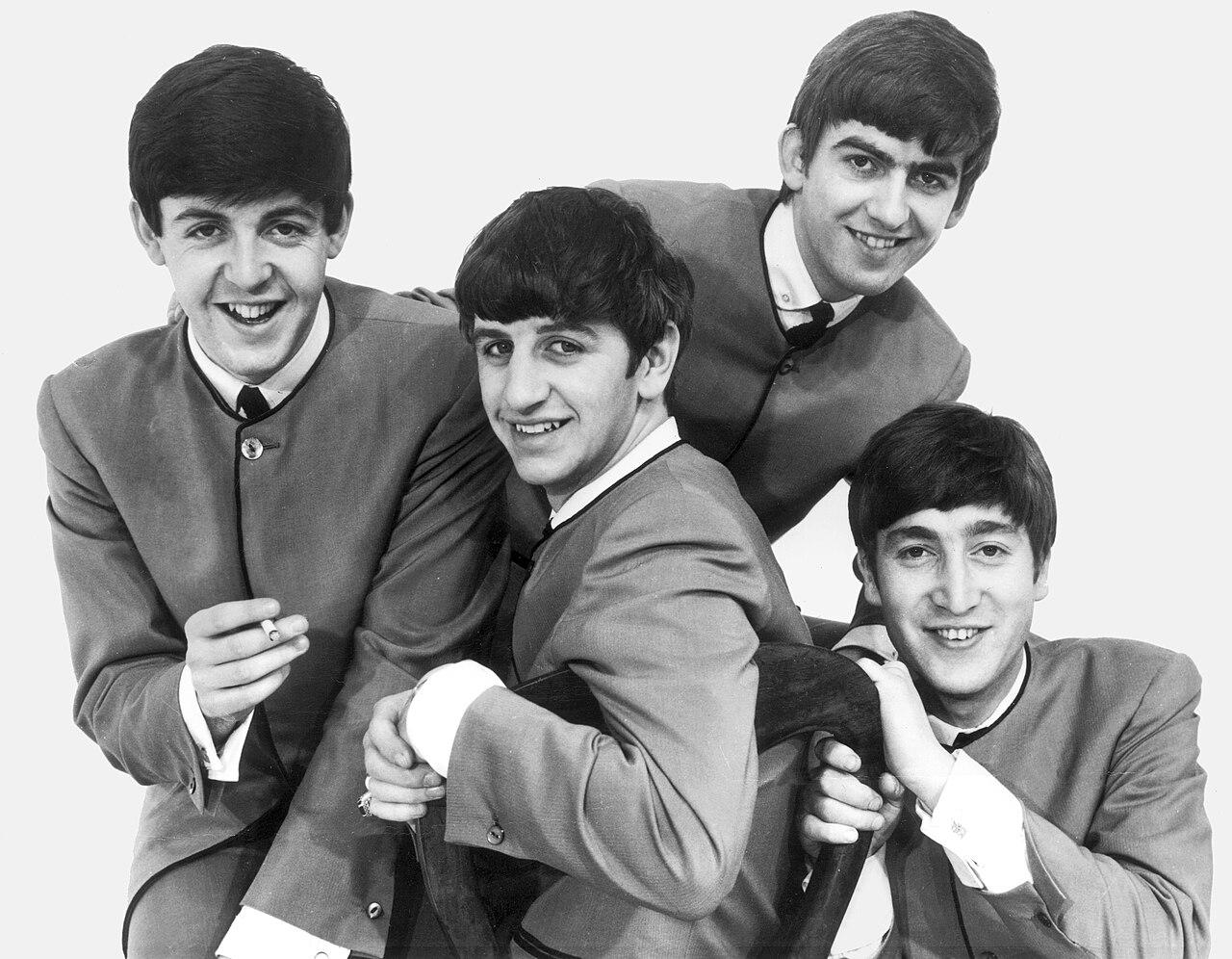
These logs hold the granular details of the Beatles' early sessions. They record the precise moments when melodies emerged. They note when engineers like Norman Smith corrected mistakes. Without these papers, the technical history of the 1960s would lose its most vital evidence.
The collection also houses digital high-resolution scans of unreleased mono takes from the 1962-1963 sessions. These recordings capture a raw, uncompressed energy. Stereo mixes often lose that specific punch. You can hear the separation of the guitars.
A biting, treble-heavy sound cuts through the dense percussion. These tracks provide a direct link to the studio atmosphere of a bygone era. They represent the DNA of modern pop music. Now, that DNA faced a digital threat.
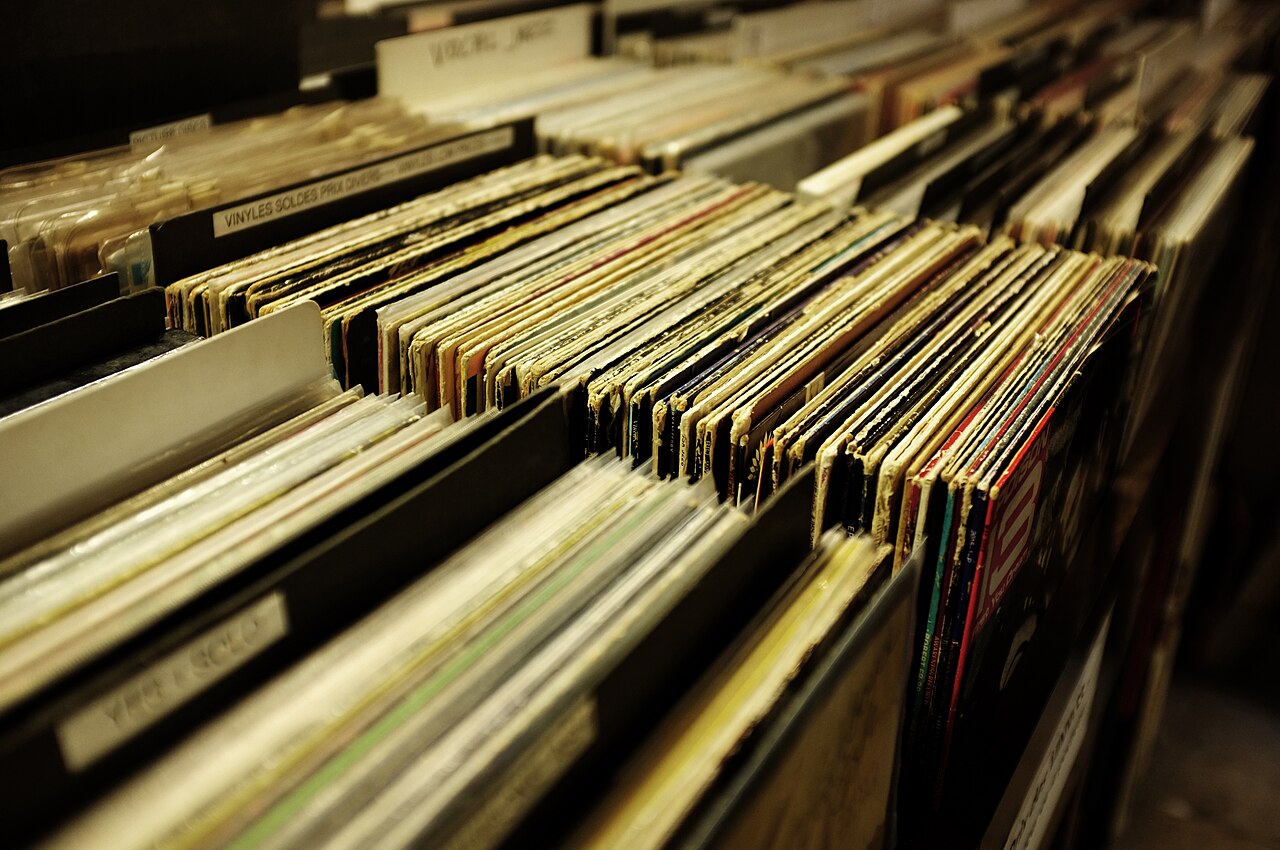
Rare 45rpm pressings from labels like Parlophone, Decca, and Ric-Carlton sit in the adjacent climate-controlled room. Each disc carries the physical scars of its history. You see light surface scratches and the faded ink of the center labels.
These records are the artifacts of a local industry. This industry once dominated the global charts. They represent a time when Liverpool sat at the center of the musical universe. The physical presence of these discs makes the digital loss feel even more personal.
"I can see the light, I can see the light, it's shining through the dark."
The 1964 Cavern Club live bootleg recordings represent the most fragile part of the archive. These recordings provide a grainy, low-fidelity window into the sweaty, loud atmosphere of the club. They capture the roar of the crowd.
They capture the distorted, overdriven sound of Vox AC30 amplifiers. The server crash threatened the only digital copy of these recordings. It left the club's legendary history at risk. The loss of these files would mean the permanent erasure of a specific, visceral moment in time.
Dr. Rossi knew the immense value of what she tried to protect. Every scan and every audio file represents a piece of cultural identity.
The Merseybeat Legacy Collection acts as a bridge between the past and the future. If the bridge collapses, the connection to our musical roots breaks forever. The responsibility of her role felt heavier than ever in the wake of the crash. She could not let the music die in a digital void.
The archive is a delicate ecosystem of paper, plastic, and silicon. It requires constant care to prevent the slow decay of time. The digital layer remains prone to sudden, violent destruction. While paper yellows and vinyl cracks, a single bit error can render a file completely unreadable. This vulnerability remains the greatest challenge facing modern music historians. The stakes of the 2023 incident involved nothing less than the survival of this history.
The Anatomy of a RAID Failure
The AnyDesk remote desktop protocol acted as the umbilical cord for the entire operation. It allowed the Liverpool team to push massive, high-resolution image files to the London site. This synchronization ensured that a secondary copy always existed in a different geographic location. The process remained automated. It required constant monitoring during large-scale transfers. The hardware performed the heavy lifting, but the software managed the path.
A sudden network timeout disrupted the flow of data during the middle of the night. This timeout went beyond a simple disconnection of the internet service. It broke the communication between the local server and the remote endpoint. The transfer of the 1963 EMI logs stopped mid-stream. This interruption left the server in a state of confusion. It could not determine which data the system had successfully written.
The primary RAID controller manages the redundancy of the hard drive array. It reacted poorly to the interruption. A write error occurred as the controller attempted to finalize a block of running data. That data no longer arrived.
This error forced the controller into a read-0nly mode to prevent further corruption. The array sat locked. The data remained trapped behind a wall of failed instructions. The very mechanism designed to protect the data became a barrier to its access.
The error triggered a digital heart attack. Dr. Rossi stared at the error logs. They detailed the failure of the disk parity checks.
The controller could no longer verify the integrity of the stripes across the drives. This meant that any new data written to the array could overwrite the old, uncorrupted data. The risk of a total array collapse remained high. The physical disks spun, but the logical structure of the files disintegrated.
The cooling fans in the server rack began to spin at a higher, more desperate pitch. The system tried to re-index the damaged sectors. This process consumed massive amounts of CPU power. Each failed attempt to re-index resulted in another error message on the screen.
The archive office no longer functioned as a place of quiet study. It had become a high-stakes command center. The technical failure stood absolute. It required immediate, specialized intervention.
The AnyDesk connection remained dead. The London team could not assist remotely. The local hardware sat isolated.
The damage occurred within the physical confines of the Liverpool Hall. There remained no way to bypass the controller through software alone. The battle for the Merseybeat Legacy Collection moved from digital management to physical repair. The survival of the data now depended on the arrival of a specialist.
The Seventy-Two Hour Siege
Marcus Thorne arrived at the Liverpool Philharmonic Hall with a heavy, specialized kit bag. He is an IT technician who specializes in extreme hardware failure. His face showed little emotion.
He did not offer platitudes or false hope to Dr. Rossi. He went straight to the server room. He began inspecting the physical connections of the Dell PowerEdge unit.
Thorne plugged a specialized hardware-level data recovery tool directly into the corrupted drive array. He used a DeepSpar Disk Imager. This device bypassed the primary RAID controller. It attempted to communicate with the disks at the firmware level.
The process required a steady, controlled environment. He set up a temporary workstation. He surrounded himself with cables and diagnostic monitors. The room smelled of hot electronics and ozone.
The recovery process required 72 hours of continuous operation. Thorne could not turn the system off. Any power fluctuation could cause a permanent loss of the remaining data.
He sat in the dim light. His eyes stayed fixed on the progress of the sector-by-sector clone. The software attempted to rebuild the lost parity information bit by bit. Every successful sector provided a small victory in a much larger war.
Dr. Rossi stayed by his side. She provided documentation and monitored the temperature of the server room. They worked in shifts. The work never truly stopped.
The tension in the room felt palpable. It felt like a thick layer of anxiety coating every surface. Every time a drive made a clicking sound, both of them froze. They waited to see if it was the end. The 72-hour window felt like an eternity.
The recovery tool encountered several corrupted sectors that resisted all attempts at reading. Thorne manually adjusted the read timeouts. This process proved both tedious and nerve-wracking.
He worked with a precision that only comes from decades of dealing with dying hardware. His hands remained steady. He did not flinch even when the progress bar stalled for hours at a single percentage point. He stood as the only thing between the archive and total oblivion.
By the second night, exhaustion had set in deeply. The light from the monitors provided the only thing keeping them awake. The sound of the server room became a constant, oppressive presence in their minds.
They were no longer just technicians. They were guardians of a legacy. The 72-hour mission tested their endurance as much as their technical skill. The clock in the corner of the screen ticked toward the end of the third day.
The Fragility of Our Digital Memory
The successful recovery of the Merseybeat Legacy Collection brought a relief that left the team hollowed out. The 1964 Cavern Club live bootleg recordings remained safe. The 1961-1963 EMI logs also survived.
Marcus Thorne packed his gear and left the hall. He left behind a silence that felt different than before. The data returned, but the sense of vulnerability remained. The near-disaster stripped away the illusion of digital permanence.
Digital storage remains a fragile medium. It is far more precarious than the heavy paper of the 1960s. We rely on a complex chain of controllers, protocols, and network links. These components can fail in an instant.
A single network timeout can trigger a cascade of errors. This cascade threatens the very existence of our history. The 2021-2023 period showed us that the more we digitize, the more we risk. We build our monuments on shifting sands of silicon and electricity.
The cost of this history measures in more than just pounds and pence. It measures in the hours of labor and the intense psychological toll on the people who guard it. The work of an archivist remains invisible until something goes wrong. When the servers run, no one notices the importance of the data. When they fail, the entire weight of cultural loss falls upon a single room. We forget the fragility of the medium until the screen turns grey.
We must reconsider how we approach the preservation of the digital age. Relying on a single RAID controller or a single network link invites catastrophe. The Liverpool incident proves that redundancy must be physical and geographic. We need more than just a secondary site in London. We need a strategy that accounts for the inherent instability of the hardware itself. The tools of the future must be as resilient as the music they protect.
The Merseybeat Legacy Collection remains a treasure. It remains a wounded one. The scars of the 2023 failure appear in the new, more stringent protocols Dr.
Rossi implemented. Every transfer now undergoes monitoring by a secondary, independent system. Every drive forms part of a more complex, distributed architecture. The fear of that October night still lingers in the quiet corners of the archive office.
The music of the 1960s was loud, aggressive, and full of life. It was a sound that demanded to be heard. It changed the world. We have a duty to ensure that the digital echoes of that era do not fade into a silent, unreadable void. The battle for the archive never truly ends. We only win temporary pauses in the fight.