When the Support Act Steals the Show
Manchester sweat soaked the floor of the Lesser Free Trade Hall on a humid night in 1977. The Sex Pistols stood on stage, sneering at a crowd that barely knew what hit them. They opened for The Clash that night, delivering a performance that would rewrite the rules of rock and roll. This single gig changed everything for the North of England. Musicians like Noel Gallagher and Pete Best often point to this exact moment as the spark for the Manchester music scene.
Johnny Rotten spat lyrics that felt like physical blows. The energy in that cramped room bypassed the polished rock of the era. You could smell the stale beer and the cheap leather. This support act stole the show before the headliners even plugged in their Marshall stacks.
The Clash brought the heat, but the Pistols brought the chaos. That chaos became a blueprint for a decade of British indie music. Without that aggressive opening set, the entire trajectory of Manchester's output might have stayed stuck in the past. The grit of the Sex Pistols acted as a wrecking ball against the polite structures of 1970s mainstream pop.
Manchester, 1977: The Birth of a Movement
The Lesser Free Trade Hall felt small and claustrophobic. A few dozen people crowded around the stage, breathing in the same humid air. The Sex Pistols played with a frantic, unpolished desperation. They ignored technical perfection or long, indulgent solos. They only cared about the noise they could make right now.
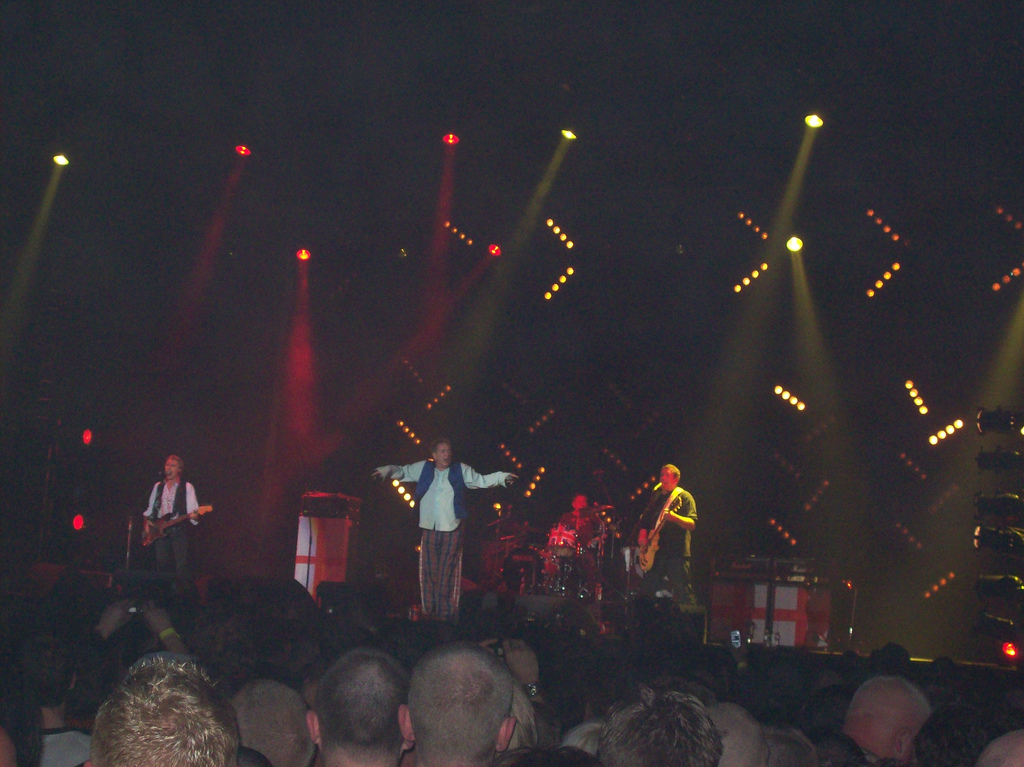
The Clash followed with a more structured, reggae-infused punk assault. Still, the audience remained fixated on the wreckage left behind by the Pistols. This tension created a vacuum that local musicians rushed to fill. It provided the raw materials for what would later become Joy Division and the Factory Records era. The sheer audacity of the opening set gave an entire city permission to experiment with noise.
Noel Gallagher often recalls the impact of this London-centric movement hitting the North. He saw the potential for something different in that localized aggression. The Pistols proved that you did not need a massive budget to command attention. You only needed a loud amplifier and a complete lack of shame.
That night in Manchester stayed in the minds of everyone present. It was not just a concert. It was a sudden, sharp shift in the cultural gravity of the city. The supporting act did not just play a set; they ignited a fire that burned through the late seventies.
The Smiths and the Power of the Rickenbacker
London clubs in 1984 felt dominated by polished, synth-heavy production. The Smiths arrived with a sound that felt like it was carved from something much older and much more organic. Johnny Marr plugged in his Rickenbacker 360 and unleashed a jangle that cut through the thick, electronic fog of the era. This guitar tone was bright, sharp, and physically present in every room they entered.
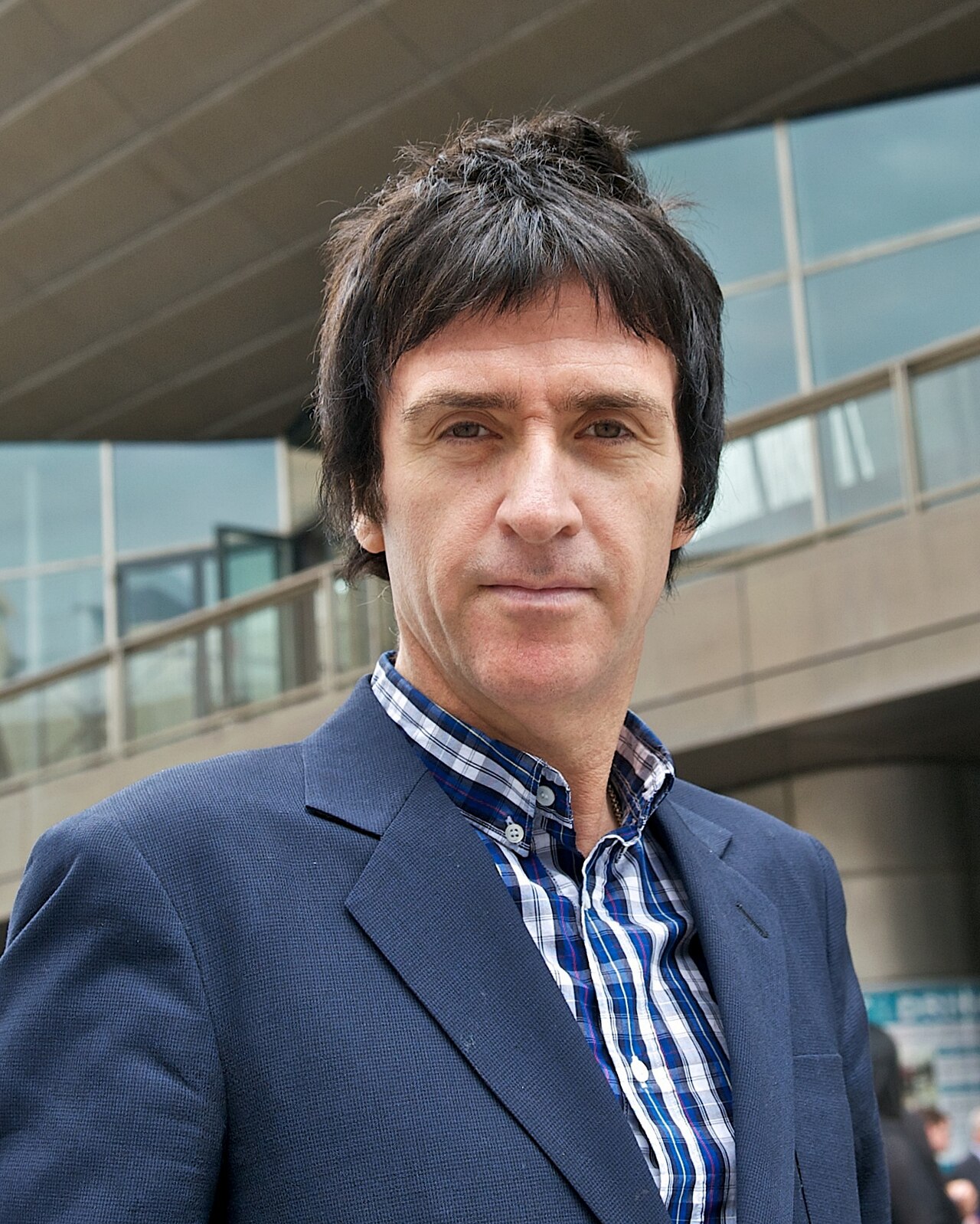
Morrissey provided the lyrical weight. He sang about Manchester rain and the crushing weight of loneliness with a specificity that felt like a private conversation. His lyrics avoided the vague tropes of eighties pop. Instead, they focused on the mundane, the miserable, and the beautiful. This combination of Marr's bright strings and Morrissey's gloom created a magnetic pull.
The band toured alongside more established indie acts that relied on much thicker, more traditional arrangements. Yet, the audience members always looked for that specific Rickenbacker chime. They wanted the sudden burst of melody that accompanied a particularly biting lyric. The Smiths were not just another band on the bill; they were a revelation.
The Smiths built a cult following that grew with every city they visited. Their presence made their touring partners seem much more anonymous. Marr's ability to layer melodic arpeggios made the other guitars sound muddy and unnecessary. By the time they finished their sets, the headliners often felt like an afterthought.
"I and the son and the heir, of the bright lights and the even brighter flare."
This lyric from "Barbarism Begins at Home" captures the exact tension of their sound. It is a mix of grandiosity and biting reality. The Smiths managed to be both much larger than life and intensely intimate. They did not need a massive light show when they had that specific, ringing guitar tone.
Metallica at Castle Donington, 1992
Castle Donington roared under the heavy clouds of the 1992 Monsters of Rock festival. The air tasted like dust and diesel. Metallica took the stage with a precision that felt terrifying. They were no longer just the thrash legends of the underground. They were becoming global superstars, and they played with the confidence of a conquering army.
The opening acts provided plenty of heavy metal noise. Many of the headliners relied on the classic, blues-undercut structures of the seventies. Metallica brought a technical speed that made the older bands sound sluggish. James Hetfield's down-picking on his ESP guitars was a percussive force. It hit the chest like a hammer hitting an anvil.
Kirk Hammett's solos moved with a fluid, liquid intensity. The sheer volume of the band's setup threatened to overwhelm the entire festival grounds. You could feel the low end of the bass vibrating in your teeth. It was a level of aggression that the more traditional headliners simply could not match.
The transition from thrash pioneers to arena giants happened in real time. Every song felt like an anthem waiting to happen. The crowd was not just watching a set; they were witnessing a takeover. The opening band effectively rewrote the rules of heavy metal right in front of the old guard.
Lollapalooza and the Shift to Grunge
The 1991 Lollapalooza tour brought a strange, eclectic energy to the American summer. Jane's Addiction led the charge with a psychedelic, funk-inflected alternative rock. They were the rising force of the moment, bringing a theatricality to the stage. The festival's structure allowed for a massive variety of sounds to clash.
The energy of the supporting acts, like the raw intensity of bands like Ice Nine Kiln Club, began to shift the focus. The traditional alternative rock of the late eighties was losing its grip. A new, heavier, and more distorted sound crept in from the Pacific Northwest. This marked the beginning of the grunge movement's total dominance.
The festival became a breeding ground for this sonic shift. While Jane's Addiction provided the spectacle, the smaller stages provided the grit. You could hear the heavy, sludge-fed riffs of the emerging grunge scene cutting through the more experimental textures. The audience was being primed for a much darker, much louder era of rock.
Lollapalooza acted as a massive, traveling laboratory for new sounds. It allowed the burgeoning grunge movement to find its footing in the mainstream. The supporting acts provided the foundation for a total genre overhaul. By the end of the tour, the musical center of gravity had moved.
The Rise of Oasis at Reading Festival
Reading Festival in 1994 was a turning point for British guitar music. The lineup featured several established heavyweights and indie icons. Yet, the crowd's eyes remained fixed on the rising stars from Manchester. Oasis performed as a supporting act, but they played like they already owned the main stage.
The energy of their set was infectious and slightly dangerous. Noel Gallagher's songwriting possessed a massive, anthemic quality that felt much larger than the band's current fame. They played with a swagger that made the headliners seem tired and out of touch. The songs were loud, melodic, and impossible to ignore.
This performance helped propel "(What's the Story) Morning Glory?" to the number one spot on the UK Albums Chart. The momentum from the Reading set pushed the album into the cultural mainstream. It was a massive moment for Britpop. The band's presence overshadowed the more established acts on the bill entirely.
You could see the shift in the crowd's behavior. People were not just watching the headliners; they were waiting for the Gallagher brothers to arrive. The swagger of Oasis challenged the more polished indie bands of the early nineties. They brought a working-class bravado that felt much more vital than the existing alternative scene.
Dave Grohl and the Foo Fighters' Ascent
The 1996 tour of the Foo Fighters saw a band still finding its footing. They supported many of the grunge-era veterans who had defined the early nineties. Dave Grohl remained, in the hyper-fixated eyes of many, the drummer from Nirvana. He was a figure from a legendary past, stepping into a new, much more demanding role.
The energy on stage was undeniable. Grohl's stage presence was a high-voltage burst of pure, unadulterated rock and roll. He did not just play the songs; he attacked them with a physical intensity. This energy matched the release of *The Colour and the Shape* on Roswell Records. The album featured thick, crunchy guitars and incredibly tight drumming.
The songs had a melodic core that prevented them from becoming mere noise. Tracks like "Everlong" featured driving rhythms and much more complex structures than simple punk. This allowed the band to stand alongside the heavyweights of the era. They were not just a side project; they were a powerhouse.
The Foo Fighters proved that Grohl could lead a band of his own. They did not rely on the shadow of Nirvana to carry them. Instead, they built a new, massive sound that was entirely their own. By the end of the tour, the distinction between the supporting act and the headliner had almost disappeared.
Amy Winehouse and the Soul Revolution
London's music scene in 2004 was dominated by polished R&B and indie rock. Amy Winehouse appeared on much larger bills, supporting established soul and R&B artists. She arrived with a voice that sounded like it had been cured in smoke and heartbreak. It was a deep, textured contralto that felt much older than her years.
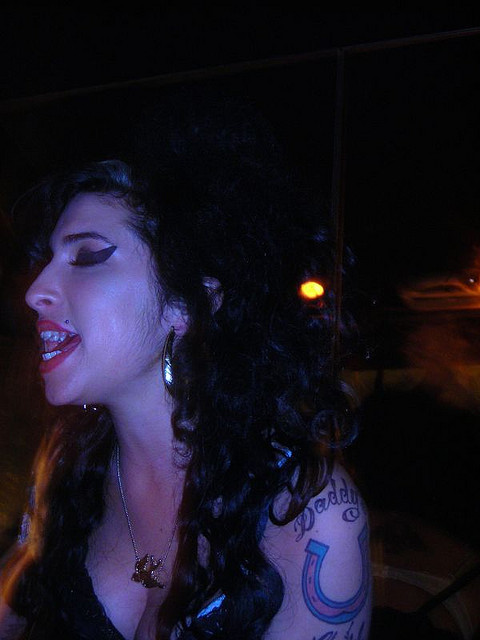
The release of *Back to Black* on Island Records changed everything. The album's production, handled by Mark Ronson and others, blended retro 60s soul with modern hip-hop beats. It was a sharp, biting sound that cut through the clutter of the mid-2000s. The songwriting was brutally honest and deeply personal.
The UK music press immediately latched onto her. She was not just another talented singer; she embodied a singular force of nature. Her performances were raw and often unpredictable. The sheer weight of her talent made the larger artists she supported seem almost ornamental.
The soul revolution she led was not just about music; it was about an aesthetic. The beehives, the winged eyeliner, and the unapologetic vulnerability created a massive cultural moment. She became the primary focus of the entire industry. The supporting act had become the main event.
The 1975 and the New Indie Aesthetic
The 1975 began their career touring the small, sweaty clubs of the UK in 2013. They often paired with other bands in the burgeoning indie-pop scene. These peers played much more traditional, guitar-driven indie music. The 1975 brought something much more polished and stylistically diverse to the stage.
Matty Healy possessed a distinct, almost theatrical aesthetic. He moved with a nervous, intense energy that captured the attention of every person in the room. The band's production, especially on their self-titled debut, was incredibly sharp. It utilized 80s-style synths and clean, rhythmic guitar parts.
The sound was much more layered than their contemporaries. They used much more space and much more complex textures. This polished approach allowed them to eclipse their touring companions almost immediately. They were not just playing indie pop; they were creating a new, highly produced version of it.
The band's ability to blend pop sensibilities with a certain kind of art-school cynicism was their greatest strength. They used much more sophisticated arrangements than the standard indie-pop template. This helped them transition from small clubs to massive arenas with very little friction. They were a modern, highly curated phenomenon.
The Shadow of the Opening Act
A great support act does more than just warm up the crowd. They alter the chemistry of the entire evening. When a band like the Sex Pistols or Metallica takes the stage, they set a new standard for what the audience expects. They create a tension that the headliner must then resolve.
Sometimes, the headliner fails to meet this new, higher energy level. The crowd remains stuck in the adrenaline spike of the opener. This happens particularly when the opening act possesses a much more modern or aggressive sound. The older, more established acts can suddenly feel like relics of a previous era.
The sheer technical precision of an act like Metallica can make a classic rock headliner look sloppy. The audience's ears have been trained to demand more speed, more volume, and more complexity. The opening act essentially hijacks the attention span of the entire festival.
This phenomenon creates a unique pressure for the main act. They are no longer just performing a set; they are fighting for relevance. They are competing with the ghost of the band that just left the stage. It is a difficult, often losing battle.
Why Headliners Lose Their Grip
Headliners often rely on familiarity and nostalgia. They play the hits that the crowd expects. This can lead to a sense of stagnation. A support act, conversely, offers the thrill of the unknown. They bring a fresh, uncorrupted energy that the headliner lacks.
The technical gap can also be significant. Newer bands often have access to much more advanced production and much more aggressive playing styles. When a band like the Foo Fighters plays with such immense power, it makes the older, blues-based acts seem much less vital. The sheer physical impact of the new sound is too much to ignore.
Cultural shifts also play a massive role. A band like Amy Winehouse can represent a complete departure from the existing pop landscape. Her sound was a direct challenge to the polished R&B of the time. She brought a level of grit that the headliners simply could to replicate.
The headliner's grip fails when they stop being a surprise. The support act is the only thing in the lineup that still feels dangerous. That danger is what the audience truly craves in a live setting.
Comments
Join the conversation
Leave a comment
Newsletter
Stay in the loop
New music, stories, and updates from Kurtis Delight.
Keep reading
MORE STORIES

10 Artists Who Completely Rebranded Their Sound
From Bowie's Ziggy Stardust to Kanye's 808s, discover the 10 most radical musical reinventions that left even the most loyal fanbases in total shock.
The 10 Most Expensive Music Videos Ever Made
From Michael Jackson's $7 million Scream to Madonna's luxury sets, we examine the world's costliest music videos and if the massive budgets paid off.

10 Times the B-Side Beat the A-Side
From The Beatles to Pearl Jam, discover 10 legendary instances where the B-side outshone the radio hit with raw energy and superior songwriting.
Enjoy the music
Listen to Kurtis Delight on Spotify
Stream the full catalogue - original productions, deep cuts and more.
Open on Spotify