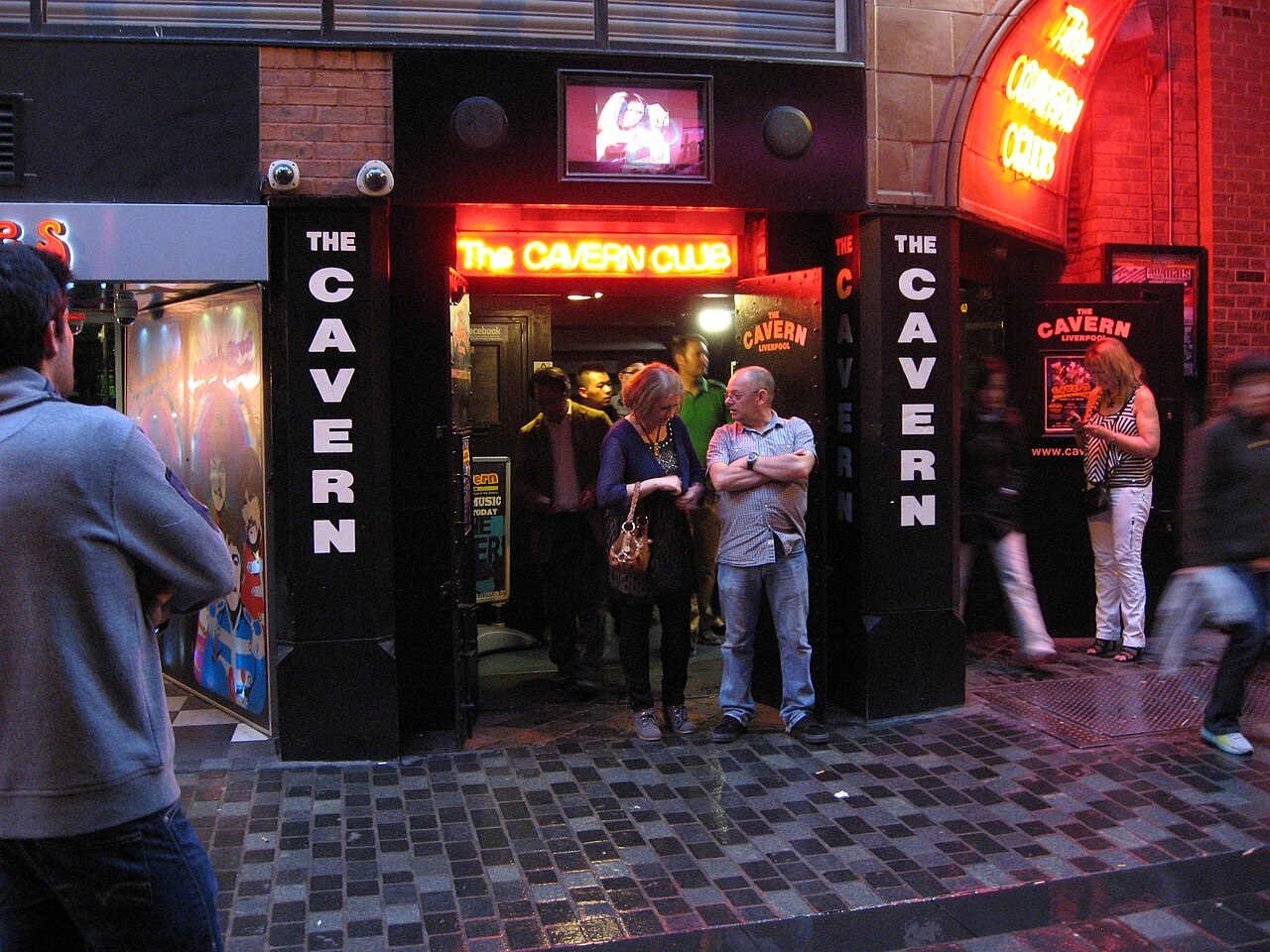
The Cavern Club basement smelled of damp salt and stale beer. 1962 brought heavy, humid air to the Liverpool cellar. Low ceilings pressed down on the crowd. Musicians like Gerry and the Pacemakers fought through the thick atmosphere to reach the audience.
You could smell the sweat of a thousand bodies. The damp brickwork clung to the air. That room fueled a movement. Nobody in that basement knew they were standing at the start of a revolution. They only wanted to play loud enough to be heard over the shouting fans.
The Cavern Club hosted the local scene's primary rehearsals. Bands honed their craft in the dark. The Beatles and Gerry and the Pacemakers shared these cramped, underground stages. The music felt raw.
It lacked the polished sheen of London studio recordings. Instead, the sound relied on pure volume and local grit. This era produced a specific energy that lived only in the underground. It created a period of intense, localized creativity. This period felt isolated from the rest of the world.
Many of these early performances never made it to tape. Local bands used primitive equipment. They often relied on simple cassette recorders or nothing at all. We have the legends.
We lack the granular details of those early, unpolished nights. The music lived in the moment. It vanished the instant musicians switched off their amplifiers. This loss makes the search for any surviving recordings desperate for historians.
Liverpool breathed a different rhythm in the early sixties. The Merseybeat sound grew in the shadows of the docks and the narrow streets. In 1962, the Cavern Club basement acted as a pressure cooker for talent. Bands practiced their sets under flickering lights.
They perfected the high-energy arrangements that would define the era. The sound was physical. It rattled the teeth of anyone standing too close to the stage. This was not the polite pop of the previous decade. It was something much more aggressive.
The Cavern Club Basement, 1962
The musicians played with a frantic, unpolished edge. They used heavy rhythms to drive the crowd into a frenzy. You could hear the struggle in the vocals. Singers pushed their voices to the breaking point. The humidity of the club actually changed the way the instruments sounded.
The moisture in the air made the drum skins slack. Guitar strings felt heavy. This created a thick, muddy texture. Some might call it messy. I call it honest. It was the sound of a city finding its own voice.
Searching for the lost Merseybeat demo tapes requires looking into these specific, localized moments. We look for the scraps of tape that might have captured a rehearsal. We look for late-night sessions. Musicians never intended these recordings for the public.
They used them as practice tools. Most of these tapes likely degraded in the damp environments of Liverpool basements. They suffered from heat, moisture, and simple neglect. Finding a clean copy of a 1962 session is like finding a needle in a haystack of magnetic decay.
The 1963 hit "Please Please Me" reached number one on the UK Singles Chart. This success marked the peak of the Merseybeat era's commercial dominance. It proved that the local sound could conquer the world.
The polished version on the radio lacks the grit of the Cavern. It strips away the edges that made the live shows so dangerous. I miss the version that sounds like it might fall apart at any second. That version is currently trapped in the lost archives of the Merseybeat era.
The dampness of the Liverpool climate acted as a slow poison for magnetic tape. Acetate-based recordings from this era are particularly vulnerable. When moisture penetrates the plastic base, the structure begins to fail. The layers of oxide can peel away from the core.
This physical destruction happened in thousands of basements across Merseyside. We are not just looking for lost songs. We are looking for fragments of a decaying physical medium. The survival of even a single reel is a miracle of preservation.
Decca's Rejection and the Search for Sound
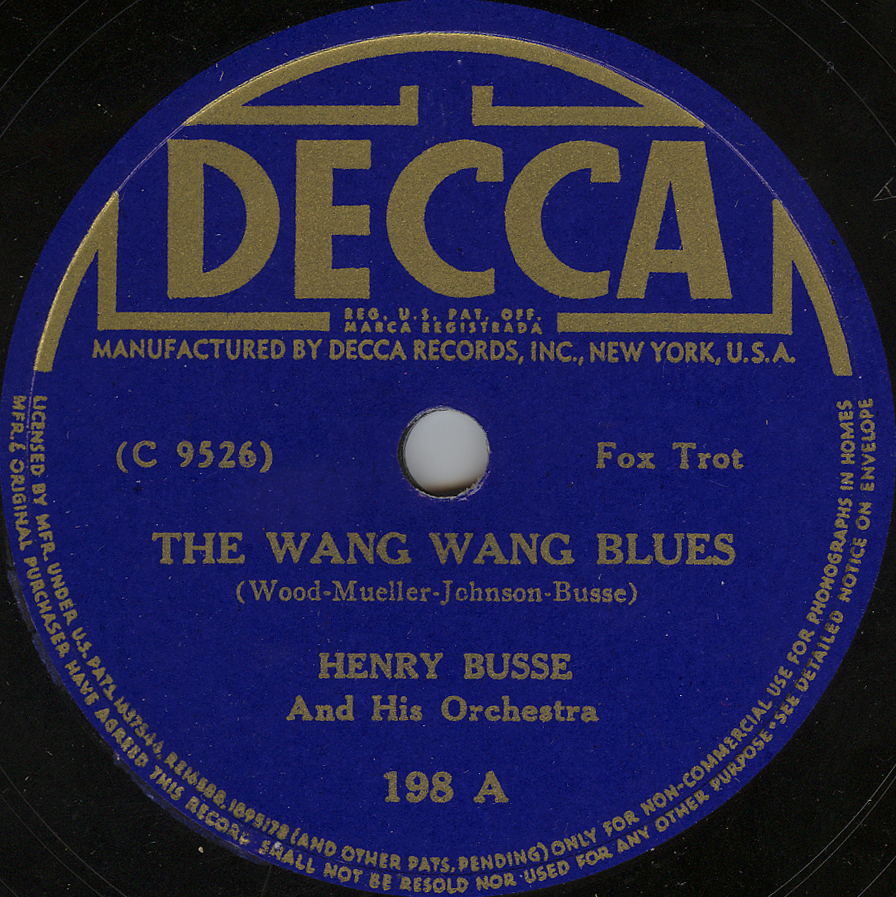
Decca Records famously rejected The Beatles during their audition on January 1, 1962. The executives claimed the band lacked the necessary appeal for a mass audience. This decision sent shockwaves through the Liverpool scene.
It forced the band to look elsewhere for a way forward. The rejection did not stop them. It changed their direction. It forced a period of intense, desperate searching for a label that would listen.
Brian Epstein changed the course of that search when he signed The Beatles to Parlophone in 1962. This move led to their first studio sessions at EMI Studios on June 6, 1962. The transition from the Cavern to the professional studio was a massive shift in scale. The environment was controlled. Engineers replaced the thick, humid air with precision. Musicians had to adapt to a world where microphones captured every mistake with clinical clarity.
Producer George Martin utilized a Neumann U47 condenser microphone to capture the vocal tracks. This microphone provided a clarity that the underground clubs could not offer. It captured the breath and the grit of the vocals.
The U47 became a tool for defining the new, professional sound of the band. Martin used this technology to highlight the group's strengths. He brought a professional polish to the raw energy they brought from Liverpool. The result was a sound that felt both familiar and brand new.
The loss of the pre-EMI tapes is a tragedy for the study of this transition. We have the polished studio results. We lack the bridge between the club and the studio. We do not have the recordings of the band trying to use the studio space.
We miss the moments where they struggled with the new, professional expectations. The gap between the Decca rejection and the June sessions is a void in our understanding. We only see the finished product. We do not see the process of refinement that occurred in the shadows.
"I was just a kid from Liverpool, and suddenly the whole world was listening."
A desire to bridge that void drives the search for any surviving tapes from this period. We want to hear the moment the raw energy met the professional microphone. We want to hear the uncertainty in the voices before they became icons. The transition from the Cavern to the EMI studio was not a smooth path. It was a period of intense adaptation and heavy experimentation. Finding even a single minute of audio from this era would be a massive discovery for music historians.
Hunting for Harry Lomax's Studio Tapes
Harry Lomax's Liverpool studio provided a vital outpost for the local music scene. During 1963 and 1964, many local Liverpool bands recorded demo tracks in this space. These recordings included names like The Searchers and Cilla Black. The studio provided a professional setting for bands that were still local acts. It was a place where the Merseybeat sound was documented in a more permanent form. These tapes represent a crucial, yet often overlooked, part of the Liverpool musical history.
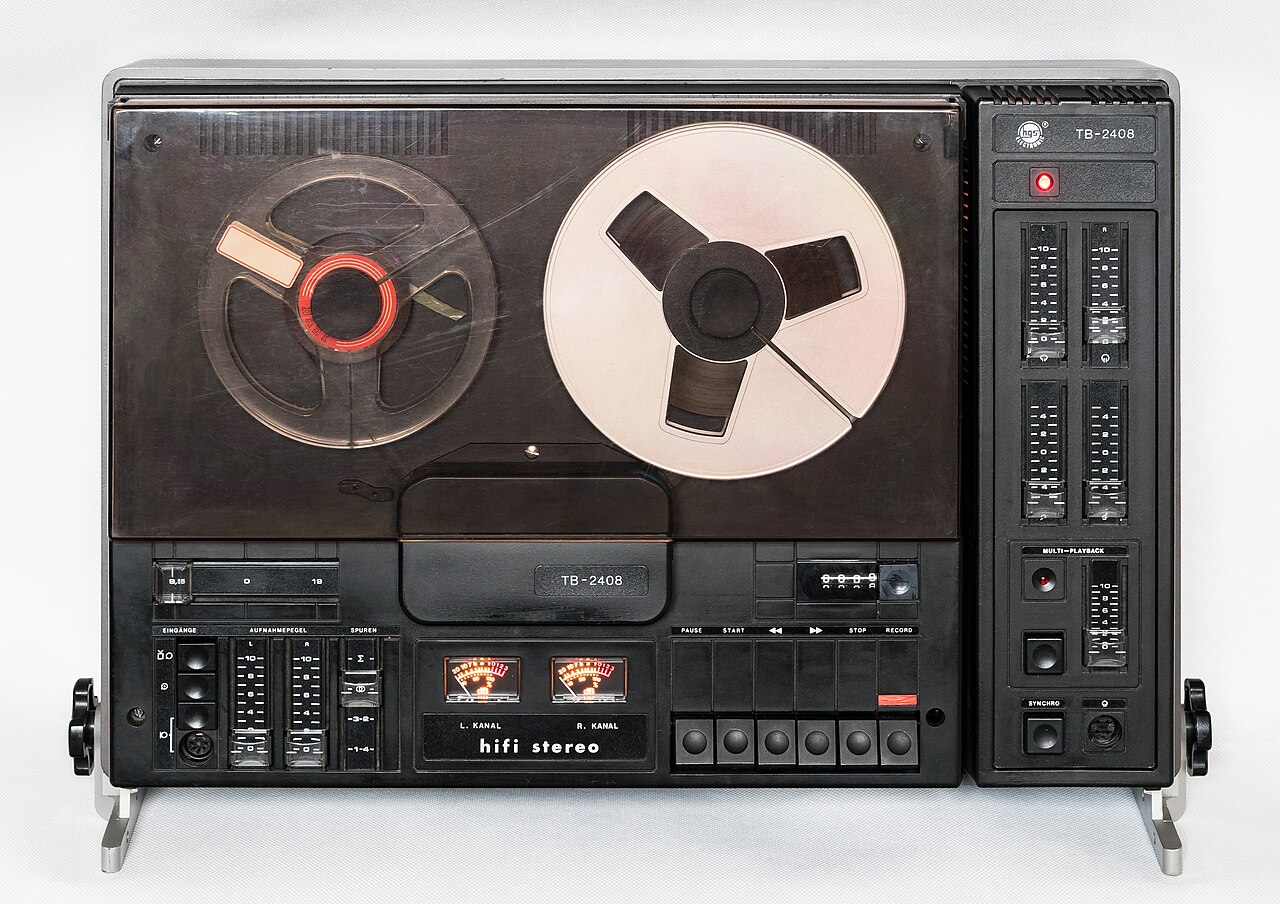
The Searchers used these sessions to refine their melodic, jangly approach to pop. Their recordings captured the bright, clean energy that would define their later hits. Cilla Black also used the space to develop her powerful, emotive vocal style.
The studio captured the transition from live performance to recorded art. Engineers often treated these tapes as disposable. This led to the loss or destruction of many reels over the decades. They were simply parts of the daily business of running a local studio.
Collectors struggle to track the archives of small, independent studios. Many musicians stored these tapes in basement studios and private collections across the Merseyside area. Some were lost during studio moves.
Others simply succumbed to the passage of time. The physical state of the magnetic tape is often poor. Many reels suffer from vinegar syndrome or extreme brittleness. The hunt is as much about preservation as it is about discovery.
Finding a complete set of Lomax demos would change our view of the Liverpool scene. It would provide a much larger picture of the talent present in the city. We would see the depth of the supporting cast that surrounded the major stars.
It would show the sheer volume of creativity happening in these small, local spaces. The importance of these sessions lies in their ability to provide context. They show the breadth of the movement beyond the top of the charts. They reveal the true scale of the Merseybeat explosion.
Missing Pete Best Era Recordings
August 1962 marked a period of intense upheaval for The Beatles. Pete Best was the original drummer for the band before his dismissal in that month. The period of his tenure remains one of the most fascinating eras in rock history. Early tapes from this era are among the highly sought-after lost recordings in existence.

They capture a band that was still fundamentally a local Liverpool unit. The sound was different. It was more frantic and perhaps more raw than the later, polished iterations. The loss of these recordings is a massive blow to the historical record.
The music from the Pete Best era possesses a specific, driving energy. The drumming was more straightforward. It provided a heavy, rhythmic foundation for the guitars. This era also includes the recordings made in Hamburg, Germany.
Tony Sheridan and The Beat Brothers recorded several tracks at Bert Kaempfert's studio in Hamburg during the 1961-1962 period. These sessions captured the band in a much more aggressive, rock and roll state. The influence of the German club scene is evident in the heavy, driving beat. It was a much more punishing style of music than the later pop hits.
The search for these tapes often leads to the remnants of the Hamburg club circuit. Musicians made many of these recordings on primitive equipment in loud, crowded environments. The technical quality is often low. The energy is palpable.
Collectors hunt for any scrap of audio that features Best's drumming. They look for the grit and the unpolished edge of the early band. These tapes represent the DNA of the band before they became a global phenomenon. They are the raw materials of a legend.
The dismissal of Pete Best changed the band's sonic structure forever. Ringo Starr brought a more sophisticated, melodic approach to the drums. This allowed for the more complex arrangements that George Martin would later implement.
The loss of the Best-era tapes means we miss the study of this fundamental shift. We cannot hear the exact moment the rhythm changed. We cannot hear the transition from the heavy, Hamburg style to the melodic, Abbey Road style. This gap in the audio history is a profound loss for anyone who loves the evolution of the band.
Vox AC30 and the Vanished Liverpool Tone
The bright, metallic ring of a Vox AC30 defined the Liverpool sound. This amplifier provided the bright, jangling guitar tone characteristic of the Liverpool scene. It was the essential piece of gear for almost every guitarist in the city.
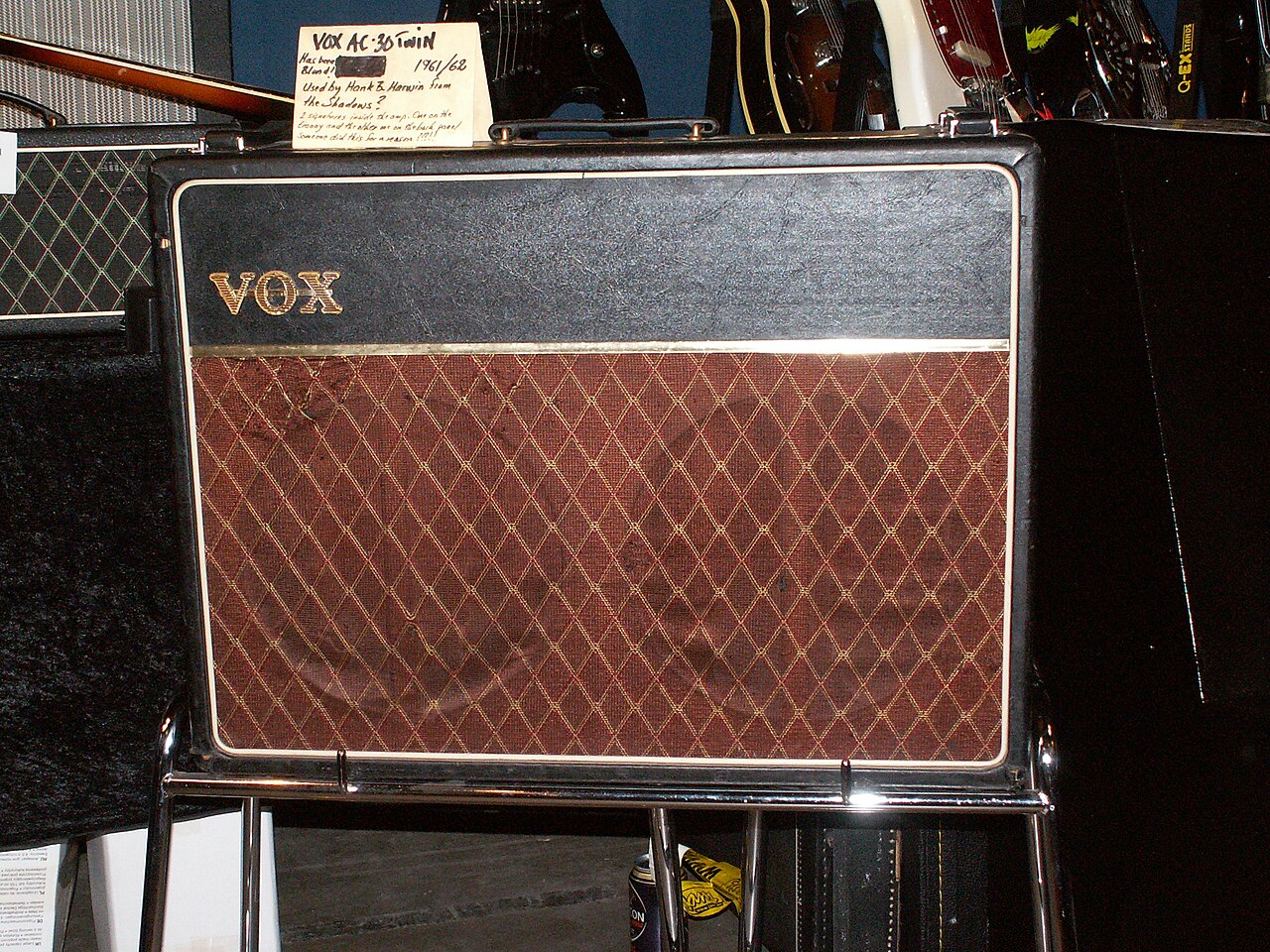
The AC30 had a specific way of reacting to the guitar signal. It produced a chime that cut through the thick, heavy sound of the drums. This tone was the signature of the Merseybeat era. It was a sound that felt clean yet aggressive.
Guitarists relied on the AC30 to provide clarity in loud, crowded clubs. The amplifier's ability to produce a high-end sparkle was crucial for the jangle. When paired with a Rickenbacker 360/12, the result was a piercing, bright sound.
This tone allowed the melodies to stand out even in the noisy Cavern Club. It was a physical presence in the room. You could feel the vibration of the speakers in your chest. This amplifier was the engine of the Merseybeat movement.
The loss of the original, uncompressed recordings means we lose the true character of this tone. Many surviving recordings are later reissues or heavily processed versions. They lack the direct, raw impact of the original signal hitting the tape.
We cannot truly hear the way the AC30 interacted with the room acoustics. The original, unadulterated sound is trapped in those lost, unreleased demos. We are left with a ghost of the real thing. The true, jangling magic is buried in those unrecovered tapes.
Preserving the memory of this sound is a heavy burden for music historians. We use modern Vox amps and high-end microphones to mimic the old way. The essence of the original sound remains tied to the original recordings. It is tied to the specific, uncompressed way the sound hit the magnetic tape in 1963. Without the original tapes, we are merely chasing an echo. The true, bright heart of the Liverpool sound remains hidden.
A Ghostly Echo in the Merseybeat Archives
Basement studios and private collections across the Merseyside area hold many unreleased demos from 1962-1965. These tapes represent a massive, unmapped archive of musical history. They are scattered across the region.
They hide in old attics and dusty storage units. People likely threw some away during house clearances in the late seventies. Others might still exist, waiting in the hands of an unsuspecting collector. The sheer volume of lost material is staggering to contemplate.
The search for these tapes is a labor of love for a small group of dedicated researchers. They scour estate sales and old music shops in Liverpool and surrounding towns. They look for any sign of a reel-to-reel or a cassette tape from the era.
The difficulty is that many of these people have no idea what they possess. A piece of history might be sitting in a box of old household junk. The discovery of even a single, playable reel would change everything for the music community. It would provide a new window into a lost era.
The Merseybeat era was a moment of intense, local creativity. It was a period when a small city could command the attention of the entire world. The music was a product of its environment, its people, and its unique, local energy.
The lost tapes are the physical remains of that energy. They are the fragments of a vanished world. Every time a collector finds a piece of old tape, there is a flicker of hope. There is the possibility that we might finally hear the full, unedited story of the Liverpool sound.
The true history of the Merseybeat era remains incomplete. We have the hits, the legends, and the polished studio albums. But we lack the raw, unvarnished truth of the early, unreleased sessions. We lack the mistakes, the experiments, and the pure, unadulterated energy of the underground. The lost tapes are the missing pieces of the puzzle. Until they are found, the true story of this era remains unfinished.