Why Your Teenage Music Stays Stuck in Your Brain
Seattle rain soaked the pavement outside the Moore Theatre in late 1991. Inside, the air felt heavy with the scent of damp denim and clove cigarettes. Kurt Cobain gripped his Fender Mustang, his fingers finding the grit in the strings. The distortion from his Boss DS-1 pedal tore through the room like a serrated blade. This specific energy defined a decade. When people search for the music you heard at 15, they search for that exact, visceral lightning strike.
Nirvana released Nevermind on DGC Records that same year. The album climbed to number one on the Billboard 200 with relentless momentum. It forced radio programmers at stations like KROQ in Los Angeles to scrap their hair-metal playlists. Suddenly, the quiet-loud dynamics of grunge replaced the polished sheen of 80s pop. This shift changed more than just the charts. It rewired the brains of every teenager listening to those FM frequencies.
The connection between our youth and our playlists goes beyond mere nostalgia. A biological hostage situation holds us captive. We carry these melodies in our neurons like fossils. Every time a specific bassline hits, a part of our teenage self wakes up. Our brains were literally under a construction zone during those formative years.
The Sonic Ghost of 1991
September 1991 marked a structural collapse in popular music. The polished production of the previous decade vanished almost overnight. Nevermind brought a raw, unwashed texture to the mainstream. You could hear the physical vibration of the drums and the hiss of the amplifiers. This sonic grit provided a perfect canvas for adolescent angst.

Kurt Cobain understood how to manipulate tension. He often cited the Pixies as a primary influence on his songwriting. In an interview with Rolling Stone, Cobain discussed how the Pixies used sudden shifts in volume and intensity. He mirrored that dynamic in his own compositions. He would pull the listener into a quiet, brooding verse before slamming them with a massive, distorted chorus.
"I was influenced by the Pixies... the way they could go from a whisper to a scream."
These structural patterns create a physical response in the listener. The sudden influx of sound triggers an immediate physiological reaction. When a teenager hears a sudden burst of distortion, their heart rate spikes. This tension and release cycle becomes a blueprint for musical pleasure. It trains the ear to crave the very thing that disrupts its peace.
Radio rotation changed because the music demanded it. The heavy, mid-frequencies of grunge cut through the static of car radios. Listeners felt the impact of every snare hit. This era also saw the heavy presence of bands like Pearl Jam and Soundgoing on the Lollapalooza tours. The music acted as a mirror reflecting the messy, unrefined reality of growing up.
Engineers like Butch Vig played a massive role in this sonic shift. Working out of Pachyderm Studio in Minnesota, Vig captured a sound that felt both massive and intimate. He utilized heavy compression and layered guitars to create a wall of sound. This production style provided the necessary weight for the era's emotional weight. It turned simple three-chord songs into monumental anthems.
The Biology of the Reminiscence Bump
Psychologists call this effect the "Reminiscence Bump." It describes the tendency for adults over 30 to possess a heightened memory for events occurring between ages 12 and 22. You might forget what you ate for lunch yesterday. You will never forget the first time a certain guitar riff made your skin crawl. This window of time acts as a high-definition recording for our personal histories.
Neuroscientist Dr. Sam Glenn of the University of Bristol has studied these neural pathways. His research shows that adolescent brains are uniquely sensitive to auditory stimuli. The brain forms deep, permanent connections during this period. These connections encode strong emotional associations with the sounds we hear. Every song becomes a marker for a particular memory or feeling.
Dr. Daniel J. Berlyne conducted research in the 1970s regarding aesthetics.
He found that the "arousal" caused by complex, new stimuli during puberty creates a permanent template. This template dictates what our brains later perceive as pleasurable. If a song challenged your ears when you were fifteen, it set a permanent standard. Later, even the most polished pop songs might feel hollow by comparison.
The brain essentially maps its emotional territory. We use music to label our first heartbreaks and our first triumphs. Because the neural pathways are still forming, these labels stick. The music becomes part of the architecture of our identity. It is not just a soundtrack; it is the foundation of our internal world.
Synaptic pruning also plays a role in this biological permanence. During adolescence, the brain aggressively eliminates unused connections to increase efficiency. The pathways used to process the music you love are reinforced and strengthened. The connections for less impactful sounds are pruned away. This makes your teenage favorites biologically harder to erase than almost any other memory.
Dopamine and the Adolescent Brain
The ventral striatum acts as the brain's reward center. During adolescence, this system reacts with intense ferocity to novelty. A new song is not just a melody. It is a massive, concentrated dose of dopamine. The adolescent brain experiences a biological event that the adult brain simply cannot replicate.
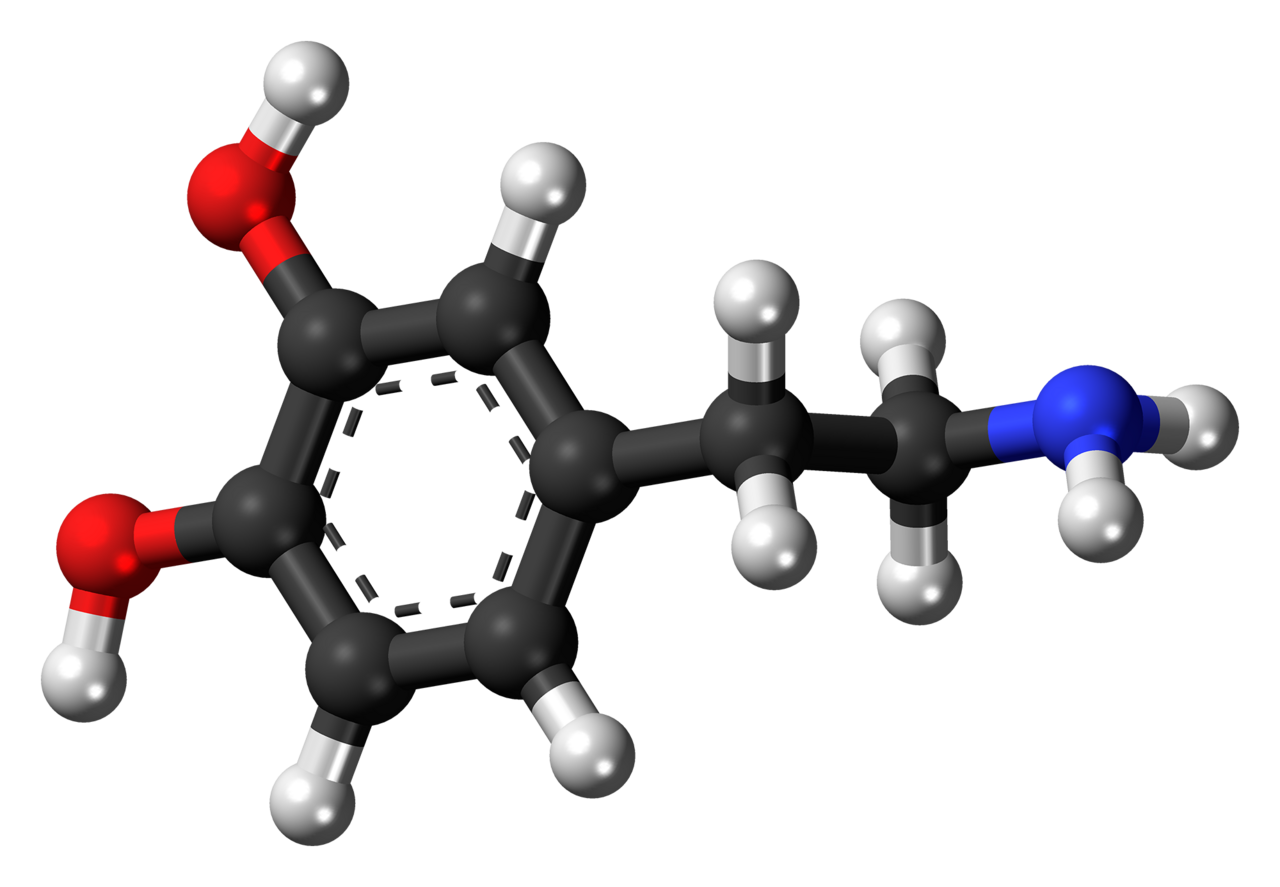
The dopamine system in the adolescent brain functions like an unregulated amplifier. When you encounter a "hit" song for the first time, the flood of neurochemicals is overwhelming. This creates a profound, almost addictive bond with the music. You are not just enjoying a song; you are experiencing a chemical surge. This makes the music you heard at 15 feel much more potent than anything you hear today.
The mid-1990s introduced a new way to trigger this system. In 1999, the rise of Napster changed everything. Teenagers moved away from the physical ownership of CDs. They moved toward the immediate, dopamine-driven gratification of digital discovery. The ability to find a new track in seconds turned music consumption into a high-speed hunt. This constant stream of novelty further sensitized the adolescent reward pathways.
This era of discovery heightened the stakes of every playback. Every new file downloaded felt like a small victory. The excitement of the hunt accompanied the enjoyment of the song. This reinforced the link between music and instant gratification. Our brains learned to associate the act of finding music with a significant neurological reward.
Consider the impact of the CD era peak in the late 90s. The ritual of opening a jewel case and reading the liner notes added a layer of tactile satisfaction. You held the physical manifestation of the sound in your hands. This physical connection grounded the dopamine spike in a tangible reality. It turned a digital signal into a personal treasure.
Building an Identity Through Sound
Dr. Rachel Smith at the University of Manchester focuses on the "identity-forming" years. She studies the period between ages 14 and 16 with great interest. During these years, a feedback loop develops between music and the self. The music we choose reflects who we are becoming. Simultaneously, the music shapes our developing personalities.

Radiohead released OK Computer in 19
Radiohead released OK Computer in 1997 through Capitol Records. This album arrived exactly when the adolescent brain was at its peak plasticity. The prefrontal cortex was still undergoing significant development. The complex, disorienting textures of tracks like "Paranoid Android" provided a perfect soundtrack for a period of internal upheaval. The music matched the confusion of a developing mind.
Identity is not a static thing. It is a continuous process of assembly. We use certain genres to signal our allegiances to others. We use certain lyrics to articulate feelings we cannot yet name. The music acts as a scaffolding for the ego. It provides the structure needed to hold our growing sense of self together.
Listening to a specific album can feel like revisiting an old version of yourself. You are not just remembering a song. You are remembering the person you were when you first heard it. This is why certain tracks feel so much more personal than others. They are the building blocks of your very existence.
The social aspect of this identity formation remains vital. In the late 90s, wearing a band t-tshirt from a local record store was a social signal. It told your peers exactly which subculture you inhabited. This outward expression of inward identity reinforced the neural connections between the music and your sense of belonging.
The Visual Reinforcement of MTV
MTV launched in 1981 and changed the sensory experience of music forever. The network introduced a visual-auditory synchronicity that reinforced emotional impact. Suddenly, you did not just hear the drums. You saw the drummer hit them in slow motion. You saw the lighting, the fashion, and the performance art.
This visual component added another layer to the memory. The brain processed two streams of intense information simultaneously. This dual stimulation made the music even more difficult to forget. A great music video could cement a song in your peak memory for decades. The imagery provided a physical anchor for the auditory experience.
The 1980s era of MTV created a shared visual language. Entire generations of teenagers saw the same aesthetics at the same time. This shared experience strengthened the social bonds formed around music. We all watched the same flickering images in our living rooms. The visual cues helped define the "cool" of the era.
Music videos functioned as short, intense emotional narratives. They told stories that complemented the lyrics. This helped deepen the emotional resonance of the songs. When the imagery matched the sonic intensity, the impact doubled. It created a multisensary imprint that resisted the passage of time.
Think about the impact of Michael Jackson's "Thriller" or Madonna's "Like a Virgin." These were not just songs; they were cinematic events. The heavy use of high-contrast lighting and specific costume design created a visual iconography. When you hear the opening notes of these tracks, your brain instantly retrieves the corresponding visual data. This multi-channel memory is incredibly resilient.
Why New Hits Never Feel the Same
New music often feels thin or superficial. This is not necessarily a flaw in modern production. The problem lies in our depleted dopamine reserves. The "shock" of the new has worn off. We have already established our permanent templates for what sounds "right" and "good."
The adolescent brain is an open wound. It is sensitive, reactive, and hungry for input. The adult brain is more like a scarred landscape.
It is stable, but it lacks the capacity for that initial, world-shattering impact. We can appreciate the technical skill of a modern producer. We can recognize a well-crafted melody. But we rarely feel the physical jolt that we felt in 1995.
The technology of music has also changed the way we listen. We no longer wait for the radio to play our favorite track. We do not hunt through crates for a rare import. The ease of access has lowered the stakes of discovery. The struggle to find music was part of the reward. Without the hunt, the dopamine hit feels much smaller.
We are essentially chasing ghosts. We look for that same feeling in every new release. We want the same rush we felt when we first heard a heavy bassline in a dark room. While we may never find that exact sensation again, the search is what keeps us listening. The music stays with us because it is the only thing that truly remembers who we were.