Why Sub-Bass Hits Your Chest: The Science of Sub-Bass
A heavy, low-frequency wave strikes the center of your sternum in a dark, crowded club, and for a split second, your breathing hitches. You do not merely hear the kick drum through your ears, but you feel the pressure of the shifting air against your ribs, creating a physical sensation that bypasses the auditory nerve entirely. This physical impact stems from how low-frequency sound waves interact with the biological structure of the human body. When a producer pushes the 30Hz range on a mixing console, they manipulate the very air that fills your lungs.
The sensation of being physically moved by sound relies on a specific set of acoustic conditions. Sound travels as longitudinal waves, which consist of pulses of high and low pressure moving through a medium like air or water. At the extreme bottom of the frequency spectrum, these waves become long, heavy, and incredibly slow. As these waves strike a listener, they do more than vibrate the eardrum, because they exert a measurable force against the skin, the underlying muscle, and the bone.
Looking past the speakers reveals the mechanics of our own anatomy. The body acts not as a solid, unyielding object, but as a collection of resonant cavities and soft tissues that react to external pressure. To grasp the science of sub-bass, one must understand how the physics of a waveform meets the biology of the human chest.
The Physics of the Thoracic Cavity
The human chest acts as a natural resonator, a hollow chamber that responds to specific frequencies with heightened intensity. Within the frequency range between 20Hz and 60Hz, the sound waves find a perfect match in the resonant frequency of the human thoracic cavity. When a speaker pushes out a 40Hz tone, it triggers a sympathetic vibration within your chest, making the lungs and ribcage oscillate in time with the music. A properly tuned subwoofer feels like a rhythmic pulse inside your organs rather than just a sound coming from a corner.
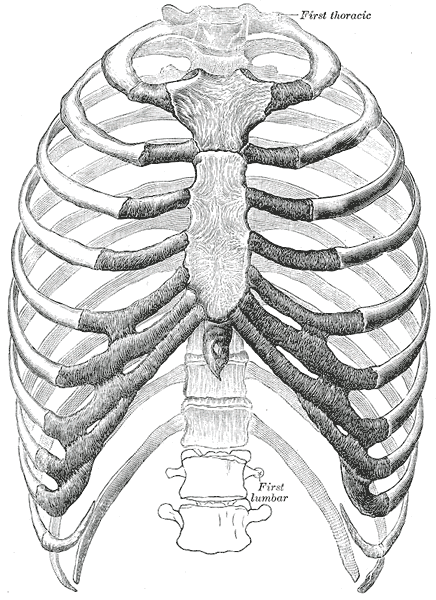
This resonance creates a violent, physical effect that you can feel even through thick clothing. The air inside your lungs expands and compresses under the passing pressure waves, creating a sensation of fullness or even a slight tightness in the chest. Engineers designing high-end studio monitors or club systems must account for this, because a frequency that is too high becomes purely auditory, whereas hitting that 20Hz to 60Hz sweet spot makes the experience somatic. You are no longer just a listener, you are a part of the acoustic circuit.
The density of the tissue in the chest also plays a role in how these waves propagate through the body. Because the lungs are filled with air, they provide a low-density medium that allows these long waves to pass through with minimal resistance. This allows the energy to travel deeper into the torso, where it can even interact with the diaphragm and the base of the throat. This visceral, inescapable physical event defines the experience of heavy electronic music.
The Roland TR-808 and the Birth of the Sub
The year 1980 changed the trajectory of popular music when the Roland TR-808 rhythm composer arrived in studios across the globe. While early critics dismissed the machine for its lack of realistic percussion, hip-hop producers quickly discovered that its true power lay in the decay of its kick drum. The 808 kick drum does not just click and decay; it possesses a long, booming tail that sinks deep into the sub-bass territory. This specific sound provided the foundational low-end for 1980s hip-hop and later became the primary DNA for modern trap music.
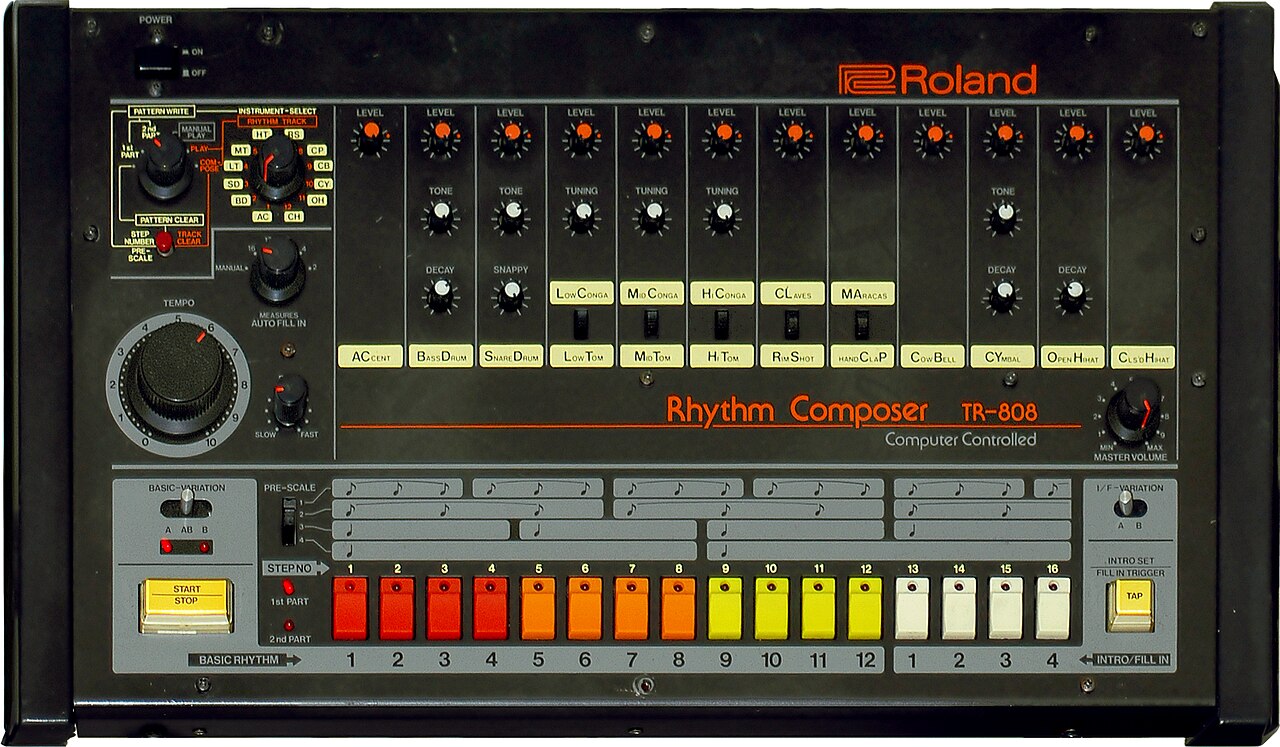
Producers like Marley Marl in New York or the architects of early electro found that the 808's sine-wave-like decay could fill the gaps in a sparse arrangement. By stretching the decay, they created a rhythmic pulse that functioned as both a drum and a melodic bassline. This allowed a single machine to provide the rhythmic drive and the harmonic weight necessary to move a dance floor. The 808 kick became a heavy, sustained pressure wave that could be felt in the floorboards of a club.
The 808 remains the king of the low end, especially within the subgenres of trap and drill. Artists like Metro Boomin or Mike WiLL Made-It use the 808's characteristic long decay to create a sense of tension and release. The way the sub-bass note lingers after the initial transient provides a sense of gravity to the track, anchoring the rapid-fire hi-hats and sharp snares. Without this specific, synthesized low-end, the entire aesthetic of modern urban music would collapse into a much thinner, less impactful state.
Side-chaining, Daft Punk, and the Pumping Effect
The way producers manage the relationship between the kick drum and the bassline determines whether a track breathes or suffocates. In the early 2000s, Daft Punk utilized heavy side-chain compression on their 2001 album Discovery to create a signature, rhythmic punctuation. This technique uses the signal from the kick drum to trigger a compressor on the bass track, momentarily ducking the volume of the bass every time the kick hits. The result is a "pumping" effect where the bass seems to retreat and then surge back into the mix, creating a wave-like motion.

This pumping effect does more than just prevent frequency masking, which is the muddying of the mix when two sounds occupy the same space. It adds a sense of physical movement to the music, making the low end feel like a living, breathing entity that reacts to the beat. When you listen to a track like "One More Time," the bass does not just sit beneath the vocals, it actively moves in response to the percussion. This creates a rhythmic interlocking that drives the listener to move in time with the swelling volume.
The technique requires a careful balance of attack and release times on the compressor to ensure the effect is musical rather than jarring. If the release is too slow, the bass will stay quiet for too long and lose its energy, but a release that is too fast can make the effect sound like a glitch. When executed correctly, as seen in the works of Daft Punk or much of the French House movement, side-chaining creates a sense of aerodynamic fluidity. The music feels like it is being sucked into a vacuum and then expelled with immense force, mirroring the very physical sensation of the sub-bass hitting the listener.
The Phantom Fundamental and Brain Deception
The human brain acts as an incredible processor of incomplete data, capable of reconstructing sounds that are not physically present in the audio stream. This psychoacoustic phenomenon, known as the "phantom fundamental," allows the brain to perceive a low frequency even when the actual waveform is is missing. When a recording plays a series of harmonics that suggest a lower note, the auditory cortex fills in the gaps, creating a perceived pitch that exists only in the listener's mind. This allows even small, inexpensive speakers to produce the illusion of deep, heavy bass.
This deception relies on the presence of overtones, the higher-frequency components that sit above the fundamental note. If a producer plays a note at 60Hz but includes strong harmonics at 120Hz, 180Hz, and 240Hz, the brain identifies the pattern and "hears" the 60Hz tone. This serves a vital purpose in music production, because it allows engineers to make a mix feel much larger than the playback system should technically allow. It is a trick of perception that turns a thin, mid-range sound into something that feels much deeper and more authoritative.
The phantom fundamental is not a perfect substitute for actual physical sub-bass. While the brain can be tricked into hearing the pitch, it cannot be tricked into feeling the physical pressure of a 30Hz wave in the chest. There is a profound difference between the cognitive recognition of a low note and the somatic experience of a vibrating ribcage. The most successful producers understand this distinction, using the phantom fundamental to provide clarity in the mid-range while reserving the true, heavy sub-frequencies for the massive, dedicated subwoofers of a club system.
G-Funk, Moog, and the Architecture of Low End
Dr. Dre's 1992 masterpiece The Chronic changed the architecture of West Coast hip-hop by introducing a melodic, smooth approach to the low end. Moving away from the aggressive, sampling-heavy style of his contemporaries, Dre utilized deep, melodic Moog synthesizer basslines to establish the template for G-funk. These basslines acted not just as rhythmic anchors, but as melodic protagonists that carried the soulful, laid-heavy atmosphere of the album. The Moog, with its thick, analog oscillators, provided a warmth and a weight that felt both luxurious and menacing.

The use of the Moog allowed for a much more fluid, legato playing style that mimed the feeling of a live funk band. Rather than the staccato, percussive hits of the 808, these basslines could glide between notes, creating a sense of effortless motion. This melodic approach to the sub-bass added a layer of sophistication to the genre, making the music feel more cinematic and expansive. It was a deliberate choice to move away from the gritty, lo-fi textures of early boom-bap toward something more polished and sonically dominant.
This era of production also emphasized the importance of the "pocket," the precise rhythmic relationship between the bass and the drum kit. In G-funk, the bass does not just follow the kick; it dances around it, providing a harmonic cushion that allows the high-pitched, whining synth leads to soar. The low end became a foundation of melody, proving that sub-bass could be much more than a rhythmic tool. It could be the very soul of a track, providing the emotional weight and the melodic identity that defined an entire era of hip-hop.
"The bass is the heartbeat of the track, the pulse that keeps everything in motion, and when you hit that low end, you are hitting the very core of the listener's physical being."
Berghain, Funktion-One, and Moving Massive Air
The legendary Berlin club Berghain is famous not just for its techno, but for its ability to physically overwhelm its occupants with sound. The venue utilizes massive Funktion-One sound systems, which are engineered specifically to move enormous volumes of $air$. Unlike standard PA systems that focus on vocal clarity or mid-range punch, the Funktion-One arrays ensure that sub-bass is felt as much as it is heard. This requires a level of power and precision that few other systems can replicate, turning the entire room into a giant, vibrating instrument.
To achieve this, the system must push low-frequency waves with enough amplitude to overcome the acoustic challenges of a large, concrete space. The subwoofers in a club like Berghain are not merely loud; they are designed to create a consistent, high-pressure environment that remains stable across the dance floor. This massive movement of air creates a physical atmosphere, a sense of density in the room that makes the music feel like a tangible substance. When the kick drum hits, the air itself seems to thicken, pressing against every person in the room.
The engineering of such a system involves complex calculations regarding phase alignment and room modes, ensuring that the low frequencies do not cancel each each other out. If the subwoofers are not perfectly synchronized, certain areas of the club might experience "dead zones" where the bass disappears, while others are hit with an unbearable, muddy boom. The success of the Funktion-One setup lies in its ability to maintain a coherent, powerful low-end presence that penetrates the architecture of the building. It is an architectural feat as much as an acoustic one, turning a cavernous industrial space into a focused, high-pressure sonic engine.
The Vestibular System and the Loss of Balance
The physical impact of extreme low-frequency sound extends beyond the chest and into the very mechanism that allows us to stand upright. The human vestibular system, located in the inner ear, is responsible for maintaining our sense of balance and spatial orientation. This system relies on tiny hair cells within the semicirculating canals that detect movement and gravity. In high-decibel environments, particularly those with intense sub-bass, the intense pressure waves can physically stimulate these structures, leading to a sensation of dizziness or vertigo.
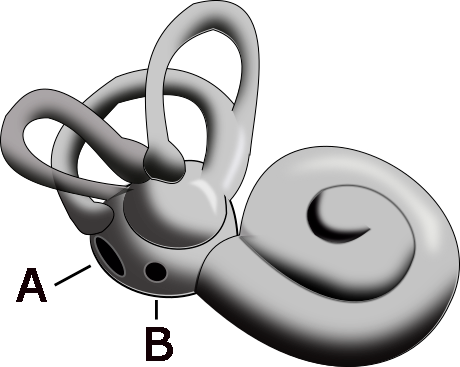
When the sub-bass is loud enough to vibrate the fluid within the inner ear, the brain receives conflicting signals about the body's position in space. The auditory system reports a massive, rhythmic movement, while the visual and proprioceptive systems may report a stationary state. This sensory mismatch can cause a genuine loss of balance, making the listener feel as though the floor is tilting or swaying beneath them. It is a disorienting, almost hallucinogenic experience that is often sought after in the most extreme corners of electronic dance music.
This physiological reaction explains why certain genres, such as dubstep or industrial techno, can feel so overwhelming and immersive. The music is not just playing in the room; it is actively interfering with the listener's biological ability to perceive stability. While this can be an exhilarating part of the club experience, it also highlights the sheer physical potency of low-frequency sound. We are not just listening to the music; we are being physically manipulated by it, our very sense of equilibrium subject to the power of the sub-bass.