WFMU's 24-Hour Loop: A Protest Against Corporate Radio
The sound does not stop. It does not resolve. It does not offer the relief of a final chord or the grace of a fading reverb tail. Instead, a single, nursery-rhyme melody hammers against the eardrums with the relentless precision of a metronome. This is not the avant-garde experimentation for which WFMU is famous. This is not a deep cut from a forgotten psych-rock 7-inch or a heavy dose of drone ambient. This is a psychological siege. The melody belongs to the late Shari Lewis, a master of puppetry and children's entertainment, and the song is "The Song That Never Ends." For twenty-four hours, the legendary New Jersey independent station broadcast nothing else. The loop functioned as a blunt instrument, a sonic weapon designed to grate, to annoy, and to signal a desperate, defiant stand against the encroaching rot of corporate radio.
The Sonic Weaponry of Shari Lewis

The potency of this protest lies in the inherent cruelty of the material. Shari Lewis, through her work on Lamb Chop's Play Along, mastered a specific type of melodic persistence. "The Song That Never Ends" is not merely a catchy tune. It is a structural anomaly. The lyrics promise a lack of conclusion, a refusal to exit the listener's consciousness. It exists in a state of permanent loop, much like the repetitive, mindless programming that dominates the FM dial today.
"This is the song that never ends, yes it does, it goes on and on, my friends..."
The melody carries a deceptive simplicity. It uses basic intervals and a predictable rhythm that allows the brain to anticipate every note. This anticipation creates a trap. When the song repeats, the listener experiences a psychological phenomenon where the brain attempts to find a way out, only to meet the exact same sequence of notes. It mimics the sensation of being stuck in a bureaucratic loop. By choosing this specific piece of Shames-era children's television, WFMU programmers selected a medium that turned nostalgia into a tool of irritation. They took a piece of childhood comfort and weaponized it, stripping away the warmth of Shari Lewis and leaving only the hollow, repetitive core. The song became a mirror for the very thing the station sought to oppose: a cycle of mindless, unvarying repetition that offers no new information and no intellectual escape.
The Threat of Corporate Consolidation

The context of this stunt was far from whimsical. WFMU, broadcasting from its home in New Jersey, exists as a rare anomaly in a medium that has largely surrendered to the interests of massive conglomerates. For decades, American radio underwent a brutal transformation. The Telecommunications Act of 1996 acted as the catalyst for this destruction. It allowed massive corporations like iHeartMedia, formerly Clear Channel, to acquire hundreds of stations, effectively erasing local identity in favor of centralized, automated programming. These giants do not care about the local community in Jersey City or the specific musical tastes of the Tri-State area. They care about demographic spreadsheets and the efficient delivery of advertising units.
Corporate radio operates through extreme homogenization. A programmer in a distant office decides the rotation of songs for fifty different markets simultaneously. This kills the DJ, kills the unexpected discovery, and kills the local voice. The threat to WFMU was not just about losing airtime; it was about the loss of autonomy. When corporate entities move into a market, they bring a rigid format. They demand "safe" playlists. They demand predictable patterns. They demand the removal of any element that might challenge the listener or disrupt the commercial flow. The station faced a future where the very idea of freeform, listener-supported radio could become obsolete under the weight of corporate restructuring and the economic pressure to conform to a nationalized, bland standard.
Twenty-Four Hours of Repetitive Madness
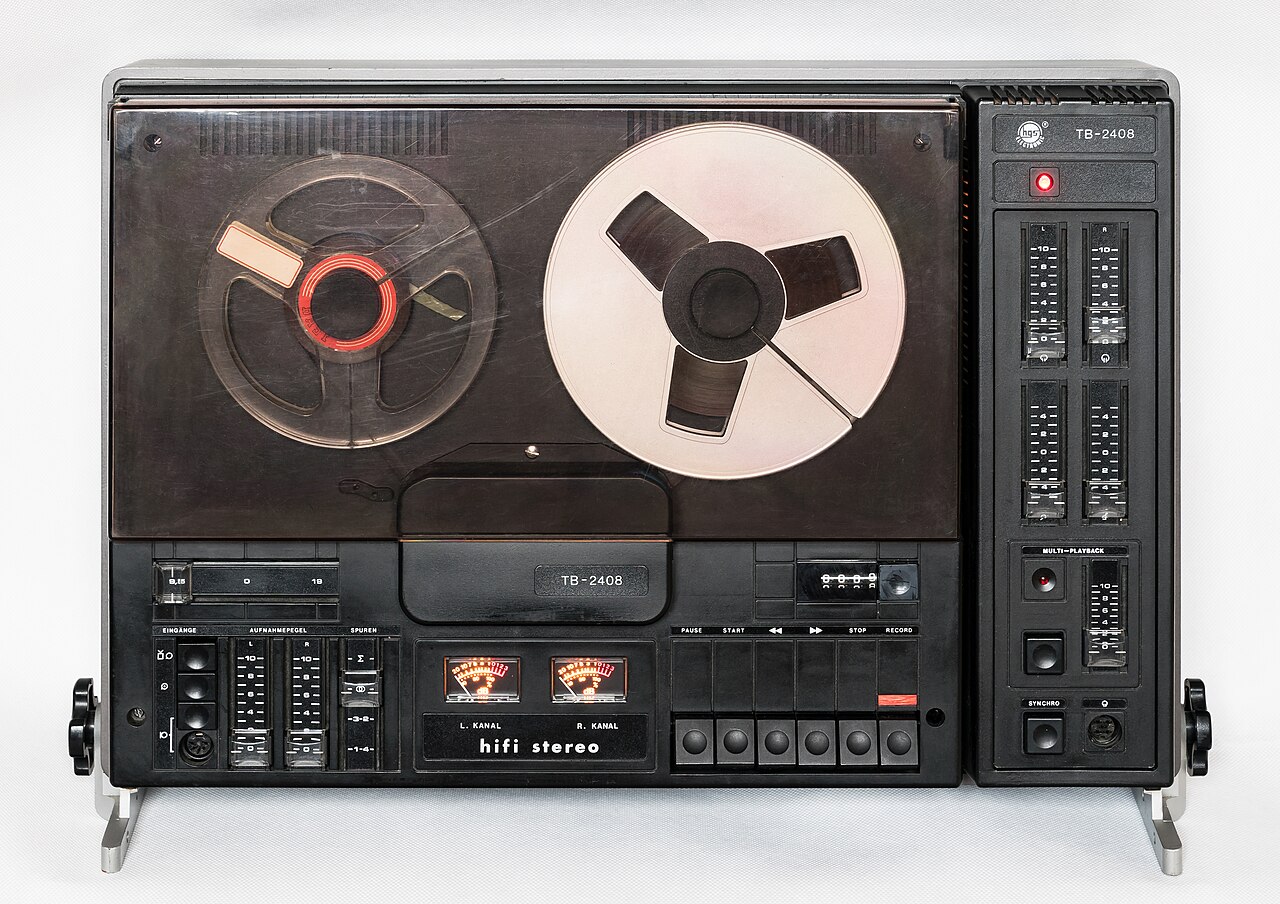
The decision to play "The Song That Never Ends" on a continuous loop for twenty-four hours acted as creative sabotage. It made the invisible visible. The repetitive nature of the loop served as a sonic metaphor for the relentless nature of corporate restructuring. Just as the song refuses to provide a period or an end, the corporate takeover of the airwaves refuses to allow for any meaningful change or local deviation. The loop was the sound of the industry's own logic, turned back upon itself.
Listeners tuned in to find a station that had abandoned its variety in favor of a single, maddening point. They could not escape the melody without changing the frequency or turning off the device. This created a state of shared endurance. The station staff and the listeners shared a common experience of auditory fatigue. The madness of the loop forced a confrontation with the concept of format. If a station can play one song for a day, it proves that the "format" is merely a choice, not an inevitability. The loop stripped the radio experience down to its most basic, irritating element, highlighting the absurdity of the highly polished, overly produced, and utterly lifeless loops found on corporate FM stations. It was a protest through exhaustion.
The psychological toll of the event was palpable. As the hours ticked by, the station became a site of performance art. The repetition stripped the song of its childhood charm and replaced it with a sense of dread. Every time the verse returned, it felt like a new layer of frustration. This was the intention. The station used the medium of radio to critique the medium of radio. They turned the airwaves into a prison of melody to demonstrate how corporate ownership had already turned the rest of the dial into a prison of format.
The Unexpected Global Surge
What began as a localized protest in New Jersey quickly escaped the boundaries of the FM signal. In an era where the digital and the analog are inextricably linked, the 24-hour loop captured the attention of the global internet. The webstream, WFMU's digital lifeline, experienced a massive surge in listenership. People from London, Berlin, and Tokyo tuned in, not necessarily to hear the music, and certainly not to enjoy the Shari Lewis melody, but to witness the spectacle of the protest. They wanted to see how long the station could endure its own self-inflicted torture.
The numbers were staggering. The spike in webstream traffic brought a level of visibility to the station that traditional advertising could never achieve. The internet turned a local act of defiance into a global event. This surge in listeners provided much more than just momentary fame; it provided a massive influx of new ears to the WFMU ecosystem. The sheer scale of the audience proved that the demand for independent, non-corporate content was a global necessity. The protest went viral before "going viral" was a standard marketing term. The digital footprint of the loop spread across social media, forums, and music blogs, creating a wave of awareness that bypassed the very corporate gatekeepers the station was protesting.
This influx of listeners changed the station's trajectory. It proved that the audience for freeform radio was not a shrinking, aging demographic trapped in a localized bubble. Instead, the audience was vast, dispersed, and hungry for something that did not follow a programmed script. The webstream became a bridge, connecting the gritty, independent spirit of New Jersey to a global community of music lovers who shared a disdain for the sanitized, automated structures of modern broadcasting.
The Victory of the Listener-Supported Model
The true significance of the 24-hour loop lies in its aftermath. The event demonstrated the profound resilience of the listener-supported model. While corporate stations rely on the whims of advertisers and the stability of large-scale ownership, WFMU relies on the direct, individual commitment of its audience. The protest was a high-stakes gamble that paid off by reinforcing the bond between the broadcaster and the listener. The community did not abandon the station during its period of musical madness; they leaned in. They supported the station through donations and sustained engagement, proving that the economic engine of independent media is the listener, not the advertiser.
The success of the stunt served as a rebuttal to the idea that independent radio is a dying medium. It showed that when faced with the threat of consolidation and the pressure of commercial interests, an independent station can use its autonomy to stage a massive, impactful intervention. The station did not need a marketing budget or a corporate sponsor to reach the world. It only needed a loop, a loud enough signal, and a dedicated community willing to endure the discomfort of the truth.
WFMU's defiance remains a crucial chapter in the history of independent broadcasting. It stands as a reminder that the airwaves belong to the people who listen to them, not the corporations that own the towers. The 2rab-hour loop was not just a prank or a moment of madness. It was a demonstration of power. It proved that even in a world of automated playlists and corporate-driven formats, the human element - the element of choice, of protest, and of shared, even painful, experience - cannot be easily erased. The song may never end, but the fight for the soul of the airwaves continues, fueled by the very people who refuse to let the melody fade into the background noise of the corporate machine.