The Satanic Panic of Stairway to Heaven
Headley Grange stood cold and imposing in the Hampshire countryside during the autumn of 1971. This Victorian mansion provided the literal foundation for rock history. Inside its thick walls, Led Zeppelin captured the magic that would define an era of music.
The air in the studio felt heavy with the scent of damp earth and expensive tobacco. Jimmy Page, Robert Plant, John Paul Jones, and John Bonham worked with a singular, frantic focus. They were not just making a record; they were constructing a monolith. Central to this monumental achievement was the Stairway to Heaven backwards message myth, a legend that would later haunt the song's legacy.
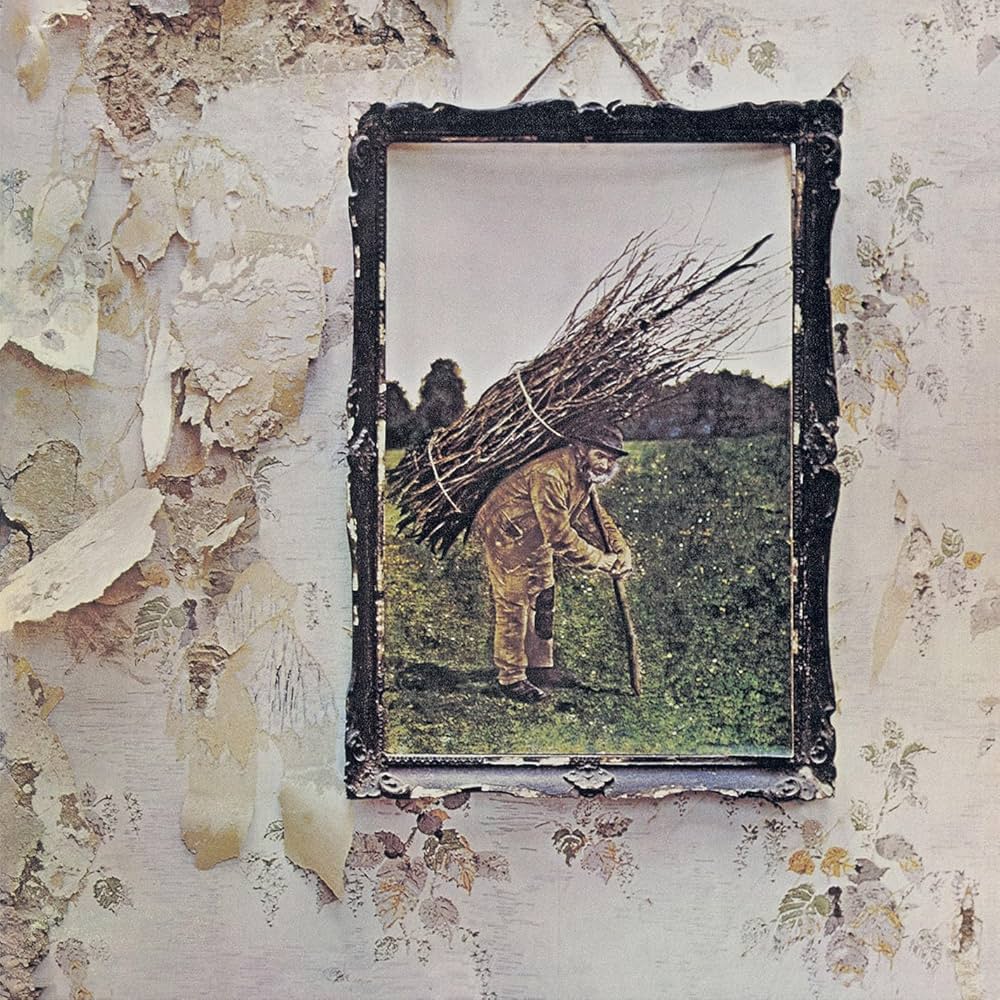
Atlantic Records released Led Zeppelin IV on November 8, 1971. The album lacked a title, sporting only four cryptic symbols that fans would obsess over for a decade. At the center of this untitled masterpiece sat a track of such immense scale that it dwarfed everything else on the vinyl. "Stairway to Heaven" began as a delicate acoustic folk piece. It transitioned into a wandering electric progression before exploding into a hard rock finale. It felt like a natural force, something unavoidable and ancient.
The Rolling Stones Mobile Studio captured the band's raw energy during the recording process. Engineer Andy Johns worked alongside producer Jimmy Page to layer sounds with surgical precision. They used various acoustic guitars and a Vox Continental organ to build the track's early, pastoral atmosphere. The drums entered later, heavy and booming, hitting the listener with the weight of a falling sledgehammer. Every note felt intentional, every silence felt loaded with tension.
Listeners immediately felt the weight of the song's shifting dynamics. It started with a Renaissance-style recorder melody that sounded like it belonged in a medieval tavern. Then the fingerpicked acoustic guitar took over, steady and hypnotic. The song grew, layer by layer, adding electric textures that shimmered and grit that scraped against the eardrums. It was a masterclass in tension and release, a composition that refused to stay in one lane.
November 8, 1971: The Birth of a Legend
The release of Led Zeppelin IV changed the trajectory of heavy rock. It did not just climb the charts; it colonized the cultural consciousness. On that November day in 1971, the music industry shifted toward a more epic, long-form style of songwriting. Radio stations struggled to play a song that ran over eight minutes. They eventually surrendered because the track's popularity made it impossible to ignore. The song became a staple of FM rock radio, spinning endlessly through the seventies.
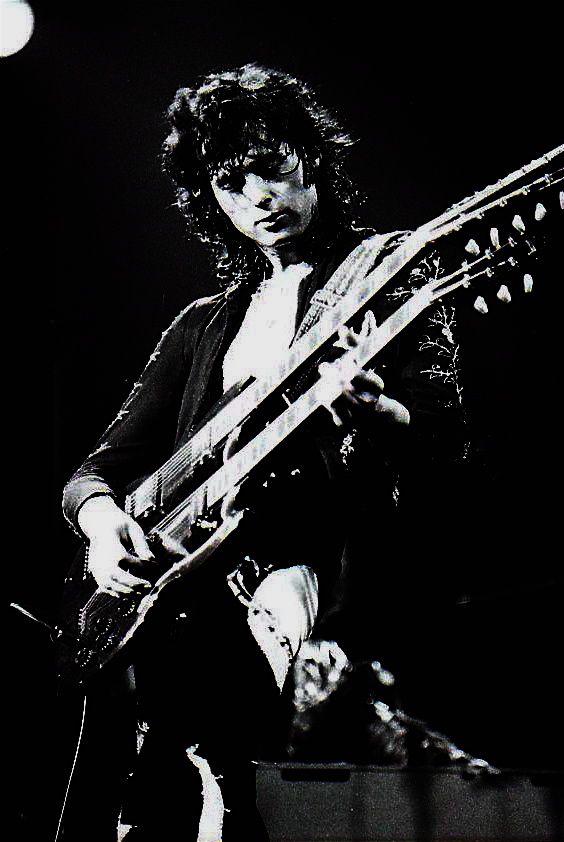
Jimmy Page played his 1959 Telecaster with a sense of melodic urgency during the solo. That solo remains perhaps the most famous in rock history, a cascading series of bends and rapid-fire notes. It does not sound like a practiced exercise. It sounds like a man discovering the melody in real-time. The guitar tone, thick and biting, cut through the mix with an authority that few players could ever hope to replicate. It was the sound of a guitar hero at the absolute peak of his powers.
Robert Plant's vocals provided the mythic quality the song required. He moved from a breathy, folk-inflected whisper to a high-register wail that pierced the heavens. His lyrics, steeped in Celtic mysticism and Tolkien-esque imagery, gave the song a sense of ancient weight. He sang about "the decoder" and "the piper calling you to dance." These were not pop lyrics meant for a three-minute radio edit. They were incantations meant for a larger stage.
John Bonham's drumming anchored the entire composition. When the song finally breaks into its hard rock coda, his kit sounds massive. Each beat carries a physical impact, a thud that you feel in your solar plexus. He played with a swing that prevented the heavy sections from feeling sluggish. The interplay between the heavy percussion and the delicate acoustic opening created a sense of profound movement. The track felt like a climb, a literal ascent toward a crescendo that felt both earned and inevitable.
The Stairway to Heaven Backwards Message Myth
The 1980s brought a different kind of energy to the airwaves. The rise of heavy metal and the proliferation of home recording technology changed how people consumed music. Suddenly, the idea of the Stairway to Heaven backwards message became a centerpiece of a new kind of paranoia. Fans began playing records in reverse, searching for hidden meanings. They were looking for something dark, something hidden beneath the surface of the melodic beauty. They found it in the most unlikely of places.
The 1980 release of the Metal Massacre compilation helped the controversy gain massive mainstream traction. This era of heavy metal often featured aggressive imagery and occult themes. While Led Zeppelin was a decade removed from their prime, their influence remained inescapable. The idea that a legendary rock anthem contained a highly specific, satanic code fit perfectly with the rising anxiety of the decade. People believed the music was a Trojan horse for something sinister.
The specific claim focused on the middle section of the track. Listeners claimed that if you played the reversed audio, a phrase emerged clearly from the chaos. The alleged message was "My sweet Satan." It was a terrifying prospect for parents and religious leaders. The idea that a beautiful, seemingly innocent song could hide a demonic invocation was too much for the burgeoning moral panic to bear. It turned a piece of art into a piece of evidence.
"And it makes me wonder, if you play it backward, you can hear 'My sweet Satan.' It's just a crazy thing, but people were really convinced."
This belief turned the act of listening into an act of investigation. The Stairway to Heaven backwards message became a campfire story for a generation of suburban teenagers. It was something you whispered about in the high school hallways. The music was no longer just about the melody or the rhythm. It became a puzzle, a hidden layer of reality that only the initiated could decode. The mystery added a layer of dread to an already intense listening experience.
The 1985 Senate Hearing
August 24, 1985, marked a turning point for the heavy metal community. The United States Senate Committee on Education, Culture, and Human Resources convened a hearing that felt more like a trial. The subject was the perceived impact of heavy metal on the youth of America. This was not a quiet academic discussion. It was a public confrontation between the established order and the loud, discontorted fringes of popular culture. The halls of the Senate echoed with the concerns of worried citizens.
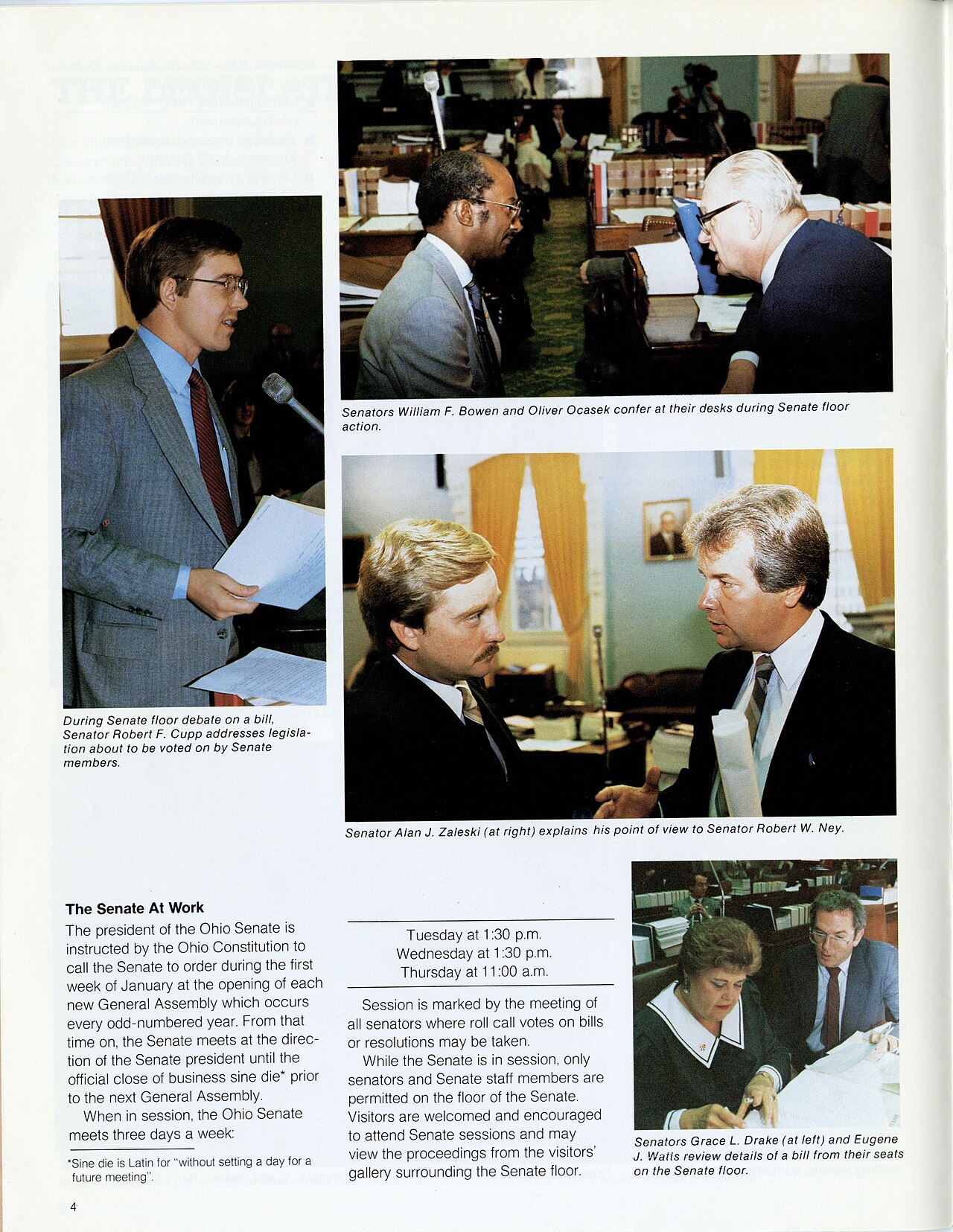
Lawmakers sat behind polished wood desks in the hearing room, peering down at the representatives of a genre they viewed with suspicion. The committee sought to understand if the lyrics and imagery of heavy metal were contributing to a rise in juvenile delinquency and occultism. They treated the music not as art, but as a social contagion. The focus was on the psychological effects of certain sonic frequencies and lyrical themes on impressionable minds.
Witnesses presented evidence that seemed designed to shock. They spoke of hidden messages, of ritualistic behavior, and of the corrupting influence of certain band imagery. The 1985 hearing provided a platform for the most extreme fears of the era. It gave legitimacy to the idea that rock music was a direct threat to the moral fabric of the nation. The committee members did not just listen to the testimony; they actively sought to validate the panic that had been simmering for years.
The hearing brought the Stairway to Heaven backwards message into the highest levels of government. While the song itself was a classic rock staple, its presence in the conversation about "satanic" audio was undeniable. The discussion of reversed tapes and hidden incantaudations moved from underground zines to the floor of the Senate. This was the moment the controversy stopped being a fringe theory and became a matter of national concern. The eyes of the country were watching the intersection of pop culture and politics.
Senator Jesse Helms and the Moral Panic
Senator Jesse Helms of North Carolina became the face of this scrutiny. A man of fierce convictions, Helms led the charge against the perceived rot in rock music. He did not shy away from the most controversial elements of the debate. During the hearings, he directed specific inquiries toward the presence of satanic messages in reversed audio recordings. He wanted to know if the music was intentionally deceiving the ears of American children. His approach was direct and unyielding.

Helms viewed the music as a symptom of a larger cultural decline. He saw the heavy metal movement as an invasion of values that needed to be defended. His focus on the technical aspects of the music, such as backmasking, added a layer of scientific-sounding dread to the proceedings. He was not just arguing against lyrics; he was arguing against the very way the music was engineered. The idea that a producer could hide a message in the grooves of a record was a terrifying technological reality for him.
The era of the Satanic Panic gripped American suburban culture with an iron grip. This was a period of intense moral panic regarding occult influence in all forms of popular media. From Dungeons & Dragons to heavy metal, nothing was safe from the scrutiny of the hyper-vigilant. The panic was fueled by a sense that the traditional boundaries of society were being eroded. It was a time of intense anxiety, where the shadows in the music were seen as shadows in the home.
The political weight of Helms' leadership gave the movement immense power. He used his position to amplify the fears of a specific demographic. This was not a grassroots movement of music fans; it was a top-down imposition of moral standards. The scrutiny of rock music became a tool for political mobilization. For a moment, the contents of a vinyl record could influence the legislative agenda of the United States. The music had become a battlefield.
Pareidolia and the Truth of the Recording
Jimmy Page has always been a man of immense technical skill and artistic intent. Throughout various interviews, he has denied the allegations of intentional backmasking. He maintains that any perceived messages are mere auditory pareidron. This is the psychological phenomenon where the brain perceives a familiar pattern where none exists. When we hear ambiguous sounds, our minds desperately try to make sense of them by mapping them onto known words or faces. It is a survival mechanism gone wrong.

The heavy, multi-layered arrangement of "Stairway to Heaven" provides the perfect environment for such distortions. The dense textures of the electric guitars, the swirling organ, and the crashing drums create a chaotic sonic space. When you reverse this complexity, the brain struggles to find the original structure. It grabs onto fragments of phonemes and tries to force them into recognizable English. The "My sweet Satan" phrase is a classic example of the mind imposing order on chaos.
Engineer Andy Johns understood the technical reality of the studio session. He was responsible for the actual manipulation of the tapes and the layering of the tracks. There is no evidence in the studio logs or the technical documentation to suggest any attempt to hide messages. The recording process at Headley Grange was about capturing a performance, not coding a secret message. The sheer amount of work required to precisely align backmasked lyrics with the existing rhythm would have been an unnecessary and absurd task for a band focused on creating a masterpiece.
Robert Plant has also addressed these claims with the benefit of hindsight. In the 2012 documentary Ram, he and other band members reflected on the sheer absurdity of the era's accusations. They viewed the claims as a distraction from the music itself. The band members saw the panic for what it was: a misunderstanding of the medium and a projection of societal fears. To them, the song was about beauty, mystery, and the human experience, not a hidden manual for the occult.
The Legacy of the Backmasking Era
The era of backmasking-induced panic eventually faded, but it left a permanent mark on how we listen to music. It changed the relationship between the artist, the listener, and the authorities. The scrutiny of the 1980s forced the industry to become more aware of the power of imagery and the potential for controversy. It also created a sense of myth around the idea of "hidden" music. The search for meaning became an essential part of the rock experience.
Today, we view the Satanic Panic as a fascinating sociological phenomenon. It tells us more about the fears of the 1980s than it does about the intentions of Led Zeppelin. The controversy added a layer of unintended mystique to "Stairway to Heaven." It transformed a beautiful song into a legendary enigma. Even without the backwards message, the track remains a towering achievement of studio production and songwriting. The controversy only served to ensure that no one would ever forget its name.
The technology of the era, from the analog tapes of Headley Grange to the FM radio of the eighties, played a crucial role. The physical nature of the medium allowed for the manipulation and the interpretation that fueled the fire. We live in a digital age where the idea of a "hidden message" in a streamable file feels almost impossible. But the era of the vinyl record allowed for a certain kind of tactile mystery. You could hold the evidence in your hands and flip it over to see what was hidden.
Led Zeppelin's music continues to command respect and awe. The technical brilliance of Page, Plant, Jones, and Bonham stands far above the noise of the decades of controversy. The song remains a monumental achievement, a piece of architecture built from sound and light. While the ghosts of the Satanic Panic still haunt the fringes of rock history, the music itself remains untainted. It exists in its own space, far above the political theater and the paranoid whispers of the past.