The Rise and Sudden Death of UK Garage
London, 1995. A thick layer of sweat coats the walls of the Elephant and Castle nightclub. The air smells of stale lager and expensive cologne. DJ EZ stands behind a pair of Technics SL-1200 turntables, his hands moving with surgical precision.
He drops a heavy 4x4 house track, but something feels different in the room. The crowd expects the steady, four-on-thely-floor pulse of traditional house, yet the rhythm starts to fray at the edges. He manipulates the beat, introducing syncopation that catches the dancers off guard. This moment marks the beginning of the UK Garage era.
The transition from house to garage happened through a specific London hunger for something more kinetic and broken. Producers stripped down the steady kick drums of American garage house. They added weight to the low end using heavy, warped basslines sampled from jungle and reggae records. This era, known as Speed Garage, relied on a physical presence that could shake a Sound System rig in South London. You felt the bass in your solar plexus before you heard the melody.
DJ EZ played a massive role in this evolution. His sets at the Elephant and Castle nightclub during the mid-90s provided the blueprint. He moved the crowd from the predictable 4x4 pulse toward a more jagged, swing-heavy style. This shift changed how producers approached the drum machine. They stopped thinking about the steady loop and started thinking about the gap. They wanted to create space for the bass to breathe and for the MC to interact with the rhythm.
The 4x4 Revolution at Elephant and Castle
South London clubs provided the laboratory for this sonic experiment. The Speed Garage era, prominent throughout 1997, felt like a collision of genres. Producers grabbed thick, wobbling basslines from jungle and reggae and layered them over house structures. These tracks often utilized heavy, distorted low-end frequencies that rattled the speakers of massive South London rigs. The sound was aggressive and physical. It lacked the polished sheen of later years, favoring a raw, club-ready energy.
The clubs in Elephant and Castle acted as the primary testing grounds. You could hear a track for a time in a dark, crowded room before a single vinyl pressing hit the shops. The energy was infectious. DJs would test new dubplates, watching for the specific moment the crowd reacted to a bass drop. This feedback loop between the dancefloor and the producer created a rapid cycle of innovation. If a bassline did not move the room, it died right there on the dancefloor.
Speed Garage relied on a specific type of sonic tension. It used the familiar 4x4 kick drum but subverted it with swing and unexpected percussion. The basslines often sounded like they were melting, warping under the pressure of the club's subwoofers. It was a heavy, muscular sound. It felt much more connected to the UK's underground jungle roots than the glossy R&B tracks that would follow later in the decade.
Producers used gear like the Akonto Akai MPC and various Roland drum machines to achieve this stuttering effect. They focused on the swing settings to ensure the percussion felt human and slightly off-kilter. The goal was to create a groove that felt impossible to predict. When the bass hit, it felt like a physical impact. This era established the fundamental DNA of the genre: the tension between a steady pulse and a broken, syncopated rhythm.
The 2-step Shift and the UK Garage Evolution
A massive shift occurred around 1998. The genre moved away from the heavy 4x4 beat and toward the 2-step rhythm. This new style featured skipping percussion and a heavy emphasis on swung hi-hats. The 2-step beat felt lighter and more elegant. It removed the constant fourth kick drum, creating a sense of weightlessness. This change allowed for much more complex melodic work and smoother vocal integration.
Artful Dodger became the face of this more polished movement. Their production style embraced the smoother side of the genre. They used lush, swung percussion that left huge gaps for soulful vocals to sit within the mix. This era moved the music away the grit of Speed Garage and toward something much more radio-friendly. It was a sophisticated evolution that retained the essential swing of the original underground sound.
The 1997 release of "Rewind" by Craig David featuring Artful Dodger on the London Records label changed everything. It provided the commercial blueprint for UK Garage crossover success. The track featured smooth, melodic vocals over a crisp, 2-step beat. It was accessible to the masses but still held enough swing to satisfy the clubbers. This single proved that the genre could dominate the charts without losing its fundamental rhythmic identity.
MJ Cole brought a high level of musicality to the 2-step era. His 2000 album, Flights of Fancy, utilized sophisticated, jazz-inflected chords and lush production techniques. He moved the genre away from raw club loops toward polished studio compositions. He used Rhodes pianos and complex chord progressions that sounded like they belonged in a high-end jazz lounge. His work proved that garage could be as much about musicality as it was about the dancefloor.
"I just want to man be with you, I want to be with you." - Craig David, "Rewind"
The production on Flights of Fancy was incredibly clean. He used high-end studio outboard gear to ensure every hi-hat and every bass note had a distinct, polished place in the mix. This was not the distorted, heavy sound of the Elephant and Castle days. This was a refined, expensive- sounding version of the genre. It invited a different type of listener into the fold, someone who appreciated melody as much as the groove.
Pirate Radio and the London Underground
Rinse FM and Deja Vu FM acted as the primary engines for genre dissemination. These pirate radio stations operated from high-rise flats in London, broadcasting illegal signals across the city. They were the lifeblood of the scene. Without these stations, the music would have remained trapped in a few select clubs. The DJs would broadcast live from makeshift studios, interacting with listeners via phone lines. It was a raw, unmediated connection between the artist and the audience.

MCs like Kano, Wiley, and Dizzee Rascal emerged from this very scene. They learned their craft by riding the airwaves of Rinse FM. The pirate radio environment required a specific type of skill. You had to be able to flow over rapidly changing beats and interact with a live, unpredictable audience. This training ground created a generation of lyricists who were incredibly agile and rhythmically aware. They were not just rapping; they were part of the rhythmic architecture of the tracks.
The London Underground's "Sidewinder" club nights at venues like The Astoria provided a critical physical space for the subculture to coalesce. These nights allowed the community to gather outside of the radio waves. You could see the different factions of the scene interacting. The energy at The Hi-Fi or The Astoria was electric. It was a place where the underground met the burgeoning mainstream, creating a friction that pushed the music forward.
The culture surrounding these stations was intense. People would spend hours tuning their FM radios, waiting for their favorite DJ to drop a new dubplate. There was a sense of exclusivity and shared knowledge. If you knew which frequency to tune into at 3 AM on a Tuesday, you were part of the inner circle. This sense of community was essential for the genre's survival and growth during its early years.
The sonic environment of pirate radio was often lo-fi. You were listening to signals that bounced off concrete buildings and passed through cheap transmitters. This added a certain grit to the music. The heavy basslines would often distort the signal, creating a unique, compressed texture. It was a lo-f️i aesthetic that perfectly matched the raw energy of the MCs and the heavy, syncopated beats.
The Peak of the Pop Crossover
The year 2001 marked the absolute peak of the genre's mainstream visibility. The underground sound had finally conquered the UK Singles Chart. The production values had reached a point where the music could sit seamlessly alongside American R&B on daytime radio. It was a moment of massive commercial triumph, but it also contained the seeds of the genre's eventual fragmentation.

So Solid Crew arrived with a force that the mainstream could not ignore. Their track "Flowers," released in 2001 on Relentless Records, reached number one on the UK Singles Chart. It was a massive, heavy-hitting track that combined the energy of the underground with a structure that worked for pop radio. The success of So Solid Crew proved that the garage aesthetic could dominate the entire country. It was a moment of pure, unadulterated pop power.
The production on "Flowers" was much more aggressive than the Artful Dodger style. It leaned back into the heavier, more percussive elements of the genre. It featured multiple MCs, each bringing a different energy to the track. The track felt like a miniature version of a London club night. It brought the chaos of the club into the polished confines of a major label release.
The industry scrambled to sign anyone who sounded even remotely like the garage giants. Every major label in London looked for the next Craig David or the next So Solid Crew. This influx of corporate money changed the stakes. The pressure to produce hits began to overshadow the experimental spirit of the early years. The music became more polished, more predictable, and ultimately, less dangerous.
This period saw the genre's sound expand into various sub-genres. You had the soulful, vocal-led 2-step and the more aggressive, MC-heavy garage. The range was impressive. However, the very success that brought the genre to the top of the charts also made it vulnerable. The mainstream is a fickle beast, and once the novelty of the garage sound began to wear wear off, the industry moved on to the next big thing.
The Cold Descent into Grime
The 2002 decline of UK Garage coincided with the rise of Grime. This was not a gentle transition. It was a sharp, aggressive break from the glossy R&B vocals that had defined the peak of the era. Grime stripped away the smoothness and replaced it with colder, more aggressive-sounding electronic textures. It was a much darker, more stripped-back sound that reflected the changing mood of London's streets.
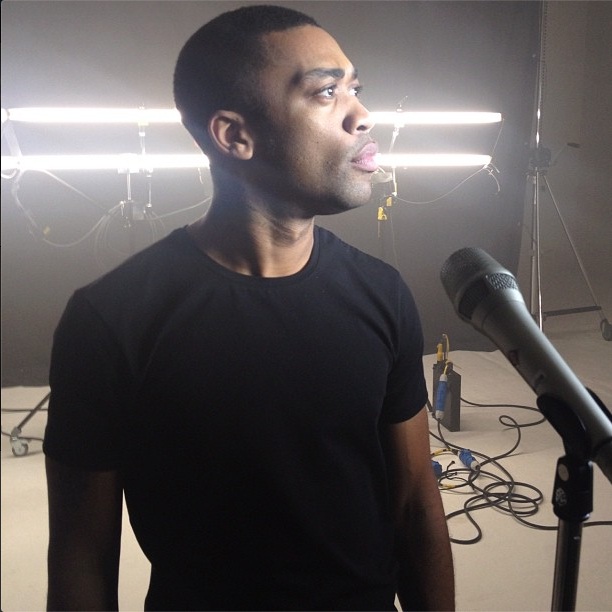
Wiley was the architect of this new, colder sound. His Eskibeat productions were a revelation. He moved away from the swing of 2-step and toward a much more rigid, almost robotic rhythm. The sounds were metallic, icy, and stark. He used minimalist percussion and heavy, menacing basslines that felt completely disconnected from the soulful warmth of the previous era. It was a sonic rejection of the pop-garage era.
The production style changed fundamentally. Producers no longer looked for lush chords or soulful vocalists. They wanted textures that sounded like broken machinery. The music was sparse and jagged. It lacked the swing of garage, replaced by a stiff, driving energy. This was the sound of a genre retreating from the charts and returning to the shadows of the even darker underground.
The transition relied on the same pirate radio networks that had birthed garage. Stations like Rinse FM continued to play the new, colder sounds. The MCs, including many who had started in garage, adapted their flows to fit this new, more aggressive landscape. The energy shifted from the dancefloor euphoria of the 90s to a more tense, confrontational vibe. It was the sound of a new era taking root.
Grime felt much more localized and much more intense. It was a genre that did not care about the UK Singles Chart. It cared about the energy in the room and the authenticity of the bars. The glossy production of the pop-garage era felt hollow in comparison to the raw, biting textures of the early Grime era. The warmth was gone, replaced by a cold, digital precision.
The Dubstep Aftermath
Producers like El-B and Zed Bias utilized the Time Capsule studio setup to engineer the darker, more stripped-back sounds that would eventually form the foundation of Dubstep. They took the elements of garage and grime and pushed them even further into the low-end. The focus shifted almost entirely to the bass and the space between the beats. The rhythm became even more sparse and much more cavernous.
The sound was incredibly heavy. It was a descendant of the South London Sound system culture, prioritizing the sub-bass frequencies that you feel more than you hear. The percussion became minimal, often consisting of just a sharp snare and a heavy, echoing kick. The space in the tracks was massive. It felt like the music was being played in an enormous, empty warehouse.
Dubstep inherited the swing of garage but stripped away all the melodic ornament. It was a skeletal version of the genre. The complexity lay in the subtle manipulation of the low-end and the way the rhythm moved within the silence. It was a highly experimental period that continued the tradition of London producers pushing the limits of what electronic music could be.
The legacy of UK Garage lives in this fragmentation. The genre did not just die; it splintered into a dozen different directions. Some parts went towards the pop charts, some towards the grit of Grime, and some towards the deep, atmospheric depths of Dubstep. The DNA of that original, syncopated 2-step beat remains present in almost every corner of modern UK electronic music.
Looking back, the era of UK Garage was a perfect storm of technology, geography, and talent. It was a moment when a specific group of people in a specific part of London had the tools and the drive to rewrite the rules of dance music. Even though the mainstream era ended, the influence of those heavy, swinging beats continues to pulse through the veins of the global underground.