The Rise and Fall of the Merseybeat Explosion
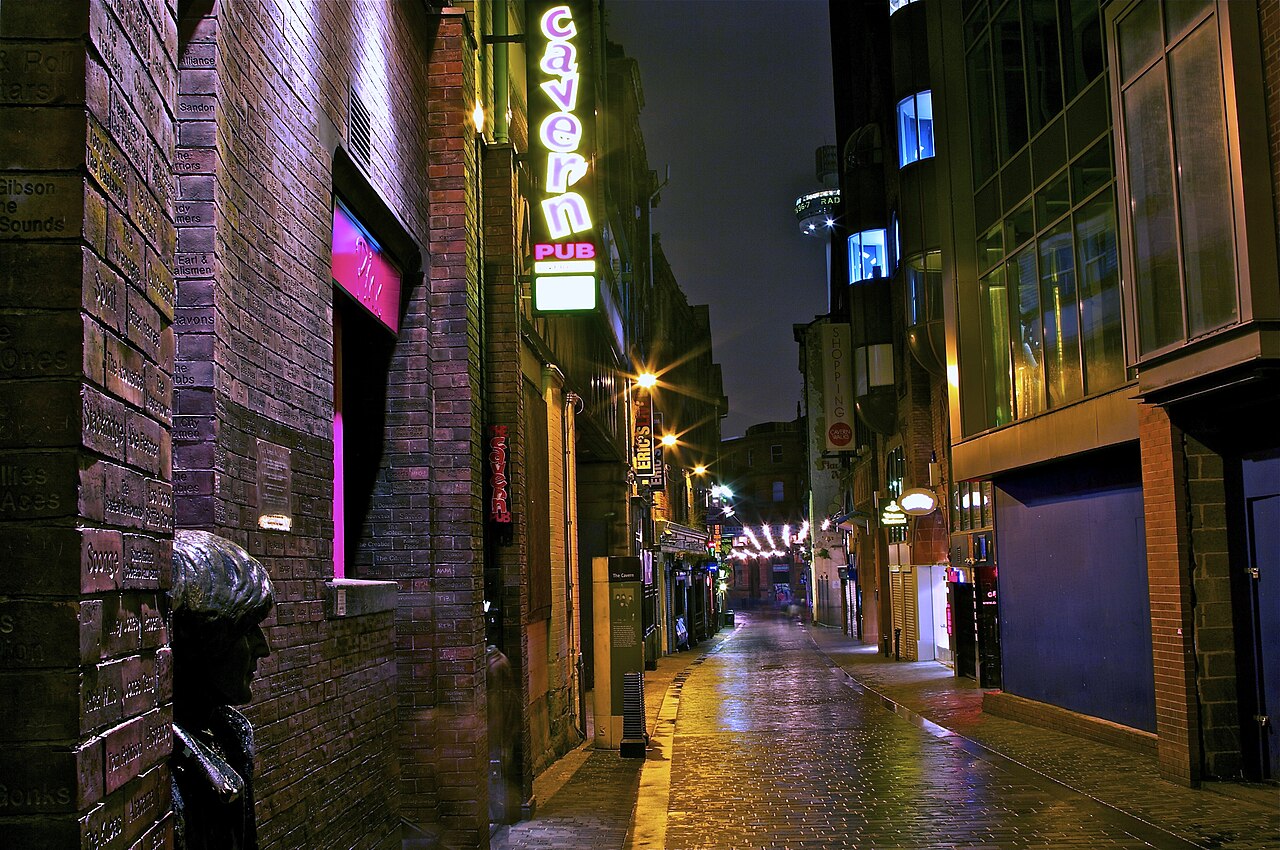
Sweat dripped from the low ceilings of 10 Cavern Street in the winter of 1961. The air inside the basement club smelled of stale beer, damp wool, and cheap cigarettes. A young John Lennon gripped his Rickenbacker guitar while the crowd pressed against the small stage. This cramped Liverpool cellar provided the friction necessary to ignite the Merseybeat explosion.
Local bands played sets that lasted hours on end. They drew energy from American R&B records and early rock and roll imports. The Cavern Club served as a pressure cooker for talent. Groups like The Beatles, Gerry and the Pacemakers, and The Searchers played until their fingers bled. Every night refined their ability to command a room of shouting, dancing teenagers.
The music sounded raw and urgent. It relied on heavy backbeats and driving rhythm guitars. Musicians learned how to hold an and audience through sheer volume and infectious energy. This local scene lacked polish but possessed a grit. No one in Liverpool realized they were witnessing the birth of a global movement.
Liverpool functioned as a port city with constant access to new sounds. Sailors brought back American blues and rock records that bypassed the London-centric charts. This influx of foreign rhythm created a unique local tension. The bands took the structure of Chuck Berry and the grit of Little Richard and filtered it through a British sensibility.
The Cavern Club and the Merseybeat Explosion
The Cavern Club sat deep beneath the pavement of Liverpool. Its walls felt like they were closing in on the performers. This physical tightness forced bands to develop a high-octane stage presence. You could not hide behind subtle arrangements in a room that small. Every chord strike had to hit the back wall with force.
Gerry Marsden led the Pacemakers through sets that defined the early era. He brought a sense of melodic charm to the club's aggressive atmosphere. The Searchers also utilized this space to hone their vocal harmonies. These musicians spent more time playing in Liverpool than anywhere else in the world. They built a foundation of technical skill through repetitive, grueling nightly performances.
The repertoire consisted of heavy covers and original compositions. Bands played Buddy Holly and Motown hits with a frantic, localized energy. This period predated the polished studio era by several years. The sound was unrefined, loud, and physically demanding. It felt like a localized riot captured in a basement.
Cilla Black also emerged from this fertile environment. Her powerful, soulful voice provided a different dimension to the local scene. She brought a 1tan 1960s drama that complemented the more upbeat beat groups. The club acted as a communal training ground for everyone from singers to roadies. It was the heart of the city's musical identity.
The Merseybeat explosion required this specific, claustrophobic setting. Without the intense nightly repetition of the Cavern, the bands would have lacked their tight synchronization. The club forced them to react to the crowd in real time. This connection between performer and listener became the hallmark of the Liverpool sound.
Brian Epstein and the Professional Pivot
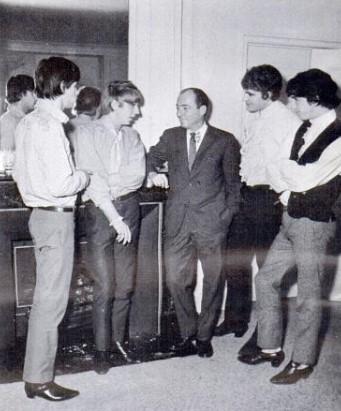
Brian Epstein walked into the Cavern Club with a vision for professionalism. He saw more than just a collection of talented local kids. He saw a commodity that could be exported to the rest of the world. Epstein brought a sense of order to the chaotic Liverpool club circuit. He replaced the scruffy, disorganized image of the bands with sharp, matching suits.
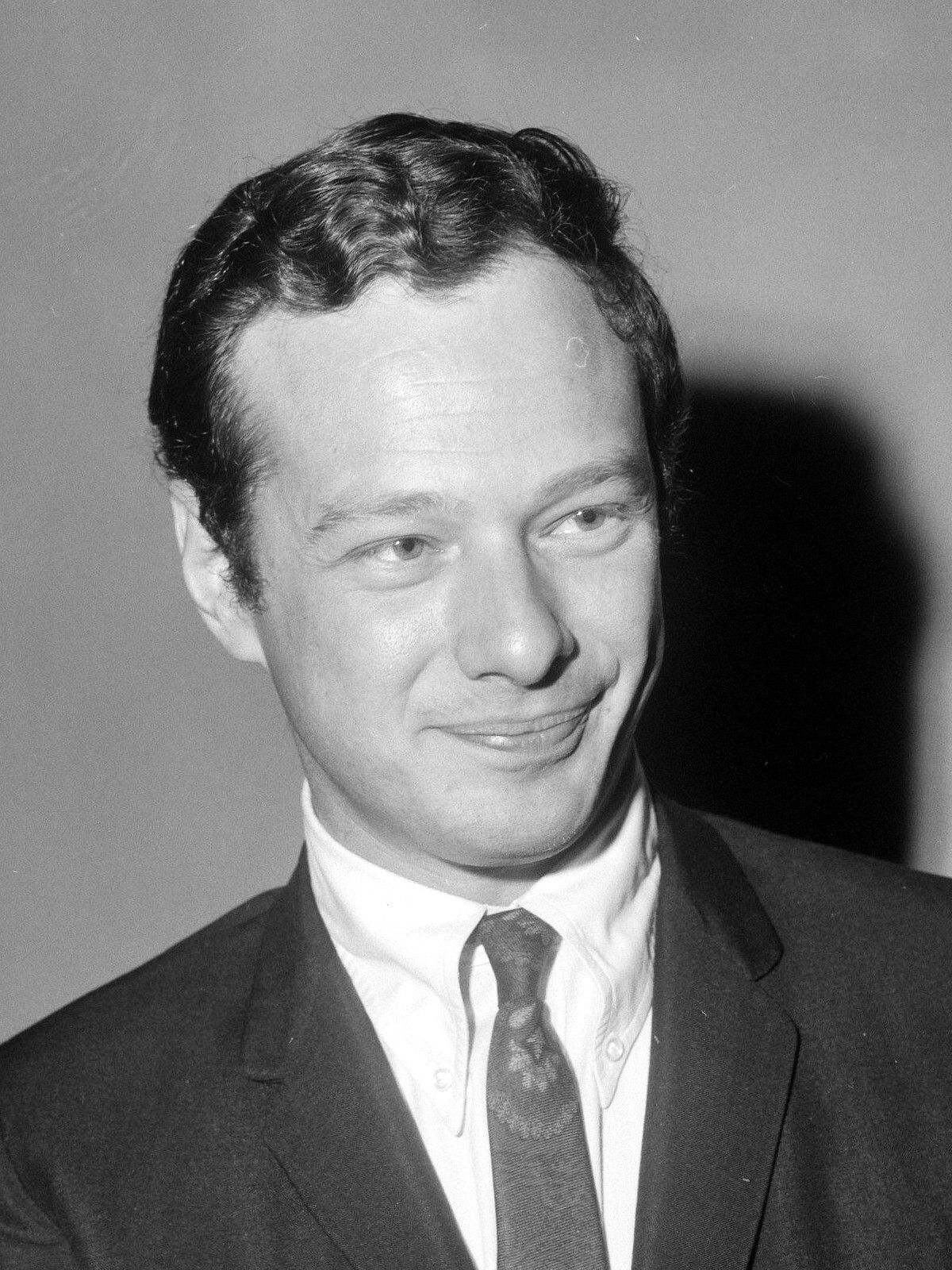
The Beatles benefited most from this shift in management. Epstein moved them from sweaty basement stages to the bright lights of television. He understood the power of the medium. He targeted programs like Ready Steady Go! to reach a single national audience. His strategy turned a local phenomenon into a household name.
Professionalism extended beyond clothing and television appearances. Epstein handled the logistics of touring and press relations. He acted as the bridge between the raw energy of Liverpool and the corporate structure of London. He understood that the music needed a polished presentation to survive the mainstream. This transition required a difficult balance of maintaining edge while embracing fame.
Other bands followed this trajectory under his influence. Billy J. Kramer with The Dakotas gained traction through his polished image. The management style emphasized a clean, approachable aesthetic. This allowed the music to penetrate the much larger market of the United Kingdom. It turned the Merseybeat explosion into a structured industry.
"I want to hold your hand"
The lyrics of 1963 reflected this newfound accessibility. The songs were direct and easy to sing along to. Epstein ensured that the band's persona matched the optimism of their music. He understood that the mania required a certain level of controlled chaos. His management provided the framework for the band to expand without losing their core identity.
The Abbey Road Refinement
George Martin sat behind the console at Abbey Road Studios. He listened to the raw tracks coming out with a critical ear. The producer recognized the melodic potential hidden beneath the distortion. He used the studio as a tool to sculpt the rough edges of the Merundsound. Martin brought a classical sensibility to the pop arrangements.
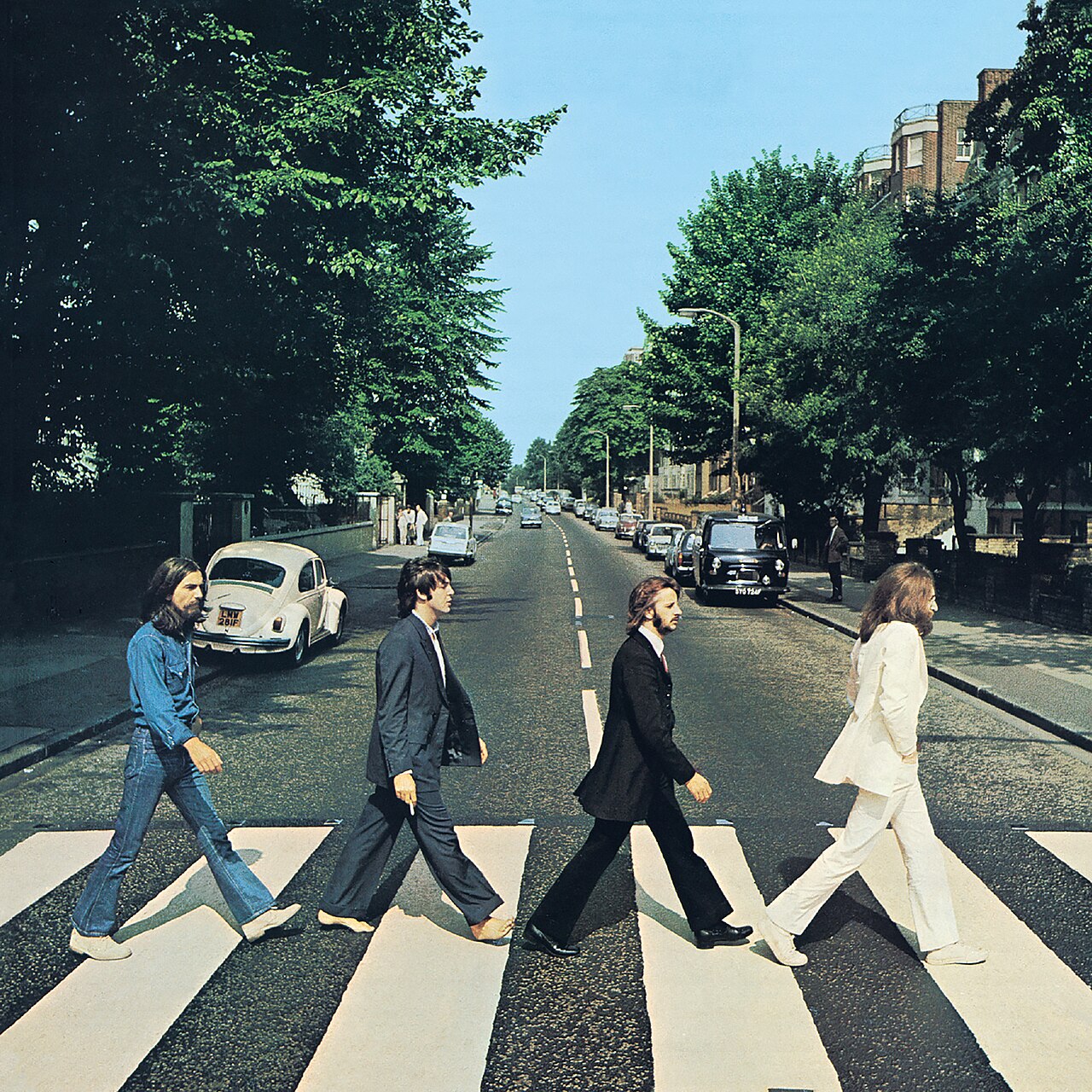
The transition from R&R covers to sophisticated pop happened in these London rooms. Martin encouraged the use of varied instrumentation and complex vocal layering. He helped the bands move beyond simple three-chord structures. This refinement allowed the music to compete on a global scale. The studio became an instrument in its own right.
Engineers at Abbey Road worked to capture the clarity of the guitars. They used high-quality microphones to emphasize the bright, treble-heavy tones. This precision helped the tracks stand out on the radio. The production provided a sense of depth that the live club performances lacked. It turned a local sound into a high-fidelity experience.
The Beatles released Please Please Me on Parlophone in 1963. This release under the EMI umbrella changed everything for the Liverpool scene. It proved that the Merseybeat explosion could translate to a massive, international audience. The label provided the distribution power needed to flood the markets. Martin's touch ensured the album sounded professional and modern.
The studio allowed for experimentation that the Cavern could not accommodate. Martin pushed the limits of what a four-piece band could achieve on tape. He introduced elements of baroque pop and orchestral textures. This evolution was essential for the survival of the genre. Without this refinement, the sound might have remained a local curiosity.
The 1964 American Invasion
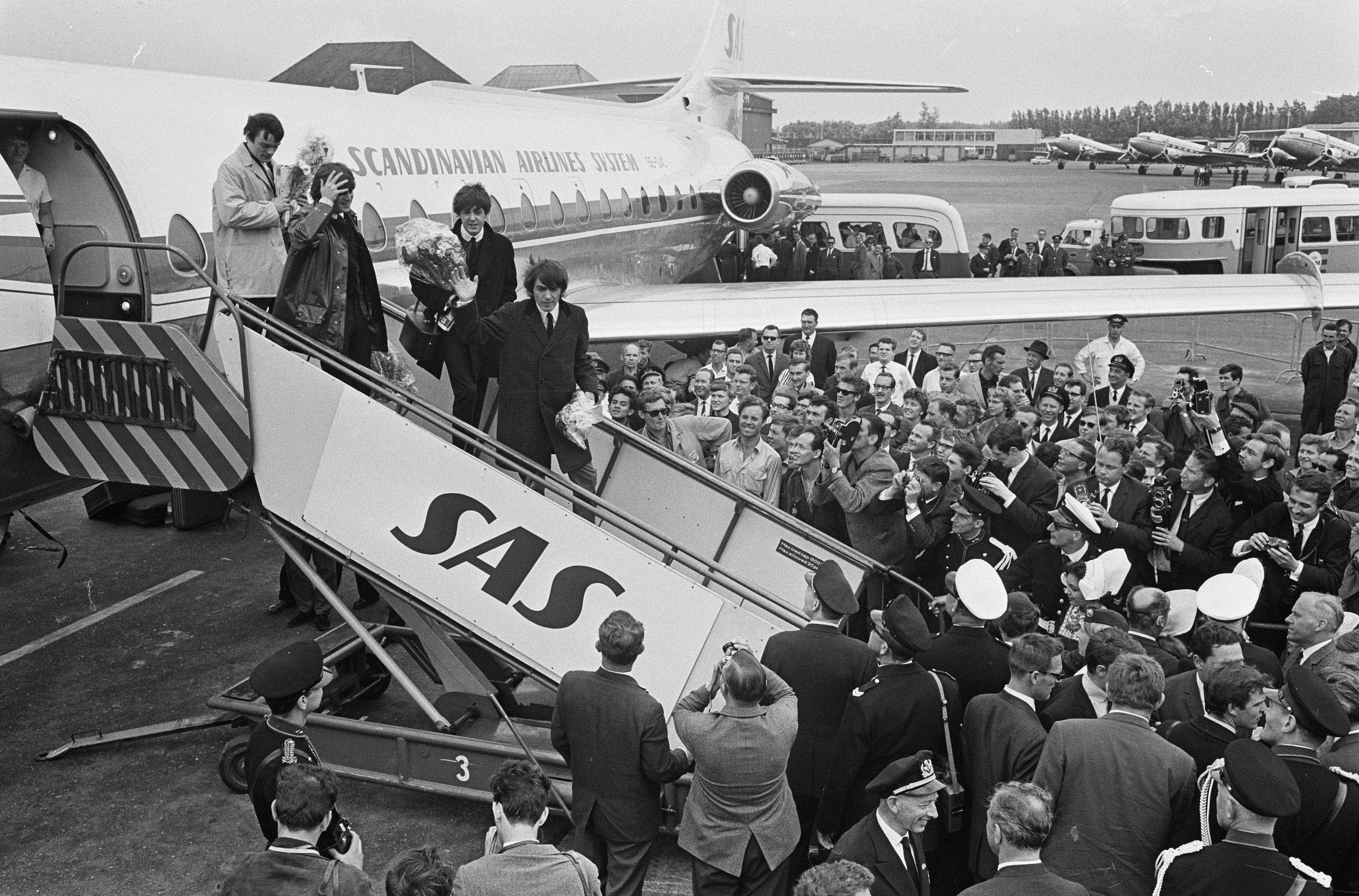
Washington Coliseum hosted the moment the world changed. On February 11, 1964, The Beatles stepped onto an American stage. The screaming fans in Washington D.C. signaled the arrival of a new era. This performance transformed a regional British trend into a global obsession. The American market responded to the energy of the Merseybeat explosion with unprecedented fervor.
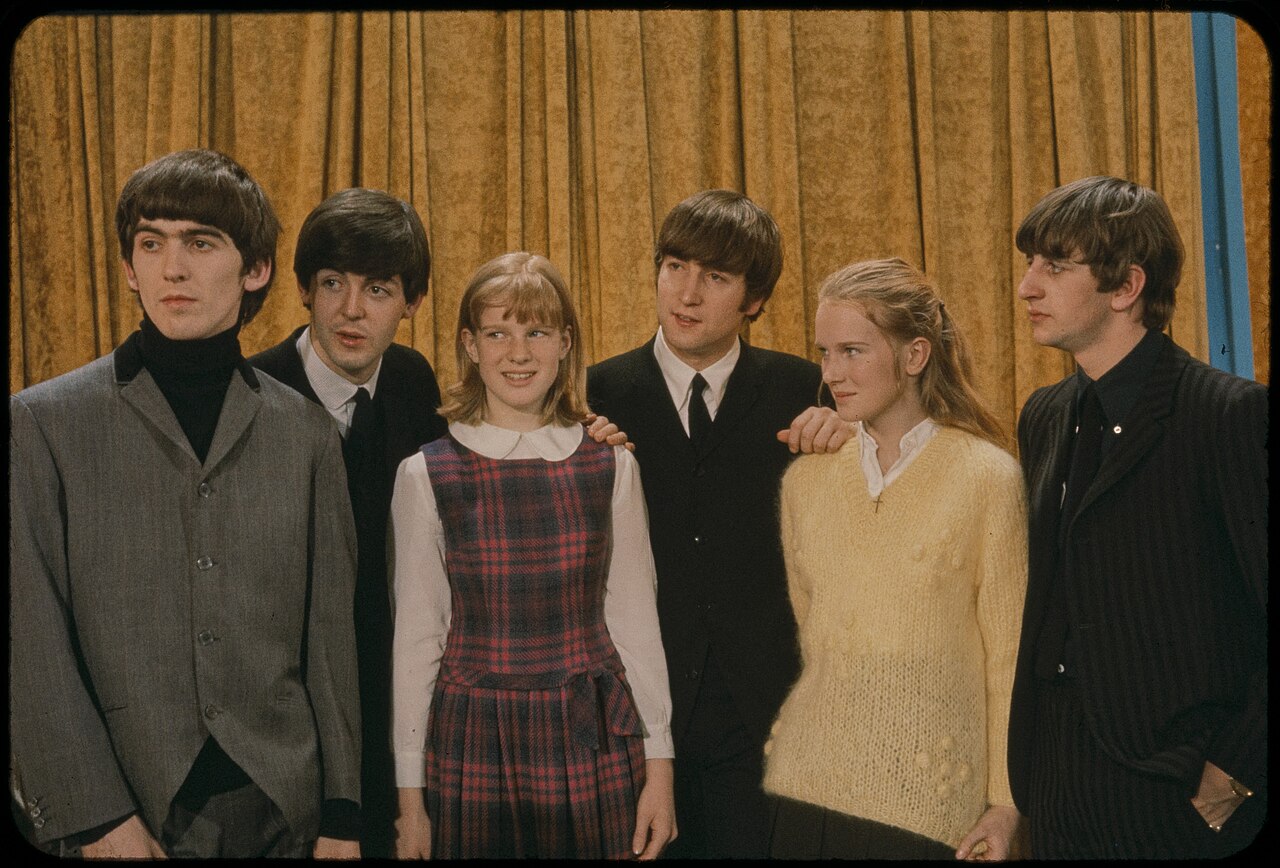
The success of "I Want to Hold Your Hand" provided the momentum. This track acted as a bridge between British beat and American pop. It possessed a rhythmic drive that appealed to the existing rock and roll fan base. The simultaneous success of American hits created a reciprocal exchange of musical ideas. The Atlantic Ocean no longer acted as a barrier to pop culture.
American television captured the madness of the tour. The Ed Sullivan Show provided the platform for the band to reach millions. This exposure created a level of fame that was previously impossible for a rock group. The visual of the mop-top hair and the energetic movement became iconic. It changed the way music was consumed globally.
D.C. was just the beginning of the tidal wave. The Beatles' presence in the United States forced American labels to react. The entire industry shifted its focus toward the United Kingdom. This period saw a massive influx of British artists into the American charts. The sheer scale of the reaction changed the concept of a musical movement.
The tour established the blueprint for the modern stadium rock era. It proved that a band could generate massive revenue through live performance and merchandising. The energy of the Washington Coliseum performance remains a benchmark for live music. It was the precise moment the local Liverpool sound became a worldwide standard.
The Twelve-String Sound of The Searchers
The Searchers brought a specific texture to the era. Their sound relied heavily on the ringing, bright tones of the twelve-string guitar. This instrument provided a jangle that felt both nostalgic and modern. It cut through the heavy bass of the era with a metallic shimmer. This sonic signature became a defining element of the Merseybeat explosion.
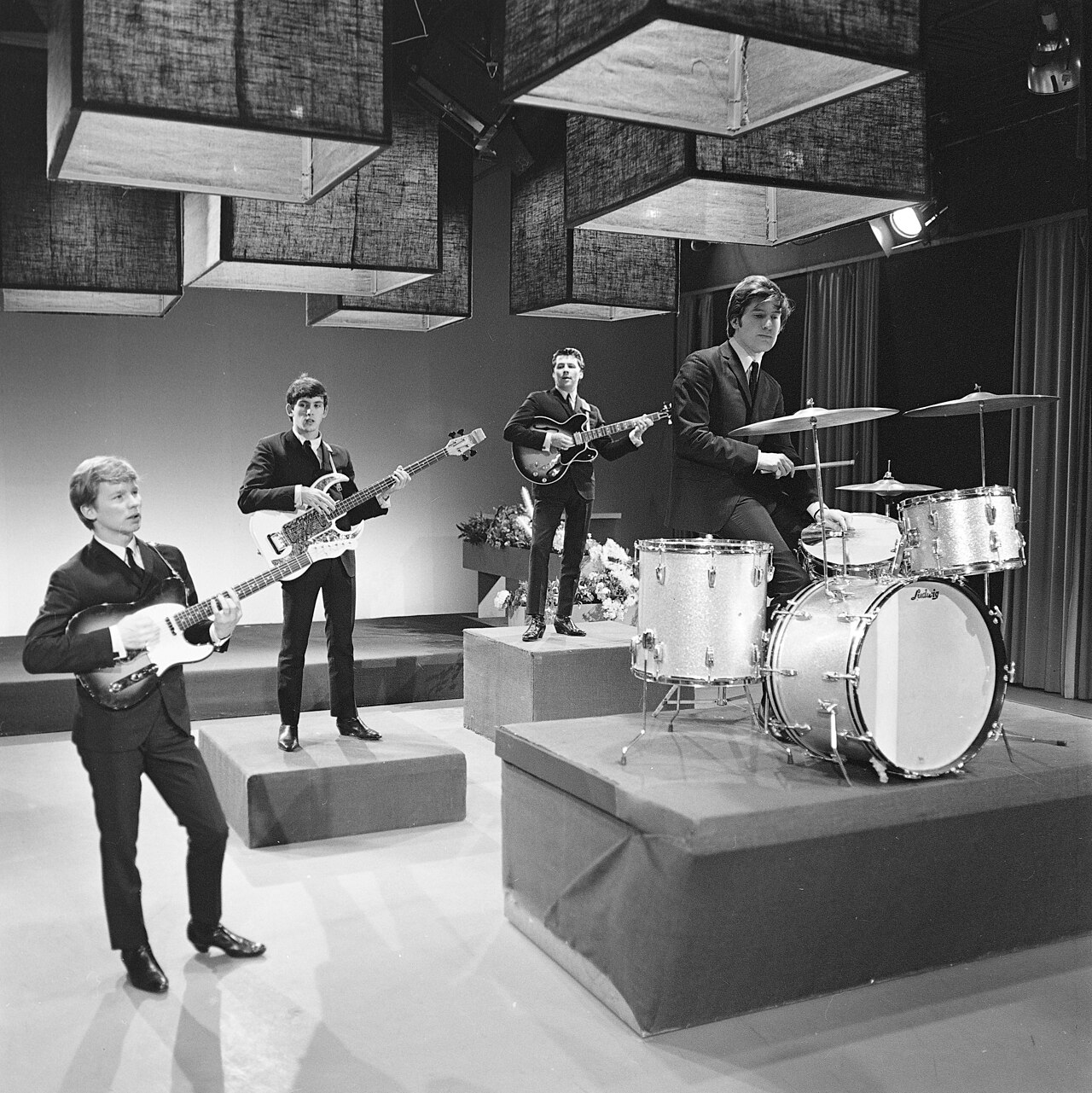
Their 1964 hit "Sweets for My Sweet" reached number one on the UK Singles Chart. The track featured the unmistakable chime of the twelve-string guitars. This sound influenced countless bands that followed in their footsteps. It offered a melodic alternative to the heavier R&B styles. The brightness of the guitars matched the upbeat energy of the era.
The production emphasized the treble frequencies of the guitars. This choice made the tracks highly effective on AM radio. The sound was crisp and easily recognizable amidst the noise of the mid-sixties. Musicians began seeking out similar gear to replicate this effect. The twelve-string became a symbol of the Liverpool aesthetic.
The Searchers maintained a strong connection to the melodic roots of the movement. Their songs focused on harmony and catchy, driving rhythms. They avoided the darker, bluesy undertones that would later dominate rock. This commitment to pop clarity helped sustain the popularity of the beat group format. The jangle was both a musical choice and a commercial advantage.
This era of guitar playing relied on clarity and precision. The interplay between the rhythm and lead guitars created a dense, shimmering wall of sound. It was a technical achievement within the constraints of the technology of the time. The twelve-string sound remains the most enduring sonic legacy of the period.
The Death of the Beat Group Era
Revolver arrived in 1966 as a signal of change. The Beatles moved away from the live-oriented structures of their early work. They began using the studio to create sounds that could not be replicated on stage. This shift toward psychedelic experimentation signaled the end of the traditional beat group. The bright, upbeat formula of Merseybeat could not survive this evolution.
The music became more complex and less accessible to the casual listener. Psychedelic pop introduced distorted textures and surreal lyrical themes. The emphasis shifted from the dance floor to the internal experience of the listener. This fragmentation broke the unified front of the Liverpool scene. The shared energy of the club era began to dissipate.
Heavy, blues-based rock began to rise in popularity. Bands like Cream and The Jimi Hendrix Experience brought a much heavier weight to the genre. Their sound was much darker and more aggressive than the Merseybeat style. The jangly guitars and bright harmonies of 1964 felt increasingly out of place. The musical world was moving toward a more muscular, distorted reality.
The decline of the movement was not sudden but a gradual erosion. The high concentration of bands like Billy J. Kramer and Cilla Black lost their momentum. The bright pop hits of 1964 could not compete with the sonic density of the late sixties. The industry moved toward artists who prioritized studio innovation over live performance. The era of the unified beat group had reached its conclusion.
The Merseybeat explosion left behind a permanent impact on popular music. While the specific genre faded, its influence on melody and structure remained. The era proved that a local scene could reshape the entire world. The lights of the Cavern Club may have dimmed, but the echoes of that Liverpool sound still vibrate through every corner of modern pop.