The Physical Reality of the Musical Brain
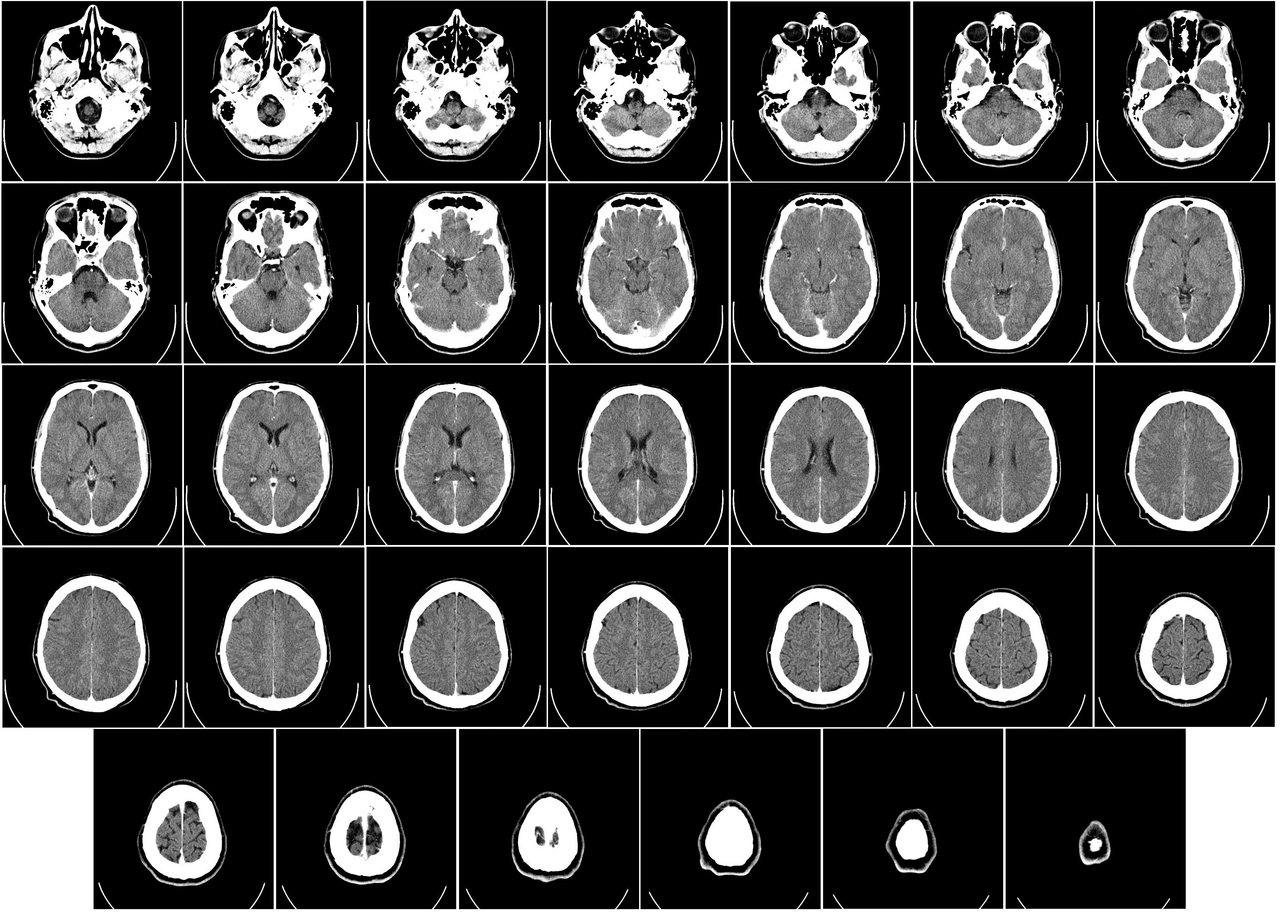
Dr. Gottfried Schlaug sat in a University of Heidelberg laboratory in 2004, staring at scans that fundamentally altered our understanding of the human skull. These images revealed more than abstract emotion or fleeting thought.
They displayed dense, physical matter that looked starkly different from the brains of people who never touched a massive orchestral percussion kit or a Stradivari and a bow. The scans showed that musicians possessed larger volumes of gray matter in the left auditory cortex and the posterior intural parietal sulcus. This density occurs because the brain adapts to the relentless, heavy demands of auditory processing. The brain performs a literal, physical reconfiguration of its biological hardware.
Music functions as a structural demand on the human nervous system rather than a mere emotional experience. When we discuss musical brain plasticity, we describe the literal reshaping of neurons. The brain does not simply listen to a melody; it builds more roads to process it. Every repetitive scale, every grueling practice session, and every difficult rhythm leaves a physical footprint on the cortex. This process represents a biological transformation of the brain's architecture, not a metaphor for learning.
Gray matter handles the heavy lifting of our cognitive existence. This tissue contains the cell bodies of neurons and manages the processing of all sensory input. Musicians undergo a process where their brains expand specific regions to handle the complex input of pitch, timbre, and rhythm. This expansion happens because the brain optimizes itself for the specific tasks it performs most often. The brain operates as a machine that retools itself based on the input it receives.
We often treat music as a soft, ethereal art form. We use words like "soulful" or "evocative" to describe a Fender Stratocaster drenched in reverb. The biological reality remains much harder. It involves density, volume, and connectivity. The brain of a trained cellist functions with a different physical capacity for sound than a person who only listens to the radio. This physical reality defines the very limits of what we can perceive and understand about the world around us.
The Grammar of Sound
Dr. Aniruddh Patel conducted research in the 1990s that connected the dots between music and language. He analyzed the way our brains parse a single sentence and a musical phrase. His work on musical syntax showed that the brain uses the same structural processing networks for both linguistic grammar and musical phrasing. A Bach fugue and a spoken English sentence both rely on a predictable set of rules. When a composer breaks those rules, the brain reacts with the same sense of confusion as a listener hearing a broken sentence.
The brain processes a melody much like it processes a conversation. Dr. Isabelle Peretz at the University of Montreal provided even more specific details through her work on the temporal lobes.
She discovered a clear dissociation between how the brain processes rhythm and how it processes melody. You can lose the ability to recognize a tune while still being able to tap the beat perfectly. This separation proves that the brain divides musical information into distinct, specialized processing streams. The brain does not treat a song as a single, unified block of data.
"The brain uses the same structural processing networks for both musical phrasing and linguistic grammar." - Dr. Aniruddh Patel
This structural similarity suggests that music remains a fundamental part of our cognitive toolkit. We are wired to seek patterns in both sound and speech. When a drummer hits a snare on the two and the four, the brain recognizes the rhythmic syntax. This recognition is not a choice. It is a programmed response to the structure of the sound. The brain seeks the grammar of the beat with the same intensity that a child seeks the grammar of a mother's voice.
Language and music share a deep, biological foundation. This connection explains why rhythm feels so intuitive even when a time signature becomes complex. We use the same neural circuitry to understand the cadence of a heavy poem and the syncopation of a jazz solo. This shared architecture makes music a universal language. It is not just a cultural phenomenon. It is a biological necessity for a brain built to recognize patterns and structures in the environment.
Wiring the Two Hemispheres
Dr. Eugenia Krummenacher at the Max Planck Institute for Evolutionary Anthropology looked deeper into the physical connections between brain regions. She focused on the corpus callosum, the thick band of nerve fibers connecting the left and right hemispheres. Her research showed that musicians possess an enlarged corpus callosum. This physical enlargement allows for much faster communication between the two sides of the brain. A larger bridge allows more data to travel more quickly.
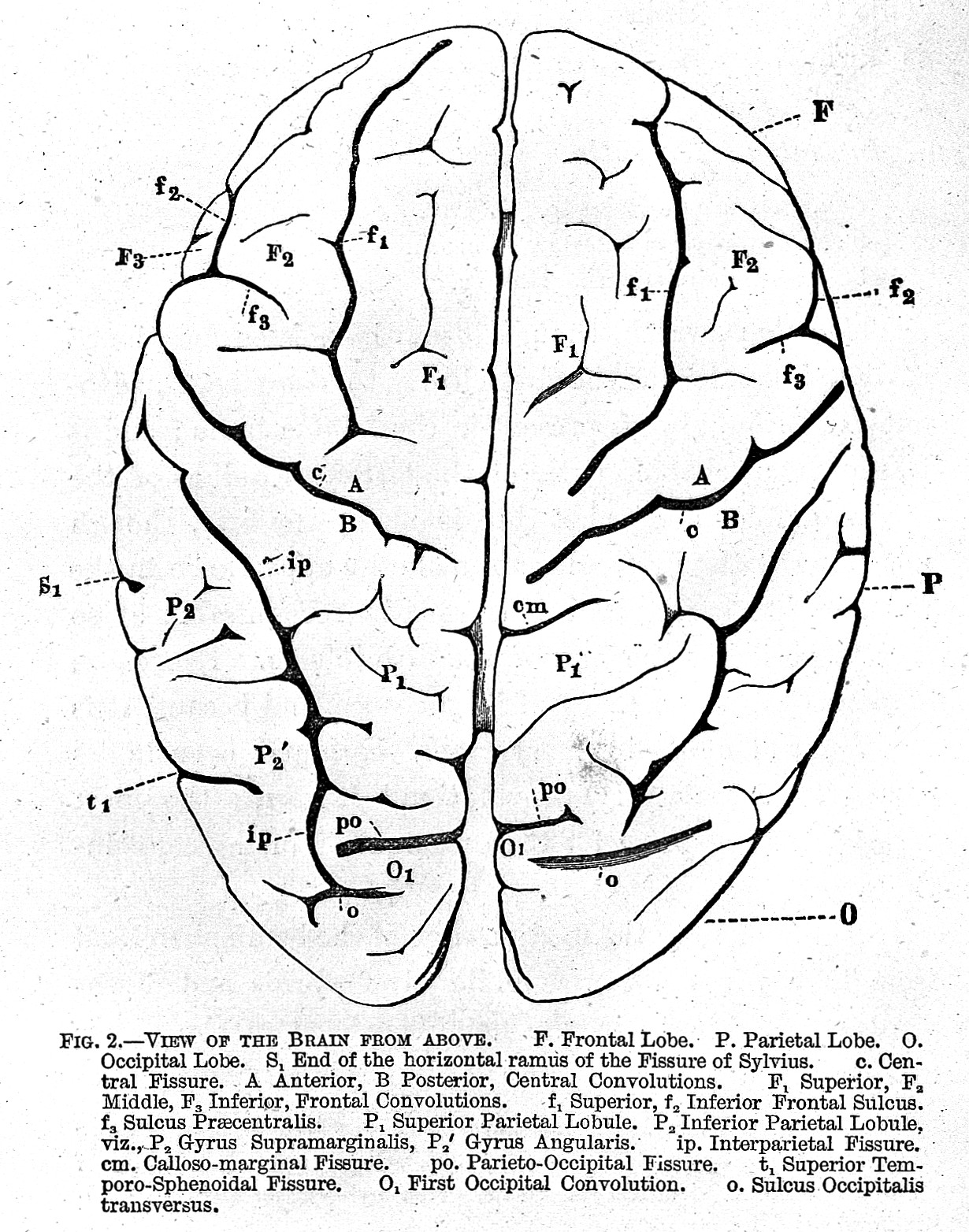
A pianist needs this rapid communication to function. The left hand manages the bass lines and rhythmic foundations while the right hand executes complex melodies. These two tasks require simultaneous, highly coordinated signals across the brain. The enlarged bridge allows the motor commands for the left hand to sync perfectly with the melodic processing of the right. This is not just about dexterity. It is about the speed of neural transmission across the hemispheres.
This increased connectivity impacts more than just playing an instrument. It alters the very way a musician perceives the world. The integration of sensory input becomes more efficient when the two hemispheres communicate without delay. This efficiency allows for the rapid-fire decision-making required in a live improvisation. A jazz player must process a chord change, a rhythmic shift, and a melodic response in a fraction of a second. The physical structure of the brain makes this possible.
The brain does not remain static after these connections form. Every hour spent practicing reinforces these neural pathways. This reinforcement makes the communication between hemispheres even more robust. The physical weight of the practice reflects in the thickness of the neural fibers. We are essentially building a more efficient computer through the repetitive application of complex auditory and motor tasks. The brain rewards the effort by optimizing its own connectivity.
The Rhythm of Early Development
Neuroscientist Nina Kraus at Northwestern University’s Audronatory Neuroscience Laboratory studied the very beginning of this process. She looked at infants who had not yet learned to speak or play an instrument. Her research showed that even infants exposed to rhythmic stimuli show more organized neural responses in the rhythmic auditory cortex. The brain begins organizing itself around rhythm before a highly mobile child can even crawl. The beat serves as the first blueprint the brain receives.

Rhythm provides a scaffolding for later development. A baby hears the steady pulse of a lullaby or the rhythmic bounce of a nursery rhyme. These sounds train the auditory cortex to recognize periodicity. This early training prepares the brain for the much more complex task of language acquisition. The brain learns to predict when the next beat will arrive. This predictive power forms the foundation of all higher-level auditory processing.
The auditory cortex becomes a specialized zone for timing. Kraus demonstrated that rhythmic exposure strengthens the neural pathways responsible for sound discrimination. This means that the early environment plays a massive role in shaping the brain's hardware. A child raised in a musically active environment undergoes a period of intensive neural conditioning. The brain prepares itself to recognize patterns, frequencies, and temporal structures.
This development happens in parallel with other sensory systems. The brain does not just listen; it integrates the rhythm with visual and tactile cues. This integration allows a toddler to clap along to a song. The neural response is not a passive reaction to sound. It is an active, organized processing of a temporal event. The seeds of musical brain plasticity reside in the nursery, long before the first piano lesson begins.
Training the Non-Musician
A 2014 study published in the journal PLOS ONE proved that musical training can change a brain that has never known an instrument. Researchers tracked non-musicians who played the piano for six months. The results showed a measurable improvement in their auditory processing, specifically in how the brain distinguishes between different frequencies. The brain of a non-musician can physically rewire through targeted, repetitive practice. This proves that the window for plasticity remains open throughout adulthood.
The study focused on the ability to detect subtle changes in pitch. As the participants practiced the piano, their brains became better at filtering out noise and focusing on specific frequencies. This is not an abstract improvement in hearing. It is an actual physical change in how the auditory cortex processes incoming data. The neurons become more specialized in their response to specific acoustic intervals. The brain learns to sharpen its focus through the demands of the instrument.
This finding debunks the idea that musical ability is a fixed trait. We often talk about people being "tone deaf" as if it is a permanent disability. The PLont ONE study suggests that "tone deafness" might simply be a lack of trained neural pathways. If you provide the right stimulus and the necessary repetition, the brain will adapt. The hardware is capable of upgrading itself if the software is demanding enough. This gives us a much more optimistic view of human potential.
The piano serves as a perfect tool for this training. It provides a clear, visual, and tactile representation of pitch and rhythm. The player sees the keys, feels the weight of the action, and hears the resulting tone. This multi-sensory input provides a heavy workload for the brain. The brain responds to this workload by strengthening the synaptic connections related to pitch discrimination. It is a literal exercise for the auditory cortex.
The Motor Loop of the Percussionist
Percussionists live in a world of constant, high-stakes prediction. Researchers at the University of Southern California (USC) studied the "auditory-motor" loop in drummers and percussionists. They found that rhythmic training enhances this specific neural pathway. This loop allows a drummer to predict upcoming beats with incredible precision. The brain does not just react to a drum hit; it anticipates it. The brain constantly runs a predictive model of the rhythm.
This prediction relies on the connection between the auditory and motor cortices. A 2011 study in Nature Neuroscience showed how long-term musical training strengthens this connection. Specifically, the training increases the activation of the supplementary motor area. This area of the brain handles the planning and execution of complex movements. In a drummer, the auditory input and the motor output lock in a tight, efficient loop.
The precision of a professional drummer represents a feat of neural engineering. The brain must calculate the timing of the stick hitting the drumhead well before the impact occurs. This requires a seamless integration of sensory perception and motor command. The "audronatory-motor" loop acts as a high-speed processor for these calculations. When a drummer plays a complex polyrhythm, they utilize a highly specialized neural circuit that years of repetitive practice have hardened.
This loop allows the "groove" to exist. Groove is the feeling of a rhythm that is perfectly in time yet possesses a human, slightly swung character. It is the result of a brain that can navigate the micro-timing of a beat. The percussionist does not just play a rhythm; they manage a complex-timing system. This management relies on the strengthened connections between the parts of the brain that hear and the parts that move.
Beyond the Mozart Effect Myth
The late 1990s saw a wave of media frenzy surrounding the "Mozart Effect." People believed that simply playing Mozart's Sonata for Two Pianos in D Major, K. 448 could increase a child's IQ. Studies by Frances Rauscher were often cited as proof of this phenomenon.
However, the science was much more limited than the headlines suggested. The effect did not provide a permanent boost in intelligence. It provided a temporary enhancement of spatial-temporal reasoning tasks. The public mistook a transient cognitive spike for a permanent structural change.
"Listening to Mozart's Sonata for Two Pianos in D Major, K. 448 increased IQ." - Popular media interpretation of Rauscher's work
This misunderstanding highlights the difference between transient arousal and true neuroplasticity. A temporary increase in alertness or mood might help someone solve a puzzle faster. That is not the same as restructuring the brain's architecture. True musical brain plasticity requires active engagement. You cannot change your brain by being a passive listener. You change your brain by being an active participant in the creation and execution of sound.
The work of neurobiologist Eric Kandel provides the necessary correction to these myths. Kandel documented how repetitive auditory stimuli physically restructure synaptic connections over decades of practice. This is not a magic trick.
It is the result of longton-term potentiation. The repeated firing of neurons during practice strengthens the synapses between them. This process is slow, difficult, and requires immense effort. It is the opposite of a quick fix.
We must separate the hype from the biology. The real magic of music is not found in a way to boost IQ during a test. It is found in the slow, grinding, beautiful process of a musician refining their craft. The brain changes because it must. It changes because the music demands it. The physical reality of the musical brain remains a story of adaptation, resilience, and the incredible capacity of the human nervous system to reshape itself in pursuit of beauty.