The Night Dimebag Darrell Died on Stage
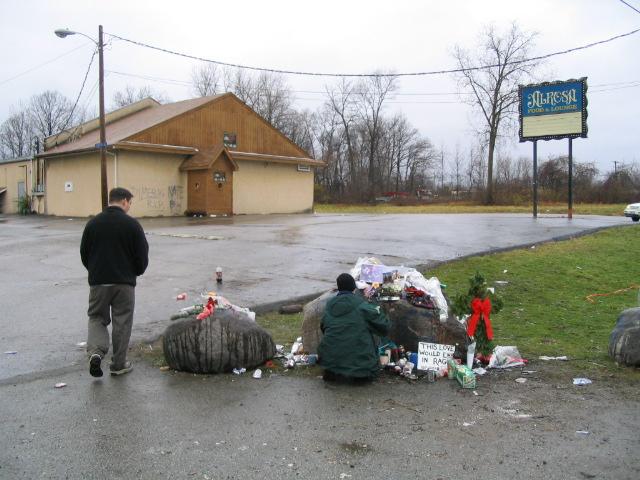
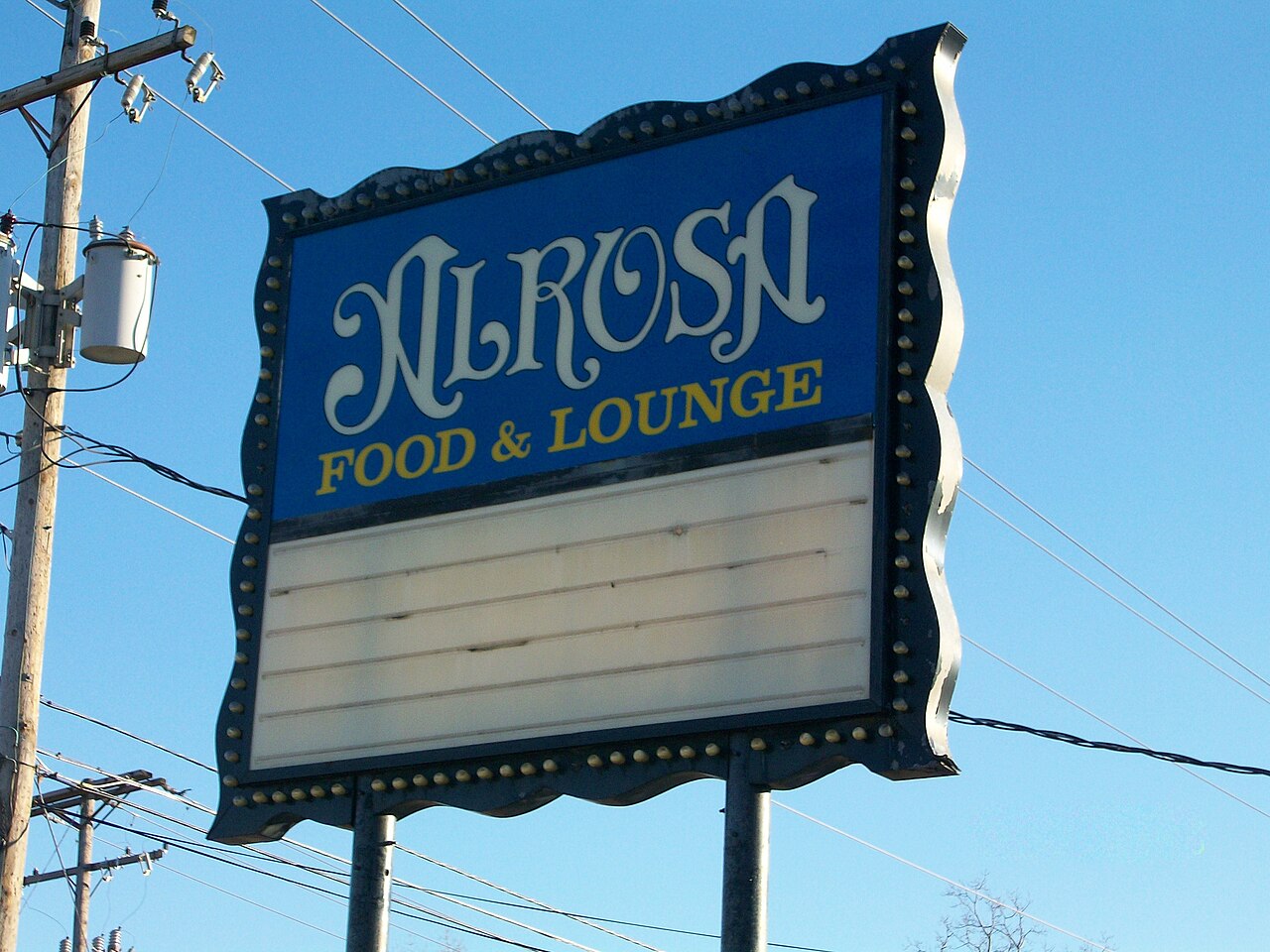
December 8, 2004, arrived with the biting chill of a Midwestern winter. Columbus, Ohio, sat under a heavy grey sky, oblivious to the violence waiting inside a small club on West Broad Street. The Alrosa Villa nightclub usually hosted sweaty, high-energy metal shows that left the floor sticky with spilled beer and adrenaline. Nobody expected a massacre. Nobody expected the Dimebag Darrell shooting to change the trajectory of heavy metal forever.
Darrell Abbott, known to millions as Dimebag, stepped onto the stage with his usual swagger. He carried the weight of a legend and the energy of a man still hungry for more. His band, Damageplan, was touring in support of their debut album, Dime Who, released via East West Records earlier that year. The room felt tight, electric, and dangerous in the way only a good metal show can feel. The air smelled of stale lager and clove cigarettes.
The setlist moved through the heavy, mid-tempo grooves that defined the Damageplan sound. They played a cover of Nirvana's "March of the Pigs," turning the grunge classic into something much more aggressive. The drums hit like sledgehamlammers against the chest. Fans in the front row leaned in, eyes locked on the man with the lightning-fast fingers and the grin that could light up a dark room.
Everything shattered in a split second. Nathan Gale, a man driven by a senseless, unprovoked rage, pulled a handgun and opened fire on the band. The sound of gunfire tore through the music, replacing the distorted riffs with a deafening, terrifying silence. The music stopped. The party died. The world grew much smaller and much darker in that instant of pure, unadulterated chaos.
The Chaos at Alrosa Villa
Bullets ripped through the air of the Alrosa Villa, striking both Darrell Abbott and guitarist Dean DeBlois. The carnage was immediate and visceral. DeBlois took a round to the chest, collapsing quickly under the weight of the assault. The crowd scrambled, a panicked mass of bodies pushing toward the exits as the reality of the situation set in. It was not a stage dive gone wrong or a fight between fans. It was an execution.
Darrell fell too. The man who defined the riff, the man who brought the power groove to the masses, slumped to the stage floor. The ringing in the ears of the survivors likely drowned out the screams for several long seconds. Security personnel and club staff rushed toward the stage, their faces pale under the dim club lights. The smell of gunpowder replaced the scent of the crowd.
Emergency responders arrived at the West Broad Street venue amidst a whirlwind of sirens and flashing lights. Paramedics worked frantically on the stage, trying to stem the bleeding in a room that had just been a sanctuary for outsiders. The violence felt personal to everyone present. It felt like an attack on the very idea of heavy metal itself, an intrusion of the real world's ugliness into a space built for escapism.
Nathan Gale did not flee into the night to hide. He stayed in the vicinity, eventually leading to a standoff with the Columbus police. The news traveled through the metal community like a wildfire through dry brush. Within an hour, the internet was flooded with reports of a shooting at a metal show. The name "Dimebag" began appearing in headlines alongside words like "tragedy" and "murder."
The aftermath left the Alrosa Villa a crime scene, a hollow shell of its former self. The club had been a cornerstone of the Columbus music scene, a place where local bands and touring giants shared the same sweat-soaked floor. Now, it was a monument to a loss that felt impossible to comprehend. The music had stopped, and the silence that followed was heavy with a grief that no amount of distortion could drown out.
The Gear Behind the Dimebag Darrell Sound
Darrell Abbott did not just play the guitar; he wielded it like a weapon. His primary tool was the Dean From Hell, a signature model that became an icon of the genre. This guitar featured custom Dean Guitars hardware and striking artwork that screamed with personality. It possessed a thick, biting tone that could cut through even the densest drum production. When he struck a power chord, you felt it in your teeth.
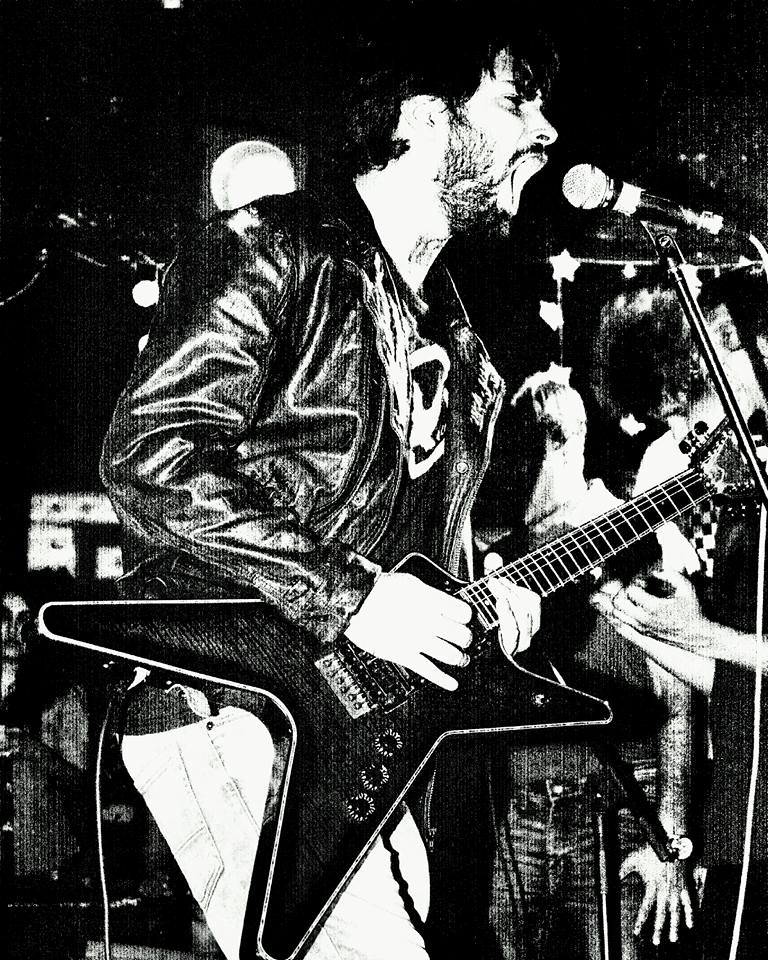
The sound of his playing relied on a specific, brutal architecture. He used high-gain amplifiers, often pushing Marshall heads to their absolute breaking point. His tone sat right in that sweet spot between sludge and precision. It was a massive, percussive sound that mimicked the impact of a heavy object hitting wet concrete. You could hear the grit in every palm-muted chug.
The influence of his gear extended far beyond the physical objects. The way he manipulated the feedback and the tremolo arm created a sense of controlled instability. He could make a single note moan with agony or bark with aggressive, rhythmic precision. His approach to the instrument influenced an entire generation of players who wanted to move away from the polished shredding of the 1980s toward something more visceral and grounded.
Fans often tried to replicate this sound with their own setups, but they rarely captured the magic. The magic lived in the hands of the man. He understood how to use the humbuckers to create a thick, saturated texture that felt alive. Even on tracks from the Dime Goes to Hell compilation, the heaviness remains unmistakable. The song "Breathing Done" carries that signature weight, a riff-driven beast that demands attention.
"I am a person who likes to have a good time, and I just want to play my music and be left alone."
This philosophy of simplicity and power drove his entire sonic identity. He did not need complex scales or flamboyant tapping to command a room. He needed a heavy riff, a loud amp, and the confidence to let the notes breathe. The Dean From Hell was merely the vessel for a rhythmic force that felt unstoppable. His gear was an extension of his very soul, rugged and unapologetic.
The Shadow of Pantera's Success
Pantera defined the 1990s heavy metal experience. They brought a level of aggression that made much of the era's grunge look soft by comparison. The band reached a peak of commercial and critical dominance with their 1994 release, Far Beyond Driven. This album made history by becoming the first heavy metal record to debut at number one on the Billboard 200 chart. It proved that extreme music could dominate the mainstream without compromising its ferocity.
The success of Pantera created a massive shadow that Damageplan had to navigate. While Damageplan was a fresh start, the specter of the "Pantera sound" loomed large over every note. Darrell and Vinnie Paul had spent years perfecting a specific type of rhythmic brutality. They carried that DNA into the new project, but they also sought to expand it. The expectation was high, and the pressure was immense.
Albums like 1992's Vulgar Display of Power set a standard that few could reach. The production on those records, handled by masters like Terry Date, emphasized a dry, punishing clarity. You could hear every snap of Vinnie Paul's snare and every crunch of Darrell's rhythm tracks. This clarity made the heavy riffs feel even more massive because they were so well-defined. There was no fuzz to hide behind.
The transition from Pantera to Damageplan felt like an evolution rather than a departure. The band moved forward with the same intensity, but with a different focus. They were no enough longer the kings of a movement; they were players in a new, uncertain era. The music remained heavy, but the context had shifted. The 90s were ending, and the metal scene was fracturing into various subgenres.
Despite the massive success of the previous era, the members of Damageplan were still working hard. They were touring the clubs, playing the mid-sized venues, and building a new foundation. The achievement of a number 1 album on the Billboard charts provides a sense of scale, but it does not describe the grind of the road. They were musicians first, and the industry second. They lived for the moment the lights went down and the first riff hit.
The Aftermath for Vinnie Paul and Hellyeah
Vinnie Paul Abbott faced a grief that most people cannot fathom. Losing his brother was not just losing a bandmate; it was losing his twin, his creative partner, and his anchor. The drumming in the years following the shooting often felt like a man trying to keep steady while the ground moved beneath him. He carried the weight of the Abbott legacy on his shoulders, a burden of both pride and immense sorrow.
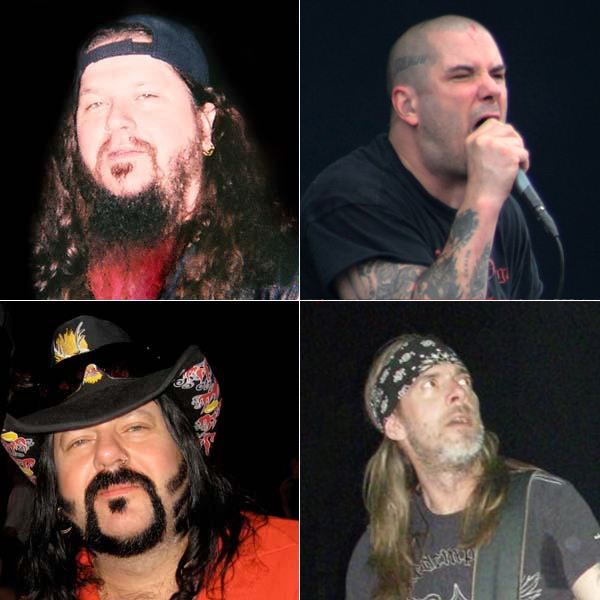
He eventually found a way to channel that energy into new projects. In 2007, he formed the supergroup Hellyeah. This band allowed him to explore a different side of heavy music, blending groove metal with elements of southern rock. The lineup included members of Mudvayne and Bludefist, creating a thick, sludge-heavy sound. It was a way to keep the flame of heavy music burning without being trapped in the past.
Hellyeah's music stayed true to the roots of the Abbott style. The drums were massive, driving, and relentlessly rhythmic. Vinnie Paul's playing in this era sounded like a man reclaiming his space in the world. He used the kit to express a rugged, bluesy aggression that felt appropriate for his era. It was not a way to replace Pantera, but a way to survive the loss of it.
The touring for Hellyeah kept him connected to the fans who had loved his brother. He played the same festivals and the same clubs, maintaining a presence in the community that had been shattered in 2004. Each performance felt like a tribute, a way to ensure that the Abbott name remained synonymous with power. He did not shy away from the legacy; he leaned into it with a grit that commanded respect.
Loss changes the way a musician approaches their craft. For Vinnie Paul, the drums became a medium for endurance. Every beat was a sign that the music had to continue. He remained a titan of the genre until his own passing in 2018. He never stopped playing, never stopped searching for that perfect, heavy groove that his brother had helped him create decades earlier.
The Cruel Symmetry of December 8
History has a strange, often morbid way of repeating itself. The date of the Dimebag Darrell shooting, December 8, 2004, holds a heavy significance in the annals of music history. It was exactly twenty-four years to the day since John Lennon was assassinated in New York City. This coincidence adds a layer of tragic irony to the event in Columbus. Two icons, separated by decades and genres, fell on the same calendar day.
Lennon's death in 1980 changed the landscape of pop and rock forever. It stripped away the innocence of the era and left a void in the heart of the Beatles' legacy. The news of the shooting in 2004 felt like a grim echo of that original shock. It suggested a recurring cycle of violence that targets the very people who provide the soundtrack to our lives. The dates aligned like a dark alignment of the stars.
The violence in Columbus felt different from the tragedy in New York. Lennon's killer acted out of a personal, obsessive delusion. The shooter in Ohio acted out of a sudden, unprovoked burst of senseless rage. Both events, however, left the music world reeling and searching for answers. Both events forced fans to confront the reality that the stage is not always a safe place.
Looking back at that era, the mid-2000s felt like a time of transition. Nu-metal was fading, and the heavy music scene was searching for a new identity. The loss of Darrell Abbott robbed the genre of a much-needed veteran voice. He was a bridge between the old school of heavy metal and the new era of groove-centric playing. Without him, the trajectory of the genre felt slightly unmoored.
The tragedy of December 8 remains a permanent scar on the metal community. We remember the riffs, the Dean guitars, and the massive drum fills. We also remember the silence that followed the shots in Ohio. The music lives on, but the memory of that night at Alrosa Villa remains an inescapable part of the story. We keep playing, we keep loud, and we keep the memory of the Abbott brothers alive.