The Mystery of Queen's Most Contested Concert Footage
London fog choked the Rainbow Theatre on November 24, 1972. Inside the hall, stale beer and heavy cigarette smoke hung in the air. Freddie Mercury gripped the microphone with a confidence that defied his twenty-six years. The band played with a raw, unprimed energy that defined their early years. This specific night provided the foundation for the film Queen Rockmont, a piece of footage that remains a central Queen concert footage mystery for collectors today.
Fans obsess over every frame of this era. They hunt for the truth behind the grainy, black-and-white shots of Brian May and his Red Special. The footage captures a band on the verge of something massive. Yet, even in these early recordings, technical errors haunted the visual record. These errors create gaps in our understanding of how the band actually sounded in a live setting.
The performance of "Seven Seas of Rhye" during this set contains a glaring technical flaw. A sudden, piercing feedback loop tore through Brian May's Vox AC30 amplifiers. This high-pitched squeal cut through the mix like a jagged blade. It physically obscured the vocal melody that Mercury worked so hard to deliver. Many listeners argue that this specific audio failure ruins the musical integrity of the recording.
The sonic distortion changed the texture of the song entirely. Instead of the bright, regal brass sounds the studio version promised, we heard a struggling electric guitar. The feedback bit into the listener's ears with a harsh, metallic sting. It makes the footage a difficult listen for those seeking the polished perfection of the Queen studio albums. We are left wondering how much of the band's early live brilliance stayed buried under that electronic noise.
The Feedback Loop at the Rainbow Theatre
London's Rainbow Theatre hosted many legends, but the 1972 Queen Rockmont session feels particularly volatile. You can hear the tension in the strings of the guitars. The Vox AC30 amps pushed their absolute limit that night. This wasn't a controlled studio environment. This was a rock show in its most primal, unrefined state.
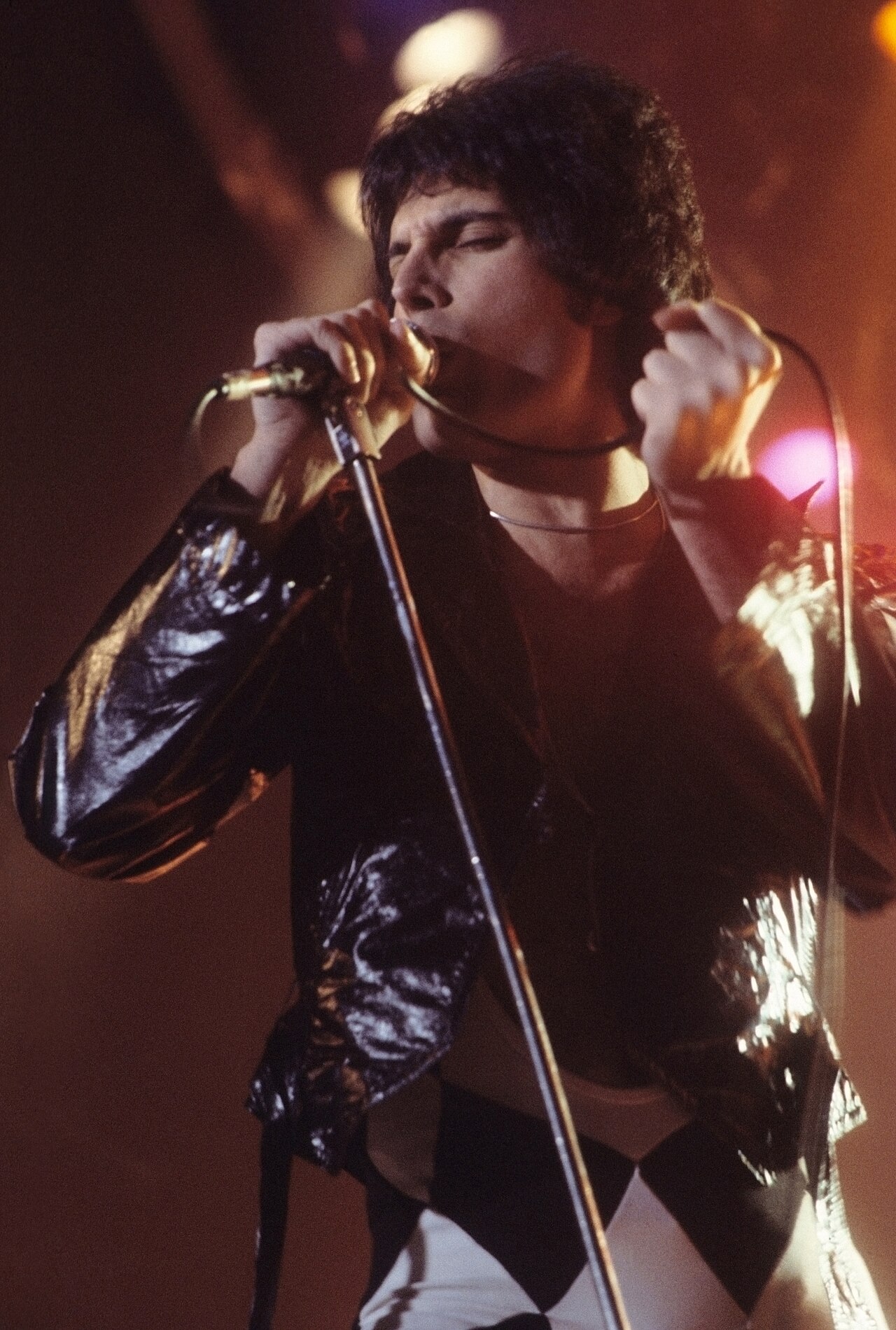
The feedback loop during "Seven Seas of Rhye" did more than just annoy the crowd. It fundamentally altered the frequency response of the entire performance. The squeal occupied the same mid-range space where Mercury's vocals usually resided. This created a muddy, confused sonic image that frustrates audiophiles. The visual of the band playing with such precision contrasts painfully with the auditory chaos of the amp malfunction.
Roger Taylor's drumming provided the only stable anchor during this sonic meltdown. His snare hits remained crisp and dry despite the surrounding electronic screech. You can hear the physical effort in his playing. He pushed the tempo to keep the energy from collapsing under the weight of the feedback. The drums acted as a rhythmic heartbeat for a band fighting their own equipment.
John Deacon's bass lines provided the necessary low-end foundation. He stayed locked in with Taylor, even when the guitars drifted into unplayable frequencies. This stability allowed the band to finish the set without a total collapse. The footage remains a vital document of their early hunger. It shows a band that refused to stop playing, even when the technology failed them.
Discrepancies in the BBC Broadcast Logs
The 1975 tour supporting A Night at the Opera represents Queen at their absolute zenith. This era brought us "Bohemian Rhapsody" and a level of theatricality that changed rock forever. The Wembley footage from this period contains a massive discrepancy in setlist timing. If you compare the official film release to the original BBC broadcast logs, the numbers simply do not align. The film feels shorter, tighter, and more curated than the actual live event.
BBC engineers recorded the live session with a much broader scope. Their logs show longer transitions and extended instrumental sections that never made the final cut of the film. This suggests a heavy hand in the editing process. The editors likely trimmed the fat to create a more digestible, high-impact viewing experience. They sacrificed the actual duration of the concert for the sake of cinematic pacing.
This discrepancy bothers historians who want an accurate record of the 1975 tour. We lose the sense of the band's endurance and their ability to command a room for extended periods. The official release presents a version of Queen that is much more efficient than the reality. The real show was likely a sprawling, unpredictable beast. The film makes it look like a polished, pre-planned theatrical production.
Watching the footage, you see the band performing with an almost manic intensity. The gap between the logs and the film creates a sense of phantom performances. We are watching a ghost of the real concert. The editing hides the moments of exhaustion or the long, wandering jams that defined the mid-70s era. It leaves us questioning what else was removed to preserve the legend.
"I think we were just trying to be the biggest band in the world." - Brian May
The ambition of the band during this era was palpable. Every note felt like it carried the weight of their entire future. The discrepancy in the logs only adds to the mystique of the 1975 Wembley performance. It reminds us that the version of history we see on screen is often a carefully constructed myth.
Lighting Blind Spots in Montreal
Montreal, 1986, brought a different kind of intensity to the Queen live experience. The Live Magic show was a massive undertaking involving complex lighting and massive crowds. The visual record of this show suffers from technical limitations. During the performance of "Under Pressure," the lighting rig created several massive blind spots. These dark patches prevented the cameras from capturing the faces of the band members.
Roger Taylor described this frustration in a 1986 interview with Rolling Stone. He noted that the very lights intended to make the band visible actually obscured them. The high-intensity beams bounced off the stage in ways that blinded the lens. This left large sections of the performance in total darkness. It turned a celebratory moment into a fragmented visual experience.
The loss of visual connection is devastating for a band like Queen. Their power relied heavily on the facial expressions of Freddie Mercury and Brian May. When the lights wash out the performers, the emotional connection to the audience breaks. You see the silhouettes of movement, but you lose the human element. The song "Under Pressure" requires a level of intimacy that the Montreal lighting rig destroyed.
The footage shows a band performing in a void. The shadows are deep and heavy, swallowing the stage crew and the musicians alike. It creates a sense of isolation that feels at odds with the stadium setting. The cameras struggle to find focus in the high-contrast environment. This technical failure makes the Montreal footage a difficult piece of the larger Queen visual puzzle.
The scale of the production was immense. The sheer size of the rig was meant to project the performers to the far reaches of the stadium. Instead, it created a barrier between the band and the camera. This irony defines much of the late-period Queen concert footage. The technology used to amplify their presence often worked to hide it.
The Truth Behind the Isle of Wight Rain
The 1974 Isle of Wight Festival remains a legendary moment in British rock history. Queen performed alongside a lineup of heavyweights under a sky that looked increasingly threatening. Multiple film crews captured the event, providing a wealth of raw material. Yet, the official released footage tells a much cleaner story than the one witnessed by the thousands in attendance. The official release completely lacks the heavy rain sequences that defined the night.
Witnesses from the festival describe a scene of near-chaos. The rain fell in heavy, punishing sheets that soaked the equipment and the audience. The mud became a thick, treacherous sludge around the stage. There were genuine fears that the set would be cancelled entirely due to the weather. The band played through the deluge, their instruments struggling against the moisture.
The decision to omit the rain from the official release is a clear editorial choice. It preserves the image of a band in total control of their environment. The rain makes the performance look desperate and physically difficult. Without the rain, the footage looks like a standard, high-energy festival set. With the rain, it becomes a story of survival and resilience.
This omission changes the narrative of the performance. The real Isle of Wight set was a battle against the elements. The official film hides the struggle and focuses only on the triumph. It sanitizes the grit that made the 1974 tour so visceral. We see the music, but we miss the physical reality of the performance.
The absence of the weather also affects the way the instruments sound in the mix. The dampness of the air and the moisture on the drum skins would have altered the acoustic properties of the even. The clean audio of the release feels disconnected from the visual of a dry, sunny stage. It creates a disconnect that sharpens the mystery of what actually happened that night.
The Great Backing Track Debate
The 1992 Live Killers era footage presents one of the heated debates among Queen archivists. This period saw the band experimenting with different sonic textures and production methods. During certain drum solos, a specific dispute arose regarding the use of technology. Some observers claim the band played to a pre-recorded backing track. Others insist a live percussionist provided the extra layer of rhythm.
The audio quality in these specific segments is incredibly dense. The percussion sounds too perfect, too precisely aligned with the main kit. This leads many to believe that a loop or a track ran in the background. It provides a level of rhythmic consistency that is difficult to achieve in a live stadium setting. The sheer volume of the drums makes it hard to distinguish between the live kit and the recording.
The presence of a live percussionist would explain the incredible energy of the solos. A second drummer or a percussionist adds a layer of physical movement to the stage. You can see the extra hands and the extra movement in the wider shots. The debate often hinges on whether one is watching the audio or the visual.
This ambiguity creates a fascinating tension in the Live Killers footage. It highlights the era's transition into more technologically complex performances. The band always looked for ways to expand their sound. Whether through a track or an extra player, the goal was a massive, wall-of-sound effect. The mystery of the source remains unresolved because the evidence is so tightly integrated.
The tension in the drum solos is palpable. Every hit feels heavy and intentional. If a track was used, it was used to augment, not replace, the live power. The debate itself is part of the legend. It keeps fans analyzing every beat and every strike of the snare.
The 1986 Live at Wembley concert features another moment of visual confusion. During "Bohemian Rhapsody," a specific camera angle suggests a stage invasion. The movement is sudden and disruptive. Later historians identified this as a controlled movement by a stagehand. It was a piece of choreographed chaos designed to add to the drama.
The confusion stems from the way the camera was positioned. The angle obscured the identity of the person moving across the stage. It looked like a fan had breached the security perimeter. This momentary panic in the footage adds a layer of unscripted energy to the film. It makes the 1986 Wembley show feel even more alive and unpredictable.
This incident proves how much of Queen's visual history relies on perspective. A single camera angle can turn a routine stagehand movement into a legendary security breach. It shows the power of the lens to shape our perception of reality. The footage remains a subject of intense scrutiny for those who study the band's live legacy.
The true nature of Queen's concert footage remains a subject of constant re-examination. We find ourselves caught between the polished official releases and the messy, unedited truths found in the archives. The feedback, the rain, the lighting, and the edits all serve to create a complex myth. We may never fully know the unadulterated reality of every performance, but the search for the truth is what keeps the music alive.