The Mystery of Jim Morrison's Paris Death
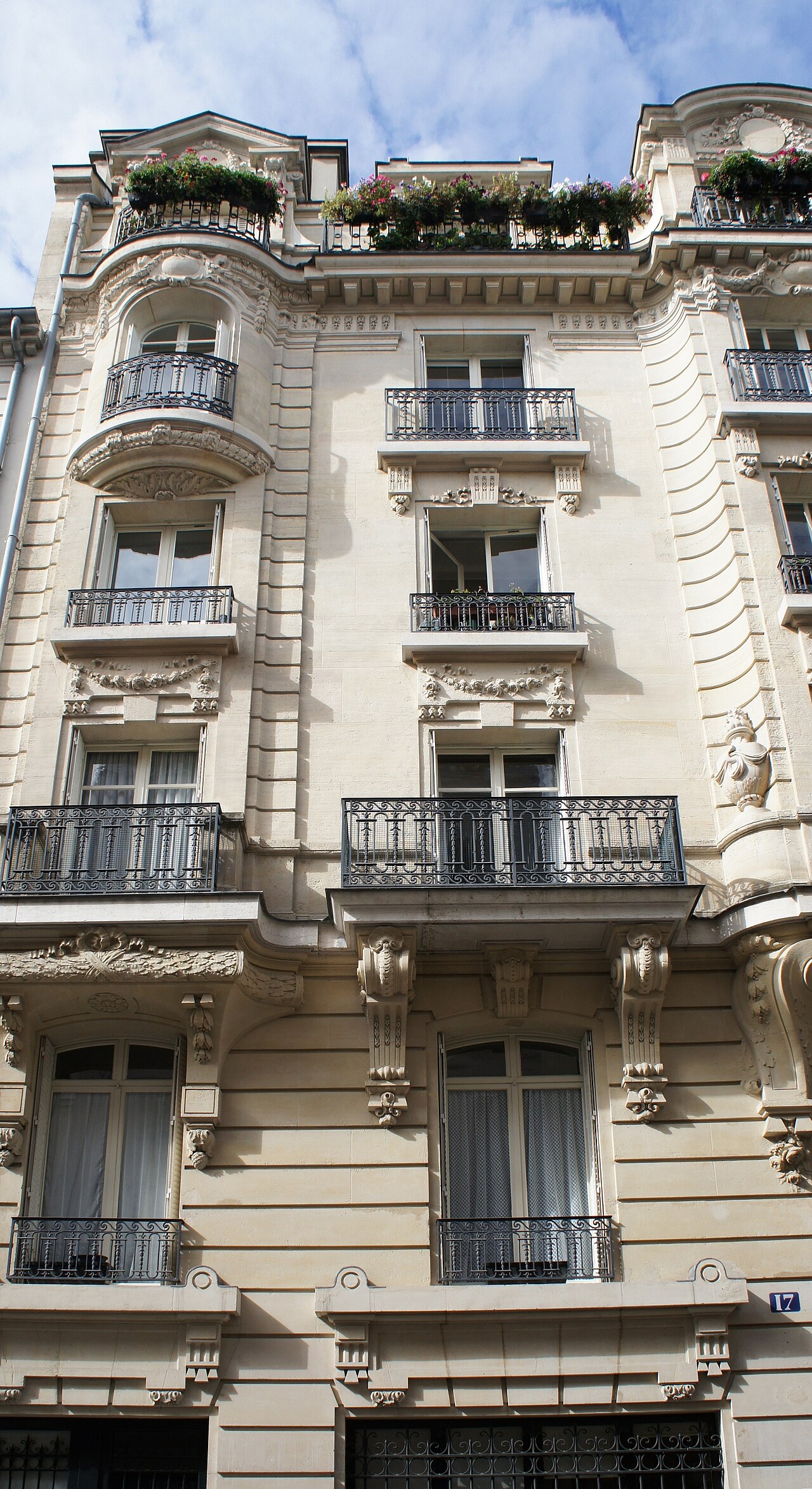
July 3, 1971, arrived in Paris with a heavy, humid stillness. Inside the Château de Mortet, a quiet apartment at 21 Rue Beautrement in the 17th Arrondissement, the air smelled of stale wine and old smoke. Jim Morrison lay motionless on the floor. The legendary frontman of The Doors, a man whose voice could shake the foundations of a concert hall, had suddenly ceased to breathe. This moment ignited the Jim Morrison death mystery, a puzzle of medical negligence and missing evidence that continues to haunt rock history.
The 17th Arrondissement offers grand architecture and quiet streets. Morrison and his partner, Pamela Courson, used this neighborhood as a temporary sanctuary during their self-imposed exile from the United States. They sought escape from the relentless scrutiny of the American press and the chaotic energy of Los Angeles. Instead, they found a grim end in a rented flat that lacked the security of a formal investigation. The silence of the apartment that night spoke volumes about the lack of oversight following the poet's passing.
Law enforcement arrived at the scene far too late to witness the true final moments of the Lizard King. By the time the authorities entered the Rue Beautrement residence, the physical evidence of a struggle or a sudden collapse had already begun to fade. The apartment held the remnants of a lifestyle lived on the edge of excess. No one questioned the suddenness of the event because the city of Paris was accustomed to its legends meeting tragic ends in dim light.
The Death Certificate Without a Doctor
Dr. Jean-Louis Dutron signed the paperwork that officially ended Jim Morrison's life. This signature carries a weight of suspicion that no amount of time can erase. He listed the cause of death as a heart attack on the official death certificate. This medical conclusion arrived without the benefit of a single physical examination of the deceased. A doctor cannot diagnose a sudden cardiac event through a glance at a piece of paper or a brief look at a corpse in a hallway.
The medical bureaucracy in 1971 Paris moved with a frustrating lack of rigor. Dutron performed no autopsy to verify the physiological cause of the heart failure. He simply processed the documentation required to finalize the death. This negligence turned a medical tragedy into a permanent historical debate. A heart attack implies a specific biological failure, yet the lack of a physical checkup makes the diagnosis a mere assumption.
The lack of a physical examination stripped the event of its scientific reality. We are left with a piece of paper that claims a heart stopped beating, but no one actually saw the heart's condition. This absence of clinical proof created the vacuum where conspiracy theories thrive. It turned a private tragedy into a public scandal that fans and investigators still dissect today.
Medical professionals often rely on visible signs of distress or physical markers to suggest a cause. In the case of Morrison, the doctor bypassed these fundamental steps entirely. He provided a label for a death that lacked a verified biological origin. This failure to investigate the body represents the primary crack in the official narrative of the Jim Morrison death mystery.
A Missing Autopsy in Paris
The coroner's report from that July night contains a glaring, empty space where toxicology should reside. No mention of drug toxicity appears in the official records provided by the Parisian authorities. No blood testing occurred to check for the presence of substances that characterized the era. The investigators ignored the possibility of cocaine or heroin, both of which moved through the Parisian underground with ease in 1971.
Forensic science requires the presence of physical evidence to confirm a theory. The investigators at the time failed to look for the very substances that could have triggered a fatal event. They did not swab the surfaces of the Château de Mortet for traces of narcotics. This lack of scrutiny allowed the possibility of an overdose to remain an unverified, unrefuted theory for decades.
The Parisian underground scene in the early 1970s thrived on the use of illicit substances. Musicians and expatriates moved through a network of clubs where drugs flowed as freely as the wine. To assume Morrison died of natural causes without checking his blood for toxins is a massive oversight. It ignores the cultural reality of the people living in the 17th Arrondissement during that period.
"I don't think he died of a heart attack. I think he died of something else, something that they just didn't want to find."
The absence of a toxicology screen remains the most damning piece of evidence against the official story. Without blood work, the term "heart attack" is a placeholder for an unseen cause. It acts as a convenient way to close a file without addressing the messy reality of drug use. This omission leaves the door wide open for anyone to suggest a more sinister or accidental end.
The lack of an autopsy meant that the physical state of Morrison's internal organs remained a mystery. No one examined the lungs for signs of aspiration or the liver for signs of chronic substance abuse. The medical community simply accepted the paperwork provided by the local authorities. This refusal to dig deeper turned a potential crime scene into a closed chapter of history.
The Shadows Over Pamela Courson
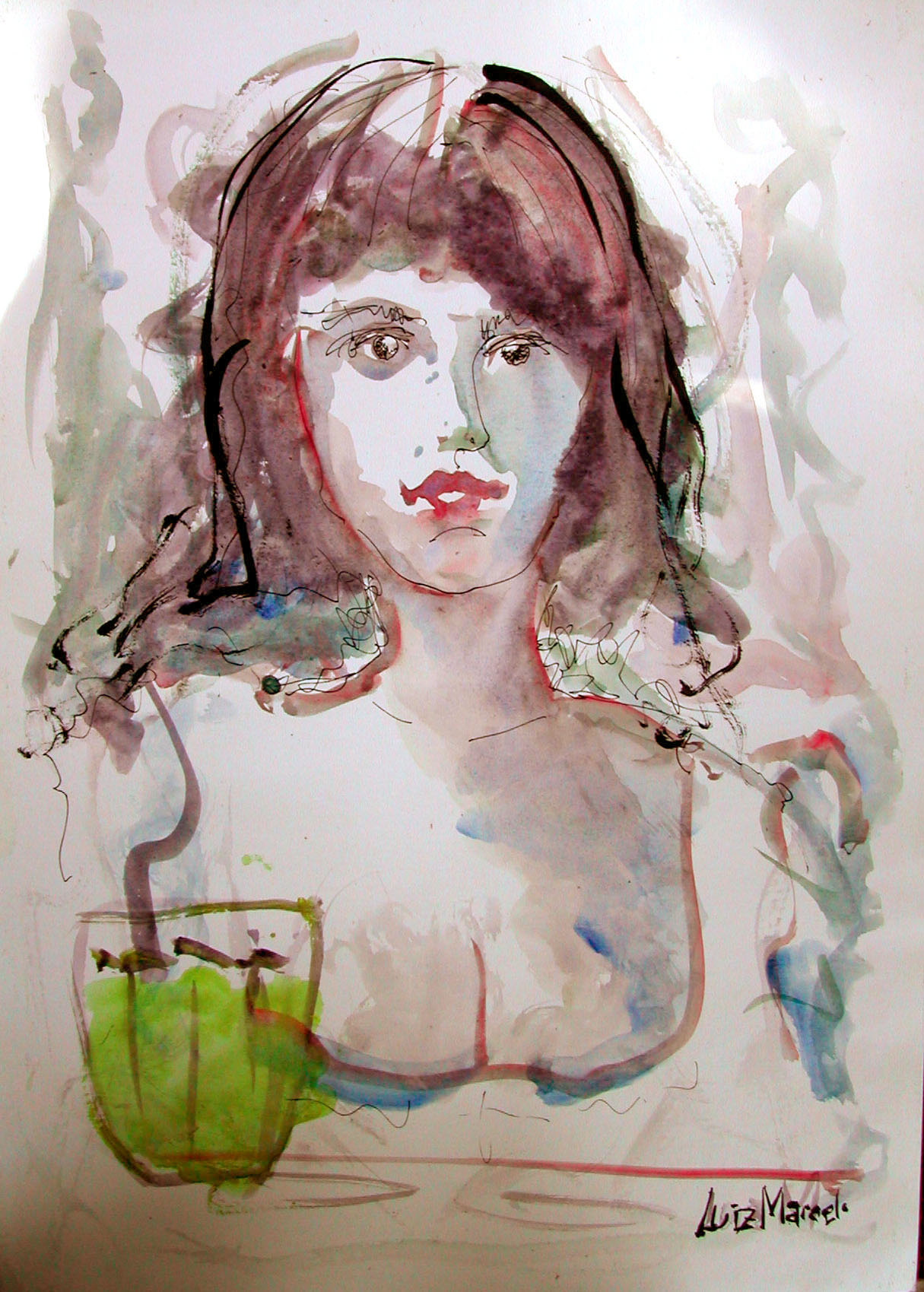
Pamela Courson occupied the apartment at the time of the collapse. As Morrison's longtime partner, she shared the highs and lows of his meteoric rise and his eventual decline. Her presence at the scene of the death placed her under an immediate and intense spotlight. The authorities and the media turned their gaze toward her, searching for a narrative that fit the chaos of their lives.
The scrutiny regarding her actions during those final hours remains intense. Critics pointed to the lack of immediate medical help as a point of contention. They questioned why the distress of a dying man did not prompt a more urgent call for assistance. These accusations often ignored the sheer confusion and trauma that accompanies finding a partner dead in a quiet flat.
Courson lived a life that mirrored the intensity of the music Morrison created. She was not a bystander in the rock and roll lifestyle; she was a central figure. This closeness to the edge of excess made her an easy target for those looking to assign blame. The investigation into her role lacked the depth required to clear her name of the whispers of negligence.
Investigators looked at the way she handled the aftermath of the death. They examined the timeline of the calls made to the police and the doctors. There was no evidence of foul play, yet the suspicion persisted in the press. The tragedy of her position was being the sole witness to a moment that changed the course of music history forever.
Her later life continued to reflect the heavy shadow of the Morrison years. She struggled with the weight of the legacy and the ghosts of the 17th Arrondissement. The connection between her and the events of July 3rd became a permanent part of the rock legend. No amount of legal clearance could erase the suspicion that her presence was part of a much darker story.
L.A. Woman and the End of an Era
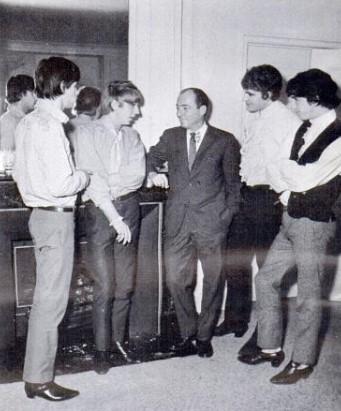
The Doors were still a functioning, powerful entity when the news broke. They had just finished recording L.A. Woman at Sunset Sound Recorders in Los Angeles.
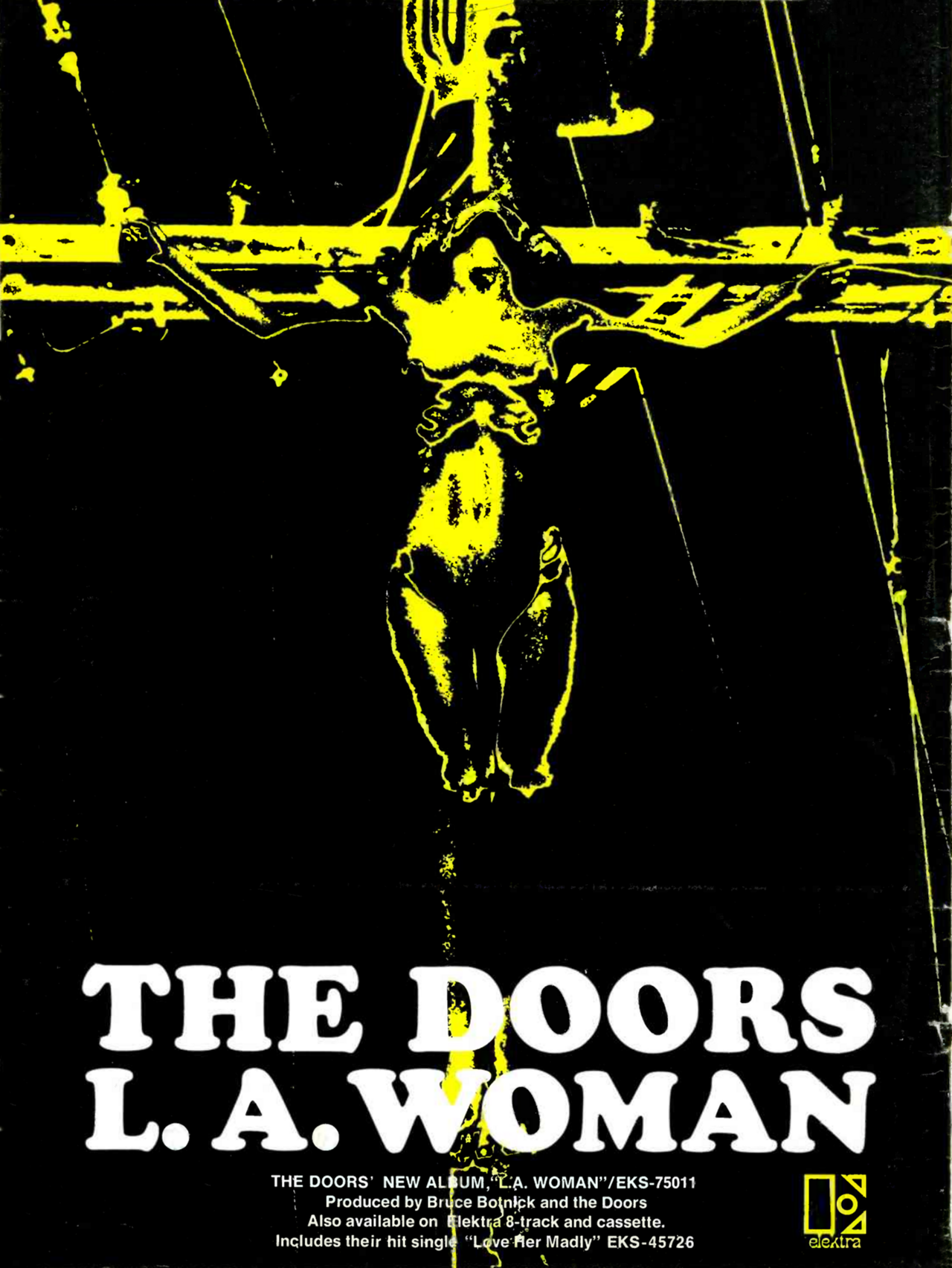
Producer Paul A. Rothchild worked with the band to capture a gritty, blues-infused sound that felt more grounded than their earlier psychedelic work. The album featured tracks like "L.A. Woman" that sounded like a heavy, driving force through a wall of distorted guitars.
October 1971 saw the release of this final studio masterpiece. The album arrived as a stark contrast to the news of the frontman's death in Paris. It felt like a eulogy written in real-time, capturing a band at the peak of their musical prowess while their leader was gone. The production on the track "Riders on the Street" carries a weight that feels like a heavy, dragging anchor in the mud.
The music industry was in a state of massive transition during this period. The Rolling Stones released Sticky Fingers in 1971, which hit number one on the Billboard 200. The era of the classic rock superstar was reaching its zenith even as the architects of that era were dying. The contrast between the triumph of the Stones and the tragedy of The Doors defined the year.
The sound of L.A. Woman is thick and visceral. The bass lines from Ray Manzarek and the percussion from John Densmore create a rhythmic foundation that hits like a punch to the solar plexus. It is a record that sounds like it was recorded in a room full of ghosts. The band was attempting to return to their blues roots even as their future evaporated in a French apartment.
Paul A. Rothchild pushed the band toward a more muscular, stripped-down aesthetic. He moved away from the layered, swirling textures of their earlier albums. This direction gave the music a raw, unvarnished quality that suited the era's move toward harder rock. It was a perfect, albeit final, statement for a band that had always thrived on tension and release.
The Skeptics and the Truth
John Densmore has never accepted the official version of events. In his memoir, The Doors: Lords of LSD, the drummer expresses deep skepticism about the heart attack narrative. He points to the lack of investigation and the suspicious nature of the medical reports. His perspective provides a vital link to the actual reality of the band's inner circle during those years.
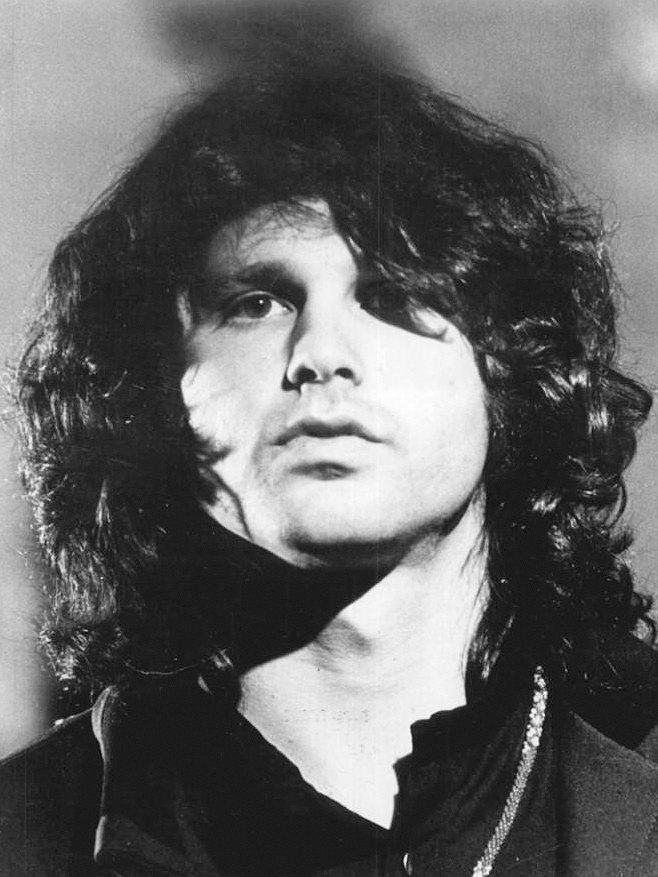
The skepticism is not based on wild conspiracies but on the tangible lack of evidence. The band members saw the chaos of the era and knew the dangers of the substances circulating in Paris. They understood that a sudden death in a room full of drug residue cannot be dismissed without a blood test. Densmore's voice carries the frustration of a man who knows the truth remains buried in a French grave.
Many associates of the band have echoed these doubts in various interviews over the decades. They highlight the peculiar way the French authorities closed the case so quickly. The lack of interest in investigating the presence of cocaine or heroin seems like a deliberate choice to avoid scandal. It allowed the city to maintain its image of order while ignoring the reality of the underground.
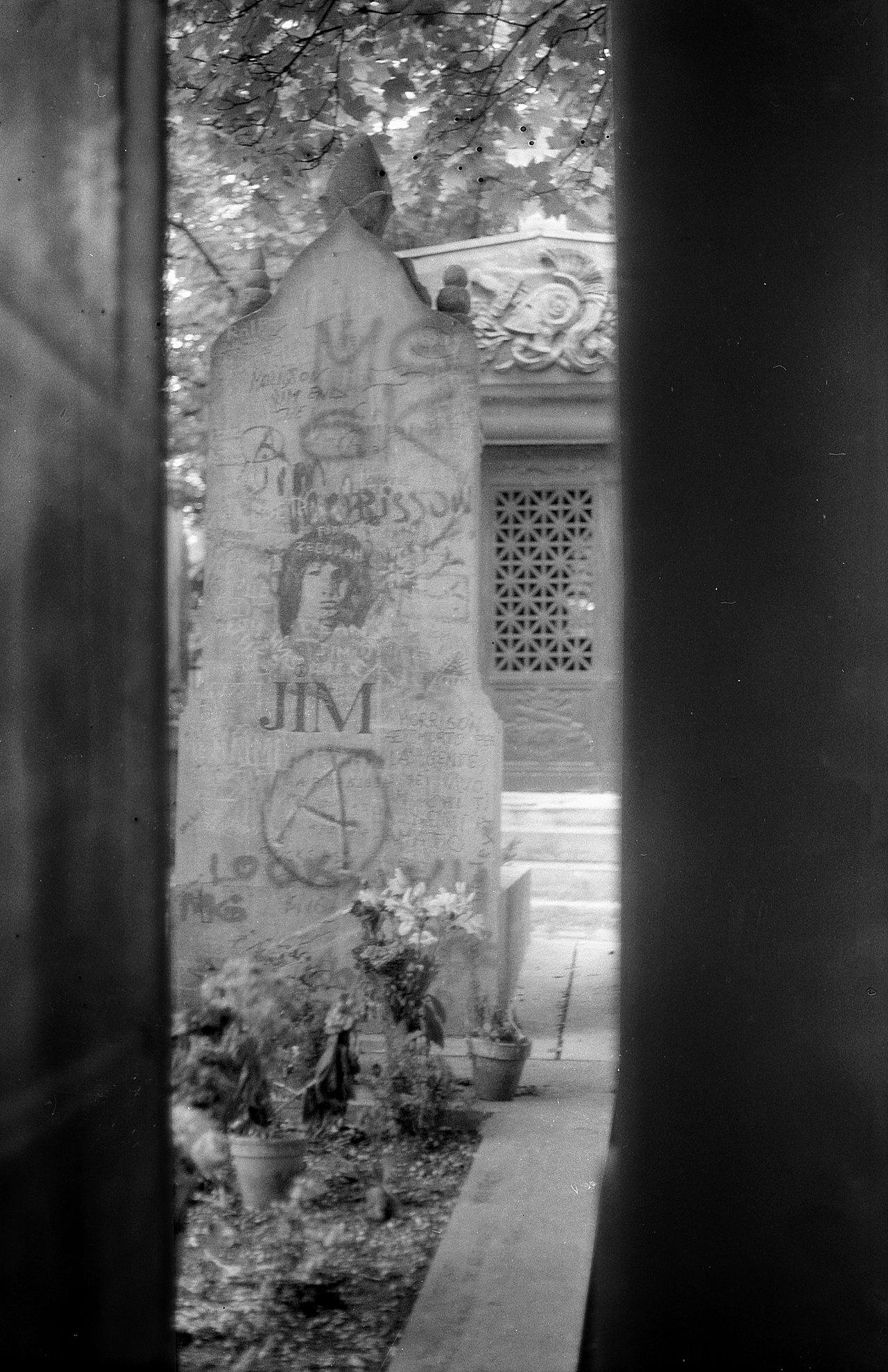
The truth remains as elusive as the man himself. We possess the songs, the broken records, and the unverified death certificate. We have the heavy, bluesy riffs of L.A. Woman and the haunting silence of the 17th Arrondissement. The mystery of Jim Morrison's death is not a puzzle that can be solved with new evidence, because the evidence was never collected.
Searching for answers in the archives only leads back to the same dead end. The papers say heart attack, but the history books say something much more complicated. The legend lives on in the music, far away from the grim reality of a quiet room in Paris. The music remains the only part of the story that truly stays alive.