The Loudness War: Why Modern Music Lost Its Dynamics
Los Angeles car stereos in 1992 felt the heavy impact of Dr. Dre's The Chronic. Death Row Records released that masterpiece with a specific, crushing intent. The low-end frequencies hit with a density that demanded attention. Engineers used heavy compression to ensure the bass remained thick and consistent. This technique made the tracks roar through trunk subwoosters and aftermarket amplifiers.
Engineers prioritized volume over the subtle peaks of the percussion. They wanted every kick drum to punch through the mix like a physical blow. This approach changed how people listened to hip hop in urban centers. It turned the car into a single, mobile concert hall. The Loudness War began its slow, destructive march through the industry right here.
Dr. Dre worked with producers like Daz Dillinger to craft a specific sonic signature. The G-Funk sound relied on deep, undulating basslines and sharp, whining synthesizers. To keep those elements from disappearing into the background, they compressed the signal heavily. This prevented the bass from swallowing the melodic elements. It created a wall of sound that felt larger than life.
Listeners did not complain about the loss of transient detail. They loved the sheer physical presence of the music. The 1990s marked a period of transition for audio technology. The industry moved from the warmth of analog tape to the precision of digital masters. This shift provided new tools for engineers to manipulate sound levels. It also provided a new way to destroy the very soul of a recording.
The Bass That Ruled the Streets, 1992
Death Row Records understood the importance of car stereo culture. The tracks on The Chronic needed to rattle windows in South Central. Producers utilized heavy-handed compression to maximize the impact of the low-frequency oscillations. This ensured the 808 kicks and Moog basslines stayed at the front of the mix. The music felt aggressive and unavoidable.

The production style favored a dense, saturated texture. This density helped the music cut through the noise of a moving vehicle. You could hear the low-end even with the windows rolled down. This was not an accident of engineering. It was a deliberate choice to dominate the acoustic environment of the street. The engineers pushed the levels until the transients began to flatten.
West Coast hip hop thrived on this heavy-bottomed sound. While groups like Wu-Tang Clan used gritty, dusty loops, Dre used polished, compressed power. The 1992 release set a standard for how much pressure a mix could handle. It prioritized the sensation of the bass over the clarity of the snare. This trade-off became the blueprint for the coming decade of digital production.
The sheer volume of the low-end created a sense of authority. When that bassline hits, you feel it in your chest before your ears process it. This physical sensation drove the popularity of the album. It made the music feel like a part of the physical world. The era of the heavy, compressed low-end had officially arrived.
The Digital Shift and the Death of Transients
Analog tape naturally compresses audio through a process called saturation. When a signal hits a magnetic tape, the peaks soften and round off. This creates a pleasing, musical effect that preserves the essence of the performance. Engineers in the 1970s and 1980s relied on this organic limitation. The tape acted as a natural limiter that breathed with the music.
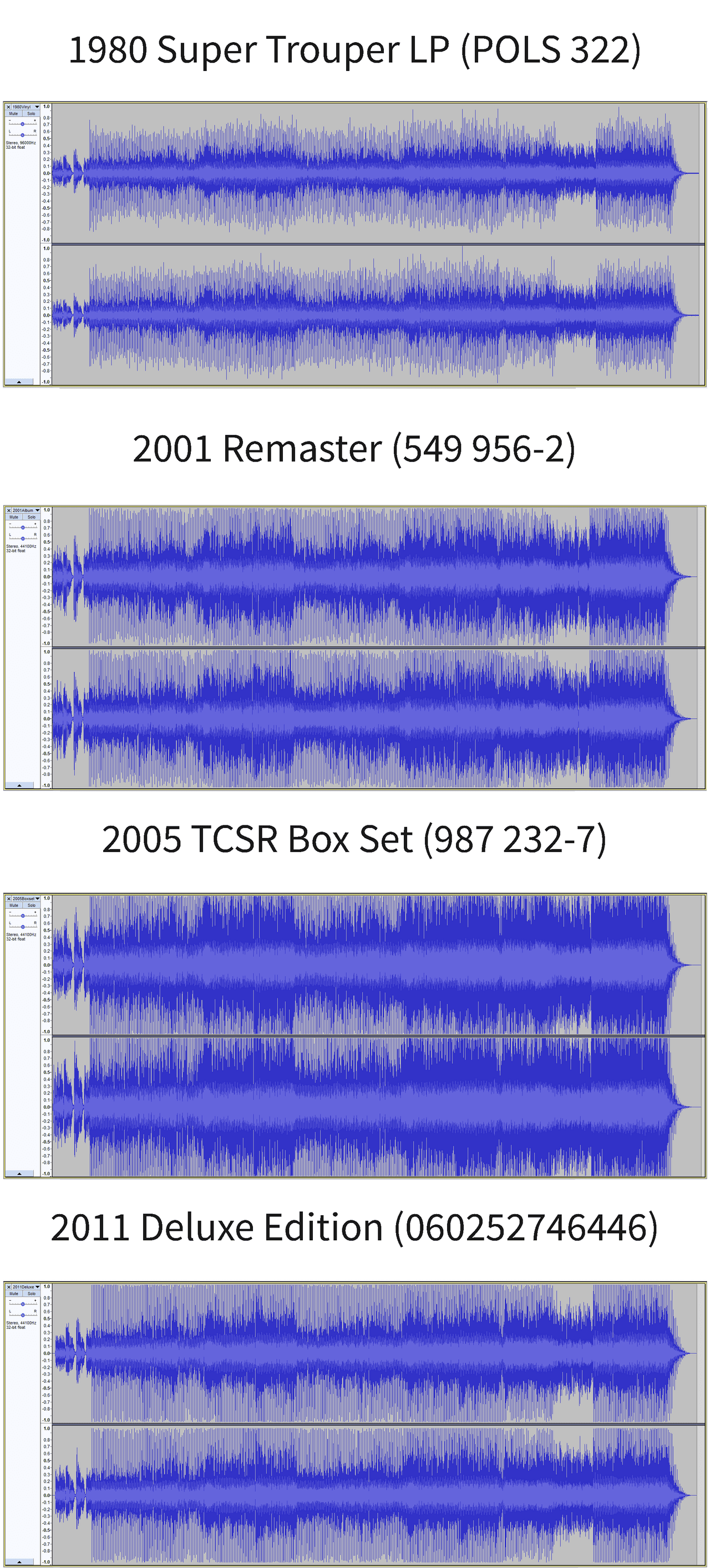
Digital mastering changed the fundamental rules of the studio. The shift to digital workstations allowed for a near-total elimination of transient peaks. Unlike tape, digital audio provides a hard ceiling at zero decibels. If a signal exceeds this limit, it results in harsh, digital clipping. This technical reality gave engineers a new, dangerous playground for volume manipulation.
< blockquote>The goal shifted from capturing a performance to winning a volume contest.The 1990s saw the rise of digital tools that made extreme compression easy. Engineers no longer needed complex outboard gear to squash a signal. They could simply apply a plugin and raise the gain. This ease of use encouraged a race to the top of the volume meter. Every new release needed to sound louder than the last one. This competition stripped the life out of the music.
Transients are the short, sharp bursts of energy in a sound. Think of the initial "crack" of a snare drum or the "click" of a guitar pick. When you compress a track heavily, you flatten these peaks. The music loses its rhythmic "snap" and becomes a flat, smeared mess. The loss of these micro-details makes the music feel stagnant and lifeless. It turns a breathing performance into a static block of sound.
The Era of the Brickwall Limiter
The Waves L2 Ultramaximizer changed the way engineers approached the final stage of mastering. This specific plugin became a staple in professional studios during the late 1990s and early 2000s. It allowed for aggressive peak limiting with the click of a button. An engineer could take a dynamic mix and flatten it into a dense, loud wall. This tool effectively democratized the destruction of dynamic range.
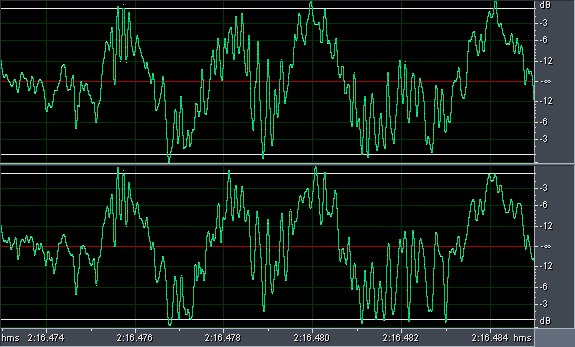
Abbey Road Studios engineers used the brickwall limiter to prevent digital clipping. This type of processor acts as a ceiling that no signal can cross. It stops the waveform from hitting the zero-decibel mark. While this prevents the harsh distortion of digital clipping, it also flattens the peaks. The limiter squashes the loudest parts of the music down to the level of the quietest parts. This reduces the difference between the loudest and softest moments.
The physical impact of this process is a loss of depth. A well-mastered album should have peaks that jump out of the speakers. When the brickwall limiter does its job too aggressively, the music stays at one constant level. The listener's ear becomes fatigued by the lack of variation. You stop hearing the nuances of the drum kit and start hearing a constant, unchanging drone.
This era produced some of the most sonically exhausting music in history. The engineers used tools like the L2 to chase a phantom level of excitement. They believed that more volume equaled more energy. In reality, they were just removing the rhythmic tension that makes music move. The music became a flat line on an empty oscilloscope, devoid of any peaks or valleys.
When Clipping Became the Aesthetic
Metallica faced massive backlash with the 2008 release of Death Magnetic. Audiophiles and critics pointed to the heavy use of digital clipping as a failure of engineering. The drums sounded crushed, and the guitars lost their bite. The album was a victim of the extreme end of the volume race. It served as a cautionary tale for the entire metal community.
Some artists began to use clipping as a deliberate creative choice. Kanye West utilized heavy-handed compression on 808s & Heartbreak in 2008. He used the 808 drum machine to create a dense, claustrophobic atmosphere. The compression on the drums and the heavy use of Auto-Tune created a sense of emotional weight. The lack of space in the mix mirrored the heartbreak expressed in the lyrics.
Lady Gaga's 2008 hit "Just Dance" stands as another benchmark for extreme compression. Audio engineers often point to this track as a prime example of the era's pop production. The track is incredibly loud, with almost no headroom left for the transients to breathe. The production is polished and bright, but it lacks any sense of dynamic movement. It is a wall of synthesized energy that never lets up.
This aesthetic choice works in certain contexts. In a club, a dense, compressed mix can feel overwhelming and powerful. However, when applied to every genre, it becomes a burden. The loss of the "hit" in the drum beat makes the rhythm feel sluggish. It turns a high-energy dance track into a monotonous thud. The music loses its ability to surprise the listener with sudden changes in intensity.
The 2000s were a period of sonic homogenization. Because everyone used the same limiting tools, everyone started sounding the same. The distinction between a rock record and a pop record began to blur. Both were being pushed through the same brickwall limiters. The unique character of the instruments was sacrificed for a standardized level of loudness.
The Rise of Streaming and Normalization
The 2010s brought a massive shift in how we consume music. The transition from physical CDs to streaming platforms like Spotify changed the technical requirements of mastering. Engineers no longer had to worry about the physical limitations of a disc. Instead, they had to contend with the algorithms of a digital platform. This changed the entire purpose of the mastering stage.

Spotify implemented a Loudness Normalization feature to standardize playback levels. This feature automatically adjusts the volume of every track to a specific target. If a track is much louder than the target, the platform turns it even lower. This effectively neutralized the primary advantage of the Loudness War. There was no longer a benefit to making a track louder than the previous one.
This change forced engineers to rethink their approach to compression. They could no longer rely on sheer volume to grab the listener's attention. Instead, they had to focus on the quality of the mix and the clarity of the transients. The industry had to learn how to create impact without relying on the volume knob. It was a much-needed correction to decades of bad habits.
Streaming platforms also changed the way we listen to music. We no longer sit in a room with a high-end stereo system to hear a single album. We listen on earbuds, in cars, and through cheap Bluetooth speakers. These devices cannot reproduce the subtle dynamics of a well-mastered track. The loss of dynamic range became even more noticeable in these low-fidelity environments. The music sounded even flatter and more compressed than before.
The move to streaming also ended the era of the "album experience." We now consume music as a continuous stream of disconnected tracks. The lack of dynamic variation between songs makes the transition between tracks feel seamless but sterile. The music has lost its ability to create a single narrative tension through volume changes. We are trapped in a state of constant, moderate-level playback.
The Fight to Save Dynamic Range
Bob Katz led the charge for audio fidelity with the Dynamic Range Initiative in 2015. This movement aimed to combat the degradation of audio quality in the digital age. Producers and engineers began advocating for a return to more natural mastering levels. They wanted to bring back the peaks and valleys that define a great recording. It was a movement of reclamation.
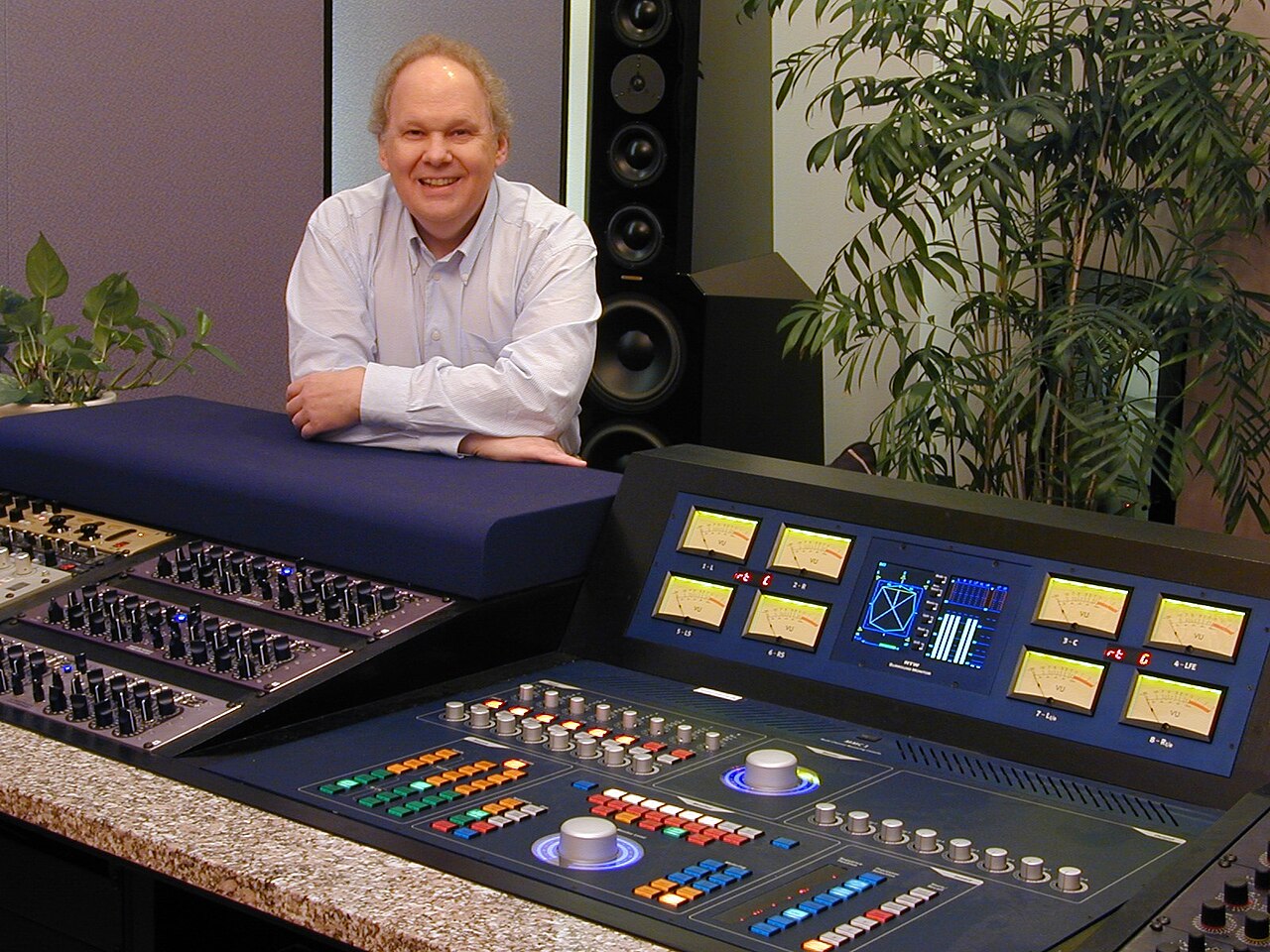
The initiative emphasized the importance of headroom in the mastering process. By leaving space for the transients, engineers could create more impactful music. This allowed the drums to snap and the guitars to roar without being crushed. It required a fundamental shift in mindset for many producers. They had to stop thinking about volume and start thinking about energy.
Audiophiles played a massive role in this resurgence of interest. They demanded higher quality recordings and pushed for better hardware. This demand tricked the industry into valuing fidelity once again. The rise of high-resolution streaming services like Tidal and Apple Music supported this trend. These platforms provided the bandwidth necessary for truly dynamic audio to shine.
Modern engineers now use compression as a tool for texture rather than just volume. They use it to shape the character of a sound without destroying the rhythm. The goal is to create a mix that feels alive and breathing. This requires a much more careful approach to the mastering chain. It is an art form that demands patience and restraint.
The battle for dynamic range is not over. As long as new technology emerges, the temptation to over-compress will remain. However, the awareness of the damage caused by the Loudness War is much higher now. We have learned that volume is not a substitute for quality. A truly great record does not need to be the loudest in the room. It just needs to be the most impactful.
Music is a physical experience that relies on the movement of air. When we flatten the waves, we flatten the emotion. The future of great production lies in the ability to embrace the silence between the notes. Only through the preservation of dynamics can we keep the soul of music alive.