Discover how country music began as a radical protest genre before the Nashville Sound and commercial shifts buried its subversive, political history.
The Lost Protest Roots of Country Music
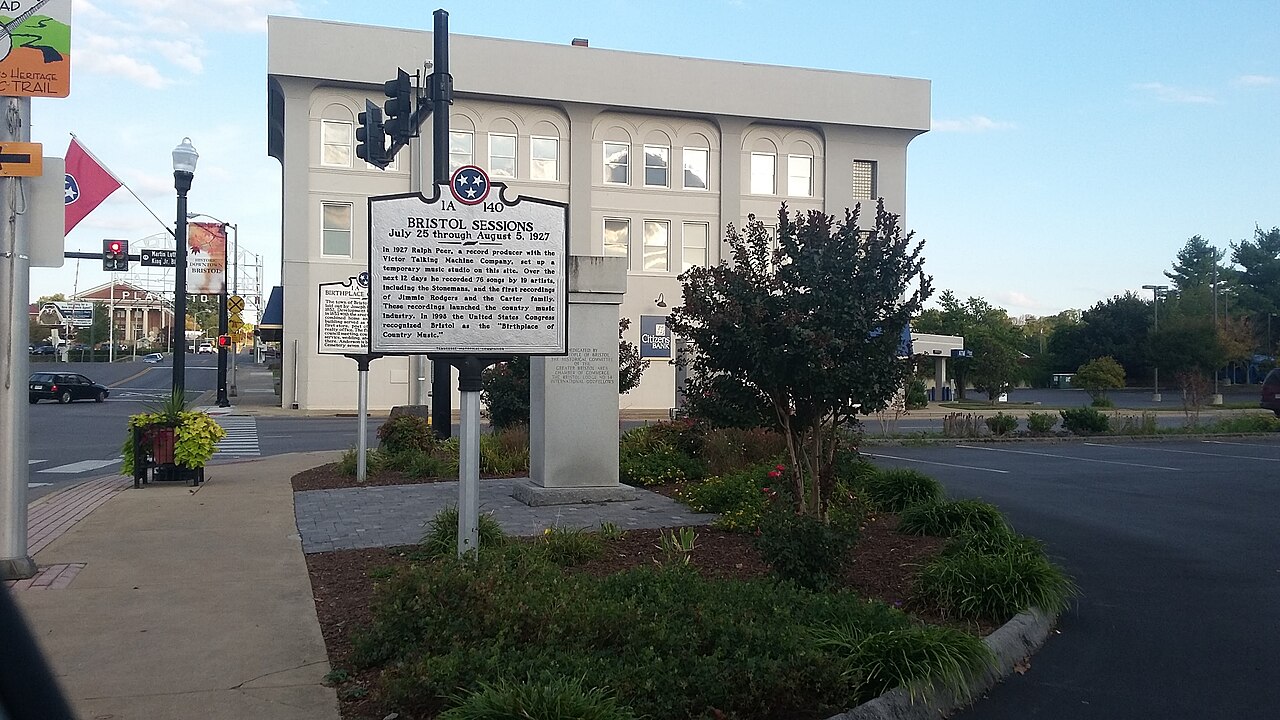
Ralph Peer adjusted the microphone levels in a humid Bristol, Tennessee studio during the summer of 1927. He listened to the scratchy, high-lonesome harmonies of the Carter Family through his recording equipment. This moment, known as the Bristol Sessions, fundamentally altered American music. Peer did not merely capture sound. He packaged Appalachian folk songs for a massive, hungry national market. He turned regional oral traditions into a commercial product that consumers bought on 78 rpm records across the country.
The Carter Family brought ancestral weight to these early recordings. Maybelle Carter played her guitar using a fingerpicking style that placed the melody on the bass strings. This technique, the Carter Scratch, provided a rhythmic foundation that felt both ancient and fresh. Ayla, Ed, and Maybelle sang with tight, unison precision. Their songs felt like artifacts pulled straight from the red clay of the Appalachian mountains.
Jimmie Rodgers stood on the other side of the commercial divide in that same 1927 session. He brought the yodel, the blues, and the swagger of the wandering drifter. His voice carried the grit of the rails and the ache of the road. Rodgers represented a different kind of American archetype. He was the man moving through the world, unanchored and restless. Peer saw the potential in both the mountain tradition and the wandering bluesman.
These sessions established the blueprint for what the industry called "hillbilly music." Labels took raw, localized expressions of life and smoothed them for radio airwaves. The industry stripped away specific local dialects to make the songs more accessible to listeners in Chicago or New York. This commercialization brought wealth to some, but it also began the slow process of detuning the music from its immediate, local struggles. The songs became commodities rather than community documents.
The Dust Bowl and the Politics of Displacement
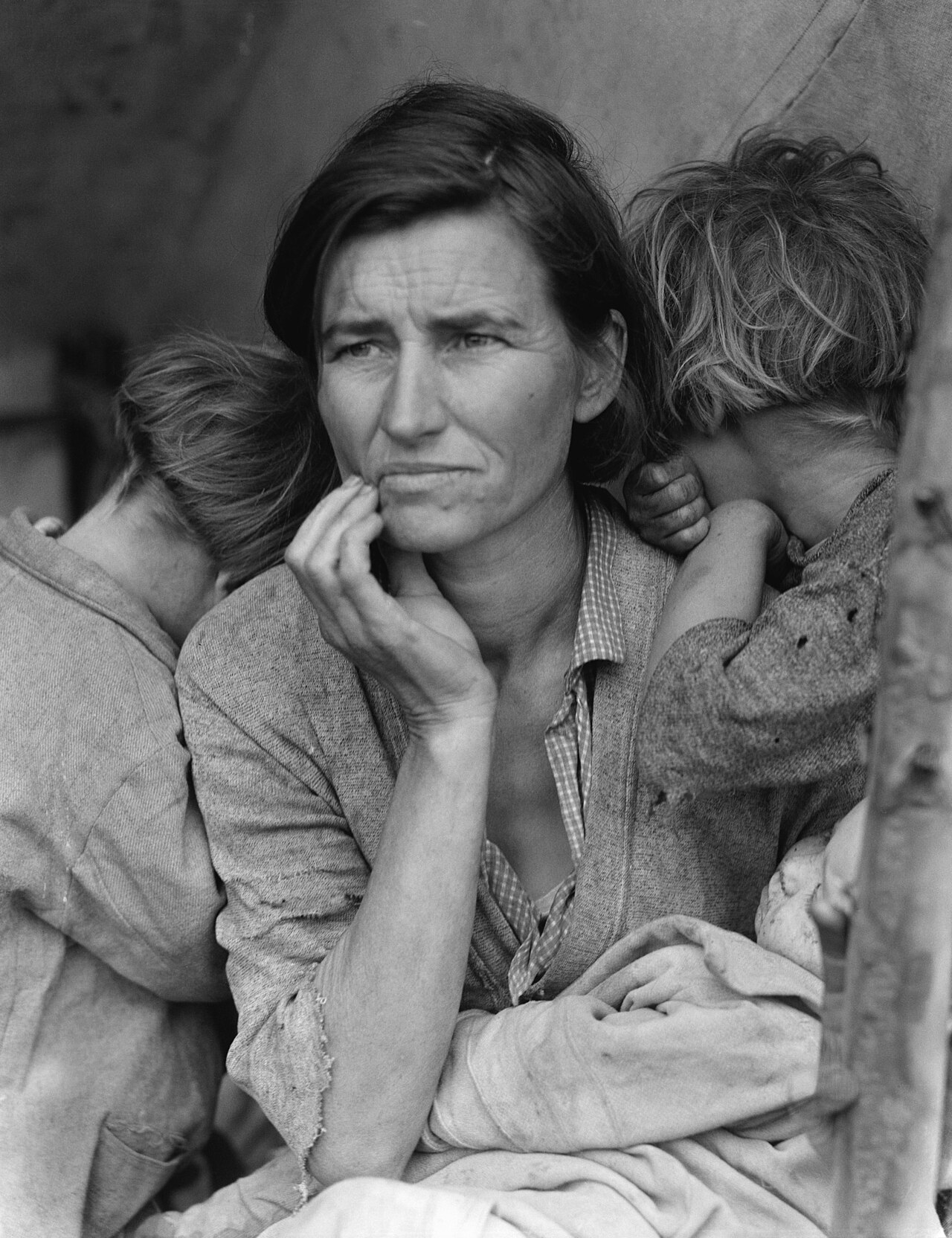
Dust storms choked the sunlight in Oklahoma and Texas throughout the 1930s. Families watched their topsoil blow toward the Atlantic Ocean. This ecological catastrophe forced a massive migration of displaced musicians toward the West Coast. They carried their instruments and their misery in battered Ford Model Ts. The music changed as these people arrived in California. The bright, upbeat swing of the era began to absorb the heavy weight of economic ruin.
Western Swing musicians found a strange new reality in the Central Valley. They still played the danceable, jazz-influenced rhythms of the Southwest. The lyrics started reflecting the hunger and the loss of the road. The music became a vessel for narratives of displacement. You could hear the tension in the fiddle playing. The music no longer focused on a dance; it focused on surviving the next week.
Lead Belly, or Huddie Ledfeather, provided a crucial, often overlooked link in this era. His recordings for the Lomax Collection in the 1930s and 1940s brought a different kind of truth to the studio. He integrated African American blues and folk traditions into the very bones of what would become country music. His voice carried the rhythm of the prison yard and the field holler. He played the twelve-string guitar with a percussive force that hit like a hammer on an anvil.
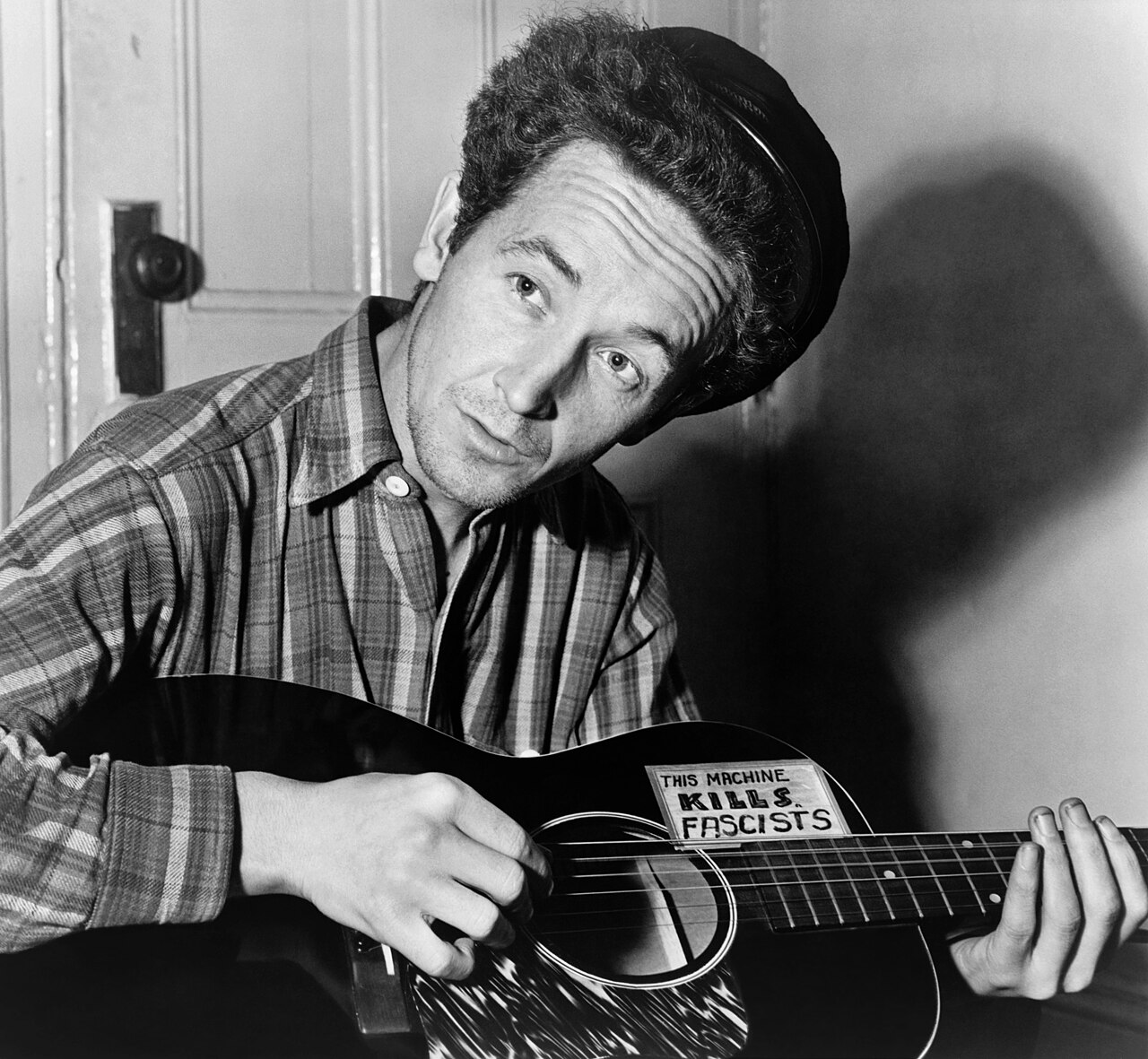
The Almanac Singers joined this fray during the mid-1930s. This group included figures like Pete Seeger and Woody Guthrie. They used traditional folk instrumentation to communicate radical labor union messages. Their repertoire functioned as a tool for anti-fascist sentiment and class struggle. They did not just sing songs; they used songs to organize people. The music served a clear, political purpose that bypassed the need for polite, middle-class approval.
Woody Guthrie and the Rebuttal of Patriotism
Woody Guthrie released "This Land Is Your Land" on Victory Records in 1940. Most people today hear a pleasant, sweeping anthem about American beauty. They miss the sharp, biting political edge Guthrie intended. He wrote the song as a direct, pointed rebuttal to the triumphalism of Irving Berlin's "God Bless America." While Berlin sang of a nation united in glory, Guthrie sang of a nation divided by hardship and hunger.
Credit: Wikimedia Commons
Guthrie's lyrics pointed to the reality of the migrant worker. He sang about the "private property" signs that blocked the way for the displaced. His guitar playing remained utilitarian and rugged. He used a Martin acoustic to drive home a massive message that stayed plain and unadorned. He did not need complex arrangements to make his point. The truth lived in the lyrics and the steady, driving rhythm of his strumming.
The 1940s saw a massive shift in how music functioned in the American consciousness. The war years demanded unity, but Guthrie refused to ignore the cracks in the foundation. He understood that patriotism without justice is merely a single mask. His songs documented the struggle of the working class with a clarity that bypassed the polished artifice of Hollywood-style patriotism. He brought the grit of the Great Depression into the era of global conflict.
Guthrie's influence bled into the very structure of the folk revival. He proved that a song could be a weapon. He showed that the singer could be a reporter from the front lines of social change. This approach later inspired generations of songwriters to look at the news and find the melody within the struggle. He never sought the easy, comfortable melody if it ignored the hungry child or the broken farmer.
The Rise of the Polished Nashville Sound
RCA Studio B in Nashville hummed with a new kind of energy during the 1950s. Producers like Chet Atkins took the reins of the genre. They faced a massive threat from the rising tide of rock and roll. The raw, fiddle-heavy sounds of the past felt too old-fashioned for the teenagers buying 45s. Atkins and his contemporaries responded with a calculated, smooth aesthetic known as the "Nashville Sound."
This production style replaced the biting steel guitar with lush string arrangements. They brought in professional background vocalists to provide a creamy, polished sheen. The goal was to create something that could play on pop radio alongside Perry Como or Patti Page. The music lost its jagged edges. It became much more pleasant to listen to, but it also lost much of its regional identity. The grit of the honky-tonk faded under layers of expensive studio varnish.
The engineering choices prioritized smoothness over impact. Engineers used more reverb and carefully balanced the levels to ensure nothing sounded too harsh. The drums sat back in the mix, providing a gentle pulse rather than a driving beat. This era turned country music into a sophisticated, middle-class product. It became music for the living room, enough to suit a quiet evening, not the sawdust-covered dance floor. The industry traded its rebellious soul for a seat at the table of mainstream success.
Critics of this era point to the loss of the genre's subversive power. When you polish the edges, you remove the ability to sting. The Nashville Sound made the music palatable to a wide audience, but it also neutered the protest potential of the lyrics. You cannot sing about the harsh realities of poverty when your arrangement sounds like a Sunday brunch. The genre became a victim of its own success, trading its teeth for a shiny, professional veneer.
The Outlaw Resistance and the Bakersfield Edge
California's Central Valley offered a different way to play. In the 1960s, the Bakersfield Sound emerged as a direct middle finger to the Nashville establishment. Musicians like Buck Owens and Merle Haggard worked at Capitol Records to create something much louder. They used Fender Telecasters with heavy treble settings. These guitars bit through the mix with a bright, piercing clarity that demanded attention.
Credit: Wikimedia Commons
The Bakersfield Sound embraced the electric energy of the era. It featured prominent, driving drum beats and a prominent, twangy electric guitar. It sounded like the bars and clubs of the West Coast, not the polished studios of Tennessee. This music felt dangerous and immediate. It embraced the working-class reality of the people who lived and worked in the agricultural heart of California. It was music that could be heard over the roar of a even the loudest crowd.
Texas offered another sanctuary for those rejecting the Nashville machine. In the 1970s, the Outlaw Country movement took root around places like Hillbilly Studio in Austin. Artists like Waylon Jennings and Willie Nelson refused to let producers dictate their sound. They wanted creative autonomy. They wanted to record the songs they wrote, not the covers the labels chose. They brought back the grit, the attitude, and the unpredictable energy of the genre's roots.
Waylon Jennings played with a heavy, driving rhythm that felt like a freight train. His sound was thick, murky, and unapologetic. He used the studio as a tool for expression rather than a tool for sanitization. This movement proved that country music could still be a site of resistance. It showed that the genre's heart lived in the rebellion against the very structures that sought to tame it. The Outlaws reclaimed the genre's right to be messy and loud.
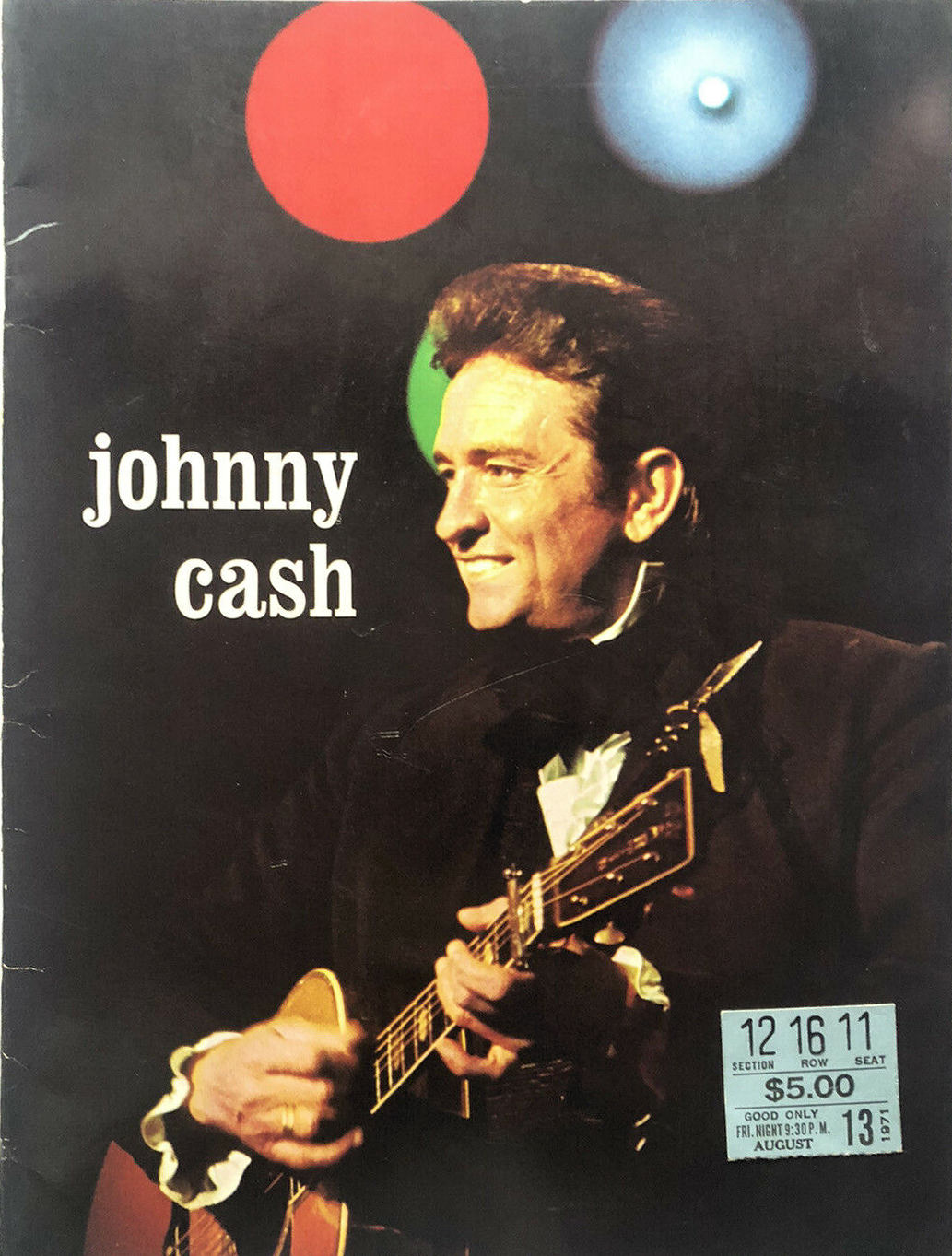
Johnny Cash embodied this spirit of defiance perfectly. His 1968 performance at Folsom Prison remains one of the most visceral moments in music history. Recorded by Bob Johnston, the album captured the raw, unvarnished reality of the incarcerated audience. The sound of clinking glasses and jeering inmates provided a backdrop that no Nashville producer could ever manufacture. Cash used the setting to challenge the sanitized image of the establishment.
The energy in the room pulsed through the speakers. You could hear the tension between the law and the lawless. Cash did not perform for the prisoners; he performed with them. This performance stripped away the artifice of the superstar. It returned the singer to the role of the storyteller who acknowledges the darkness of the even the human condition. It was a moment of pure, unadulterated truth.
The Era of the Stadium Anthem
Garth Brooks arrived in 1989 and changed the scale of country music forever. His massive commercial success brought the genre to stadiums and arenas. He blended country storytelling with the production values of arena rock. This was a monumental shift in the genre's trajectory. The music no longer centered on a small, shared experience in a local hall. It centered on a massive, synchronized spectacle for tens of thousands of people.
Credit: Wikimedia Commons
Many critics argue that Brooks marked the definitive end of the genre's socio-political roots. The songs became larger than life, designed to fill the back rows of a football stadium. The lyrics moved toward universal, pop-oriented themes of love and heartbreak. The grit of the Dust Bowl and the rebellion of the Outlaws were replaced by polished, anthemic choruses. The music became incredibly successful, but it also became much more predictable.
The production on these massive hits utilized every trick in the modern book. Layers of acoustic guitars, heavy compression, and stadium-sized reverb created a wall of sound. It was impressive, but it lacked the space for the listener to find their own way in. The music no longer functioned as a conversation; it functioned as a broadcast. The listener became a spectator to a highly controlled, professionalized event. The sense of community died as mass consumption took over.
The tension of this era shows in the way the genre handles its own history. There is a constant tug-of-war between the desire for mainstream dominance and the urge to return to the dirt. The stadium anthems provide the revenue, but the stories of displacement and struggle provide the soul. Without the memory of the Bristol Sessions or the defiance of the Outlaws, the genre would simply be pop music with a different accent. The history of country music is a history of trying to keep the truth from being polished away.
The true power of the genre remains in its ability to reflect the unvarnished truth of the human experience. Whether it is the scratchy recordings of the Carter Family or the loud, electric twang of Bakersfield, the music thrives when it refuses to look away from the struggle. The most enduring songs are often the ones that were written in the face of hardship. The roots of the music are found in the dust, the prison yards, and the protest lines, not in the polished lights of the arena.