The DNA of Heavy Metal's Most Aggressive Riffs
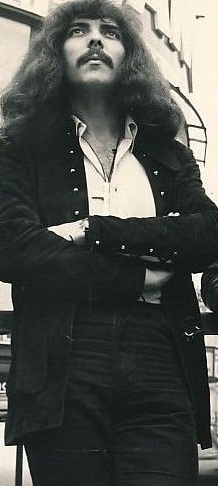
Birmingham's CBS manufacturing plant smelled of grease and burnt ozone in 1959. A young Tony Iommi worked the heavy machinery until a massive accident severed the tips of two fingers on his left hand. This physical trauma changed everything for the future of heavy metal riffs. Iommi cannot grip standard, high-tension guitar strings without intense pain. He turned to a lighter to melt plastic caps onto his fingertips, creating a makeshift protective layer. This necessity forced him to slacken the tension on his strings to a lower pitch.
The 1970 self-titled debut album from Black Sabbath birthed a new era of sonic weight. The sound of Black Sabbath felt heavy because it physically lacked the tension of blues-rock. Iommi's heavy-gauge strings moved with a sluggish, menacing momentum. He leaned into the low end, finding a resonance that felt like a slow-moving landslide. This lack of brightness allowed for a darker, more oppressive atmosphere. You could hear the struggle in the strings.
The vibration felt thick, almost oily, as it crawled through the studio monitors. That first studio session in London produced a sound that felt like a direct threat. The band played with a density that made contemporary psychedelic rock sound thin and airy.
Iommi used the extra slack to create a massive, ringing decay on every chord. This extra space allowed the rhythm section to anchor the gloom. Every note carried a sense of physical mass. The music did not just play; it loomed.
The Devil in the Music Theory
The opening notes of the track "Black Sabbath" from 1970 strike like a sudden chill. Iommi utilized the tritone, an interval known historically as the Diabolus in Musica. This specific interval creates a dissonant, unresolved tension that unsettles the human ear. It avoids the comfort of a perfect fifth or a major third. Instead, it sits in a state of permanent, uneasy friction. This single musical choice provided the foundational dread that defines the entire genre.
Music theorists often debate the church's historical ban on this interval. Whether or not priests truly feared the tritone, the psychological effect remains. The interval sounds broken and unstable. It lacks a single destination, leaving the listener suspended in a state of anxiety. When Iommi struck that chord, he summoned a feeling of impending doom. It sounds like something hiding in the shadows just out of sight.
The 1970 track "Black Sabbath" relies on this dissonance to drive its narrative. The riff does not resolve into a happy melody. It drags the listener through a series of unsettling, chromatic shifts. This lack of resolution mimics the feeling of a nightmare where you cannot wake up. The tritone acts as the anchor for this entire aesthetic. Without that specific, jarring interval, the genre would lack its essential, terrifying core.
"What is this that stands before me? Slowly spreading up the dead!"
The lyrics of the song reinforce the sonic dread established by the tritone. The tension in the music matches the terror in the vocal delivery. Ozzy Osbourne's voice cuts through the heavy, downtuned murk with a desperate, high-pitched urgency. This contrast between the low-frequency sludge and the piercing vocals creates a heavy metal riff that feels claustrophobic. The tritone provides the structural foundation for this entire atmosphere of horror.
Motörhead's Rickenbacker Crunch and Speed
London's clubs in 1977 felt like a war zone. Punk rock had stripped the excess from the air, leaving only raw, jagged energy. Lemmy Kilmister saw this energy and decided to weaponize it with heavy blues-rock foundations.
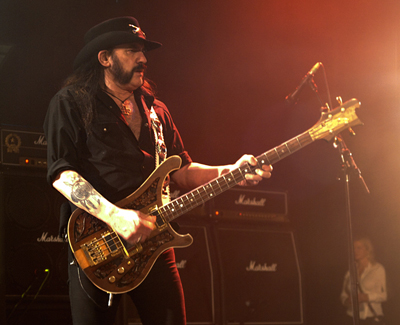
His 1977 self-titled album, Motörhead, produced by Speedy J. Wunderlich, acted as the bridge between two worlds. He took the high-velocity, stripped-back aggression of punk and fused it with a heavy, distorted weight. This was not just loud; it was fast and punishing.
Lemmy Kilmott did not play bass like a traditional rhythm instrument. He played a Rickenbacker 4004 through massive Marshall stacks. This setup produced a distorted, mid-range heavy tone that bit through the mix like a serrated blade. He treated the bass as a lead instrument, often occupying the same frequency space as the guitar. The result was a wall of sound that felt less like a band and more like a freight train. The Rickenbacker's clank added a metallic, percussive edge to every note.
The grit in his tone influenced the development of thrash metal years later. He pushed the volume until the notes themselves began to break apart. This distortion was not smooth or creamy like blues-rock. It was abrasive and much too loud for most venues. You could hear the tubes in the Marshall amps struggling to contain the sheer volume. Every note hit the listener with a physical, percussive force that demanded attention.
Speedy J. Wunderlich captured a production that felt unpolished and dangerous. The drums sounded like they were being played in a concrete bunker.
The bass and guitar merged into a single, roaring entity. This sonic unity drove the band's relentless pace. There was no room for subtlety in the Motörhead sound. It was an all-out assault on the senses that left the listener breathless and bruised.
The Gallop and the New Wave of British Metal
London's underground scene shifted drastically between 1979 and 1980. The New Wave of British Heavy Metal (NWOBHM) movement emerged with a new sense of rhythmic urgency. Bands like Iron Maiden and Saxon moved away the slow, blues-based structures of the early 1970s. They sought a faster, more rhythmic approach to riffing. This era introduced a level of precision and speed that the previous generation lacked. The music became more athletic and structured.
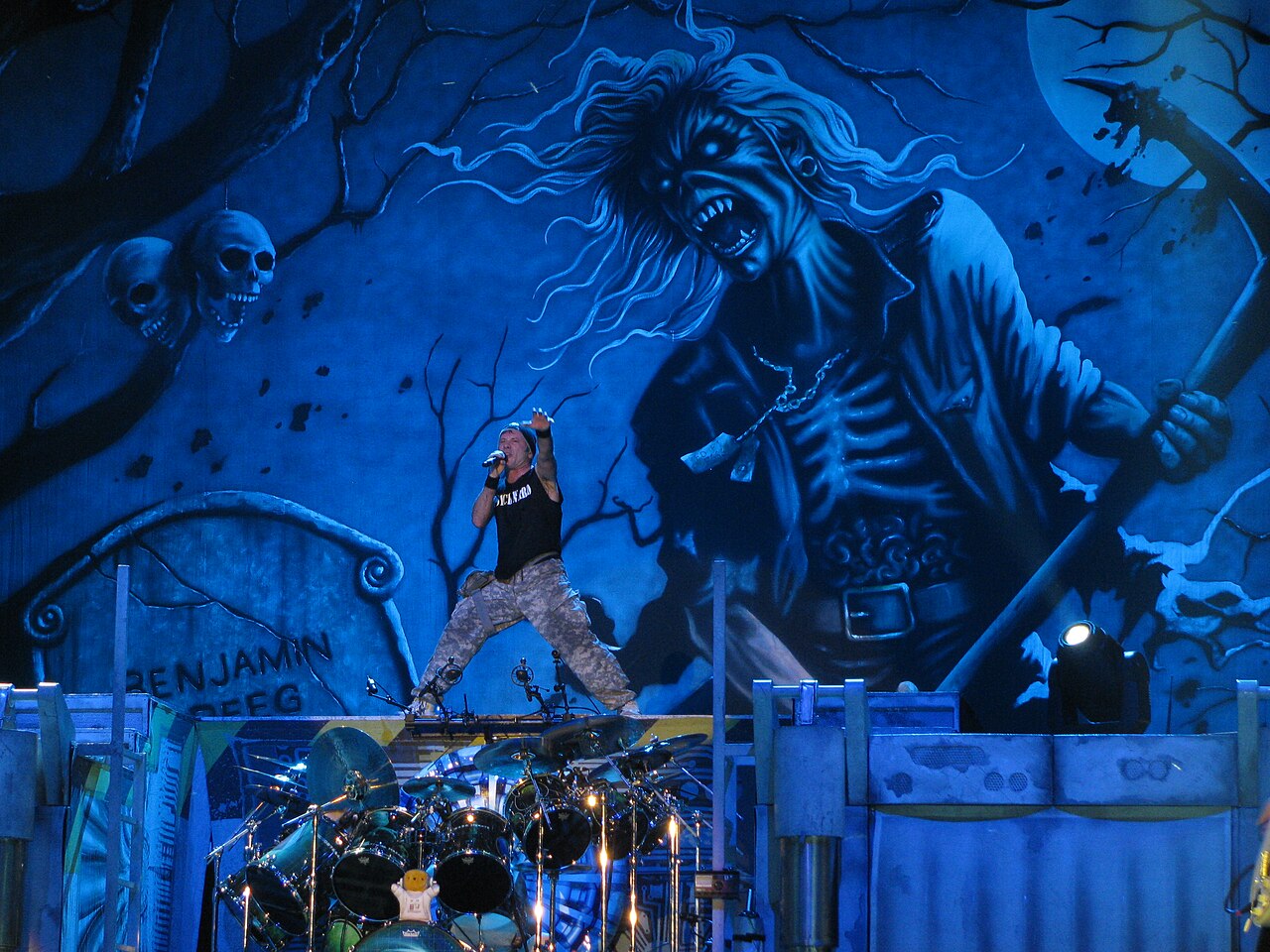
Steve Harris of Iron Maiden revolutionized the rhythmic foundation of the genre. He utilized a "gallop" rhythm, a triplet-based bass pattern that became a hallmark of the era. This pattern creates a sense of forward momentum, like a horse charging across a plain. It provides a driving, percussive energy that supports soaring melodies. This technique allowed the bass to drive the song while the guitars provided the melodic flourishes. It turned the rhythm section into a locomotive engine.
The NWOBHM sound felt more organized than the doom of Black Sabbath. It embraced technical proficiency and complex arrangements. Musicians no longer just played heavy chords; they constructed complex rhythmic webs. This shift allowed for much larger-scale compositions. The songs felt epic and cinematic. Every bass run and guitar harmony served a larger, more structured purpose.
Saxon brought a gritty, working-class energy to this new rhythmic approach. Their riffs felt like iron striking an and anvil. There was a toughness to the NWOBHM sound that rejected the psychedelic fluff of the previous decade. The focus remained on the riff and the rhythm. The music was designed to be played loud in sweaty, crowded clubs. This era solidified the technical standards that would later define the thrash metal explosion.
Mastering the Downpick in the Bay Area
San Francisco's Bay Area became the epicenter of a new, much more violent sonic evolution. By 1986, the musical landscape had shifted toward extreme precision and unrelenting speed. Metallica's 1986 masterpiece, Master of Puppets, released via Elektra Records, set the gold standard for this movement. The album utilized tight, palm-muted downpicking techniques that defined the Bay Area thrash sound. This technique required immense physical stamina and rhythmic discipline. Every note had to land with surgical accuracy.
James Hetfield transformed the guitar into a percussion instrument. He used an ESP MX-250 guitar paired with a Mesa/Boogie Mark IIGX amplifier. This combination provided the precise, percussable crunch heard on tracks like "Battery." The Mesa/Boogie amp provided a tight, compressed low end that didn't flub out during fast passages. The ESP guitar allowed for the clarity needed to execute rapid-fire downstrokes. The sound was sharp, dry, and incredibly punishing.
The downpicking technique removed the "swing" of traditional rock. It replaced it with a mechanical, relentless drive. When Hetfield struck the strings, the sound was instantaneous and incredibly heavy.
There was no ringing decay or sloppy articulation. Each note functioned as a hammer blow. This precision allowed the band to play at much higher tempos without losing the structural integrity of the fucking riffs. It turned the guitar into a rhythmic weapon.
Master of Puppets remains a high-water mark for technical heavy metal. The production by Flemming Rasmussen captured the clarity of these complex parts. You could hear every individual note in the rapid-fire chromatic runs. The album did not rely on atmosphere alone; it relied on sheer, unadulterated skill. The tightness of the performance set a bar that few bands have ever reached. It remains the definitive blueprint for thrash metal riffing.
Extreme Speed and the Slayer Aesthetic
Music Underground Studios in Los Angeles served as the birthplace of pure sonic carnage in 1986. Slayer's Reign in Blood, produced by Rick Rubin, stripped away every remaining melodic flourish. The album focused entirely on extreme-speed chromatic riffs and relentless double-bass drumming. It was an exercise in pure aggression. There were no interludes, no slow passages, and no reprieve. The album functioned as a single, continuous assault on the listener's equilibrium.
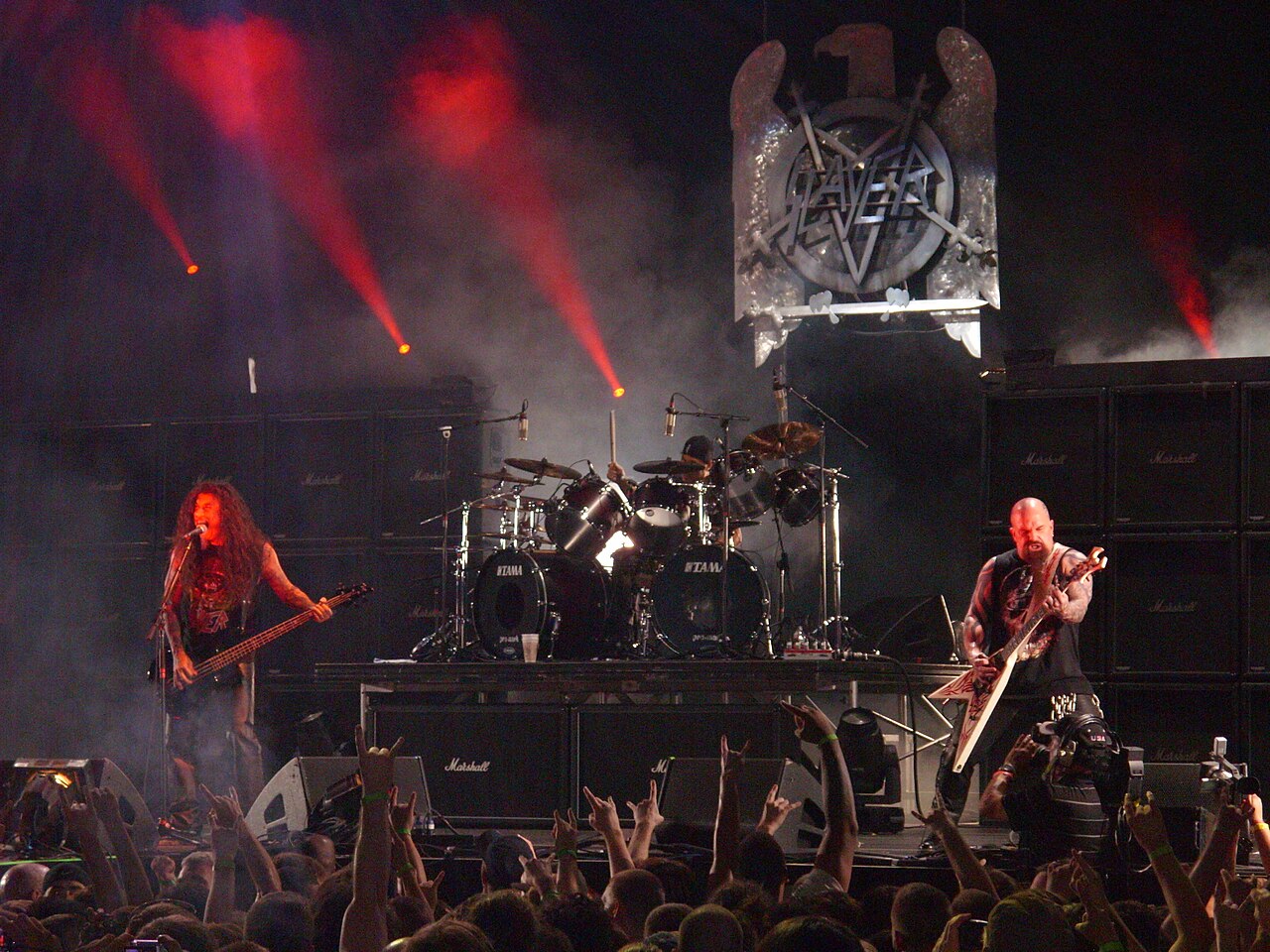
Kerry King and Jeff Hanneman played with a level of ferocity that felt genuinely dangerous. They utilized the wah-wah pedal in a way that departed from psychedelic tradition. Instead of creating fluid, singing solos, they used the pedal as a percussive, abrasive texture. The wah-wah effect added a screeching, metallic squeal to their riffs. It sounded like grinding metal or a high-pitched scream. This use of effects augmented the sheer violence of the music.
The drumming of Dave Lombardo provided the necessary propulsion for this chaos. His double-bass work was incredibly precise, even at blistering tempos. The drums acted as a rhythmic anchor for the swirling, chromatic guitar lines. This prevented the music from devolving into mere noise. The interplay between the punishing drums and the screeching guitars created a sense of controlled madness. It was a highly disciplined form of extremity.
Slayer's approach changed the ceiling for how heavy music could be.
The riffs on "Angel of Death" move with a terrifying, insect-like speed. They rely on chromaticism to create a sense of instability and panic. There is no comfort in the melody, only the relentless forward motion of the rhythm. The production by Rubin kept the sound dry and upfront. This allowed the listener to feel the impact of every single strike. It was a sonic manifestation of pure, unbridled rage.
The evolution of heavy metal riffs follows a trajectory of increasing tension and technical precision. From the accidental sludge of Iommi's Birmingham factory accident to the surgical downpicking of Metallica, the genre has always sought more weight and more speed. Each movement built upon the physical and musical discoveries of the even earlier eras. The genre survives because it continues to find new ways to push the limits of what a guitar can do. The heavy metal riff remains the most powerful tool in the history of loud music.