The Disappearance of Richey Edwards
London hotel rooms feel sterile even on a good day. On February 1, 1995, the room where Richey Edwards checked out held only the residue of a high-pressure era. The Manic Street Street Preachers had spent months grinding through the brutal, claustrophobic sessions for their third album. Everything felt heavy. The Richey Edwards disappearance did not happen with a bang or a sudden burst of light. It happened with a quiet exit from a hotel lobby into the grey London morning.
The guitarist left the Carlton Arms pub in North London earlier that night. He had spent time with his bandmates in the familiar, dim light of the London boozer. No one saw him struggle. No one heard a scream. He simply vanished into the city fog, leaving behind a trail of cryptic lyrics and a band on the verge of a breakdown. The industry moved toward Britpop's sunny optimism, but the Manics remained trapped in a much darker room.
Fans watched the news with a growing sense of dread. The news didn't report a rock star tragedy. They reported a missing person. This distinction matters because the mystery allowed the tragedy to rot in the minds of the fans for decades. We weren't mourning a death; we were mourning an absence that refused to be filled.
February 1, 1995: The Last Check-Out
London weather in February bites through any heavy wool coat. The air around the Carlton Arms pub felt thick with the remnants of a long night. Richey Edwards stood among his friends, a man whose physical presence often seemed to vibrate with a frantic, nervous energy. He had just finished a grueling cycle of promotion for the band's most intense work. The pressure of the 1994 release cycle pushed everyone in the group to their absolute limit.
The hotel check-out happened with a mundane finality. Witnesses saw him leaving the building, a person walking into the wind. He did not look like a man fleeing a crime scene. He looked like a man moving toward a destination that no one else could see. The Metropolitan Police arrived later, beginning an investigation that would outlive the decade.
Nicky Wire often recalls the confusion of those first few hours. The band prepared for upcoming tour dates, a task that required focus and logistical precision. They were not ready for a disappearance. They were not ready for the sudden vacuum left in the rhythm guitar slot. The silence in the rehearsal spaces felt louder than the feedback from a Marshall stack.
The police investigation followed the standard protocols for a missing person. They searched the streets of London and checked the transit routes. They looked for clues in the wreckage of a person whose life seemed to be fraying at the edges.
Nothing surfaced. No car sat abandoned on a motorway. No note lay in a gutter in South London. The trail simply evaporated.
The band members remained caught in a loop of checking phones and waiting for calls. Every ringing telephone felt like a potential announcement. Every news report felt like a fresh wound. The Richey Edwards disappearance turned a musical career into a cold case. It transformed the Manic Street Preachers from a rising rock band into a group of survivors.
The Visceral Weight of The Holy Bible
September 18, 1994, marked a shift in the heavy rotation of the UK music press. Columbia Records released The Holy Bible, an album that sounded like a panic attack captured on magnetic tape. It lacked the anthemic, stadium-undermined swagger of their earlier work. Instead, it offered a jagged, serrated edge of sound. The guitars didn't sing; they clawed at the listener's ears.
Producer Steve Browuder helped craft a sonic environment that felt suffocating. The drums hit with a dry, clinical precision. The bass lines from Nicky Wire provided a thick, anchoring gloom. James Dean Bradfield played riffs that felt like shards of glass. There was no room for melody to breathe in the middle of tracks like "Die in the Fire." The songs felt like they were being played in a room with no windows.
Richey Edwards provided the lyrical backbone for this descent. His words were not metaphors; they were autopsy reports. He wrote about mortality, political decay, and the physical sensation of pain. The lyrics to "Faster" hit with the force of a blunt instrument. He used language to dissect the very concept of existence.
"I am an albino, a ghost, a shadow, a memory, a lie."
The lyrics of the era reflected a man wrestling with his own visibility. The music was difficult, even for the most dedicated fans of the genre. It stood in stark contrast to the Blur versus Oasis battles happening elsewhere in the UK. While the rest of the country embraced the swagger of Britpop, the Manics were digging a trench in the dirt.
The album's themes were too heavy for the mainstream to carry for long. "Faster" and "Die in the Fire" contained a visceral intensity that made radio play feel almost sacrilegious. The band had pushed the limits of what a major label could market. They had created a masterpiece of misery, and then the architect of that misery vanished.
Listening to the record now feels like reading a diary found in a burnt house. The tracks are complete, but the context is gone. You can hear the tension in the rhythm guitar parts. You can hear the desperation in the vocal delivery. The album remains a monument to a specific, 1994 moment in time.
A Met Police Mystery Remains Open
The Metropolitan Police investigation never truly ended. Even as the years piled up, the case file remained active. Detectives searched for evidence of a struggle or a planned departure. They looked at the movements of the band members and the logistics of the London hotel scene. Every lead eventually hit a wall of silence.
No forensic evidence ever pointed to a specific crime. There were no bloodstains in the hotel room. There was no indication that anyone had followed him into the night. This lack of evidence created a vacuum that fans filled with their own theories. Some believed he had simply walked away to start a new life. Others believed the weight of the 1994 tour had become physically unbearable.
The search for Richey Edwards became a permanent fixture of the band's identity. It wasn't just a news story; it became a ghost that haunted every press conference. Journalists would ask about the disappearance instead of the new single. The police could not provide closure because there was no body to find. The absence was the only fact they had.
Public interest in the case refused to wane. Whenever a new detail emerged about the London Carlton Arms or the hotel check-out, the tabloids scrambled. The mystery of the Richey Edwards disappearance tapped into a primal human fear: the fear of the unknown. We hate not knowing where someone has gone. We hate the idea that a person can simply cease to be.
The investigation's failure to reach a conclusion left the band in a state of perpetual mourning. You cannot move past a tragedy that hasn't been resolved. You cannot bury a person who might still be out there. The Manics were forced to carry the weight of an unsolved crime alongside the weight of their own fame.
Grief and Everything Must Go
1998 arrived with a different kind of Manic Street Preachers. The band emerged from the wreckage with Everything Must Go. This album did not sound like the jagged edges of The Holy Bible. It sounded like a long, slow exhale after a period of hyperventilation. The production was wider, more melodic, and much more accessible.
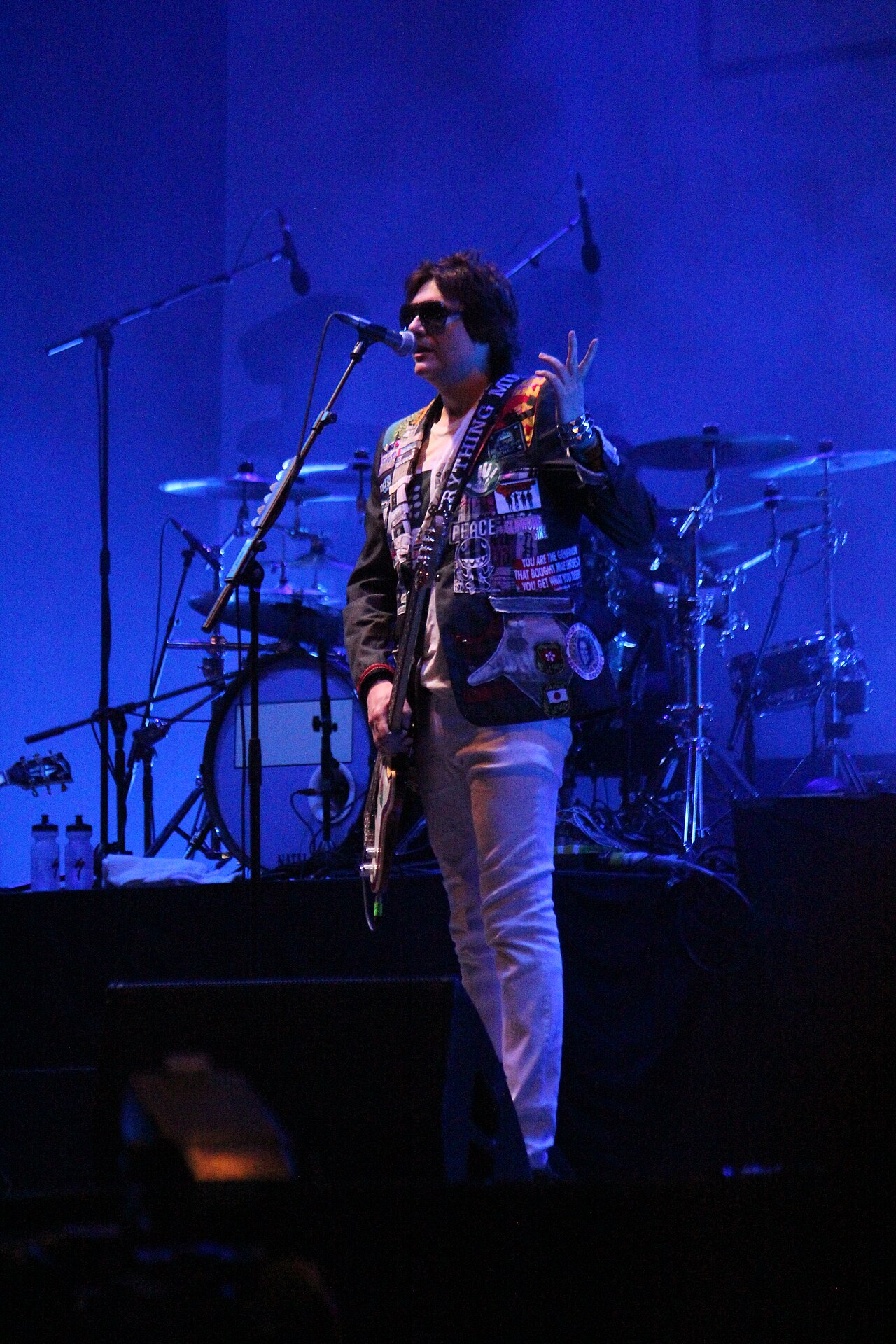
James Dean Bradfield shifted his focus toward soaring, anthemic melodies. The guitars moved from serrated blades to sweeping, cinematic textures. Tracks like "A Design for Life" brought the band back to the top of the charts. However, the victory felt hollow to those who knew the cost. The success was built on the fucking foundation of a loss that had not been processed.
Nicky Wire's songwriting took on a more reflective, elegiac tone. He wrote about the loss of friends and the passage of time. The album title itself felt like a resignation. It was an acceptance of the necessity of moving forward, even when you don't want to. The songs dealt heavily with the grief of the loss, turning pain into something beautiful and consumable.
The music industry saw a massive commercial resurgence for the group. They were no longer the dark outsiders of the mid-90s. They were Britpop's unexpected survivors. But the shadow of the previous era loomed large. Every interview about the new hits eventually drifted back to the missing guitarist. The band was attempting to rebuild a house while the ground was still shaking.
The transition was not easy for the fans. Those who loved the intensity of the earlier work felt a sense of betrayal. They saw the new, polished sound as a surrender to the mainstream. Yet, the emotional honesty of the record was undeniable. It was a record about survival in the face of total devastation.
The band's direction changed because they had no other choice. You cannot continue to play the same notes when the person who wrote the lyrics is gone. The music had to evolve to accommodate the hole in the lineup. Everything Must Go was a way to keep the memory alive without letting the darkness consume the entire band.
The Shadow of the Carlton Arms
The Carlton Arms pub remains a site of pilgrimage for many. It is a place where the past feels tangibly close. People sit in the same booths where the band once gathered. They drink the same ales and talk about the legends of the 90s. The pub acts as a physical anchor for a history that feels increasingly distant.
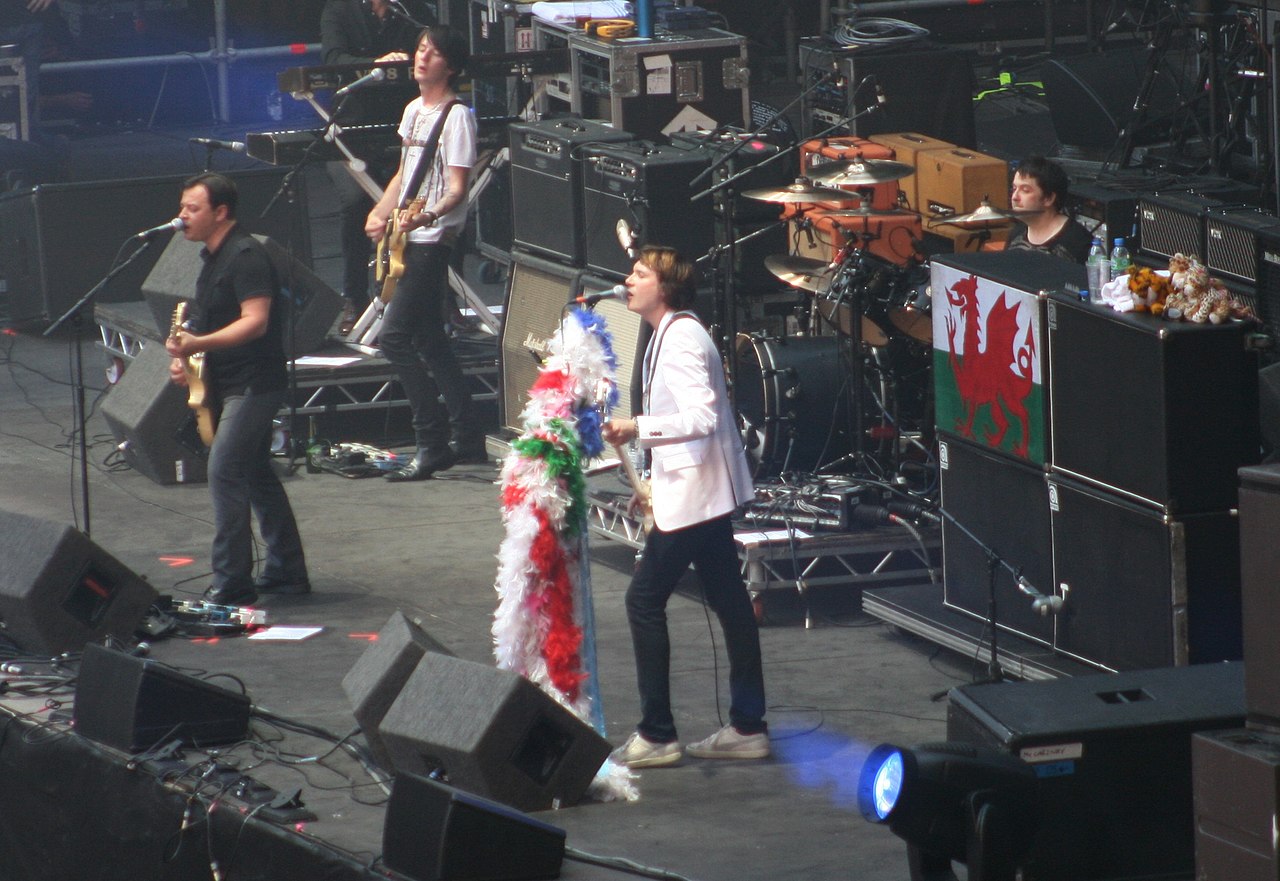
Richey Edwards sat in that pub on the night of his disappearance. He was part of a community of musicians and artists who frequented the area. The pub was a sanctuary for the Manics during their ascent. Seeing the way the lights hit the wooden bar makes you realize how much has changed. The era of the Britpop explosion has passed, leaving only these small, quiet landmarks.
The disappearance changed the way people viewed the London pub scene. It turned a place of social connection into a place of investigation. Every corner of the Carlton Arms could have held a clue. Every conversation could have been a piece of the puzzle. This sense of lurking mystery changed the very atmosphere of the venue.
Musicians still talk about those nights in North London. They remember the energy of a band that felt like they might conquer the world. They remember the intense, high-pressure atmosphere of the 1994 era. The Carlton Arms witnessed the peak of the band's creative tension. It also witnessed the moment that tension snapped.
The legacy of the Richey Edwards disappearance is not just a police file. It is a cultural scar on the history of British rock. It changed the Manic Street Preachers forever. It changed the way we think about the cost of fame. Some things are lost to the fog, but the impact of their absence remains visible in every note the band plays.
The truth of what happened that February night remains locked away. Perhaps it lies in a fucking forgotten corner of a London suburb. Perhaps it vanished with the morning tide. All we have are the records, the lyrics, and the heavy, lingering silence of an empty stage.