The Deadly Legend of Gloomy Sunday
Budapest cafes smelled of bitter coffee and cheap tobacco in 1933. Rezső Seress sat in those dim corners, nursing melodies that felt heavier than the local brandy. He finished a piece of music that would soon haunt the collective psyche of two continents. This was the birth of the Gloomy Sunday suicide song, a melody that felt less like a composition and more like a slow-motion car crash.
The original Hungarian lyrics did not contain a single instruction for ending one's fundamental existence. Seress wrote about the crushing weight of grief and the hollow ache of a lover's departure. He focused on the physical sensation of loss, describing a world drained of its color. The tragedy lived in the minor chords and the way the melody dragged behind the beat, pulling the listener down with it.
Hungarian authorities saw something dangerous in these notes. They banned the song from Budapest theaters during that same year, 1933. The city was already reeling from economic instability and political tension. Officials feared the music acted as a catalyst for the growing number of people walking into the Danube.
Budapest, 1933: The Birth of a Tragedy
Rezső Seress lived through a period of intense social unrest in Hungary. The Great Depression had stripped the dignity from the streets of Budapest. People lost their jobs, their savings, and their sense of a stable future. Music in this era often reflected the grim reality of the coffeehouse culture, where despair sat at every table.
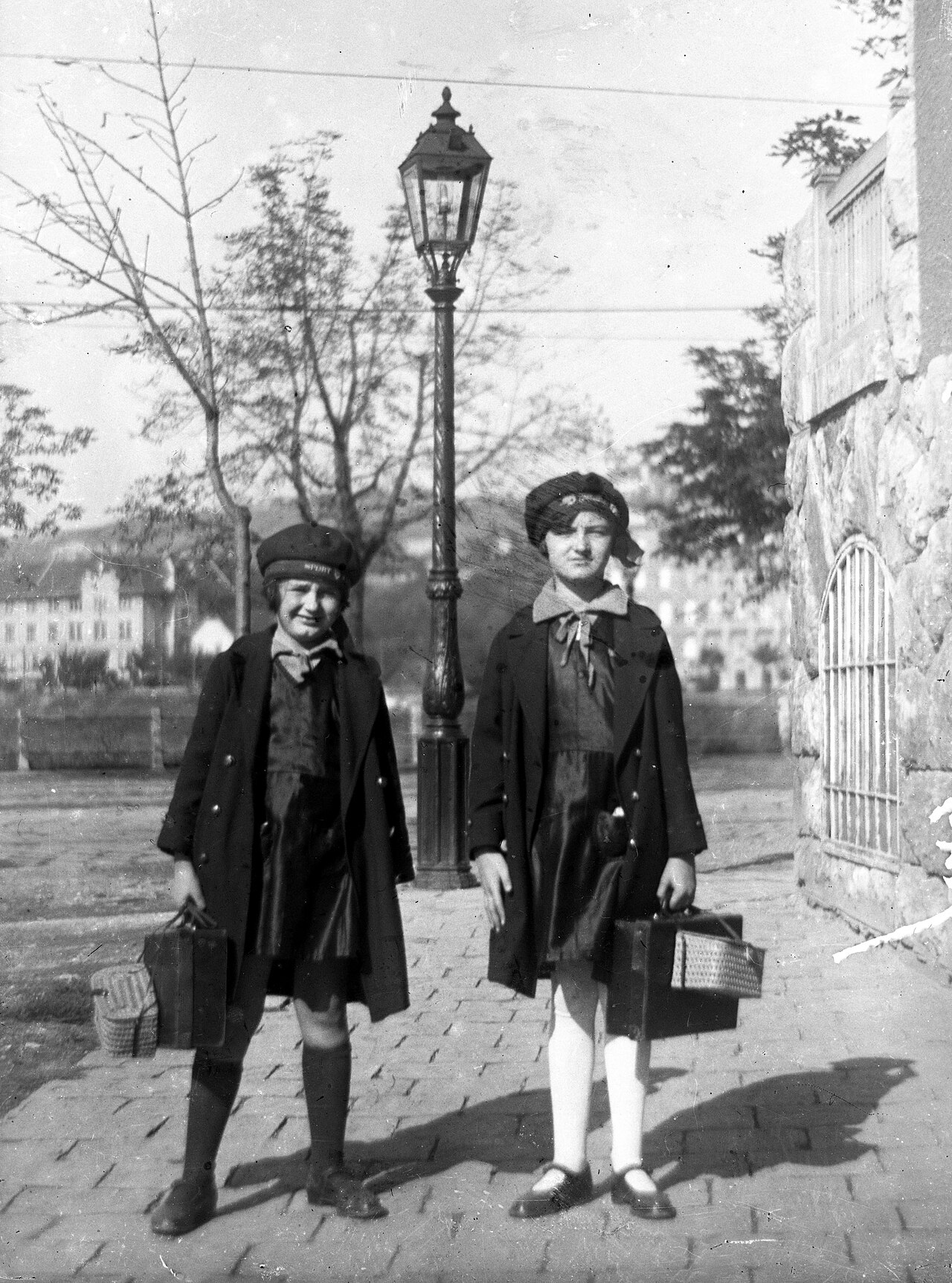
The song arrived as a product of this specific misery. Seress used a descending harmonic structure that mimicked the feeling of sinking. It was not a sudden drop, but a gradual, inevitable descent into the depths. When the song circulated through the clubs of Budapest, it tapped into a pre-existing vein of melancholy.
Authorities acted quickly to suppress the melody. They believed the song provided a soundtrack to a wave of suicides hitting the city. They pulled the song from the repertoires of local orchestras and theater troupes. This censorship only served to inflate the song's mythic status among the terrified and the grieving.
Historians look at the 1930s through a lens of economic catastrophe. The Hungarian government saw the song as a public health threat. They could not separate the music from the tangible suffering occurring in the streets. They treated the melody like a contagion that needed to be quarantined.
Seress himself likely never intended to create a death warrant. He was a songwriter capturing the atmosphere of a dying era. The music captured a specific, suffocating sadness. It turned a private feeling of heartbreak into a public, audible event.
The Myth of the Suicide Song
Statistics from the mid-1930s tell a different story than the legends. Modern researchers have scrubbed the death registries of Budapest and found no sudden spike in suicides linked to the song. There is no mathematical proof that Seress's melody caused anyone to reach for a rope or a blade. The "suicide song" label is a masterpiece of urban legend and media sensationalism.
The myth grew because tragedy sells better than reality. A song that kills is much more interesting than a song that just makes you sad. People wanted to believe in the power of the melody to override the will to live. It gave a sense of agency to the chaos of the era.
The legend crossed the Atlantic with incredible speed. By the time the song reached America, the narrative had already hardened. The idea of a lethal melody became a staple of pulp fiction and tabloid news. It transformed a piece of Hungarian folk-adjacent pop into a supernatural object.
The press fueled this fire. Newspapers loved the idea of a musical contagion. They wrote about the song as if it were a biological agent. This sensationalism stripped the song of its actual musical context and replaced it with a horror story.
The truth remains buried in the sheet music. The song is a study in minor-key tension and unresolved tension. It is a beautiful, devastating piece of songwriting. It does not possess the power to kill, but it possesses the power to haunt.
"The world is empty, the sun has gone down, and I am left alone in the shadows of our lost love."
The lyrics, even in translation, focus on the purely emotional void left by a moving person. The singer is not calling for an end to life, but mourning the end of a specific era of happiness. The tragedy is emotional, not physical. The song lives in the space between a heartbeat and a sigh.
Billie Holiday and the 1941 Decca Session
New York City felt the weight of this song in 1941. Billie Holiday walked into a Decca Records studio with a heavy burden of expectation. She was already a legend, a woman whose voice could break a heart with a single, raspy inflection. She brought a new, dark texture to the melody that few could match.

Producer John Hammond and arranger Sy Oliver crafted a sound that felt like a funeral procession. The brass arrangement was thick and somber. It did not swing; it slumped. The horns sounded like they were struggling to lift themselves off the floor. It was a masterful use of orchestration to reinforce the song's gloom.
Holiday's vocal performance remains the definitive interpretation of the era. She does not sing the notes; she mourns them. Her phrasing drags behind the beat, creating a sense of exhaustion. Every time she hits a note, it sounds like a decision she is reluctant to make. The recording captures the precise moment where sadness turns into something more permanent.
The studio musicians played with a restrained, almost lethargic precision. The percussion stayed low, a muted pulse that felt like a fading heartbeat. This was not the upbeat jazz of the era. This was a deliberate departure into the shadows of the American songbook.
Critics at the time noted the "deadly" atmosphere of the track. They leaned into the existing myth, using Holiday's immense talent to validate the legend. If the Queen of Jazz sang it with such conviction, surely the danger was real. They used her artistry to bolster the song's reputation as a lethal force.
The Ink Spots and American Chart Dominance
The year 1945 changed the trajectory of the song in America. The Ink Spots released their version, and it tore through the Billboard charts. This was not a dark, brooding jazz track. It was a polished, vocal-group arrangement that reached number 1 on the charts. The song became a massive commercial success despite the surrounding controversy.
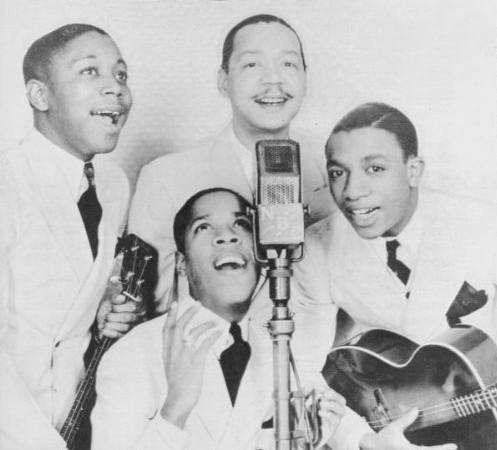
The Ink Spots brought a different kind of tension to the track. Their signature style, featuring a high tenor and a deep, talking bass, provided a strange contrast to the lyrics. The polished production smoothed over the jagged edges of the Hungarian original. It made the song palatable for a mainstream American audience during the end of World 2.
Success often breeds more myth. As the song climbed the charts, the stories of its lethality followed it into every radio station. The more people heard it, the more they whispered about its dangers. The commercial popularity of the Ink Spots version actually helped sustain the "suicide song" legend in the United States.
The charts do not care about the morality of a song. They only care about how many needles drop on the record. The Ink Spots proved that a melody associated with death could be a massive hit. They took a piece of global tragedy and turned it into a domestic pop phenomenon.
This era of American music was defined by a search for comfort amidst global conflict. The Ink Spots provided a melodic familiarity that worked. Yet, underneath the smooth harmonies, the shadow of the original Hungarian despair remained. The song's success was a paradox of popularity and dread.
The BBC Ban and the Long Silence
London took a much harder line than New York. The BBC viewed the song as a direct threat to public order. They implemented an official ban on the broadcast of "Gloomy Sunday" in the United Kingdom. This was not a suggestion; it was a mandate that lasted for decades.
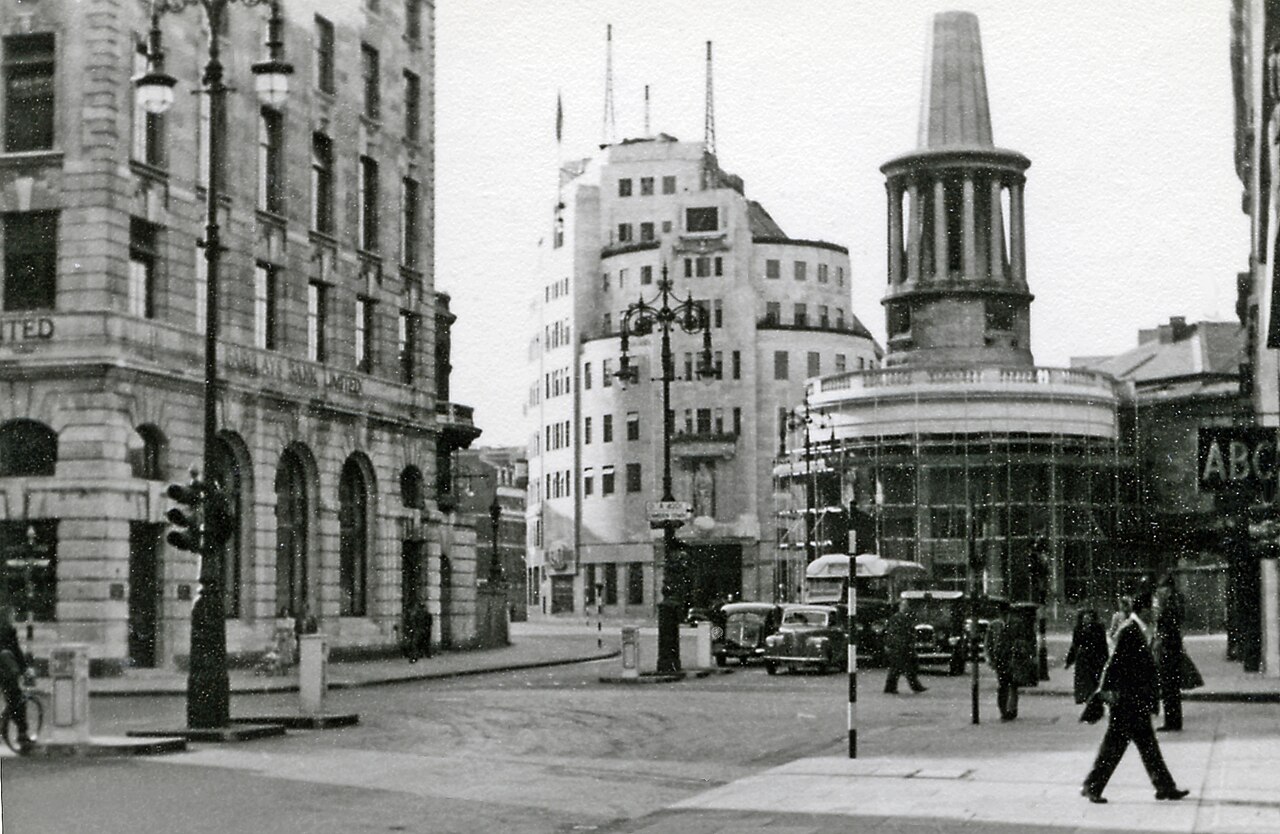
Radio programmers avoided the track like a plague. They feared that playing the song would trigger a wave of depression among listeners. This censorship created a strange vacuum in British pop culture. The song became a forbidden fruit, something whispered about in the dark corners of London clubs.
The ban remained in place through the height of the rock and roll era. While the Beatles and the Stones were reshaping the musical landscape, "Gloomy Sunday" remained a ghost on the airwaves. It was a relic of a forbidden past, preserved by the very act of being silenced.
The lifting of the ban in the early 2000s felt like a strange moment of historical correction. The world had changed too much for the song to be dangerous. The fears of the 1930s and 40s seemed like ancient, hysterical relics. The song could finally breathe in the light of a new millennium.
This period of silence allowed the song to accumulate a layer of mystique. It became a piece of musical folklore, a legend that existed only because it was unseen. When it finally returned to the airwaves, it carried the weight of its own absence.
Type O Negative and the Song's Dark Legacy
Peter Steele understood the song better than almost any modern artist. The frontman for Type O Negative took the melody into the realm of gothic metal. On their 1996 album Slow, Deep and Hard, the band delivered a version that felt like a heavy, velvet shroud. They did not try to debunk the legend; they embraced it.

The production on the Type O Negative cover is thick and suffocating. The bass is a low, vibrating presence that hits like a physical weight. The guitars are downtuned and sludge-heavy, mirroring the descending melody of the original. Steele's deep, baritone vocals provided a modern, crushing take on the song's inherent grief.
This version bridged the gap between 1930s cabaret and 1990s doom metal. It proved that the emotional core of the song was indestructible. The heavy, distorted textures of the metal genre amplified the song's natural gloom. It transformed the heartbreak into something much more visceral and aggressive.
Type O Negative's interpretation serves as a reminder of the song's enduring power. They stripped away the pop polish of the Ink Spots and the jazz elegance of Holiday. They left only the raw, distorted ache. It was a homecoming for a melody that had always belonged to the dark.
The legacy of the "suicide song" is not found in death tolls or hospital records. It lives in the way artists continue to return to its minor chords. It lives in the way a simple, descending melody can still evoke a sense of profound, unfixable loss. The song does not kill, but it certainly refuses to let us forget how to mourn.