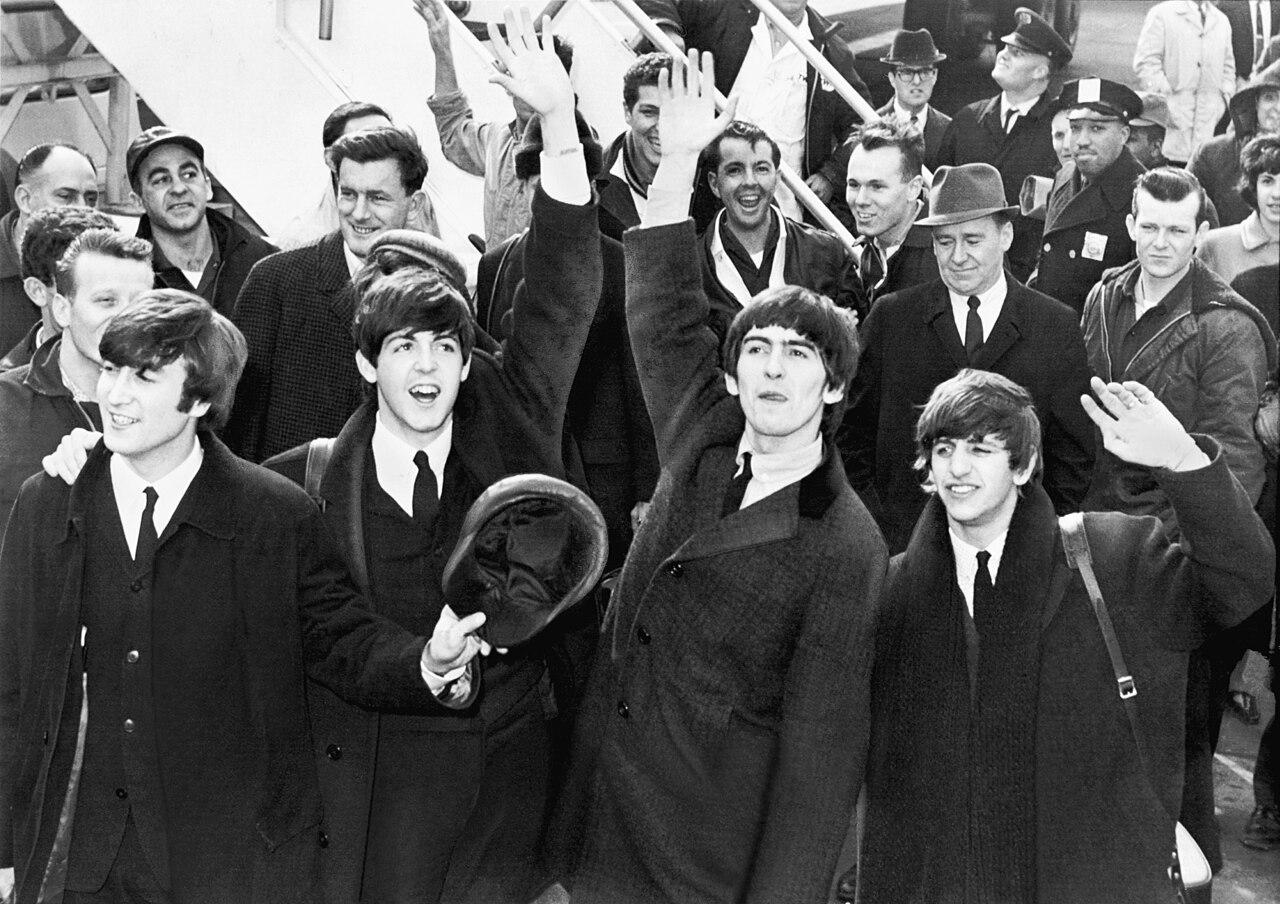
The Day the Merseybeat Died: The Beatles' 1970 Split
London lawyers huddled around a telephone on April 10, 1970. Denis O'Brien, the attorney for Paul McCartney, released a statement that shattered the pop music world. The document claimed McCartney was no longer working with the Beatles.
This news hit like a blunt instrument to the jaw. It ended the most successful era in rock history with a single, clinical press release. The Beatles breakup 1970 did not arrive as a sudden explosion. It functioned as a slow, agonizing leak that finally drained the life from the greatest band ever assembled.
Fans clutching their transistor radios felt a strange, hollow silence. The news traveled through newsrooms and households across the globe. No one expected a legalistic announcement to kill a phenomenon. The band had just finished the polished, shimmering sessions for Abbey Road at EMI Studios. George Martin helped them craft a final, beautiful farewell. Yet, the polished grooves of "The End" could not mask the legal rot underneath.
John Lennon had already mentally checked out of the group. He saw the writing on the wall long before the lawyers did. He watched the creative friction turn into personal resentment. The camaraderie that fueled the early Cavern Club days had evaporated. By the time the press release hit the wires, the Beatles were already ghosts haunting their own business affairs.
April 10, 1970, and the Press Release
Paul McCartney sat in the wreckage of his own career. He needed a way to move forward without the heavy baggage of his partners. The announcement through O'Brien provided a legal exit strategy. It sounded official and final. The world stopped spinning for a moment as the implications settled in. We all knew the music would change forever.
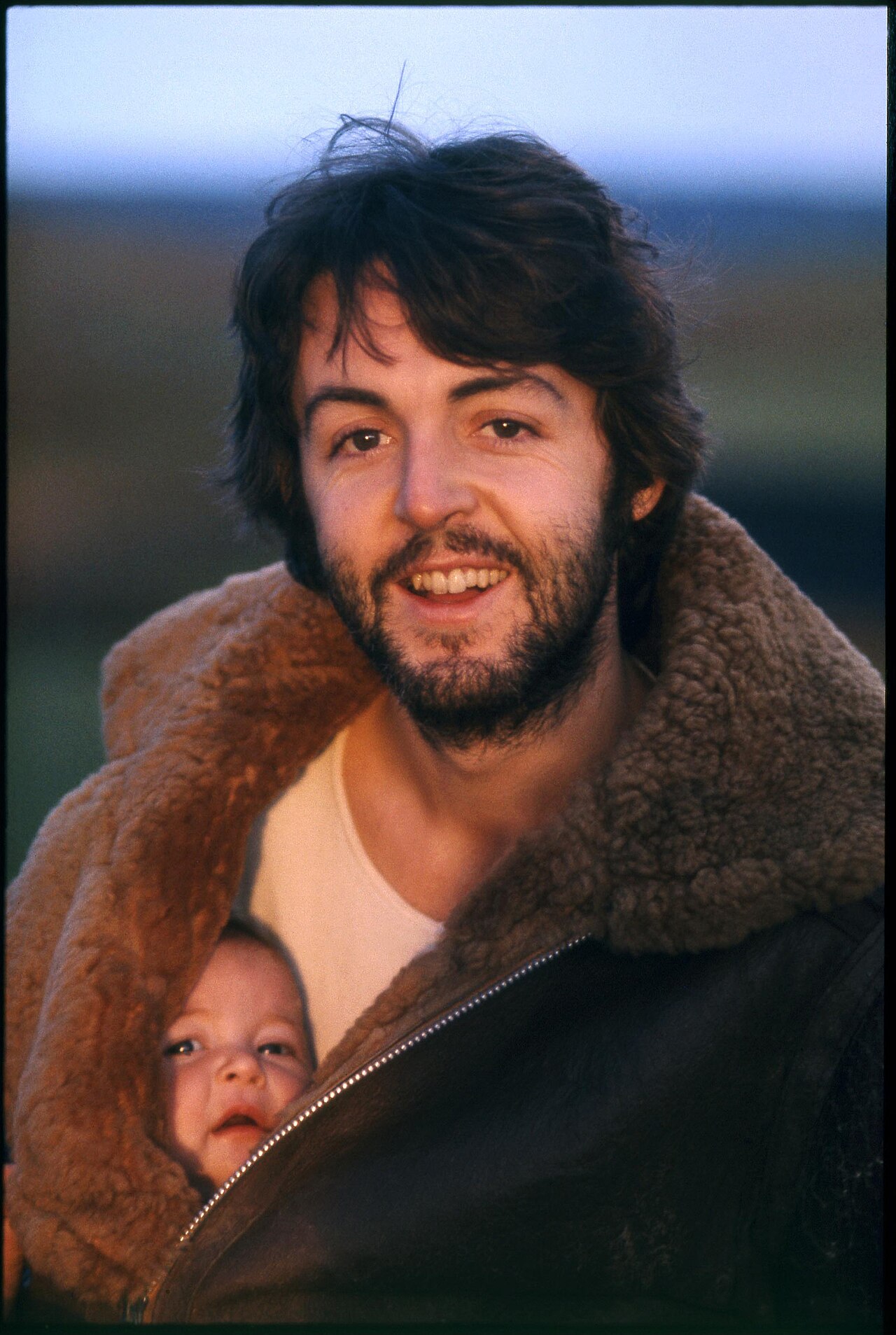
The press release lacked any hint of the warmth found in "Hey Jude." It felt cold, detached, and purely transactional. This was the death of an era, not a creative evolution. The media scrambled to find the truth behind the legal jargon. Some thought it was a strategic move to protect his solo interests. Others saw it as the final surrender to the chaos of the band's internal politics.
John Lennon later reflected on the carnage of that period. He did not view the split as a single, dramatic moment. In a 1980 interview, Lennon described the breakup as a slow, painful dissolution. He pointed to the legal battles with manager Allen Klein as the true poison. The lawyers fought over contracts while the musicians lost their connection to each other.
"It was not a single event. It was a slow, painful dissolution involving legal battles with manager Allen Klein."
The tension between the members became a physical presence in the studio. You could hear the distance in the way they played together. The harmonies that once felt like a SSingle, unified voice now felt like four individuals playing in separate rooms. The magic of the early years had been replaced by the heavy weight of litigation. The Beatles breakup 1970 was a tragedy written in fine print.
The Dissolution of Apple Corps
3 Savile Row stood as a monument to organized chaos. The Apple Corps headquarters in London functioned more like a fever dream than a business. Money flowed in and disappeared into a black hole of mismanagement. Executives chased vanity projects while the core business crumbled. It was a beautiful, expensive mess that no one could control.
The Beatles' business end-of-era became a public spectacle. Financial disputes bled into the press every single week. Every decision felt like a gamble with someone else's money. The company lacked a clear direction or a steady hand at the helm. It was a house of cards built on the momentum of past successes.
Allen Klein arrived with a heavy-undered approach to fixing the mess. His presence brought a different kind of tension to the group. He brought a sense of order that felt more like an occupation. The friction between the band members and their new management became a central theme of their final months. No one could agree on the direction of the company or the future of the brand.
The chaos at Apple Corps reflected the state of the band members' psyches. They were no longer a unified front against the world. They were four separate entities fighting for their own legacies. The headquarters at Savile Row eventually became a symbol of everything that went wrong. It was the site where the dream of a collective utopia finally died.
From Abbey Road to Solo Chaos
Summer 1969 brought the final moments of togetherness to EMI Studios. The band gathered to record Abbey Road under the watchful eye of George Martin. The production felt lush and complete. Every note on the title track seemed to carry the weight of their shared history. They were still capable of immense beauty, even as the foundation cracked.
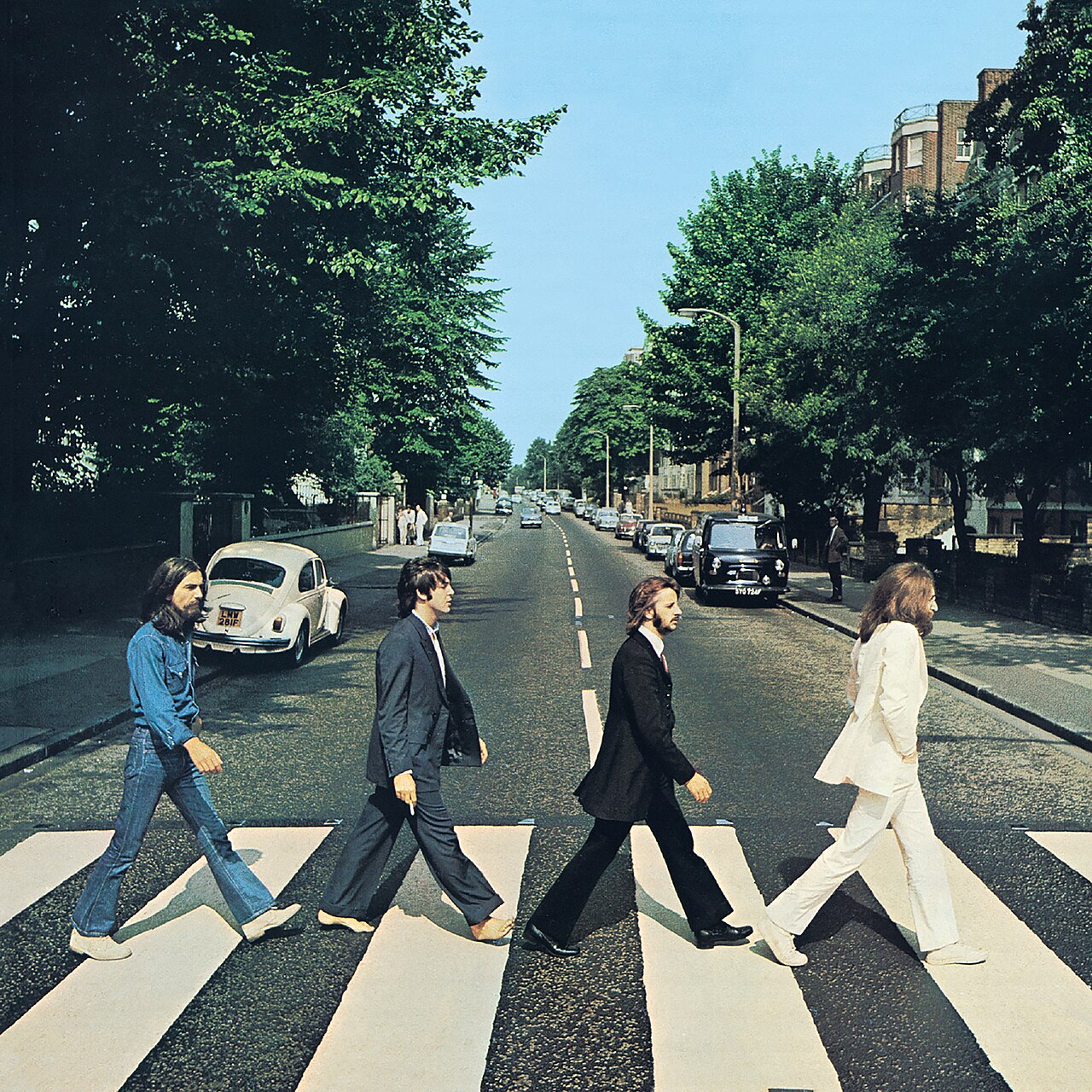
The sessions for Abbey Road produced some of their most sophisticated work. The use of the Moog synthesizer and orchestral arrangements showed a band still reaching for new heights. They were refining the pop structure into something much more complex. It was a masterpiece of studio craft that would set the standard for decades.
The solo careers that followed were anything but uniform. John Lennon sought a brutal honesty in his new work. His December 1970 release, John Lennon/Plastic Ono Band, stripped away all the studio artifice. He worked with Phil Spector to create a sound that felt naked and raw. The drums of Alan White hit with a primitive, unvarnished force.
George Harrison proved he was more than just the "quiet" Beatle. His 1971 masterpiece, All Things Must Pass, flooded the airwaves with grandeur. He utilized a massive wall-of-sound production style that dwarfed his previous efforts. Eric Clapton provided the guitar work that grounded the epic arrangements. It was a statement of individual strength that demanded the world's attention.
Ringo Starr maintained a steady connection to the charts. His 1970 single "Sentimental Journey" climbed to number 22 on the UK Singles Chart. It proved the individual members could still command the public's ear. Even without the band, the name still carried a massive, unmistakable weight. The pieces moved apart, but the momentum remained.
The Death of the Liverpool Sound
The Cavern Club once echoed with the frantic energy of Merseybeat. This was the birthplace of their shared identity. In the early 1960s, the venue pulsed with the rhythm of skiffle and early rock and roll. It was a sweaty, loud, and vital part of the Liverpool culture. The band honed their setlists in that dark, subterranean space.
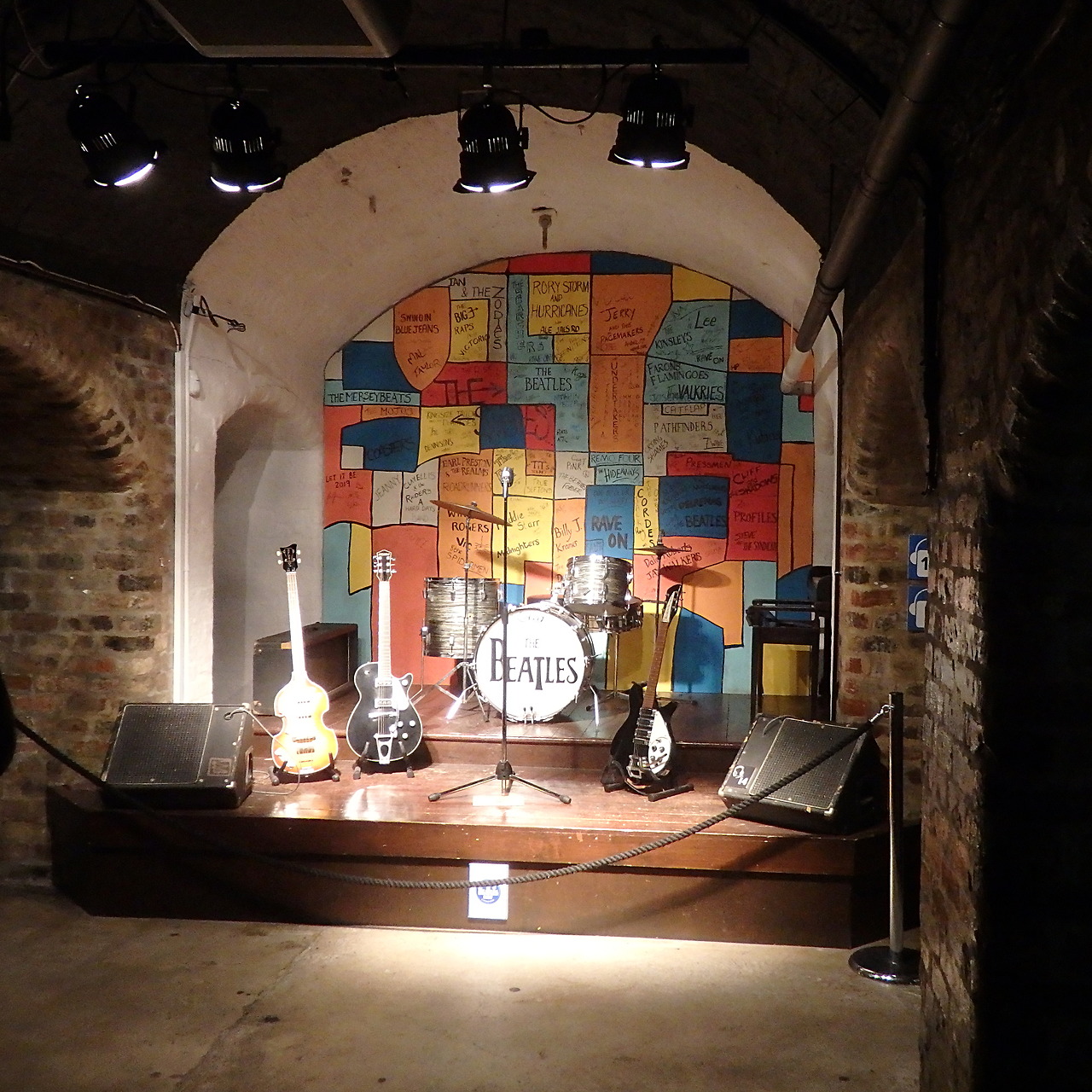
By the late 1960s, the Cavern Club was changing. The Merseybeat era was fading into the shadows. The psychedelic movement pushed the focus toward more experimental and outward-looking sounds. The local scene lost some of its tight, melodic focus. The innocence of the early Liverpool sound had been replaced by something much more complex and difficult to grasp.
The shift in Liverpool mirrored the global change in musical tastes. The simple, infectious grooves of the early sixties felt outdated. Musicians began looking toward the heavy blues and the sprawling structures of progressive rock. The local identity was being subsum and replaced by a globalized, heavier sound. The roots of the band were being severed by the very progress they had helped initiate.
The transition was not easy for the city's musical scene. The clubs that once hosted the Beatles now hosted heavier, more aggressive acts. The melodic charm of the Merseybeat era felt like a distant memory. The energy was more aggressive, less about the danceable beat and more about the heavy riff. The era of the pop group had passed.
The Heavy Rock Shift
The 1970 dissolution coincided with a massive shift in the musical zeitgeist. Heavy blues-rock began to dominate the airwaves. Bands like Led Zeppelin and Black Sabbath were redefining what a rock band could be. They brought a weight and a darkness that the early Beatles would have found unrecognizable. The center of innovation moved away from melodic pop structures.
The music became louder and more physically demanding. The guitars grew heavier, often played through high-on-gain Marshall stacks that shook the listener's bones. The focus shifted from the three-minute single to the extended, improvisational epic. This was a period of musical expansion that favored the heavy and the complex. The pop sensibilities of the 1960s moved to the margins.
Progressive rock emerged as a dominant force during this era. Bands like Pink Floyd and Yes built sonic architectures that required intense concentration. The music was no longer just for dancing; it was for deep, cerebral listening. The light, bright melodies of the early Liverpool scene could not compete with these massive, shifting structures. The world was getting heavier.
The shift left the Beatles' legacy in a strange position. They were the architects of the pop revolution, yet their successors tore down the walls of pop. The era of the group as a single, melodic entity was ending. The era of the virtuoso and the heavy riff had arrived. The musical world moved toward a much more aggressive and complex frontier.
The Long Shadow of Pete Best
Pete Best remains a permanent fixture in the Beatles' mythology. He was the drummer the band replaced in August 1962. His departure is one of the most debated moments in rock history. He represents the band's original, pre-fame Liverpool roots. He is the symbol of the era before the world knew their names.
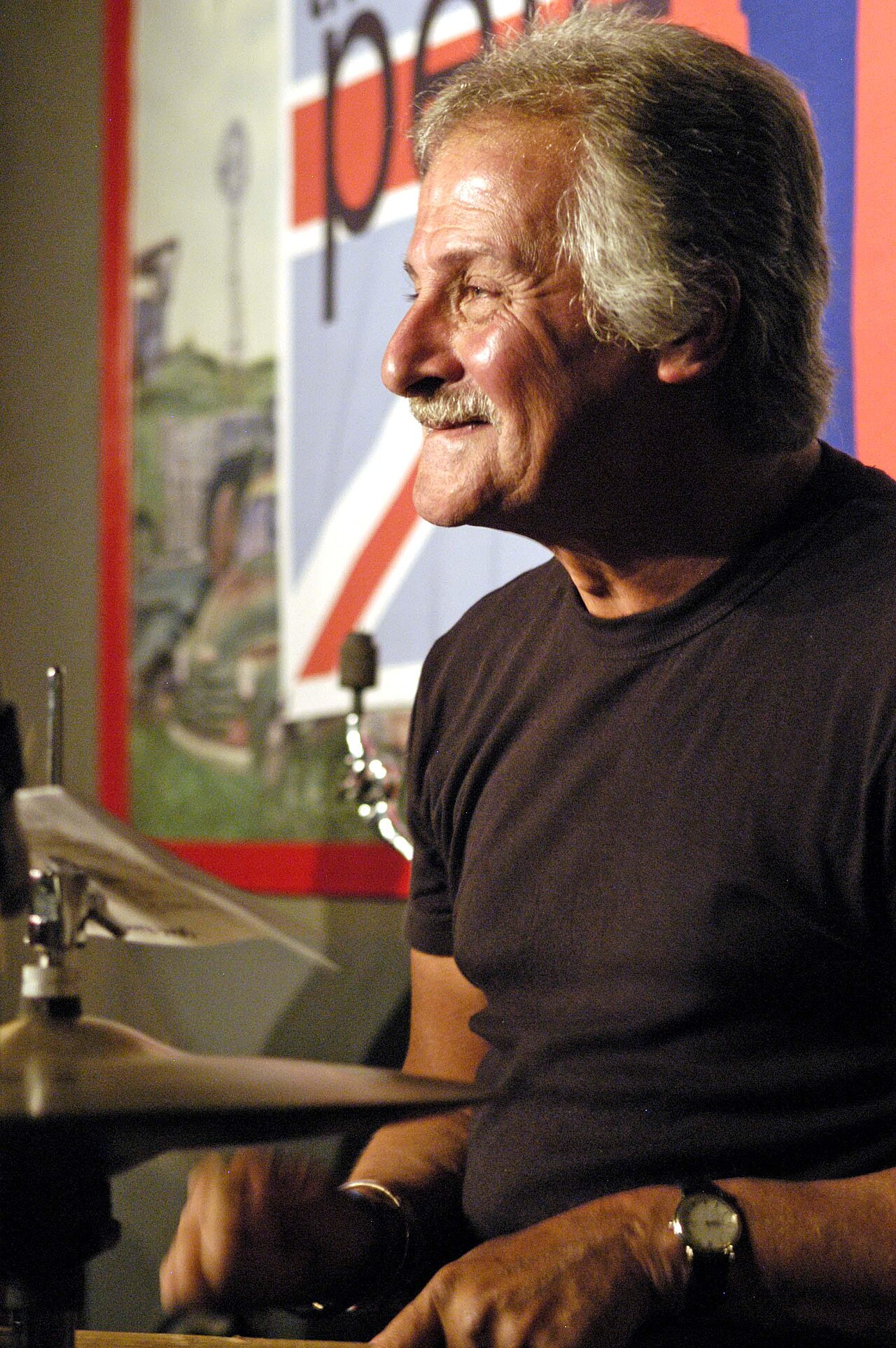
The replacement of Best by Ringo Starr changed the fundamental chemistry of the group. Ringo brought a different kind of swing and a new level of stability. Yet, the ghost of the original lineup never truly left the narrative. Fans often wonder what the band would have sounded like without that change. The tension between the two lineups remains a powerful part of the story.
Best stayed connected to the Liverpool scene throughout the years. He served as a reminder of the band's humble beginnings in the Cavern Club. His presence in the legend prevents the Beatles from becoming too detached from their origins. He is the link to the raw, unpolished energy of the early sixties. Without him, the story lacks its essential, human grit.
The legacy of the early lineup is more than just a footnote. It provides the necessary context for the massive success that followed. The transition from Pete Best to Ringo Starr was the first major structural change the band ever endured. It set the stage for all the subsequent shifts and eventual breakups. The shadows of the early years are long and incredibly deep.
The Beatles did not just leave the stage; they changed the very definition of what a band could be. Their breakup was the end of a specific kind of innocence. The world that emerged from 1970 was louder, heavier, and much more complicated. We lost the magic of the unified group, but we gained a world of infinite solo possibilities. The music moved on, but the echoes of that Liverpool beat never truly stopped.