The Curse of Peter Green's 1959 Les Paul
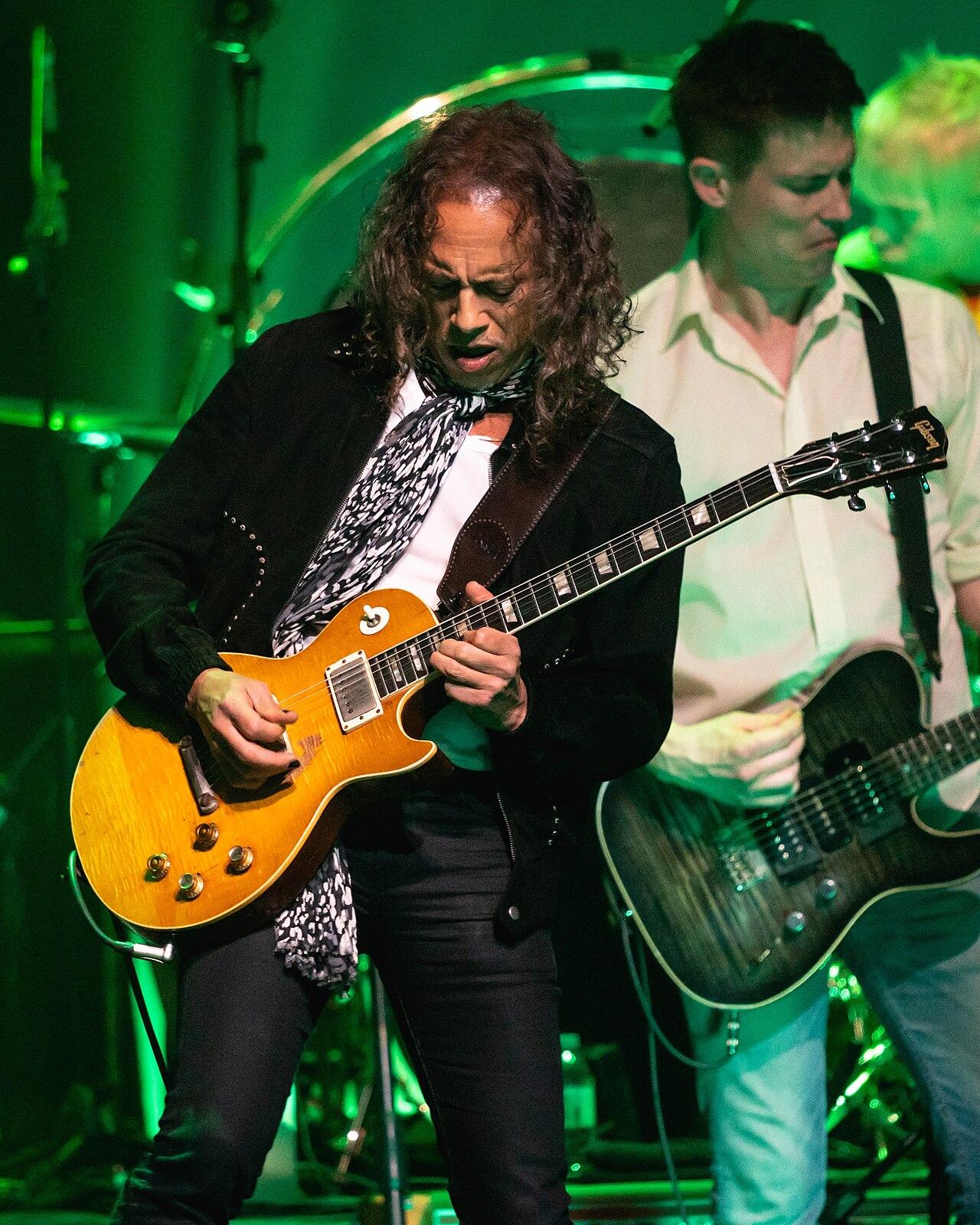
London's Sound Techniques studio smelled of stale tobacco and damp wool in 1969. Peter Green sat hunched over his 1959 Gibson Les Paul, a heavy piece of maple and mahogany that seemed to anchor him to the floor. The air in the room felt thick with the tension of a band on the verge of a permanent fracture. Mick Fleetwood and John McVie worked with a rhythmic precision that felt more like a heartbeat than a drum beat. Green chased something much more elusive than a simple groove.
He struck a single note on the high E string. The sound hung in the air, vibrating against the studio walls with a physical weight. It did not just ring; it decayed with a slow, mournpendulous ache that felt almost sentient. The British blues boom dominated the airwaves during this era, with Cream and The Yardbirds leading the charge. Green moved toward a different, more atmospheric space. He used the weight of that 1959 Gibson to pull the listener into a darker, quieter room.
The 1968 single "Albatross" had already proven his mastery of the instrumental form. It climbed to number 1 on the UK Singles Chart, a feat that stunned many blues purists. The track relied on a shimmering, liquid melody that felt like sunlight hitting a moving stream. He departed from the gritty, distorted blues of his contemporaries. He used the instrument to create a sense of space, a concept that felt rare in the loud, saturated blues-rock era.
Listeners heard something different in those recordings. The guitar did not scream; it whispered, and the whisper carried more weight than a scream. This ability to command attention through restraint became his trademark. The instrument itself possessed a personality that demanded this level of care. Every bend and every vibrato felt like a deliberate, heavy choice.
The Sound of 1968 London
London in 1968 existed in a state of beautiful, chaotic transition. The psychedelic haze of the mid-sixties began to settle into something heavier and more grounded. Bands like Fleetwood Mac no longer just played covers of Chicago blues legends. They wrote something original, something that felt rooted in the English soil but reached for something much more cosmic. The studio became a laboratory for these experiments.
Green used his 1959 Les Paul to bridge these two worlds. He took the fundamental blues language of Muddy Waters and applied a layer of English melancholy. The track "Albatross" remains the definitive example of this approach. It lacked the aggressive drive of a standard blues shuffle. Instead, the melody floated over a steady, hypnotic rhythm. It felt like a dream you could neither wake from nor escape.
The recording process at Sound Techniques allowed for a certain level of intimacy. Engineers like Denis Martin captured the subtle nuances of his playing style. You could hear the plectrum hitting the string. You could hear the breath between the notes. This level of detail made the blues feel personal rather than performative. He did not show off speed; he focused on the resonance of a single, well-placed note.
Other bands pushed toward much louder, more distorted sounds. Led Zeppelin was forming, and the heavy blues-rock movement gained massive momentum. Green chose a different path. He leaned into the decay of the notes. He let the sustain of the 1959 Gibson do the heavy lifting. This choice gave the music a haunting, almost ghostly quality that set him apart from the riff-heavy giants of the era.
A cultural shift in London reflected this sonic shift. The optimism of the early sixties curdled into something more introspective. Music became more complex and less about simple pop structures. Green tapped into this mood with a single instrument. He captured the sound of a new decade that felt both incredibly active and deeply unsettled.
The Magic of the PAF Pickups
Two humbuckers lived in the heart of the instrument. These were the original Patent Applied For, or PAF, pickups. During the 1958-1960 production run, Gibson engineers perfected the art of the humbucking design. These pickups featured Alnico magnets that provided a specific, warm midrange. They did not just capture the signal; they colored it with a creamy, thick texture.
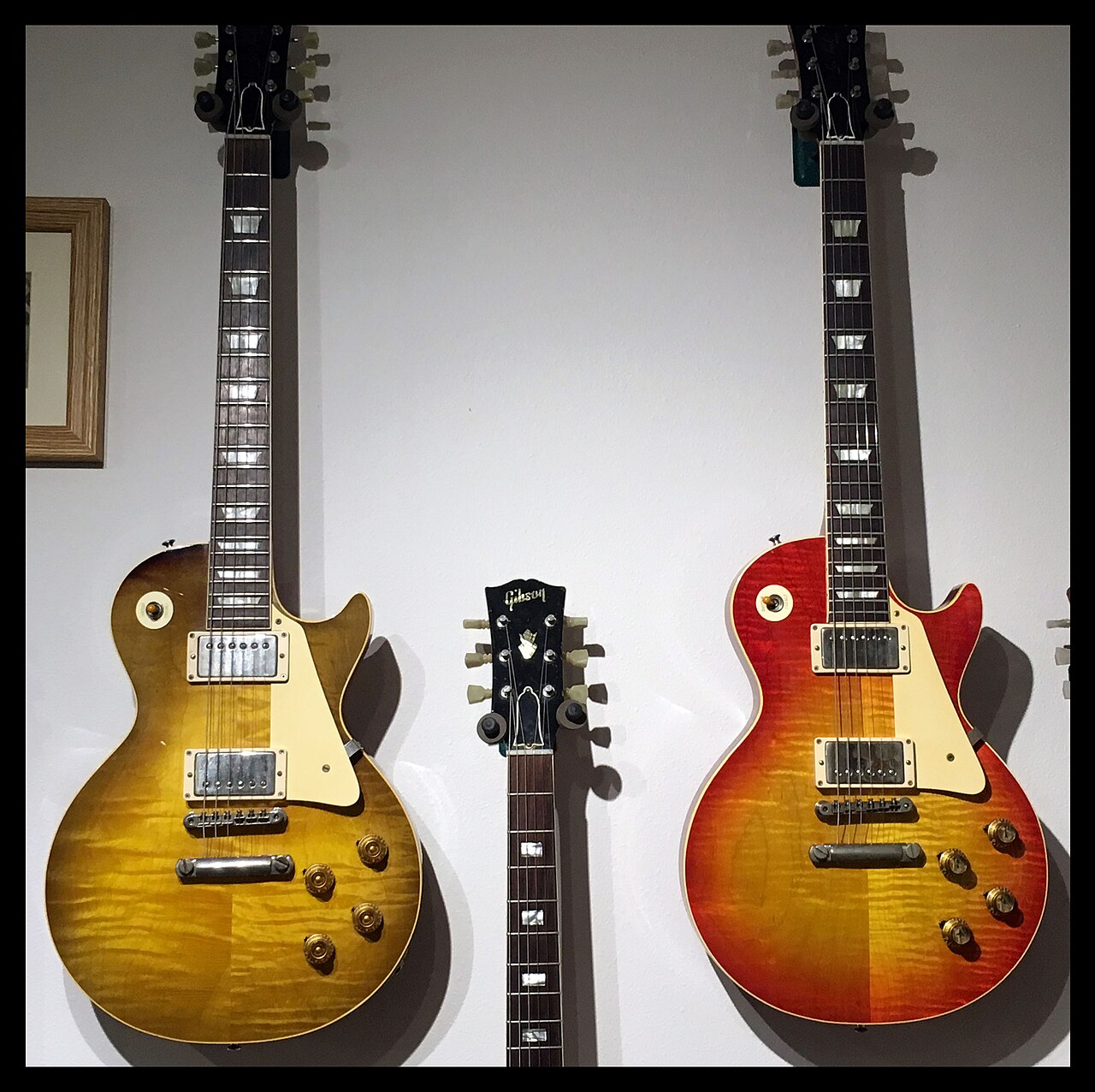
The interaction between these pickups and the mahogany body created a unique harmonic profile. When Green played, the notes possessed a fundamental strength that resisted the urge to thin out. The mids remained present but never harsh. They sat in a sweet spot that allowed the melody to cut through the mix without being abrasive. This provided the secret to the "Green tone."
Engineers at Blue Horizon Records struggled to replicate this sound on other instruments. You could use a different Les Paul, but it would not have that specific, singing quality. The PAFs in this particular guitar responded to the player's touch. They bloomed under the pressure of a heavy pick attack. They reacted to the slightest change in volume with an almost liquid smoothness.
"I used to play with the volume and tone knobs rolled back to get that out of this world tone."
Green understood the physics of his gear better than most. He knew that rolling back the tone knob stripped away the high-end bite. This revealed the warmer, woodier character of the guitar. It turned the electric instrument into something that felt almost acoustic in its purity. The PAFs provided the foundation, but Green's manipulation of the controls provided the soul.
The sustain produced by this setup was legendary. A note could ring out for an incredible amount of time, slowly changing color as the energy dissipated. This allowed him to play much slower than his peers. He did not need to fill the silence with notes because the notes themselves occupied so much space. The pickups acted as the engine, driving the sustain forward through the decades.
A Blueprint for Eric Clapton
Eric Clapton watched Green from the periphery of the London blues scene. While Clapton often stood as the guitar hero of his generation, he openly admitted that Green was his primary influence. The way Green handled the 1959 Les Paul provided a template for the entire blues-rock genre. He showed that you could be powerful without being loud. He showed that melody could supersede technique.
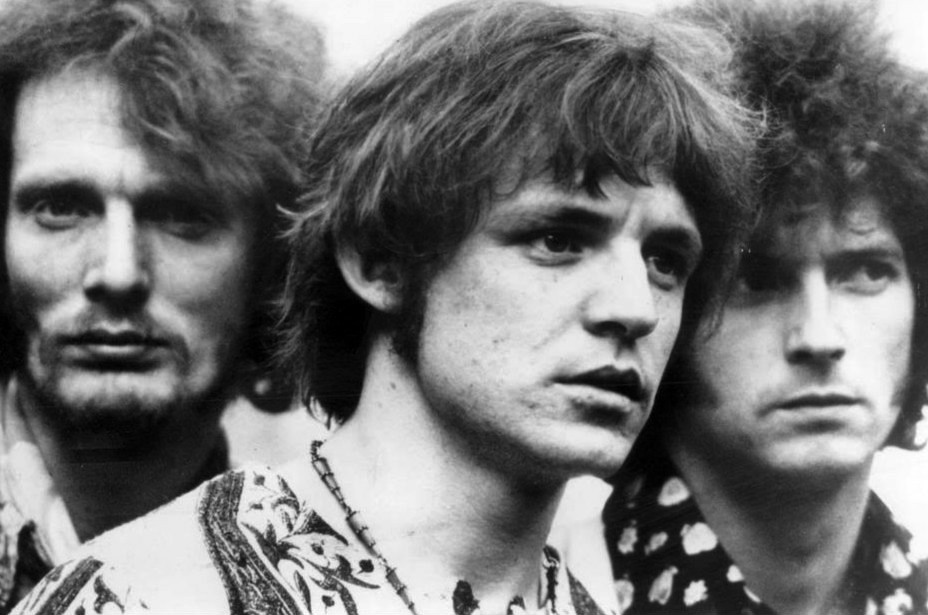
Clapton's early work with John Mayall & The Bluesbreakers borrowed heavily from the Green aesthetic. The stinging vibrato and the thick, saturated tone descended directly from what Green was doing. When you listen to the early Yardbirds or the early Cream, you hear the echoes of Green's phrasing. He mastered the art of the "singing" guitar line. This became the gold standard for every blues guitarist who followed.
The influence went beyond just notes. Green's approach to the instrument's architecture served as a lesson in restraint. He did not use the guitar as a weapon of technical prowess. He used it as a voice. This shift in mindset changed how people perceived the electric guitar in rock music. It moved from being a rhythmic tool to a melodic protagonist.
Clapton's own playing eventually moved toward a more fluid, polyphonic style. However, the DNA of Green's 1959 Les Paul remained in his foundational phrasing. The way a note is bent, the way it is held, and the way it is released all trace back to Green's hands. He provided the vocabulary that Clapton and others would use to write their own musical sentences.
This connection created a lineage of tone that defines the genre. It is a lineage of sustain, midrange, and emotional clarity. Without the blueprint provided by Green, the heavy blues-rock era might have been much more aggressive and much less melodic. He brought a sense of grace to a genre that often favored brute force.
The Art of the Rolled-Back Tone
Green's technique was deceptively simple. He spent much of his time adjusting the two control knobs on the front of the guitar. By rolling the tone knob back to about six or seven, he transformed the character of the PAFs. The sharp, piercing attack disappeared. In its place, a rounded, mellow warmth emerged. It sounded like the guitar was wrapped in velvet.
This technique required incredible control. You cannot roll back the tone and maintain the clarity of your phrasing. The notes can easily become muddy or lost in the mix. Green managed to maintain a sharp melodic edge even while using a softened tone. He did this by focusing on his pick attack and his vibrato. He used the physical strength of his fingers to compensate for the loss of high-end frequency.
The result was a sound that felt much larger than the instrument itself. It occupied a frequency range that felt both deep and present. This approach allowed him to blend perfectly with the rhythm section of Fleetwood Mac. He did not fight against the drums and bass; he sat inside the pocket. He became part of the texture of the band rather than a soloist standing apart from it.
This method also influenced how engineers approached recording him. They had to capture the subtle shifts in texture that occurred as he manipulated the knobs. A standard microphone setup might have missed the delicate decay of those rolled-back notes. The recordings from the Then Play On sessions capture this beautifully. You can hear the guitar breathing.
Most players want more treble, more brightness, and more bite. Green wanted less. He sought the shadow rather than the light. This pursuit of a darker, muted tone gave his music its unmistakable, melancholic character.
The Heavy Burden of a Holy Grail
The 1958-1960 Gibson Les Paul era is often called the Holy Grail of electric guitars. This specific production run saw the transition from the older trapeze tailpieces to the more stable stopbar design. These instruments possess a density and a sustain that later models struggle to replicate. Owning a 1959 model is a heavy responsibility for any musician. It carries the weight of history and the expectations of legends.
The Peter Green 1959 Les Paul is more than just a piece of wood and wire. It is a relic of a specific moment in British music history. When the guitar passed from Green to other players like Jeremy Spencer, it carried that legacy with it. Each new owner became a custodian of a specific sound. The instrument itself demanded a certain level of reverence.
Mick Taylor, who would later join The Rolling Stones, spoke extensively about the instrument's capabilities. He noted the specific, stinging vibrato that the guitar allowed. He understood that the guitar's sustain was not just a technical feature, but a musical tool. To play this instrument is to engage with the ghosts of the blues-rock era. It is a heavy burden to carry such a significant piece of musical DNA.
The value of such an instrument is astronomical, but its true worth lies in its performance. It is not a museum piece; it is an active tool that shaped the direction of rock music. The physical wear on the body and the patina on the Hagstrom finish tell the story of decades of intense playing. It has survived the highs of chart-topping hits and the lows of personal turmoil.
The pressure to maintain the "Green tone" can be stifling for any successor. How do you play a guitar that has already defined a genre? How do you add your own voice to an instrument that sounds like a legend? The guitar possesses a gravity that pulls every player toward a specific, historical way of playing. It is a beautiful, difficult, and often overwhelming thing to hold.
Beyond the Blue Horizon Era
Green's departure from Fleetwood Mac in 1970 changed everything. It marked the end of the band's primary blues-rock period and the beginning of a much more experimental, almost psychedelic direction. The instrument itself moved away from the center of the movement it helped define. The focus shifted from the heavy, sustain-focused blues to more layered, atmospheric textures.
The era of Blue Horizon Records, which had fostered Green's early success, was fading. The music industry moved toward harder rock and the burgeoning progressive movement. The heavy, emotional blues that Green mastered was becoming a niche style. The 1959 Les Paul remained, but the context in which it was played had fundamentally shifted.
The guitar's history after Green is a fragmented one. It passed through the hands of various musicians associated with the British blues boom. Each player brought a different energy to the instrument, but none could truly replicate the original magic. The instrument became a symbol of a lost era, a period of profound musical sincerity and raw emotion.
Looking back, the 1959 Les Paul represents a perfect alignment of artist, instrument, and moment. Green had the vision, the Gibson had the tone, and London had the atmosphere. When that alignment broke, the music changed forever. The heavy blues era ended, and the more fragmented, experimental era of the 1970s began.
The legacy of the Peter Green 1959 Les Paul is not found in its price tag or its auction records. It is found in the way a single, sustained note can still make a listener feel a profound sense of loss. It remains a haunting reminder of a time when the blues was not just a genre, but a way of interacting with the world through the medium of electrified wood and magnets.