The Beatles in Rishikesh: The Birth of The White Album
London in early 1968 felt heavy. The psychedelic haze of 1967 had settled into a thick, smoggy exhaustion. The Beatles had just survived the dizzying, studio-bound excess of Sgt. Pepper's Lonely Hearts Club Band. They had conquered the experimental fringes of pop music, but the victory felt hollow. Pressure mounted. Fame was no longer a novelty; it was a cage. John Lennon, Paul McCartney, George Harrison, and Ringo Starr needed a way out. They did not need a vacation. They needed an exorcism, and they found it through The Beatles in Rishikesh.
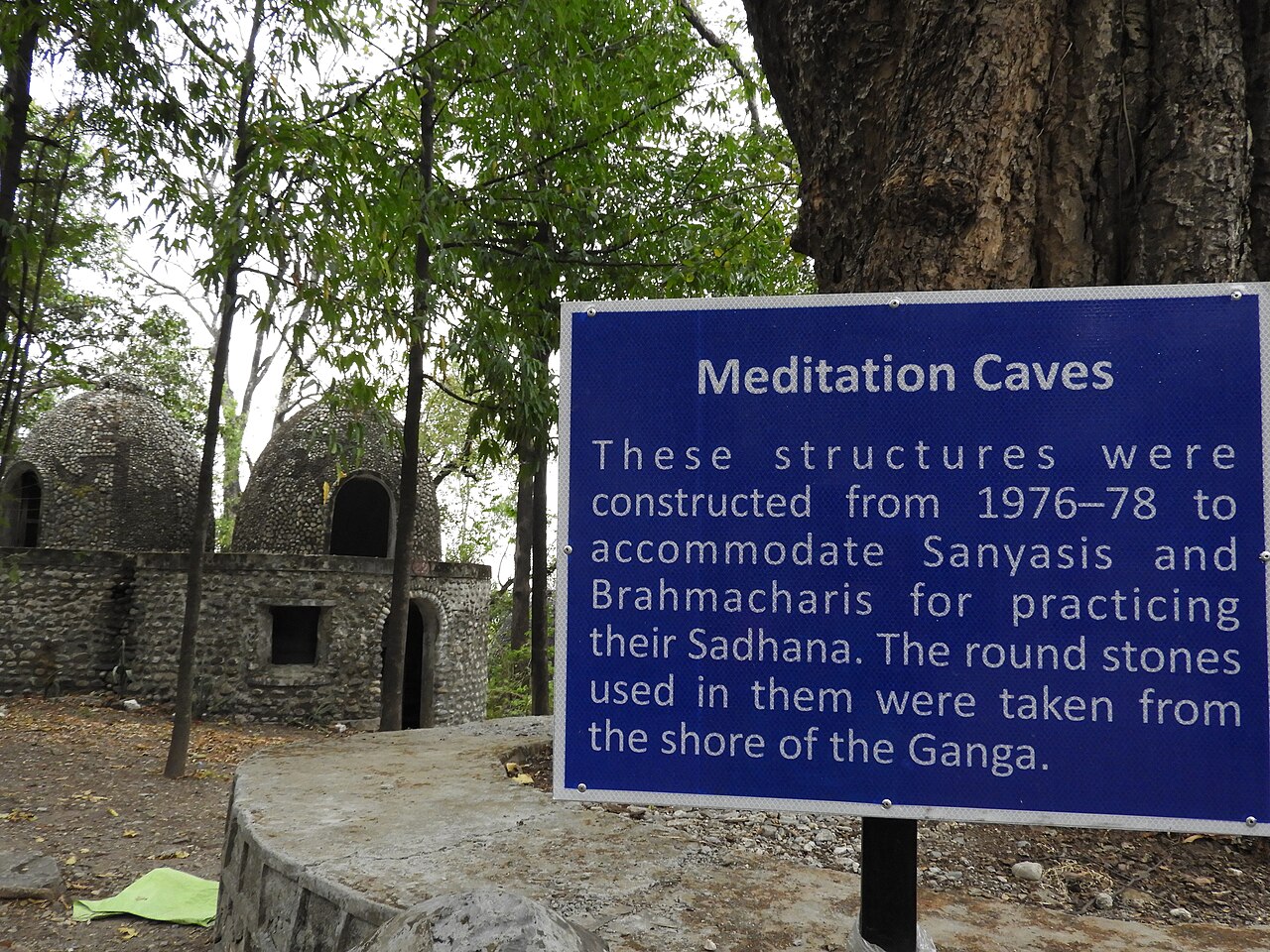
The Maharishi Mahesh Yogi provided the invitation. His promise of Transcendently Meditation offered more than just mental clarity. It offered an escape from the hysterical scrutiny of the British press and the suffocating expectations of their own mythos. In February 1968, the four men boarded a flight toward India. They left behind the rain-slicked streets of London and the manic energy of Abbey Road for the quiet, dusty foothills of the Himalayas. Rishikesh provided the perfect backdrop for a mental reset. The air smelled of incense and woodsmoke, far removed from the chemical scent of studio tape and LSD.
This trip functioned as a tactical retreat rather than a spiritual retreat for the sake of piety. The Beatles arrived at the ashram not as gods, but as students. They sat on the floor, practiced meditation, and attempted to find a stillness that the frantic pace of 1967 had stripped away. This month in India provided the necessary friction. To create something new, they had to dismantle the version of themselves that the world had built. They went to India to find silence, but they found the seeds of their most chaotic, fragmented, and brilliant work.
Stripping Away the Studio

The studio had become a character in the Beatles' music. During the Sgt. Pepper era, George Martin and the band used the four-track Studer machines as instruments themselves. They manipulated tape loops, reversed percussion, and layered orchestral swells to create a sonic illusion. It was brilliant, but it was artificial. It relied on the artifice of the recording process. Rishikesh changed that. Without the safety net of Abbey Road's high-end consoles or the ability to manipulate sound in post-production, the band had nothing but their instruments and their wits.
The ashram stripped the artifice from their songwriting. The lack of professional recording equipment forced a return to the fundamentals of melody and rhythm. This period saw a massive shift toward organic, acoustic-based songwriting. The songs no longer required Mellotrons or brass sections to justify their existence. They required a lyric, a chord progression, and a sense of truth. This was a regression in the best possible sense. They returned to the roots of the beat group, but they carried the wisdom of the psychedelic era in their DNA.
Paul McCartney leaned into this simplicity. He began writing tracks that relied on the natural resonance of an acoustic guitar. "Mother Nature's Son" emerged from this environment. It is a song of pure pastoralism, devoid of the swirling psychedelic textures that defined their previous year. It feels grounded. It feels like the earth of Rishikesh. Meanwhile, John Lennon used the quietude to confront much darker, more visceral impulses. The peace of the ashram did not make his lyrics softer. Instead, it provided the space for him to interrogate his own anger and his place in a crumbling political world. The tension between this newfound acoustic simplicity and Lennon's growing political aggression created the friction that defines their later work.
The Sonic Legacy of The Beatles in Rishikesh
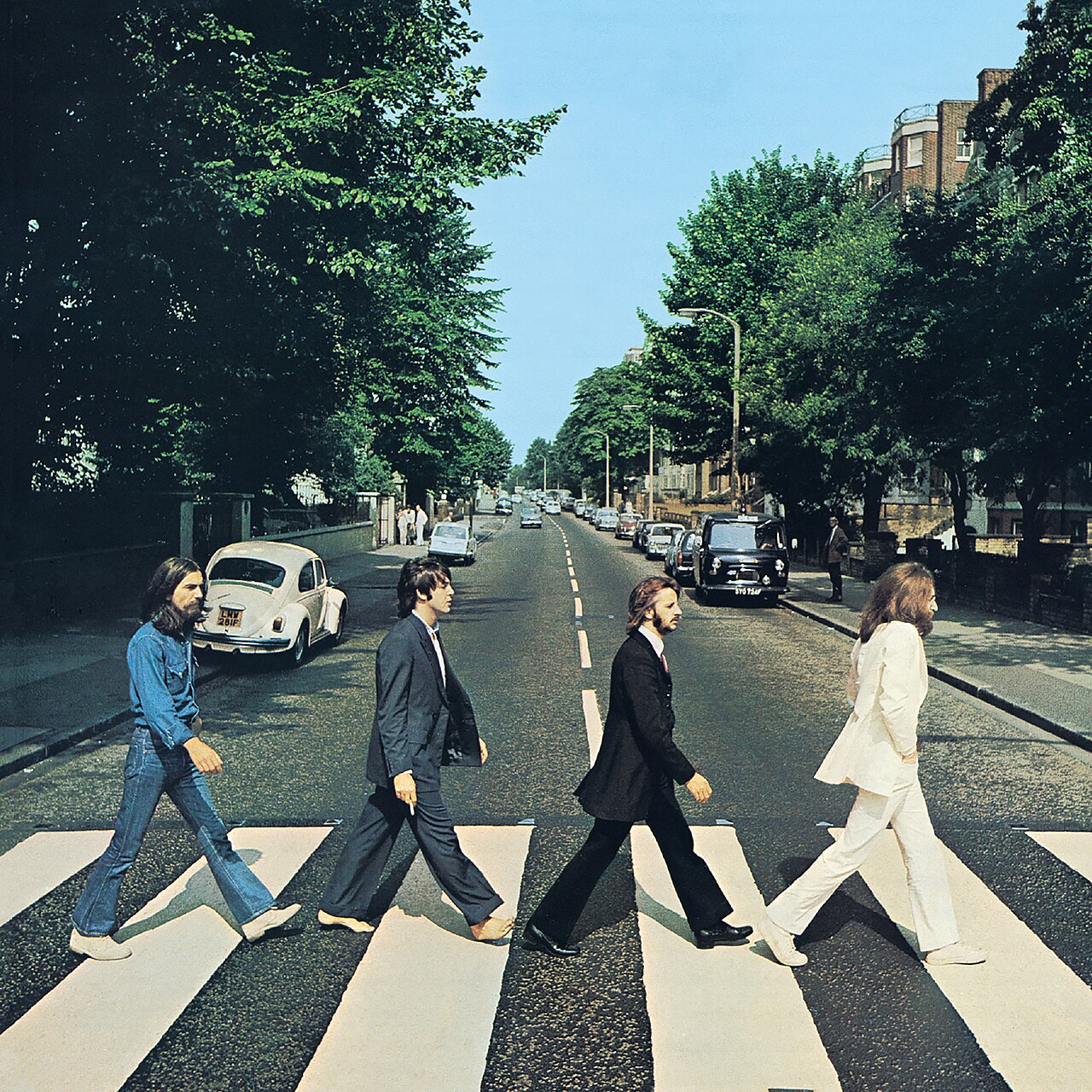
The November 1968 release of The Beatles, commonly known as the White Album, serves as the sonic wreckage of the Rishikesh trip. If Sgt. Pepper was a unified, colorful dream, the White Album is a fractured, black-and-white reality. The songs written or conceived during that month in India carry a specific kind of fragmented energy. They are not polished. They ofter are jarring, switching from bluesy riffs to avant-garde nonsense in a single track.
Take "Back in the U.S.S.R." for example. It is a loud, Chuck Berry-inspired stomp that feels entirely disconnected from the meditative stillness of an Indian ashram. Yet, the energy of the trip allowed for this kind of stylistic whiplash. The band was no longer trying to make a cohesive concept album. They were simply documenting the contents of their minds. "Revolution" also found its footing during this period. Lennon's lyrics moved toward a more politically charged, uncompromising stance. The peace of meditation did not silence his protest; it sharpened his blade.
The complexity of the album also reflected the mental gymnastics occurring in India. "Happiness Is a Warm Gun" is a masterclass in structural instability. It jumps through different movements, shifting tempos and moods with a suddenness that mirrors the unpredictable nature of a mind in transition. It is a difficult, difficult song. It refuses to settle. This instability is the hallmark of the post-Rishikesh Beatles. They had abandoned the pursuit of the perfect pop single in favor of a more honest, albeit messy, exploration of the self.
Jai Guru Deaton Om
Even the most ethereal moments of the era retained a connection to the trip. "Across the Universe" remains one of the most beautiful artifacts of this period. It carries the Sanskrit phrase "Jai Guru Deva Om" within its lyrics, a direct nod to the spiritual atmosphere of the ashram. The song feels like a trance. It captures the drifting, hypnotic state of meditation. It is a rare moment of pure, unadulterated beauty in an album otherwise defined by its jagged edges and sudden outbursts of noise.
Prudence and the Ashram
The human element of the Rishikesh trip provided the lyrical DNA for some of the band's most enduring songs. The ashram was not just a place for the four Beatles; it was a gathering of their inner circle. Prudence Colman, a friend of Pattie Boyd, traveled to India with the group. Her presence in the ashram provided the direct inspiration for "Dear Prudence." The song is a plea for someone to step out of their shell and join the world. It uses the rhythmic, finger-picked acoustic guitar to create a sense of movement, mimicking the very act of emerging from a meditative state.
This connection to real, physical people grounded the music. It prevented the band from drifting entirely into the abstract. While Lennon was grappling with political upheaval and McCartney was exploring pastoral landscapes, they were still reacting to the people sitting across the much-needed quiet of the room. The lyrics were not written in a vacuum. They were responses to the heat, the dust, and the faces of their companions. This immediacy is why the White Album feels so much more personal than their previous studio experiments. It is the sound of people living, breathing, and occasionally clashing in a shared space.
However, this proximity also sowed the seeds of the band's eventual dissolution. The intense, concentrated environment of the ashram stripped away the professional boundaries that had kept the group functional. Without the structure of the studio or the distraction of the London industry, the individual personalities of the Beatles began to collide with more force. The music reflects this. You can hear the individualities of Lennon, McCartney, and Harrison fighting for space within the same tracks. The White Album is the sound of a band losing its unity even as it finds its individual voices.
A Permanent Shift in Vision
George Harrison emerged from Rishikesh a different person. His commitment to Indian classical music and spiritual philosophy was no longer a hobby or a psychedelic affectation. It was a fundamental part of his identity. The trip solidified his role as the group's spiritual anchor, even as his songwriting began to dominate the band's output. The sitar, the tabla, and the concept of the divine were now permanent fixtures in his musical vocabulary. He had found a way to bridge the gap between Western pop and Eastern mysticism.
The Beatles would never return to the unified, brightly colored optimism of the mid-1960s. The Rishikesh period broke the spell of the "mop-top" era forever. They had seen the reality behind the myth. They had experienced the silence, and that silence was too heavy to ignore. The stylistic shift toward the organic, the acoustic, and the fragmented was a permanent departure. They had moved from being a pop group to being a collection of individual artists, each pursuing their own distinct, and often conflicting, visions.
The White Album remains a difficult listen for those seeking the easy harmonies of "She Loves You." It is an album of tension, of beautiful mistakes, and of profound psychological depth. It is the sound of a band deconstructing itself in real time. The month spent in Rishikesh provided the tools for this destruction. By stripping away the studio, the fame, and the expectations, the Beatles found something much more raw and much more permanent. They found the truth, even if that truth was a fragmented, noisy, and deeply unsettled one.