The Banana That Failed, Then Conquered Hip-Hop
March 1967 arrived with the scent of flower power and the promise of psychedelic optimism. While the rest of the world chased the melodic sunshine of The Beatles or the bluesy swagger of The Rolling Stones, a group of misfits released something that felt like a cold shower in a dark room. Verve Records distributed The Velvet Underground & Nico to a public that had no use for its abrasive edges. The album did not just miss the mark; it missed the entire stadium. This commercial failure eventually provided the essential DNA for the rise of hip-hop.
A Commercial Disaster in 1967
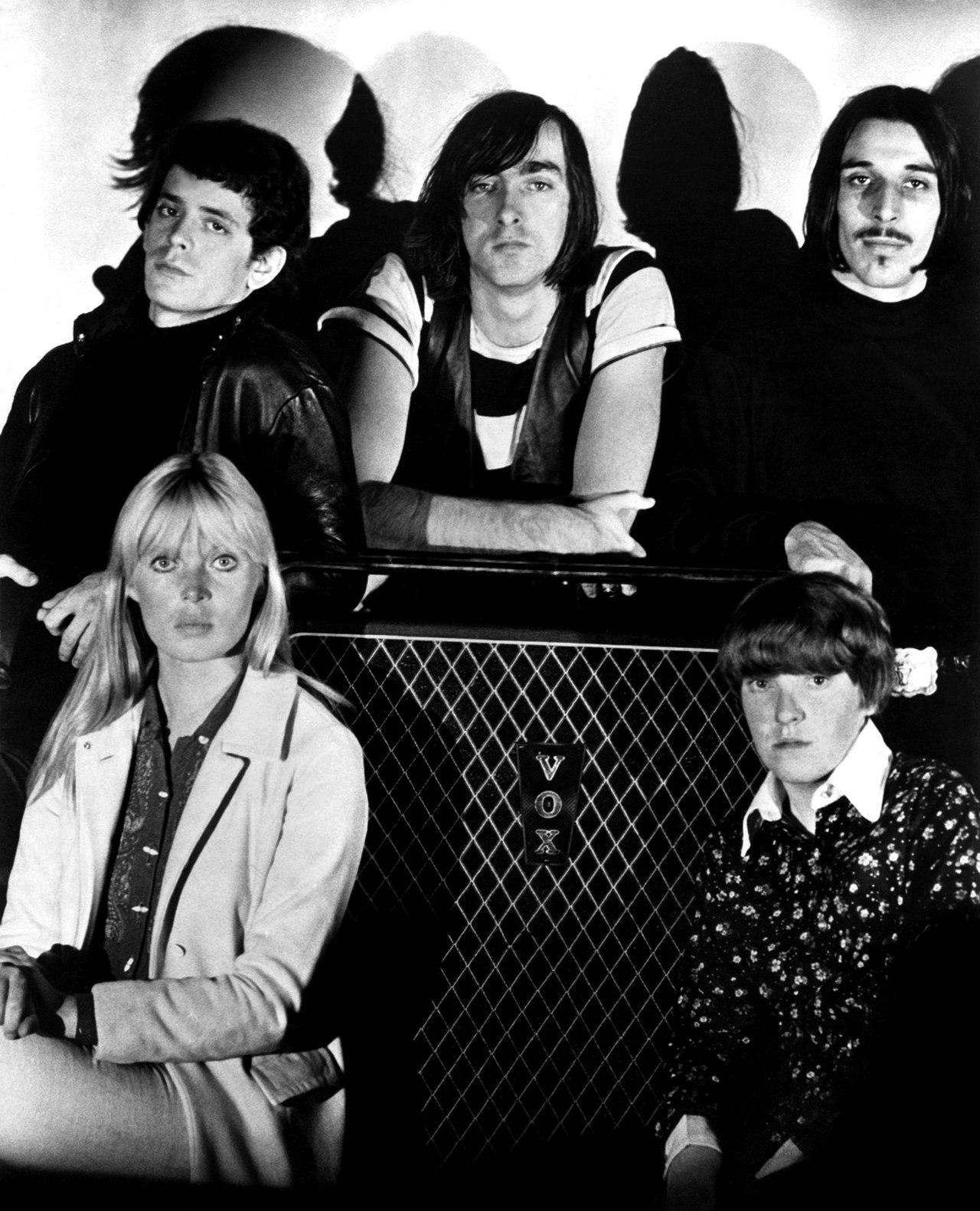
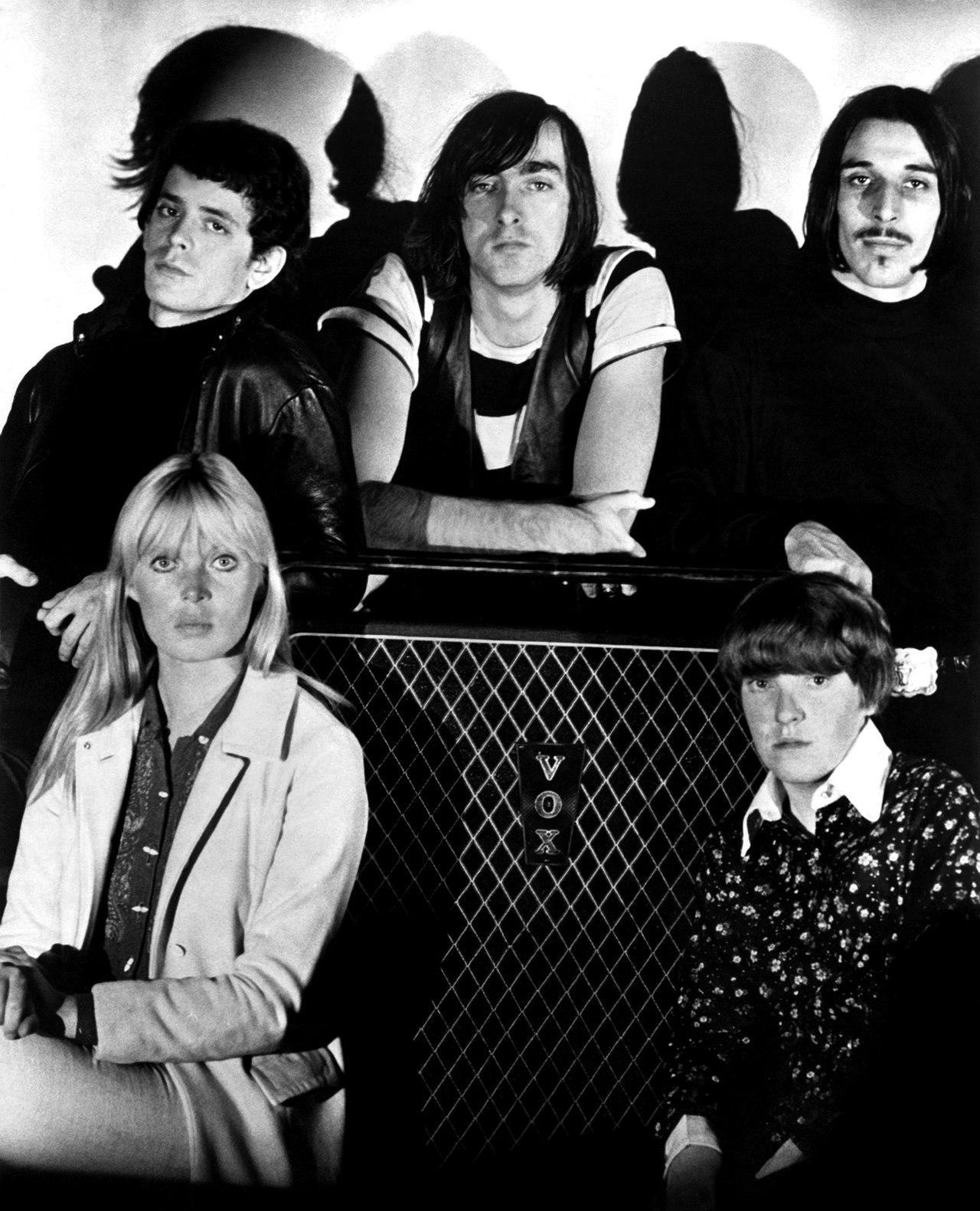
The album failed to reach any position on the 1967 Billboard charts, leaving the band to rot in the shadow of more commercially viable contemporaries. The industry ignored them. Radio stations refused to spin tracks that lacked a predictable hook. Record stores shelved the disc between easy-listening crooners and pop singalongs. The band members, comprising Lou Reed, John Cale, Sterling Morrison, Maureen Tucker, and the enigmatic Nico, existed on the fringes of a culture that preferred polished harmonies to feedback. They represented the grit of the New York underground, a place where the neon lights flickered and the streets felt dangerous. This was not the music for a summer of love. It was the music for a long, lonely winter in a Lower East Side loft.
History often forgets how much a lack of sales can sting. For a band, a chart position provides legitimacy. Without it, you are just a group of people making noise in a basement. The Velvet Underground lacked that legitimacy in 1967. They lacked the radio play that builds legends. Instead, they possessed a stubborn, uncompromising refusal to cater to the middle class. They produced a record that demanded attention through its very rejection of popularity. They built a monument to failure that would, decades later, provide the foundation for an entirely different genre of rhythmic rebellion.
Warhol's Banana and the Art of Discomfort
Andy Warhol did not just produce the album; he branded it with a visual identity that remains one of the most recognizable icons in art history. During his era of aesthetic provocation, Warhol sought to blur the much-discussed lines between high art and pop trash. He gave the band a cover featuring a bright yellow banana, designed with a removable sticker that revealed a partially peeled fruit underneath. This gimmick was more than a clever trick. It was a provocation. It invited the listener to touch, to peel, and to interact with the packaging in a way that felt slightly subversive.
The banana functioned as a symbol of the album's core philosophy. It looked edible, bright, and harmless, yet it hid something raw and slightly decayed. This tension mirrored the music itself. Warhol's influence brought a sense of detached, pop-art irony to the band's gritty reality. He turned a group of experimental musicians into a piece of performance art. The cover art forced the viewer to confront the concept of the commodity. It suggested that the music inside was a product, even if that product was designed to make you uncomfortable.
Critics at the time saw the art but hated the audio. They dismissed the album's avant-garde and dissonant textures as unmusical. To the ears of 1967, the record sounded like a mistake. They heard the screeching violins and the repetitive drones and concluded that the band simply could not play. They missed the intentionality behind the chaos. They saw the banana and expected a pop snack, but they received a bitter, experimental fruit that refused to be easily swallowed. Warhol's aesthetic provided the wrapper, but the contents were far too jagged for the mainstream palate.
The Sound of Dissonance and Drug Use
The music on The Velvet Underground & Nico operates on a different frequency than the rest of the 1960s. While their peers explored expanded consciousness through LSD, the Velvet Underground documented the darker, more visceral side of chemical dependency. The track "Heroin" stands as the centerpiece of this exploration. The song does not just describe a high; it enactronically simulates the experience through a shifting tempo. The rhythm starts with a steady, driving pulse, then accelerates into a frantic, dizzying blur, before slowing down into a lethargic, heavy crawl.
This rhythmic manipulation mirrors the physiological effects of the drug itself. The listener feels the rush of the injection and the subsequent, crushing comedown. It is a terrifyingly effective piece of songwriting. There are no lush melodies to hide behind here. There is only the relentless, driving beat and the sense of inevitable collapse. This use of tempo as a production tool predates the experimental structures of later genres, proving that the band understood how to use studio techniques to manipulate human emotion and physical sensation.
The album thrives on repetition. It uses drones to create a sense of stasis and dread. This is not the kind of music you listen to for a catchy chorus. You listen to it to be submerged in a particular atmosphere. The songs often circle a single, hypnotic motif, refusing to resolve. This lack of resolution creates a tension that feels almost physical. It is a sonic representation of the urban decay and the drug-fueled desperation of the New York scene. The band did not write songs; they constructed environments of psychological pressure.
The Electric Viola and Classical Decay
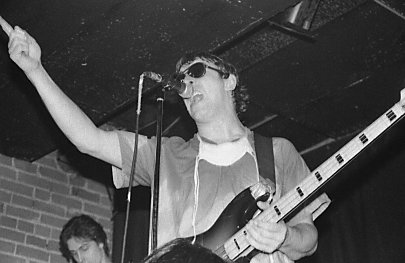
John Cale brought a specific, scholarly weight to the band's chaos. His background in classical music and avant-garde composition allowed the group to move beyond simple garage rock. Cale's use of the electric viola introduced a layer of classical dissonance to the rock instrumentation. He did not play the viola for melody. He played it for texture, using screeching high notes and low, mourning drones to disrupt the traditional rock structure. The instrument acted as a bridge between the conservatory and the street.
< hungry, percussive energy. The interplay between Cale's classical training and Reed's blues-based grit created a unique friction. The viola provided a sharp, piercing contrast to the steady rhythm of Maureen Tucker's percussion. Tucker's drumming style, often stripped of flashy fills and focused on a primitive, metronomic beat, provided the perfect canvas for Cale's sonic disruptions. This combination of the primitive and the academic created a sound that was impossible to categorize.The presence of Nico also added a crucial layer of atmospheric depth. Her deep, contralto vocal performance on tracks like "Femme Fatale" provided a stark, cold counterpoint to the band's more aggressive moments. She sounded like a ghost haunting a crumbling mansion. Her voice carried a certain European, detached elegance that clashed beautifully with the gritty, American street-level energy of Reed and Morrison. This vocal polarity ensured the album never felt one-dimensional. It swung between the seductive and the repulsive, the elegant and the decayed.
A Blueprint for the MPC Era

Decades after the initial failure of the album, its DNA began to appear in the most unlikely of places. The very elements that repelled 1967 critics - the repetitive drones, the percussive loops, and the heavy, distorted textures - became the foundational building blocks for hip-hop production. When producers in the late 1980s and 1990s began using the Akai MPC to sample breaks and textures, they found a goldmine in the Velvet Underground's discography. The band had already mastered the art of the loop long before the technology existed to formaltonize it.
Hip-hop thrives on the recontextualization of sound. It takes a fragment of a drum beat or a slice of a drone and builds a new rhythmic structure around it. The Velvet Underground's music was essentially a collection of high-quality, ready-made loops. The hypnotic, repetitive nature of tracks like "Venus in Furs" provided a perfect source for sampling. A producer could take a single, distorted chord or a dragging drum beat from a Tucker performance and turn it into a heavy, boom-bap foundation. The band's disregard for traditional song structure made them incredibly hip-hop friendly.
The grit of the New York underground persisted through the decades. The aesthetic of the Velvet Underground - the idea that noise, texture, and atmosphere are just as important as melody - mirrors the ethos of early hip-hop. Both genres emerged from urban environments characterized by decay, tension, and a need to create something new from the scraps of the old. Warhol's era found a second life in the sampling culture of the MPC era. The loop is the link.
From Critical Failure to Sonic Gold
The trajectory of The Velvet Underground & Nico is one of the greatest reversals in music history. What began as a commercial disaster ended as a foundational text for much of modern music. The very qualities that led to its initial rejection - the dissonance, the lack of commercial accessibility, the unmusical textures - are the exact reasons for its enduring influence. We no longer hear the album as "unmusical." We hear it as a masterclass in sonic architecture.
Today, the album stands as a monument to the power of uncompromising vision. It proved that a record does not need to sell to be significant. It does not need to please the masses to change the course of history. The influence of the band's drone and percussive layers reaches from post-punk and industrial to the most experimental corners of electronic dance music. The sonic fingerprints of Reed and Cale are everywhere.
The banana remains. The peeled fruit, the bright yellow warning, the sense of something raw beneath a commercial surface. The Velvet Underground did not win the battle of 1967, but they won the war of influence. They provided the textures that the future would use to build its most important rhythmic revolutions. They turned failure into a permanent, sonic gold. The world eventually caught up to the noise, and in doing so, the noise became the music.