The 27 Club: Why the Fatal Pattern Persists
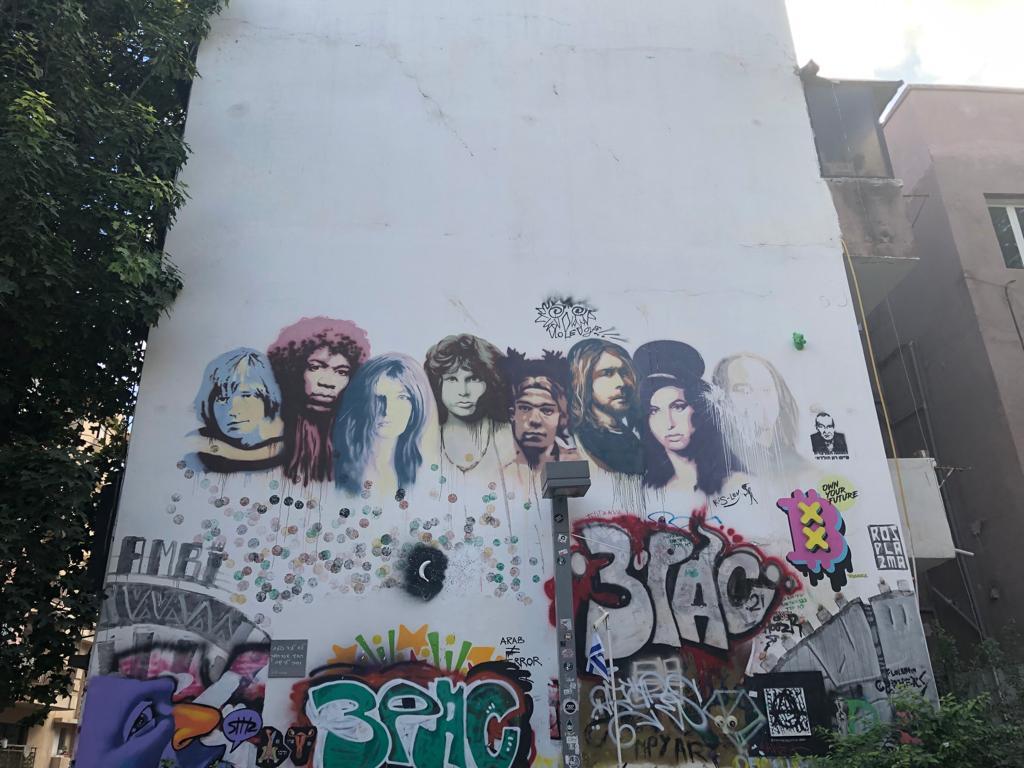
Brian Jones floated face down in a swimming pool in Chelsea, London, on July 3, 1969. The water of the Kensington estate pool turned cold around the founding member of The Rolling Stones. He was only twenty-seven years old. This single, quiet tragedy in a leafy London suburb set a grim precedent that the music industry would obsess over for decades. It created a superstition, a dark myth known as The 27 Club, which suggests that musical genius carries a built-in expiration date.
The summer of 1969 felt heavy with the weight of a changing era. Psychedelic rock saturated the UK airwaves, and the drug culture in London moved from experimental curiosity to something much more dangerous. Musicians lived in a haze of LSD, heavy cannabis, and increasingly potent stimulants. Jones lived at the center of this swirl, a man whose multi-instrumental talent on the sitar and dulcimer helped define the Stones' early psychedelic era. His death felt like the first crack in a glass ceiling that would soon shatter repeatedly.
London musicians drifted through clubs like the UFO or the Speakeasy, chasing a high that never quite lasted. The 1960s London scene thrived on excess and the sudden, violent arrival of much harder substances. You could hear the distorted fuzz of a Vox Wah-wah pedal in every basement, but you could also hear the creeping dread of a generation losing its footing. The Stones were no longer just a blues-rock outfit; they were the architects of a lifestyle that seemed to demand a sacrifice.
Jones died amidst the wreckage of his own brilliance. His departure left a void in the band that Mick Jagger and Keith Richards would struggle to fill with sheer grit. The news hit the London press with a sickening thud. It wasn't just a celebrity death; it held a warning sign for everyone else riding the wave of the psychedelic era. The pool in Chelsea became a highly public site of morbid fascination, a place where the glitter of the sixties met the cold reality of mortality.
The Summer of 1969 and the Chelsea Pool
Chelsea provided a backdrop of high-society decay during the late sixties. The neighborhood housed the very best of the rock aristocracy, people who lived in grand, crumbling houses with enough money to drown their sorrows. Jones inhabited this world, a world of expensive art and even more expensive mistakes. His death in that pool wasn't an isolated accident but a symptom of a culture that valued the intensity of the moment over the longevity of the artist.
The Rolling Stones were already global icons by 1969. They had released "Honky Tonk Women" just months earlier, a track that grit-teeths its way through a heavy, swaggering rhythm. The music was becoming tougher, more cynical, and less about the bright lights of pop. You could hear the mud and the sweat in the production. This shift mirrored the darkening mood of the London underground, where the euphoria of the Summer of Love was curdling into something much more jagged.
Drug use in the UK scene during this window moved toward much harder territory. While the early sixties featured much lighter experimentation, by 1969, the heavy hitters had arrived. The transition from the gentle hum of acoustic guitars to the distorted, feedback-heavy roar of psychedelic rock coincided with a rise in heroin and cocaine use. Musicians like Jones were the first to feel the physical toll of this new, aggressive chemical landscape.
The news of the Chelsea death rippled through the industry like a physical blow. It wasn't just the loss of a musician; it was the loss of a specific kind of musical versatility. Jones played the marimba, the recorder, and the mandolin with a grace that anchored the Stones' experimental side. When he died, that texture vanished. The music became more focused on the riff, leaving behind the more delicate, experimental layers he had helped cultivate.
London, 1970: A Season of Loss
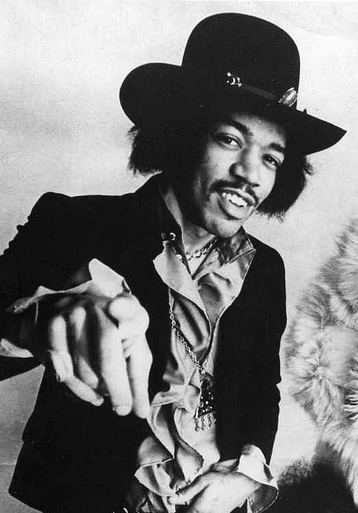
September 18, 1970, brought a different kind of silence to London. Jimi Hendrix arrived at St. Mary Abbot's Hospital, dead from an overdose of barbiturates and alcohol. The man who had turned the electric guitar into a screaming, feedback-laden beast was gone. His death felt even more profound because Hendrix represented the absolute peak of instrumental mastery. He played his Fender Stratocaster like it was an extension of his own nervous system.

The air in London felt thin that year. Only weeks after Hendrix, the world learned that Janis Joplin had died. She passed away on October 4, 1970, at the Landmark Hotel in Los Angeles. A massive heroin overdose took the voice that defined the blues-rock era. Her death felt like a direct consequence of the very soul she poured into her music. Joplin sang with a grit that sounded like broken glass and honey, a raw, unvarnified power that few could match.
The deaths of Hendrix and Joplin within a single month created a sense of cosmic cruelty. It seemed as if the universe was actively pruning the most vital talents from the earth. The music industry watched in horror as the icons of the late sixties vanished. The clubs in London and LA felt emptier, the lights a little dimmer. The sheer velocity of these losses made the idea of a "club" of doomed twenty-seven-year-olds feel less like a coincidence and more like a curse.
Musicians in 1970 were grappling with a new, harsher reality. The psychedelic optimism of 1967 had evaporated. In its place was a heavy, bluesy, and often drug-addled exhaustion. The records coming out of studios like Olympic or Abbey Road sounded thicker and more somber. You could hear the fatigue in the grooves of the vinyl, a heavy, dragging sensation that mirrored the physical state of the artists themselves.
"The truth is, I don't know what happened. I just know that I wasn't there when it happened."
The loss of Hendrix, in particular, stripped the guitar of its most radical voice. He used the wah-wah pedal and the Uni-Vibe to create sounds that felt extraterrestrial. When he died, the electric guitar lost its primary explorer. The industry scrambled to find someone who could replicate that level of sonic aggression, but the magic was gone. The era of the guitar god hit a sudden, violent wall.
Paris, 1971: The End of the Lizard King
Paris provided the stage for the next major tragedy in the sequence. July 3, 1971, saw the death of Jim Morrison in a bathtub in France. The frontman of The Doors, a man who blended poetry with a primal, shamanic rock energy, was gone. His death felt like the final chapter of the sixties' grand, chaotic narrative. The Lizard King had retreated into the shadows of Europe, and the shadows finally claimed him.
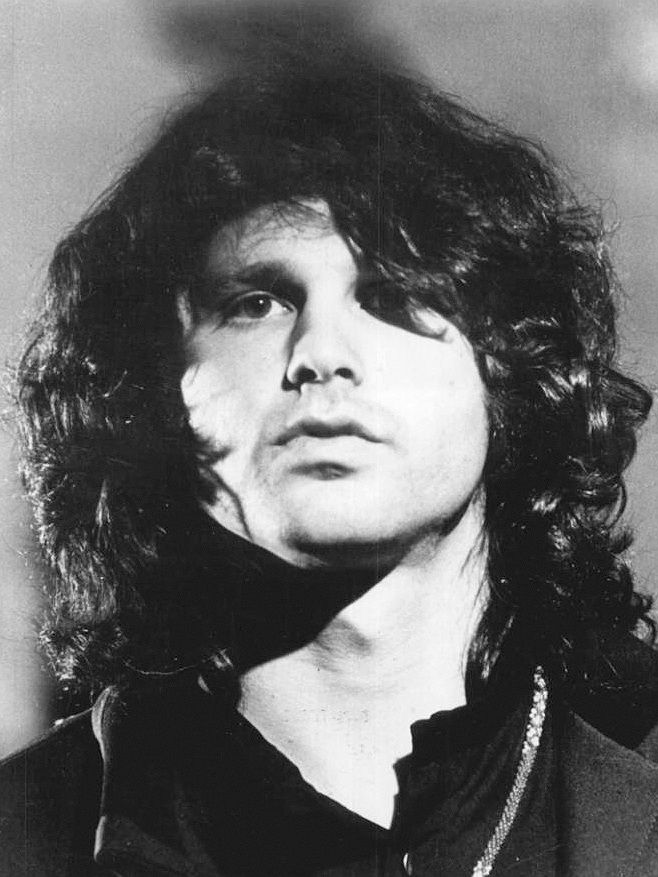
Morrison's music always carried a sense of impending doom. The Doors relied on Ray Manzek's hypnotic, swirling Vox Continental organ to create a sense of tension. This sound, paired with Robby Krieger's bluesy guitar, provided the perfect backdrop for Morrison's baritone growls and whispered incantations. It was music designed for the dark, for the late-night hours when the boundaries of reality began to blur.
The news of his death in Paris sent shockwaves through the American and European rock scenes. It wasn't just the loss of a singer; it was the loss of a mythic figure. Morrison built a persona that was larger than life, a character that seemed to even exist between the worlds of literature and rock and roll. When that persona died in a bathtub, the myth felt broken, leaving behind only the heavy, melancholic reality of a life cut short.
The Doors' music during this period became increasingly heavy and fragmented. You can hear the tension in tracks like "The End," where the structure collapses into a chaotic, psychedelic breakdown. This musical disintegration mirrored the personal disintegration of Morrison himself. The band struggled to maintain the cohesion that had made them legends, as the weight of Morrison's lifestyle began to crush the group's creative output.
Paris in 1971 was a city of ghosts, and Morrison became its most famous resident. His death solidified the idea that the 27 Club was not just a string of accidents but a pattern of destruction. The sheer density of legendary deaths in such a short window - Jones, Hendrix, Joplin, and now Morrison - made it impossible for anyone in the industry to ignore the pattern. The music was becoming a graveyard.
Seattle, 1994: The Unplugged Ghost
Seattle changed the sound of rock in the early nineties, replacing the hair metal excess with something much more visceral and stripped-back. On April 5, 1994, Kurt Cobain died in his home in Washington. A shotgun lay near his body, and the news effectively ended the era of grunge dominance. Cobain was the reluctant king of a generation, a man whose voice carried the angst and the apathy of a million teenagers.

The 1994 release of Nirvana's "MTV Unplugged in New York" serves as a haunting sonic precursor to Cobain's death. Recorded at Sony Music Studios in New York City, the performance stripped away the distortion and left only the raw, aching core of the songs. The arrangement of "Where Did You Sleep Last Night" features a vocal crack that sounds like a physical wound. It is a record that feels like it is mourning its own creator even as it plays.
Cobain's struggle with addiction and depression was no secret to his fans or the press. In a 1994 interview with Rolling Stone, he spoke about the crushing weight of his own existence. He didn't hide the pain, but he also didn't offer any easy solutions. The music of Nirvana, particularly on the "Nevermind" and "In Utero" albums, captured this struggle through heavy, sludge-filled riffs and melodic, yet deeply unsettling, vocal melodies.
The Seattle sound relied on a specific kind of sonic tension. It used the dynamics of quiet-loud-quiet to manipulate the listener's emotions. This wasn't the polished, radio-friendly grunge of the mainstream; it was a jagged, uncomfortable sound that demanded attention. When Cobain died, that tension had nowhere to go. The movement lost its center, leaving behind a vacuum that many other bands tried, and failed, to fill.
The death of Cobain brought the 27 Club legend into the modern era. It proved that the pattern could cross decades and continents. The grunge movement, which had been so much about authenticity and raw emotion, suddenly felt like a tragedy caught in a loop. The shotgun found in his home became a grim symbol of the era's internal struggles, a physical manifestation of the darkness that had long been present in the music.
Camden, 2011: The Final Note
Camden, London, remained a hub for musical rebellion long after the psychedelic era faded. On July 23, 2011, Amy Winehouse died in her home, a victim of alcohol poisoning. Her death followed a period of heavy drinking that had become a central part of her public narrative. Like the artists before her, Winehouse possessed a talent that felt ancient, a soulful, jazz-inflected voice that seemed to carry the weight of decades of hardship.
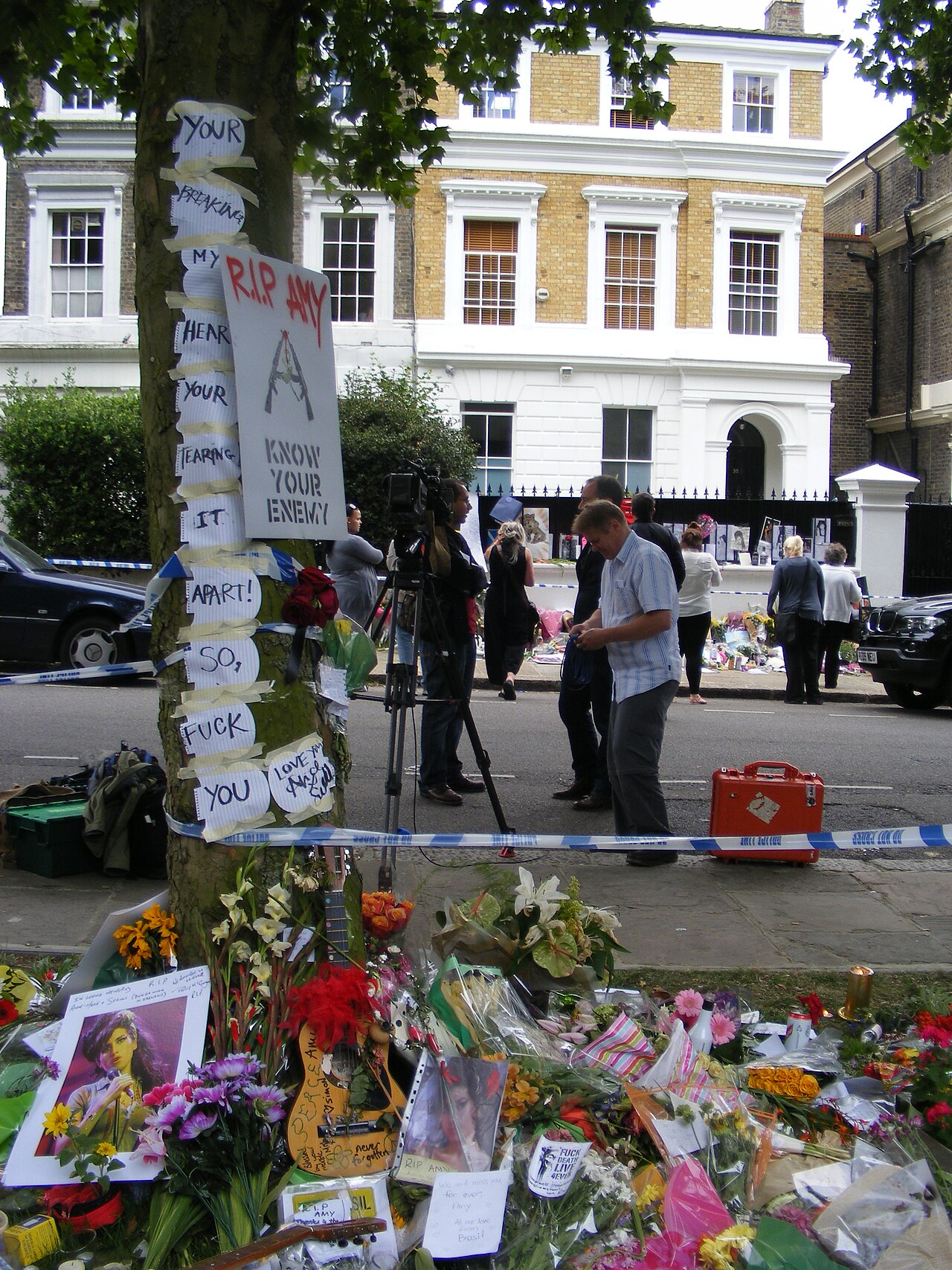
Winehouse's music, particularly on the album "Back to Black," blended 1960s girl-group aesthetics with modern, gritty soul. The production, handled by Mark Ronson and Salaam Remi, used sharp, snapping drums and bright brass to contrast with her wounded, emotive delivery. You could hear the heartbreak in every note of "Rehab," a song that served as both a plea and a warning. She was an artist who lived her life on the surface of her songs.
The London scene in the 2010s was vastly different from the 1960s, but the pull of certain neighborhoods like Camden remained. The pubs and clubs where she had honed her craft were still there, but the culture had shifted toward a much more polished, digital reality. Her death felt like a regression, a sudden return to the visceral, tragic tropes of the 27 Club. It was a reminder that the human element of music remains vulnerable to the same pressures.
The tragedy of Amy Winehouse was the tragedy of visibility. Every mistake, every stumble, and every moment of vulnerability was broadcast to a global audience in real-time. The pressure to perform her pain became an impossible burden. Her voice, which could move from a playful truncheon to a deep, mournful growl, was a singular instrument that the world was not prepared to lose.
Her death in Camden brought the cycle full circle, returning the tragedy to the same London streets where Brian Jones had died decades earlier. The connection felt too strong to be ignored. The industry mourned a voice that had revitalified soul music, but they also mourned the loss of a person who seemed trapped by the very fame she had achieved. The pattern of the 27 Club had found a new, modern vessel.
The Myth vs. The Math
Statistics from the 2010s suggest that the "27 Club" phenomenon does not hold up under broad longitudinal study of all musicians. If you look at the sheer volume of legendary artists who lived into their 70s and 80s, the math doesn't support a supernatural curse. David Bowie, Mick Jagger, and Paul McCartney all survived their youth to become elder statesmen of the genre. The "club" is a selection of the most famous, most tragic examples, not a statistical certainty.
The myth persists because it makes for a great story. It provides a narrative arc for the concept of the tortured artist, suggesting that greatness and self-destruction are inextricably linked. We want to believe in the tragedy because it lends a certain weight to the music. It makes the listening experience feel more significant, as if we are participating in a shared, doomed ritual.
Reality is much more mundane and much more widespread. The deaths in the 27 Club are often the result of specific, identifiable pressures: the intense scrutiny of fame, the ease of access to substances, and the lack of support systems in a highly competitive industry. It isn't a cosmic alignment of ages; it is a failure of the environment surrounding the artist. The tragedy lies in the preventable nature of these losses.
We focus on the number twenty-seven because it provides a convenient anchor for our grief. It allows us to group disparate tragedies into a single, digestible concept. But the true story is found in the lives of the survivors, the artists who navigated the same pressures and emerged with their lives and their music intact. The myth obscures the actual struggle of being a musician in a world that often rewards excess over stability.
The 27 Club remains a powerful piece of rock folklore. It haunts our playlists and colors our perception of the greats. Whether or not the math supports it, the emotional resonance of these deaths is undeniable. We listen to "Unplugged" or "Back to Black" and we feel the presence of the departed. The music lives on, even when the artists cannot.