Ten Tracks Everyone Knows But Nobody Can Name
London, April 1997. A sudden, drunken roar erupted from the speakers of a crowded club. Chumbawamba blasted "Tubthumping" across the airwaves, and the song refused to die even as it climbed to number one on the UK Singles Chart.
You recognize that brassy, shouting melody instantly. You hum the chorus while washing dishes or sitting in traffic. Yet, if a stranger asks you the artist's name, your mind hits a blank wall. This phenomenon defines a specific type of pop stardom, creating tracks everyone knows but nobody can name.
The brain functions like a faulty hard drive. It stores the melody, the rhythm, and the visceral feeling of a song, but it discards the metadata. We remember the way a bassline vibrates in our solar plexus, but we forget the person behind the microphone. It is a strange, collective glitch in our musical memory. We hum tunes from decades ago without a single clue who actually recorded them.
This mental error happens most often with songs that belong to the background of our lives. These tracks play in supermarkets, during cinematic montages, or at wedding receptions. They become part of the furniture of modern existence. They are everywhere, yet they remain anonymous. We inhabit a world of familiar sounds that lack a face or a name.
The Great Musical Amnesia
A pub in Soho, 1985. A group of teenagers sits around a jukebox, waiting for a specific beat to drop. When the needle hits the vinyl, every head nods in unison. They do not need to know the band's name to feel the energy. The melody takes root in the subconscious long before the artist's name enters the conscious mind.
Katrina and the Waves achieved this exact feat with "Walking on Sunshine." Released in 19 even 1985 on their self-titled album, the track carries a bright, brassy punch that feels like a sudden burst of sunlight. The horns hit with a sharp, rhythmic precision that demands movement. You recognize that upbeat tempo the second the first drum hit lands. Most people struggle to identify the singer or the band without a prompt.
London studios gave the track its crisp, percussive edge. The brass section cuts through the mix with a bright, biting texture. It sounds like pure, unadulterated joy. This joy is so universal that the identity of the performers becomes secondary to the feeling of the song itself. The song exists as a pure emotion rather than a piece of discography.
Los Del Rio mastered this anonymity in the mid-nineties. In August 1996, the Bayside Boys version of "Macarena" sat at number one on the US Billboard Hot 100. The song triggered a global dance craze that required nothing more than a specific set of arm movements. People danced in classrooms, offices, and wedding halls. They danced to a beat they could not name, driven by a rhythmic loop that felt strangely ubiquitous.
The 1993 production relied on a driving, repetitive percussion loop. It creates a hypnotic effect that bypasses the need for lyrical depth. The song is a rhythmic command. It tells your body how to even process the title. This is the peak of the nameless hit, a song so pervasive that the artist becomes a mere footnote to the dance move.
"I get knocked down, but I get up again, you are never gonna keep me down."
Chumbawamba's "Tubthumping" uses this exact blunt force. The lyrics act as a repetitive mantra. They provide a sense of resilience that anyone can adopt. The song does not ask for your respect; it demands your participation. It is a pub anthem that lives in the throat of every listener, regardless of their knowledge of the UK indie scene of the late nineties.
The Synth Hooks of the 1980s
A Roland JX-8P synthesizer hums in a studio in 1986. This specific piece of gear produces a cold, bright, and unmistakable tone. It provides the foundation for Europe's "The Final Countdown." The opening riff is one of the most recognizable sequences in rock history. It sounds like a herald from a digital age, heavy with drama and metallic sheen.
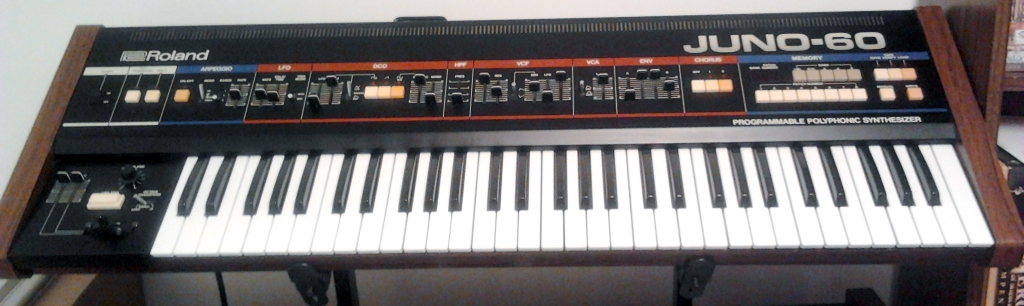
The riff carries a certain weight, a grandiosity that feels larger than life. It is not a subtle melody. It is a sonic announcement. When that keyboard line begins, the room changes. You know exactly which song is playing, even if you cannot recall the album title or the band's origin. The synth tone acts as the primary identifier here, far more so than the vocals or the lyrics.
A-ha used a different tool to achieve a similar level of recognition. The Yamaha DX7, an FM synthesis powerhouse, provided the melodic hook for "Take On Me" in 1985. The song's high-pitched, crystalline melody feels like light reflecting off broken glass. It is sharp, bright, and impossible to ignore. The DX7's ability to produce those bell-like, percussive tones made the track an instant earworm.
The production on the album Hunting High and Low emphasizes these digital textures. The drums sound tight and processed, typical of the mid-eighties era. Every note from the DX7 sits prominently in the mix. This clarity ensures that the melody stays lodged in your particular brain. You hear the hook and immediately think of the music video, yet the name "A-ha" often slips the mind in the heat of the eternal moment.
Men Without Hats entered this arena in 1982 with "The Safety Dance." The track, from the album One Good Turn, reached number four on the Billboard Hot 100. It features a bouncy, synth-driven rhythm that feels both playful and slightly strange. The melody has a folk-like simplicity, yet it is wrapped in the plastic, electronic sheen of the early eighties.
The song relies on a repetitive, driving synth line that mimics a medieval dance. It is a bizarre fusion of genres that somehow works perfectly. The production is thick with layered synthesizers that create a wall of bright, and melodic sound. It is a song that triggers an immediate physical response, even if the artist's name remains a mystery to the casual listener.
Disco Basslines and Dancefloor Anthem Imprints
New York City, 1978. Studio 54 pulses with the heat of a thousand bodies. The air smells of expensive perfume and sweat. Earth, Wind & Fire's "September" drifts through the crowd, driven by a bassline that feels like a heartbeat. The groove is deep, infectious, and rhythmically complex. It pulls people toward the dancefloor with an irresistible gravity.

Al McKay's guitar work on the track adds a rhythmic scratch that complements the heavy bass. The song, appearing on the album Night Fever, is a masterpiece of disco-funk production. It features a warmth that many later disco tracks lacked. The percussion is crisp, and the horn arrangements are lush. You feel the groove in your pulse before you even realize which song is playing.
The Village People utilized a different kind of rhythmic power in 1978. "Y.M.C.A." features a heavy, thumping disco bassline that Jacques Morali produced at Jack Gold Studios. The song is built on a foundation of simple, driving rhythm. It is a command to move. The bassline provides a steady, unwavering pulse that supports the anthemic, shouting vocals.
The production is straightforward and loud. It does not rely on subtle textures. Instead, it uses heavy, rhythmic accents to drive the point home. The song is a staple of every celebratory event, yet the specific details of the Village People's disco-era production often escape the average fan. We remember the letters we make with our arms, not the studio where the bass was tracked.
Disco and funk of this era relied on the physical impact of the low end. A well-produces bassline does not just sit in the mix; it moves the air. It hits the listener in the heavy part of the chest. When a track like "September" plays, the low frequencies act as a physical anchor for the melody. This physical connection is why the melody remains, even when the artist's name fades.
The Unstoppable 90s Earworms
The nineties brought a shift toward more polished, radio-friendly pop hooks. These tracks were designed for maximum saturation. Producers understood how to layer sounds to ensure they would stick to the listener's brain. They used repetitive structures and high-frequency melodies that cut through the noise of a busy radio station.
Chumbawamba's "Tubthumping" remains the gold standard for this approach. The song's structure is incredibly simple, built around a repetitive, chanting chorus. The brass elements provide a bright, loud signal that is impossible to miss. It is a song that works in a noisy bar just as well as it works on a quiet radio broadcast. The sheer volume of the hook ensures its survival in our memory.
The 1996 resurgence of "Macarena" demonstrated the power of a well-timed remix. The Bayside Boys version took an existing Latin melody and injected it with a pop-dance sensibility. The result was a number one hit on the US Billboard Hot 100. The track relies on a loop that is rhythmically hypnotic. It does not need complex lyrics to maintain its grip on the listener.
This era of pop focused on the hook. The production often stripped away the complexity of the original versions to focus on the most recognizable elements. Producers amplified the drums and sharpened the melodies. This made the songs perfect for the burgeoning era of handheld radio and television-driven music trends. The songs became shorter, punchier, and more reliant on instant recognition.
The Power of the Cinematic Theme
A movie theater in 1984. The lights dim, the screen glows, and a familiar, upbeat theme begins to play. Ray Parker Jr.'s "Ghostbusters" fills the room. The track peaked at number one on the US Billboard Hot 100 and earned an Academy Award nomination for Best Original Song. It is a piece of music that is inseparable from the visual imagery of the film.

The song features a driving, funk-inspired rhythm that matches the energy of the movie. The synthesized elements are bright and slightly cartoonish, perfectly complementing the supernatural comedy. It is a masterclass in thematic songwriting. The music tells you exactly what the movie is about before a single line of dialogue is spoken. The hook is a direct extension of the film's personality.
Survivor's "Eye of the Tiger" performs a similar feat for the sports montage. Produced by Al Kooper for the 1982 album Eye of the Tiger, the track hit number one on the Billboard Hot 100 in October 1982. The guitar riff is a rhythmic, percussive force. It sounds like a series of disciplined strikes. It provides the necessary tension and release for a scene of intense physical struggle.
The production is lean and aggressive. The drums hit with a dry, heavy impact. There is no unnecessary ornamentation. The song exists to drive a narrative of determination. When you hear that opening chord, you immediately think of training montages and sweat. The song has become a cultural shorthand for perseverance, even if the name Survivor remains secondary to the feeling of the music.
These tracks succeed because they are tied to a visual anchor. We do not just hear the song; we see the characters and the action. The music becomes part of the cinematic memory. This creates a dual layer of recognition. Even if the brain fails to retrieve the artist's name, the visual memory of the movie provides the necessary context to identify the tune.
Why Our Brains Forget the Title
Memory is a selective process. Our brains prioritize information that provides an emotional or physical response. A melody that makes us dance or a rhythm that makes us feel powerful is far more important than the name of the person who recorded it. We are wired to remember the sensation, not the data.
The titles of these songs often lack distinctiveness. "September," "Y.M.C.A.," and "Ghostbusters" are all common words or phrases. They do not stand out as unique identifiers in the way a name like "David Bowie" or "Prince" does. When we hear the song, we recognize the concept, but the specific label attached to it is lost in the shuffle of our daily lives.
The sheer volume of music we consume contributes to this amnesia. We encounter thousands of tracks through streaming, radio, and social media. The brain cannot possibly catalog every artist and album. It performs a sort of automatic compression. It keeps the "greatest hits" of our sensory experiences and discards the metadata to save space.
This lack of naming does not diminish the power of the music. In many ways, it enhances it. These tracks become universal. They belong to everyone because they are not tied to a specific persona or a complex backstory. They are pure, distilled musical moments that exist independently of the industry that produced them. They are the ghosts in our machines, humming along in the background of our lives.
We live in an era of infinite access, yet our recognition remains tethered to the primitive parts of our brain. We can look up any artist in seconds, but the initial spark of recognition is always purely visceral. We hear the riff, we feel the beat, and we know. The name is just a detail we can look up later.