Spy Signals on Vinyl: The Music of Numbers Stations
Radio Sweden (SR) broadcast a high-pitched, repetitive melody across the shortwave bands for decades. Listeners often caught a nursery rhyme that felt entirely out of place amidst the cold tension of the 20th century. Intelligence agencies knew this signal as the Swedish Rhapsody. The station used a simple, sing-song tune to mask the transmission of encrypted data. It sounds like a broken music box playing in an empty nursery. The melody carries a sharp, piercing quality that cuts through heavy atmospheric static.
The 1970s BBC Radio 4 series "The Mystery of the Numbers Stations" first brought these eerie broadcasts to a wider audience. The program documented how these signals functioned as one-hungry communication tools for spies. Agents sat in dark apartments with cheap transistor radios, waiting for a specific tune to signal a new set of instructions. The show described how the phonetic alphabet accompanied the melody to ensure accuracy during transmission. This era of espionage relied on the physical properties of radio waves to bypass traditional interception methods.
Numbers stations music provides a specific kind of dread that modern digital production struggles to replicate. The sound relies on the degradation of the signal itself. You hear the hiss of the ionosphere and the rhythmic pulse of solar interference. It is not just about the melody or the voice. It is about the way the signal struggles to exist against the weight of the universe. This tension creates a foundation for some of the most unsettling experimental music of the last twenty years.
The Ghostly Melody of the Swedish Rhapsody
Radio Sweden operated the AFX station with a precision that terrified casual listeners. The high-pitched melody remains one of the most recognizable audio artifacts in the history of signals intelligence. It does not feel like a broadcast intended for public consumption. Instead, it feels like a secret being whispered through a mouthful of gravel. The notes are stark and lonely. They possess a clinical, repetitive nature that suggests an automated, uncorrupted source.

The Swedish Rhapsody utilized a specific, looping structure to facilitate the transmission of coded data. Listeners would hear the tune, followed by a series of numbers read in a flat, monotone voice. This process stripped the human element from the communication. The voice became just another component of the machine. It lacked inflection or warmth. This mechanical delivery turned the human voice into a mere data point within a larger, invisible network.
Listeners often experienced a profound sense of isolation when intercepting these signals. The frequency drifts in and out of range as the Earth rotates. You might catch three seconds of a melody before the signal vanishes into a sea of white noise. This intermittent presence makes the music feel like a ghost haunting the airwaves. It exists only briefly before retreating back into the darkness of the electromagnetic spectrum.
The 2014 release "Numbers Station" by the producer and sound designer known as The Mystery of the Numbers Station leans heavily into this sense of dread. The artist uses field recordings of various signals, such as the V07 station, to construct a cinematic atmosphere. The tracks do not just play the sounds; they inhabit the many spaces around them. The production uses silence as a weapon. Every crackle of static feels like a physical intrusion into the listener's quiet space.
V07 was a known part of the GRU communications network during the late 20th century. Its presence on the airwaves signaled the reach of Russian Military Intelligence. The sounds associated with this station are cold and metallic. They lack the organic textures found in traditional ambient music. When you listen to these recordings, you are not just hearing music. You are eavesdropping on the machinery of global conflict.
The Buzz of the Cold War's UVB-76
Russia has broadcast a continuous, monotonous buzzing sound since at least the late 1970s. This station, known as UVB-76 or "The Buzzer," dominates the shortwave bands with its relentless, rhythmic drone. It sounds like a large, industrial transformer struggling under an immense load. There is no melody here. There is only the crushing weight of a persistent, low-frequency hum that refuses to die.
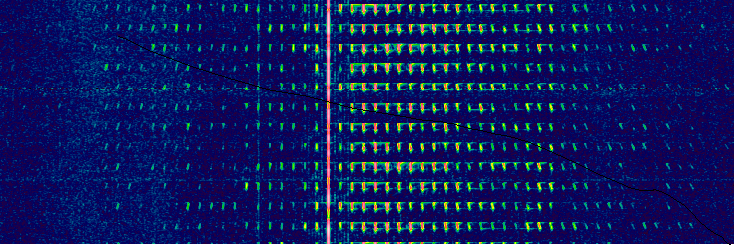
Industrial and noise musicians use UVB-76 as a primary sonic reference point. The station provides a template for recreating the sound of Cold War-era surveillance. It lacks the rhythmic complexity of a drum machine. Instead, it offers a static, unmoving wall of an audio mass. This texture provides a perfect foundation for artists looking to explore themes of decay and state control. The buzz feels like a physical presence in the room.
The sound of the buzzer changes slightly depending on the time of day and atmospheric conditions. Sometimes the drone thins out, revealing a sharp, electrical clicking. Other times, it swells into a dense, suffocating mass of low-end frequencies. This instability makes it a living, breathing entity. It is not a loop. It is a real-time manifestation of electronic interference and signal degradation.
Musicians in the noise genre attempt to replicate this mechanical fatigue. They use heavy distortion and feedback to mimic the way a signal breaks apart. The goal is to achieve a single sense of structural collapse. The music should sound like it is falling apart even as it plays. This mimicry of the UVB-76 signal allows artists to tap into a specific type of technological anxiety. It is the sound of a system that is both permanent and breaking.
The sheer persistence of the buzzer creates an unsettling psychological effect. It is a sound that you cannot ignore. It sits in the back of the mind like a low-grade fever. In a musical context, this translates to a sense of inescapable tension. There is no resolution in the buzzer. There is only the ongoing, rhythmic pulse of a machine that never sleeps.
From Espionage to the Vaporwave Aesthetic
Vaporwave artists find a strange comfort in the low-fidelity quality of shortwave radio. This genre relies on the degraded, lo-tfi textures of the past to create a sense of nostalgic longing. The "Eerie" aesthetic often found in vaporwave and dreampop relies on these exact textures. It is a deliberate rejection of high-definition, digital perfection. The music thrives in the blur of the signal.
The artist 2814 utilizes heavy reverb and lo-fi textures to mimic the atmosphere of shortwave radio interference. On the 2016 album "Birth of a New Morning," released on the Dream Catalogue label, the production feels submerged. It sounds as if the music is being broadcast from a distant, submerged city. The tracks are thick with hiss and the sound of drifting frequencies. This technique creates a dreamlike, liminal space for the listener.
The 2015 work by 281 further embeds these shortwave elements into the track production. The artist uses the sound of drifting signals to suggest a sense of displacement. The music does not feel grounded in a specific time or place. Instead, it floats in a state of permanent transition. This mirrors the way a radio signal moves through the ionosphere, caught between different layers of the atmosphere.
The aesthetic of vaporwave is inherently tied to the idea of the "found object." Producers take existing, degraded audio and re-contextualize it. By using the sounds of numbers stations, they bring a sense of historical weight to the genre. They are not just playing loops. They are playing the ghosts of the 20th century. This connection to the past provides the genre with its characteristic sense of melancholy.
This style of production requires a delicate touch. Too much noise and the melody disappears. Too little and the sense of antiquity vanishes. The most successful tracks balance the two. They allow the musician to hear the underlying musical structure through a thick layer of electronic debris. It is a process of excavation, pulling melodies out of the static.
The Conet Kid and the Art of the Intercept
The Conet Kid treats the shortwave spectrum like a hunting ground. This drone and dark ambient project does not just compose music; he captures it. His 2018 album "The Numbers Station" serves as a masterclass in the art of the sonic intercept. The project specifically samples real-world recordings of intercepted shortwave broadcasts. These are not recreations. They are the actual, raw signals captured from the airwaves.
The album includes the "Lincolnshire Poacher" signal, a famous broadcast that utilized a traditional English folk tune. This signal was used to transmit encrypted messages to sleeper agents. The Conet Kid strips away the context of espionage and leaves only the sonic residue. The folk tune sounds strange and out of place when surrounded by layers of dark, ambient drones. It becomes an artifact of a lost era of communication.
"The Lincolnshire Poacher is a ghost in the machine, a folk song turned into a weapon of shadows."
The production on "The Numbers Station" is sparse and cold. The artist uses the natural gaps in the signal to create rhythm. The silence between the intercepted fragments is just as important as the sounds themselves. It creates a sense of immense, empty space. The listener feels as a though they are sitting in a dark room, alone with a radio, waiting for something to happen.
This approach to sampling differs significantly from traditional plunderphonics. The Conet Kid does not use recognizable pop songs. He uses the sounds of state-sponsored secrecy. This choice forces the listener to confront the reality of the source material. You cannot ignore the fact that these sounds were once used to coordinate clandestine operations. The music carries an inherent political weight.
The Conet Kid captures the physical sensation of tuning a radio dial. You can hear the sudden jumps in frequency and the momentary bursts of clarity. This movement creates a sense of instability. The music is never settled. It is always searching, always drifting, much like the signals it seeks to document.
Burial and the Ghostly Fragments of Radio
London producer Burial creates music that sounds like it was found in a skip. His production style is defined by a sense of urban decay and nocturnal isolation. The 2020 album "Signals" uses the sound of crackling vinyl and distant, distorted radio fragments to evoke a specific feeling. It is the sound of an intercepted, ghostly transmission from a lost era. The music feels like a memory that is slowly fading away.

Burial's use of radio fragments is not merely atmospheric. He uses them as structural elements. The distorted voices and broken melodies act as rhythmic anchors. They provide a sense of familiarity within the chaos of the production. The listener recognizes the human element even when it is buried under layers of crackle and hiss. This creates a profound sense of connection to a fragmented past.
The tracks on "Signals" feel as though they are being broadcast from a different dimension. The percussion is muffled and heavy, like a heartbeat heard through a wall. The radio fragments drift in and out of the mix, appearing and disappearing like ghosts. There is no sense of a stable, present moment. The music exists entirely in the space between the signal and the noise.
This technique requires an incredible level of detail in the mixing process. The engineer must ensure that the radio fragments do not overwhelm the musical elements. They must sit within the texture, rather than on top of it. When done correctly, the fragments become part of the instrument. The radio is not just a source of sound; it is a part of the composition's very DNA.
Burial's work taps into a universal feeling of loneliness. We have all experienced the sensation of hearing a distant voice on a radio and wondering who is on the other end. By utilizing these fragments, he amplifies that sense of isolation. The music becomes a medium for communicating with the ghosts of the city.
The Glitch and Noise of the Madman Station
The "Madman" station provided a terrifying template for the glitch and noise genres. This station broadcasted erratic, high-pitched tones and strange, non-linguistic vocalizations. It lacked the predictable structure of the Swedish Rhapsody. There was no melody to hold onto. Instead, it offered a stream of sonic chaos that felt completely unpredictable and deeply unsettling.
Labels like Mille Plateaux found inspiration in this type of structural breakdown. The genre of glitch music focuses on the aesthetics of failure. It celebrates the moment when a digital system breaks down and produces unintended sounds. The "Madman" station provided a real-world example of this failure. The sounds it produced were the sounds of a system losing control.
Glitch artists use granular synthesis to break sounds into tiny, microscopic fragments. They then reassemble these fragments into new, complex patterns. This process mimics the erratic nature of the "Madman" station. The music is built on the idea of the error. It turns the mistake into the main event. This creates a texture that is both highly technical and deeply organic.
The noise music community also draws heavily from these erratic signals. The goal is often to achieve a wall of sound that challenges the listener's endurance. The unpredictable nature of the "Madman" station provides a perfect blueprint for this. It is a music of aggression and instability. It rejects the concept of a comfortable, predictable rhythm.
Listening to these genres feels like being caught in a digital storm. The sounds hit with a sudden, jarring intensity. There is no way to prepare for the next sonic assault. This lack of predictability creates a state of constant alertness. It is a demanding way to listen to music, but it is also a deeply immersive one.
The legacy of these numbers stations lives on in every distorted synth line and every layer of vinyl hiss. We may no longer use shortwave radio to coordinate global espionage, but the sonic language of that era remains. It is a language of shadows, secrecy, and decay. It is a language that continues to haunt the edges of modern music.