Mozart's Final Requiem: The Mystery of the Masked Stranger
Vienna shivered under a gray sky on December 5, 1791. Rain slicked the cobblestones near the Stephansdom. Inside a modest apartment, Wolfgang Amadeus Mozart drew his final, labored breaths. A sudden, violent illness left the composer unable to sit upright. His body failed him just as his pen reached the edge of the parchment. Rumors regarding a mysterious Mozart Requiem masked stranger began to swirl through the coffee houses almost immediately.
Death ignores unfinished symphonies. Medical records from that winter suggest a fever ravaged his entire system. His death left a void in the Viennese musical scene that no single performer could fill. The city lost its most prolific genius at the height of his creative powers. The loss sent shockwaves through every concert hall from the suburbs to the imperial palace.
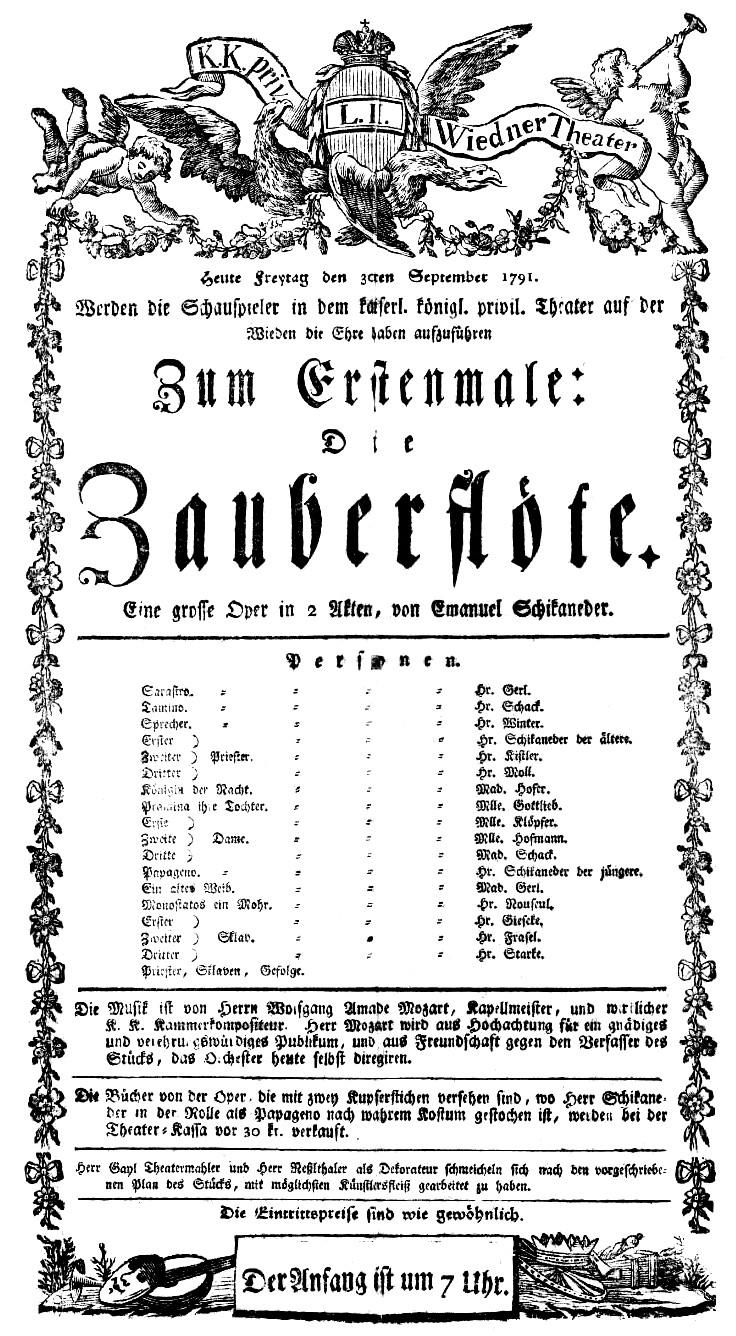
Historians still debate the exact cause of his sudden decline. Some point to rheumatic fever or kidney failure. Others suggest the physical toll of intense late-night composing sessions. He spent his final months working feverishly on the opera Die Zauberflöte. That production premiered only months earlier in September 1791 at the Freihaus-Theater auf der Wieden. The energy required for such a massive theatrical undertaking likely drained his remaining strength.
The air in Vienna felt heavy with the weight of the late Classical era. Joseph Haydn produced symphonies that defined the structural perfection of the age. Mozart moved toward something much darker and more personal. He no longer wrote just for the court or the church. He wrote for the grave.
Vienna, December 1791 and the Death of a Genius
December 1791 arrived with a sense of profound dread. Mozart's studio sat cluttered with ink-stained manuscripts and discarded drafts of The Magic Flute. The composer lived in a state of constant creative motion. He rarely allowed himself a moment of stillness. This frantic pace likely contributed to the physical collapse that took him so suddenly.
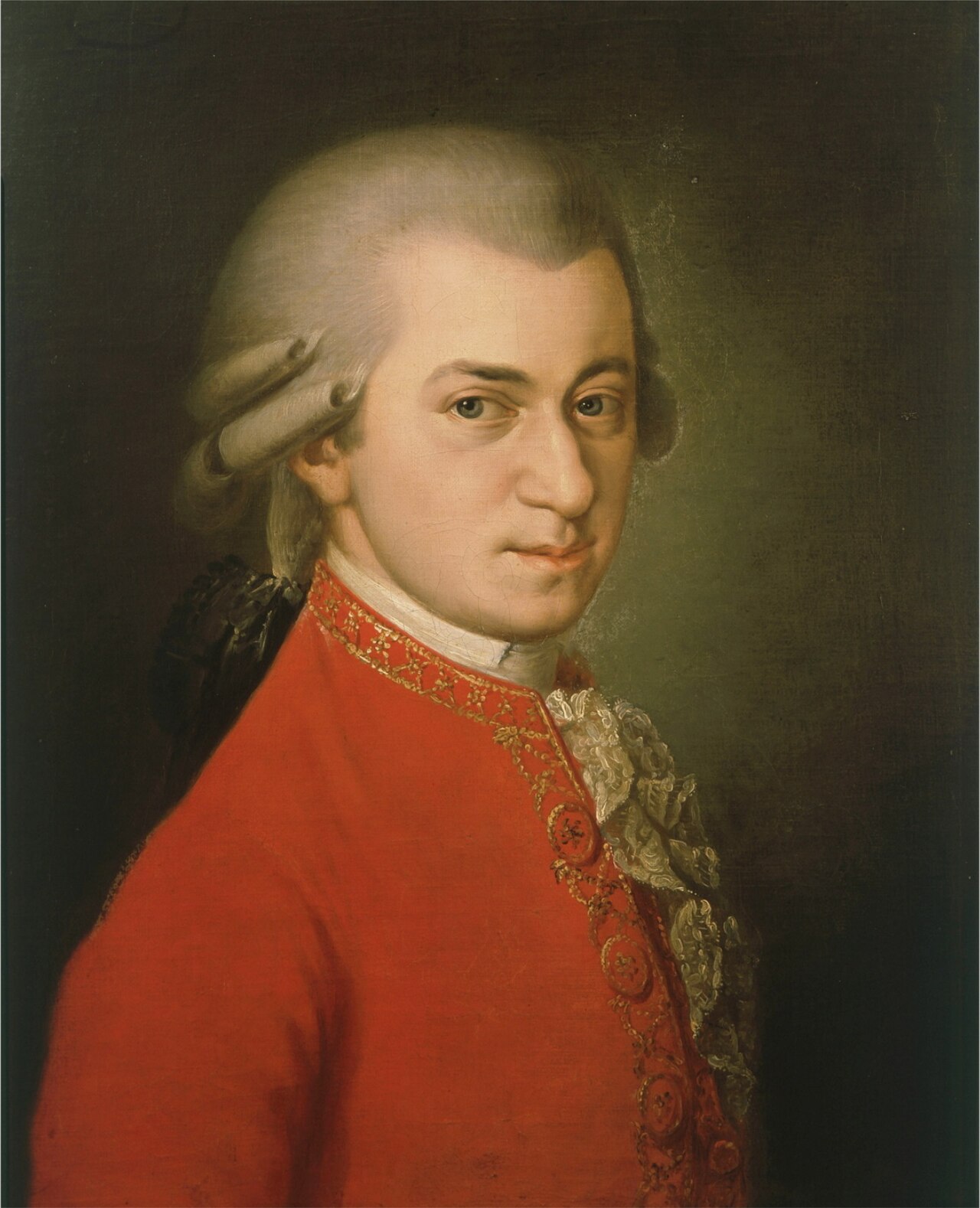
Vienna functioned as a dense network of musical gossip and high-stakes patronage. News traveled fast through the salons of the aristocracy and the taverns of the commoners. When the news of Mozart's passing broke, the city stopped. The bells of the cathedral rang with a particular, mournful frequency. Everyone knew that the greatest musical mind of the century had vanished.
The musical climate of 1791 remained dominated by the formal elegance of the era. You could hear the influence of Haydn in every string quartet played in the city's concert halls. Yet, Mozart had begun to break those very molds. He experimented with much more daring harmonic shifts and deeper emotional textures. His late works possessed a gravity that his contemporaries found unsettling.
The Requiem in D minor, K. 626, stood at the center of this storm. It was a work that felt heavy, even in its unfinished state. The music did not just float; it pressed down on the listener. It carried the weight of mortality in every low-register note.
Musicians in the city whispered about the strange nature of his final commission. They spoke of a mysterious figure who had approached the composer's camp. This figure did not show his face. He did not offer his name. He only offered a massive sum of money for a mass for the dead.
The Shadow of the Mozart Requiem Masked Stranger
Count Franz von Walsegg lived in the shadows of the Viennese aristocracy. He was a man who enjoyed the prestige of being a hungry patron without the social burden of being seen. Walsegg frequently commissioned works under a veil of anonymity to avoid the appearance of vanity. He wanted the music to belong to the donor, not the man. This habit created a perfect breeding ground for the legends surrounding the Mozart Requiem masked stranger.

Historians often point to Walsegg as the man behind the mysterious letters. He used intermediaries to communicate his desires to the Mozart household. This layer of separation allowed him to hide his identity behind a curtain of vague instructions. The composer received a commission for a Requiem, but the source remained a ghost. This lack of transparency fueled the intense speculation that gripped the city.
The rumors grew darker than mere business secrets. Some believed the masked stranger was a personification of death itself. They saw the commission as a sinister omen. The idea that a stranger was paying for a funeral mass for a living man felt like a curse. It turned a standard business transaction into a Gothic horror story.
Walsegg's true intentions likely remained much more mundane. He simply wanted a beautiful piece of music for his private chapel. He wanted to extend his legacy through the works of the era's greatest composer. He did not realize that his secrecy would turn a piece of liturgical music into a legend of mystery. His anonymity stripped the commission of its human element and replaced it with a phantom.
The psychological impact on the Mozart family was immense. Living under the shadow of an unknown benefactor creates a sense of unease. Every letter from an anonymous source felt like a potential threat. The composer worked with a sense of urgency that bordered on desperation. He was writing for a ghost, and the ghost was paying him well.
A Race Against the Clock
September 1791 marked the premiere of Die Zauberflöte at the Freihaus-Theater auf der Wieden. Mozart poured every ounce of his remaining vitality into this opera. The production featured incredible stage effects and complex vocal lines. It was a massive undertaking that demanded total focus. He could not have been more exhausted.
The Requiem commission arrived during this peak of theatrical activity. Mozart had to balance the demands of a HE new opera with the requirements of a massive mass. He began sketching the Requiem in the summer of 1791. The pressure of the two projects created a frantic atmosphere in his study. He worked through the heat of the summer and into the biting chill of autumn.
Every note he wrote felt like a countdown. He was composing the music for his own end. The Requiem in D minor, K. 626, took on a self-referential quality. He was documenting his own mortality through the medium of sound. The speed of his writing increased as his health began to falter.
The orchestration for the Requiem shows a composer thinking about deep, sommanber tones. He utilized basset horns to add a hollow, mournful quality to the woodwind section. These low-register clarinets provide a texture that feels like a heavy fog. The sound sits in the throat of the orchestra. It does not sing; it mourns.
The deadline for the commission acted as an invisible, crushing weight. He had to deliver a complete work to an anonymous patron who was essentially a heavy shadow. There was no way to negotiate delays with a man who did not exist in the light. Mozart pushed his body past its limits to meet the demands of the score. He was running out of time and ink.
Constanze and the Seven Scudi
Constanze Mozart understood the grim reality of their financial situation. She was not just a grieving widow; she was a woman managing a crumbling estate. She took charge of the business negotiations regarding the commission. She knew that the payment of 7 scudi was vital for their survival. This was not a small sum, but it was a lifeline.
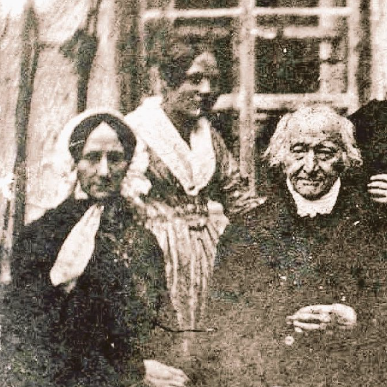
Constanze managed the complex world of Viennese commerce with surprising grit. She dealt with the intermediaries and the vague instructions from the anonymous source. She had to ensure that the work would be completed and paid for. Her role as a business manager was just as crucial as Mozart's role as a composer. She kept the lights on while the music died.
The financial records from the period show the sheer stress of their existence. The 7 scudi represented more than just a fee. It represented the hope of a future that was rapidly vanishing. Constanze fought to secure every penny of the promised amount. She understood that the completion of the Requiem tied directly to their very livelihood.
"The Requiem is not merely a piece of music; it is the final breath of a dying genius, captured in ink and sorrow."
She watched her husband struggle with the physical toll of his work. She saw the way the darkness of the Requiem seemed to seep into his very bones. Yet, she also saw the necessity of the work. The music had to exist, even if the man could not.
Her management of the estate after his death was equally intense. She faced creditors and collectors with a ferocity that mirrored her husband's musical talent. She preserved the manuscripts and the legacy of the Mozart name. Without her iron will, the story of the Requiem might have vanished into the archives of forgotten history.
The Lacrimosa and the Unfinished Score
The Lacrimosa movement contains the most heartbreaking evidence of Mozart's end. The score stops abruptly where his composing physically ceased. The notes simply end in the predicate of a phrase. It is a musical cliff edge. The silence that follows the final written note sounds more deafening than any orchestral crash.
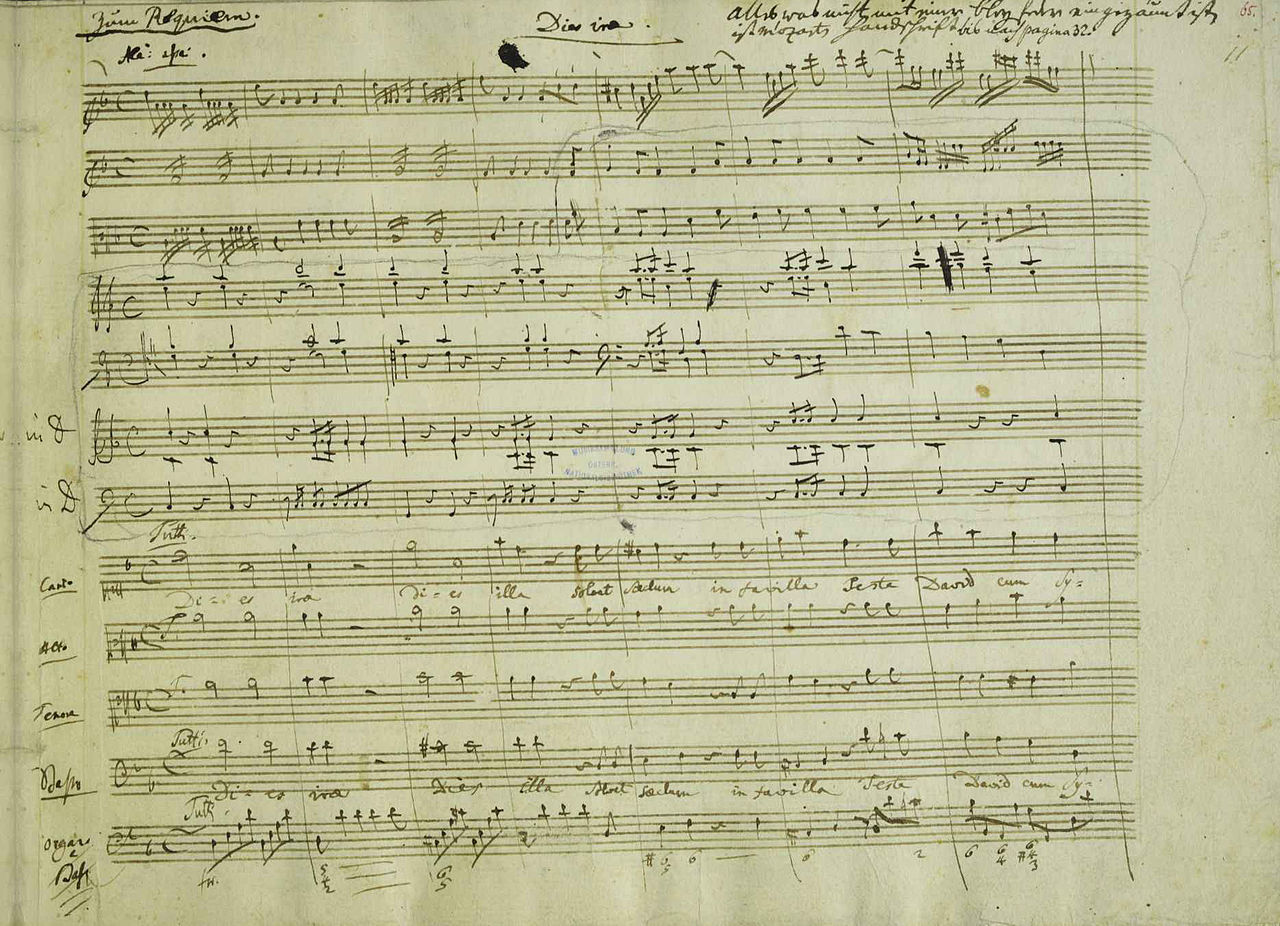
This movement serves as a literal map of his death. We can see exactly where his strength failed him. The music carries a weeping quality that is physically palpable. The strings move in descending figures that mimic the sound of falling tears. It is a heavy, dragging motion that pulls the listener toward the earth.
The orchestration in this section is masterfully bleak. The use of the basset horns creates a hollow, woody resonance. It sounds like something ancient and decaying. There is no brightness in the brass or the woodwinds. Everything is tuned to the frequency of grief.
The unfinished nature of the score adds a layer of haunting tension to every performance. When you hear the Lacrimosa, you are listening to a broken thought. You are hearing a conversation that was cut short by a massive silence. This interruption prevents the music from ever finding true resolution. It remains trapped in a single state of permanent mourning.
The structural integrity of the piece relies on the tension of what is missing. The gaps in the manuscript demand that the listener fill them with their own imagination. We are forced to confront the void left by the composer. The music does not just represent death; it embodies the very moment of passing.
The Legacy of Süssmayr's Completion
Francesco Xaver Süssmayr stepped into the vacuum left by Mozart's death. He was a pupil of Mozart and understood the composer's cryptic harmonic language. He took the fragments and the unfinished sketches and attempted to build a monument. He worked to complete the portions that Mozart had left behind. His task was both an honor and a heavy burden.
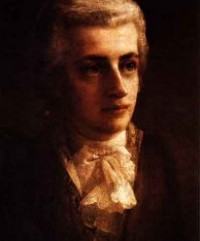
The completed score we hear today is a hybrid of two minds. Much of the structural work belongs to the completion efforts of Süssmayr. He had to make difficult decisions about how to resolve the themes Mozart had introduced. He had to decide how the orchestra should respond to the vocal lines. This was not a simple task of copying notes.
Some critics argue that Süssmayr's additions lack the profound depth of Mozart's original ideas. They claim the orchestration feels less cohesive in the later sections. They point to the way the textures change after the Lacrimosa. However, without Süssmayr, we would have nothing but a collection of broken melodies. He provided the closure that the music desperately needed.
The published score reached a world hungry for the final word of the master. The orchestration team worked to refine the printed version for wider circulation. This version became the standard for generations of performers. It allowed the Requiem to enter the permanent repertoire of the world's great orchestras.
Süssmayr's contribution remains a subject of intense debate in musicology. We cannot ignore the hand of the student in the work of the master. Yet, the core of the piece remains unmistakably Mozart. The DNA of the Requiem lives in those original, unfinished bars. The greatness of the work lies in the collision of Mozart's genius and Süssmayr's necessity.
The Requiem stands as a monument to both creation and loss. It is a piece of music that refuses to be forgotten. Whether you view it as a masterpiece of the late Classical style or a tragic accident of history, its power remains undimined. The notes continue to strike the heart with the same force they did in 1791.