Manson, The Beatles, and the White Album Delusion
Apple Records released the self-titled double album on November 22, 1968. This plain white sleeve carried no name or title. It sat on record store shelves like a blank slate. Fans gripped the heavy vinyl, unaware of the chaos brewing in the California desert. The Beatles no longer resembled the smiling boys from Ed Sullivan. They had become something fractured and strange, and the White Album provided the exact frequency for a cult leader's madness.
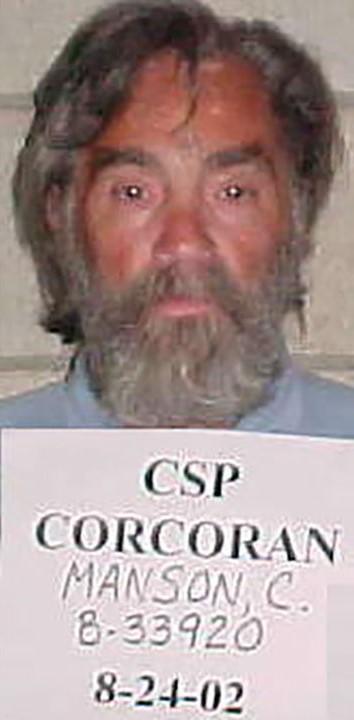
Charles Manson searched for meaning within the Spahn Ranch ranchlands of San Fernando Valley. He looked for patterns in the static of pop culture. He found them in the grooves of a double LP. The music provided a blueprint for a nightmare. It turned a pop masterpiece into a manual for murder.
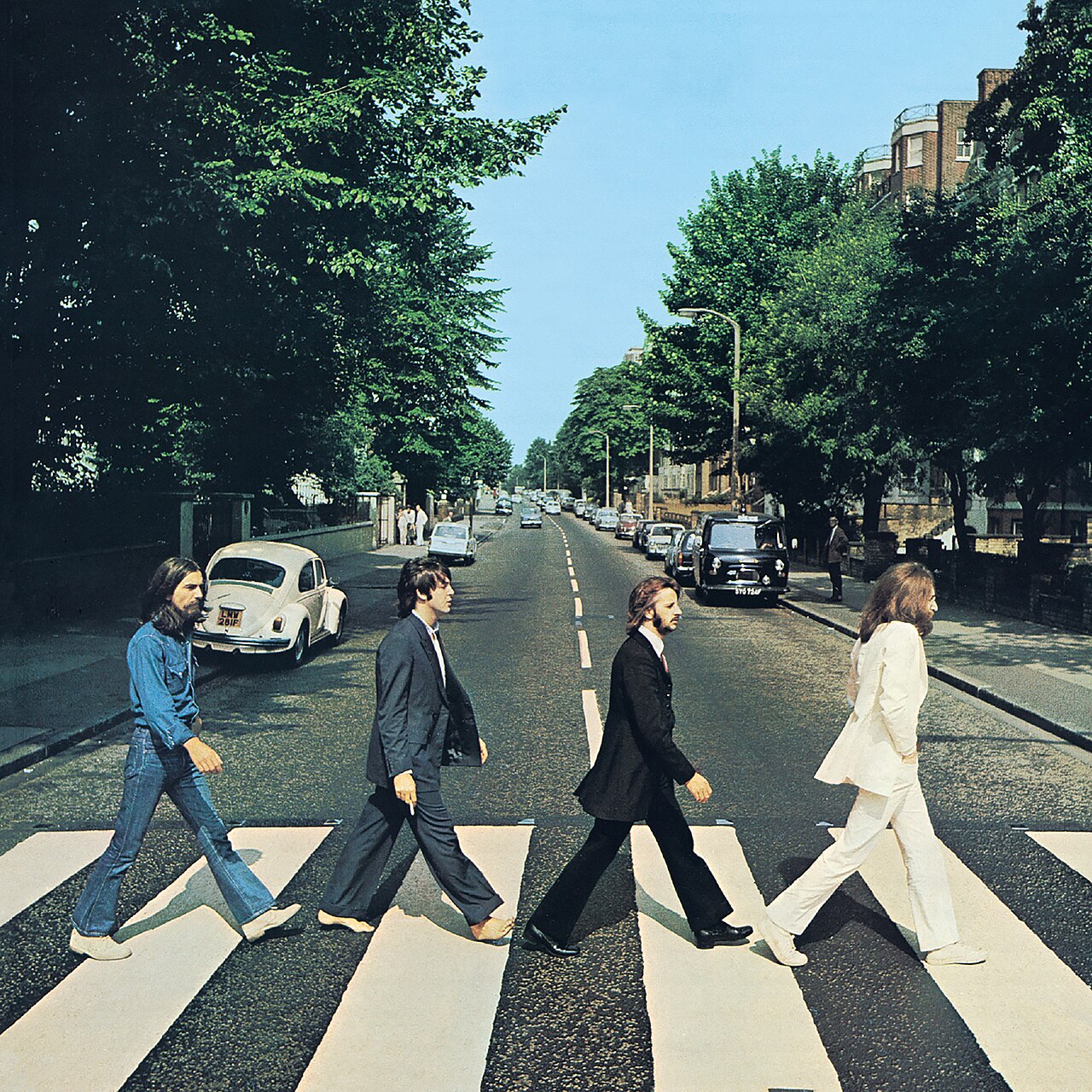
London studios like Abbey Road produced these tracks with precision. George Martin oversaw the sessions with clinical care. He captured the grit of heavy guitars and the hollow ring of drums. These sounds reached much further than the charts. They reached the ears of a man waiting for the world to burn.
The atmosphere of 1968 felt heavy and thick. The Vietnam War raged in the distance. The assassinations of Martin Luther King Jr. and Robert Kennedy shook the American psyche. Music reflected this tension through distortion and dissonance. The Beatles provided the soundtrack to a crumbling social order.
The Sonic Chaos of the White Album
November 22, 1968, marked a shift in rock history. The Beatles abandoned the polished melodies of Sgt. Pepper. They embraced a messy, unarmontured studio aesthetic. This album contained everything from folk ballads to heavy blues. It felt like a collection of scraps pulled from a wreckage.
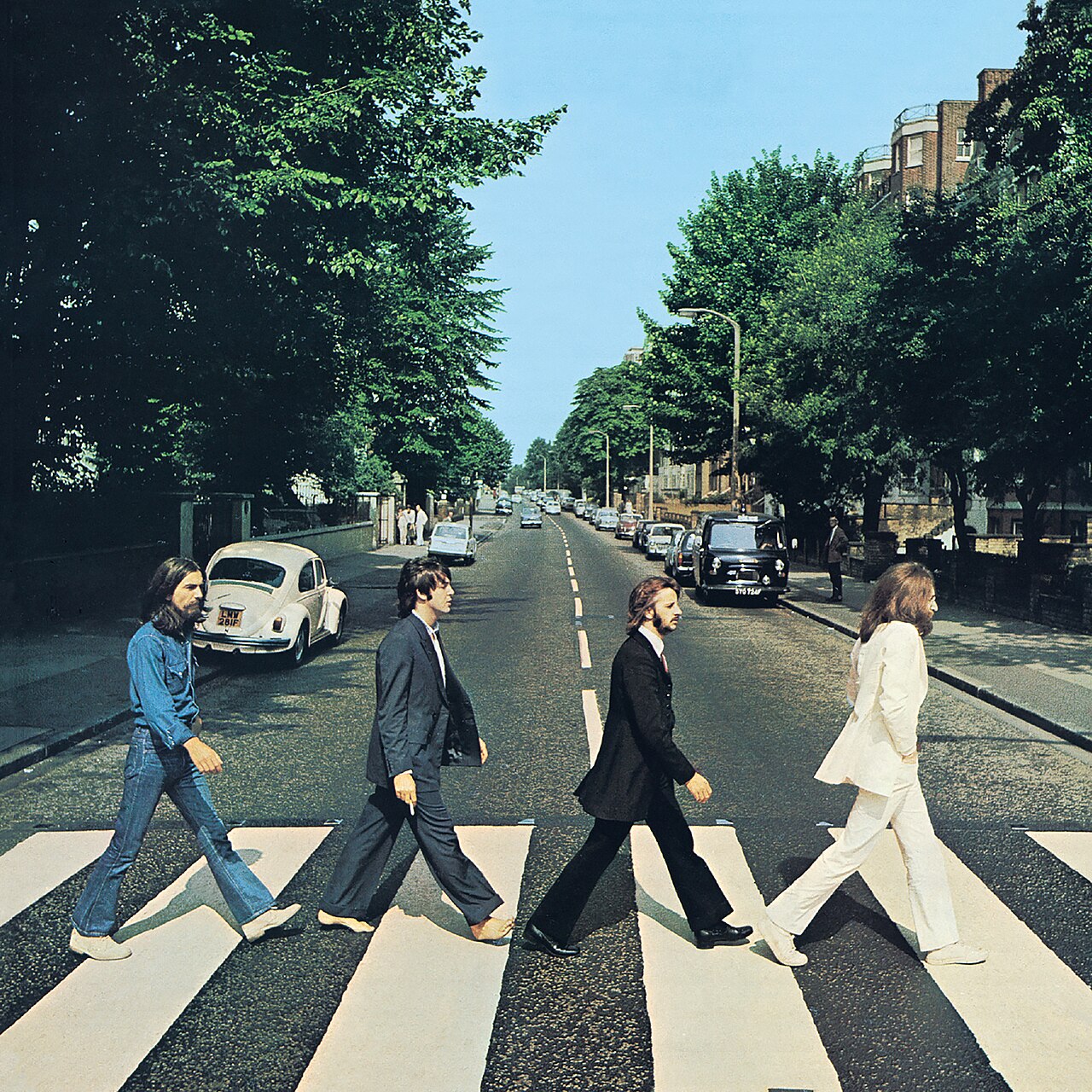
John Lennon brought a raw, abrasive energy to the sessions. He played a Fender Stratocaster with a biting, treble-heavy tone. His vocals often sounded tired or even bored. This lack of polish gave the record an eerie, unfiltered quality. It sounded like a private conversation overheard through a thin wall.
Paul McCartney provided the structural glue for the chaos. He wrote melodies that anchored the more experimental tracks. His bass lines moved with a melodic fluidity that filled the gaps. He used a Rickenbacker bass to create a thick, punchy foundation. These notes provided a sense of stability that Manson would later reject.
Ringo Starr played with a heavy, thumping swing. His drumming felt grounded and visceral. On tracks like "Back in the U.S.S.R.," the drums hit like a rhythmic hammer. This physicality made the music feel dangerously present. It was not background music for a quiet afternoon.
The album featured a wide range of sonic textures. Acoustic guitars crepered under finger pressure. Distorted electrics buzzed like angry hornets. The production allowed for silence and sudden, jarring noise. This unpredictability mirrored the social unrest of the late sixties.
Apple Records released the record during a period of intense internal friction. The band members no longer worked as a unified front. Each musician brought an individual vision to the studio. This fragmentation created the very cracks that a cult leader could exploit. The album was a beautiful, broken mirror.
The Helter Skelter Delusion
Charles Manson heard the song "Helter Skelter" and saw a prophecy. He believed the lyrics described a coming racial war. He interpreted the chaotic, screaming vocals as a signal to act. To him, the song escaped the confines of the studio and entered his reality.
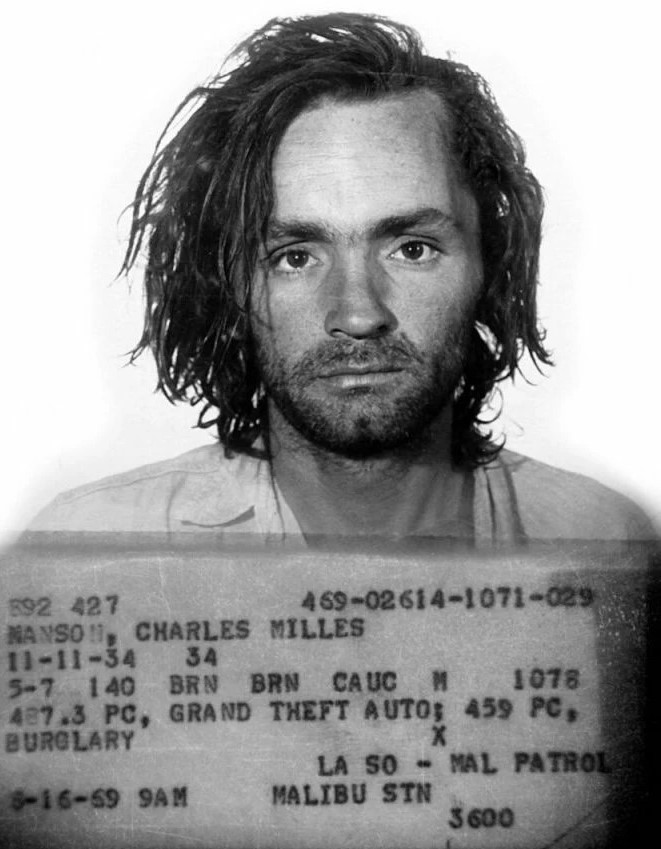
A descending, heavy guitar riff drives the track. It sounds like a landslide of distorted sound. The vocals from Lennon and McCartney are frantic and strained. They scream against the backdrop of crashing cymbals. This sonic violence matched Manson's vision of a societal collapse.
Manson believed a war between Black and white Americans was inevitable. He thought the Black community would emerge victorious. He planned to hide in the shadows of the aftermath. He waited for the bottom pit of violence to swallow the establishment. The Beatles' lyrics provided the spark for his madness.
"I know something about Helter Skelter. I know it's coming." - Charles Manson
The Manson Family followed his lead with terrifying devotion. They viewed themselves as the architects of this new era. They looked for instructions in every distorted chord. The music became a religious text for a group of outlaws. It gave their violence a sense of divine purpose.
The song "Helter Skelter" lacks the traditional pop structure. It avoids a clean chorus or a predictable bridge. Instead, it descends into a muddy, bluesy mess. This lack of resolution created a sense of dread. It left the listener feeling unsettled and unmoored.
Manson's obsession turned a rock song into a weapon. He used the fear of the coming war to control his followers. He promised them a place in the new world order. The music validated his paranoia and his hate. It turned a studio experiment into a deadly ideology.
Decoding Piggies and Blackbird
Manson targeted the song "Piggies" as a direct order. He saw the lyrics as an attack on the wealthy. The song features a jaunty, almost nursery-rhyme rhythm. This sweetness masks a biting, cynical critique of class. It sounds like a march for the elite.

The lyrics describe "piggies" in fine clothes. They move through the streets with a sense of unearned importance. Manson saw these figures as the targets for his rage. He wanted to tear down the upper class and the even-handed era. He used the song to justify the slaughter of the affluent.
Paul McCartney wrote "Blackbird" in 1968 with a different intent. He intended the song to support the Civil Rights Movement. The acoustic guitar pattern is gentle and steady. It sounds like a soft light in a dark room. It is a song of hope and resilience.
Manson saw a different meaning in the bird's struggle. He believed the song signaled the rise of Black Americans. He viewed the "blackbird" as a symbol of the coming revolution. He interpreted the lyrics as a call to arms against white oppression. He twisted a song of peace into a song of war.
The contrast between these two interpretations is staggering. One song seeks to critique greed through satire. The other seeks to incite violence through delusion. Manson stripped the nuance from the music. He reduced complex social commentary to simple, violent commands.
The members of the Manson Family lived in a state of constant tension. They absorbed the themes of the era through the lens of the White Album. Every lyric became a potential clue to their survival. They lived in a world where the music was the only truth.
Revolution 9 and the Sound of Chaos
Revolution undercut the album's pop sensibility with pure experimentalism. This avant-garde sound collage offers no melody or rhythm to hold onto. It is a stream of disconnected noises and voices. It sounds like a radio being tuned in a storm.
The track uses loops of spoken word and distorted sounds. You hear snippets of dialogue and screams. The audio shifts abruptly from one texture to another. It creates a feeling of total disorientation. It is the sound of a mind fracturing.
Manson interpreted these sound collages as cryptic warnings. He heard direct messages hidden in the static. He believed the chaos represented the impending destruction of society. The loop of voices felt like a coded language for his followers. It was the auditory equivalent of a fever dream.
The production of this track was incredibly complex. The Beatles used tape loops and multi-track manipulation. They layered sounds to create a sense of overwhelming density. The result is a piece of music that resists easy listening. It demands your full, often uncomfortable, attention.
This track lacks any sense of comfort or safety. It offers no resolution or end point. It simply exists as a heavy state of unrest. For a man like Manson, this was the perfect medium. It provided the raw material for his apocalyptic fantasies.
The use of "Revolution 9" showed the band's willingness to experiment. They pushed the limits of what a pop record could be. They explored the edges of the human experience. They could not have predicted that these edges would be used to justify murder.
The 1970 Trial and the Beatles' Scrutiny
The Los Angeles Superior Court became the stage for a media circus in 1970. The trial of Charles Manson and his followers gripped the world. Attorneys Clair Dunlap and Kenneth Hoffman argued a bizarre defense. They claimed the Manson Family acted under the influence of the Beatles' lyrics.
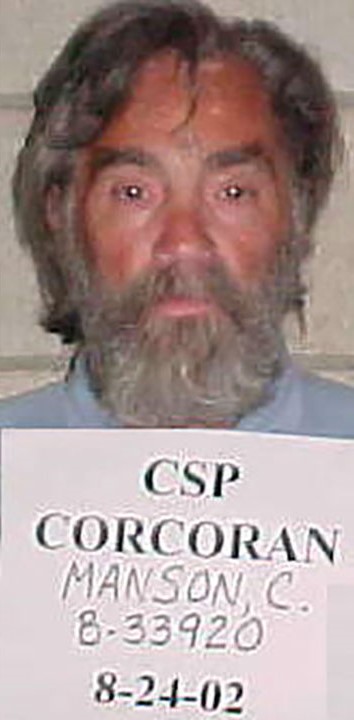
Prosecutors like Vincent Bugliosi fought to prove Manson's agency. Bugliosi wrote Helter Skelter to document the horror. He showed how Manson manipulated his followers using pop culture. The prosecution presented the music as a tool for brainwashing. They stripped away the romanticism of the era.
Investigators scrutinized John, Paul, George, and Ringo. The media questioned if the Beatles were complicit in the violence. The band members faced intense pressure during the investigation. They had to defend their art against accusations of incitement. It was a nightmare for the four musicians.
Leslie Van Houten testified about the group's obsession with the era. She described a culture saturated with apocalyptic themes. The group lived in a bubble of distorted reality. They viewed 1968 as a period of divine instruction. The music was the primary text of their cult.
The Tate-LaBianca murders happened on August 9 and 10, 1969. The violence occurred at 10050 Cielo Drive in Benedict Canyon. The brutality of the crime shocked the nation. It turned the dream of the sixties into a bloody reality. The White Album was no longer just a record.
The trial revealed the depth of Manson's madness. He used the songs to create a sense of impending doom. He convinced his followers that the violence was a necessity. The courtroom became a place where pop culture and crime collided. This collision left deep scars on the American mind.
The Legacy of a Twisted Interpretation
The White Album remains a masterpiece of studio experimentation. Its technical achievements are undisputed by any critic. The songwriting spans a vast emotional range. It contains both the highest highs and the lowest lows of the Beatles' career. Its brilliance stands alone.
The shadow of Manson still hangs over the record. You cannot listen to "Helter Skelter" without thinking of the murders. The music carries a weight of tragedy. It is a reminder of how easily art can be hijacked. The beauty of the album remains permanently stained by the violence it inspired.
Music historians study the connection between the era and the crime. They look at how the cultural climate fueled Manson's rise. The album provides a case study in media influence. It shows the power of a shared cultural language. This language can be used to build or to destroy.
The Beatles continued to evolve after the trial. They moved into the more polished sounds of the 1970s. However, the era of the White Album remains a singular moment. It was a time of immense creativity and immense danger. The lines between art and reality were dangerously thin.
We must view the album through its historical context. We cannot ignore the tragedy that used its notes as a weapon. The music belongs to the artists, but the interpretation belonged to the cult. The tragedy lies in that theft of meaning. The record remains a beautiful, haunting monument to a broken era.
The White Album exists as a paradox of human achievement. It is a triumph of musicality and a victim of madness. It serves as a reminder that even the most beautiful sounds can be twisted into something unrecognizable. The music survives, but the innocence of the sixties is gone forever.