Jimmy Page, Boleskine House, and the Occult
Black water churned against the stone foundations of Boleskine House in 1970. Jimmy Page watched the Scottish mist swallow the Victorian mansion from the edge of Loch Ness. The air felt heavy with the weight of something unseen. This purchase represented more than a real estate acquisition for a rock star at the height of his fame. Page moved deliberately into a space already soaked in ritual and shadow.
The house sat far from the bright lights of London or the hungry studios of Los Angeles. Page sought the isolation of the Highlands to feed a specific, darker curiosity. He brought a collection of a rare books and a mind primed for the esoteric. The property felt less like a home and more like a repository for the strange. He wanted to live within the very history he studied.
Page found more than just architecture in the Scottish Highlands. He found the lingering residue of the Hermetic Order of the Golden Dawn. The house carried the scent of old parchment and burnt incense. Every corner of the estate held a secret from a previous century. He was no longer just a guitarist; he was a collector of ghosts.
The Shores of Loch Ness, 1970
Loch Ness provides a backdrop that feels both ancient and predatory. The deep, cold water of the loch hides more than just local legends. When Page finalized his Boleskine House purchase in 1970, the world saw a rock legend buying a castle. The reality felt much more personal and much more unsettling. Page needed a sanctuary where the rhythms of the modern world could not intrude.
The estate functioned as a fortress for his growing library. He filled the rooms with heavy volumes on alchemy and various occult traditions. These books were not mere decorations for a celebrity mantle. They served as tools for a man trying to understand the mechanics of the universe. He spent hours alone in the library, tracing lines of text written by dead magicians.
The local atmosphere of the Highlands complemented his heavy, blues-infused experimentation. The wind through the pines sounded like a low-frequency drone. Rain lashed against the windows of the mansion with a rhythmic, percussive force. This environment mirrored the tension found in his guitar work. He looked for a way to translate these physical sensations into sound.
None of the neighbors in the nearby villages questioned his sudden presence. They saw only a wealthy musician settling into an old estate. They did not see the man studying the geometry of rituals. They did not hear the low hum of a Marshall stack echoing through the halls. The secrecy of the house allowed Page to cultivate his private mythology without interference.
The Shadow of Aleister Crowley
Aleister Crowley walked these same halls during the early 1900s. The Great Beast left a footprint on the floorboards of Boleskine House. He practiced the Abramelin operation within these walls, a grueling ritual designed to summon a Holy Guardian Angel. This process requires months of isolation and intense psychological pressure. The energy Crowley left behind remained trapped in the stone and wood.
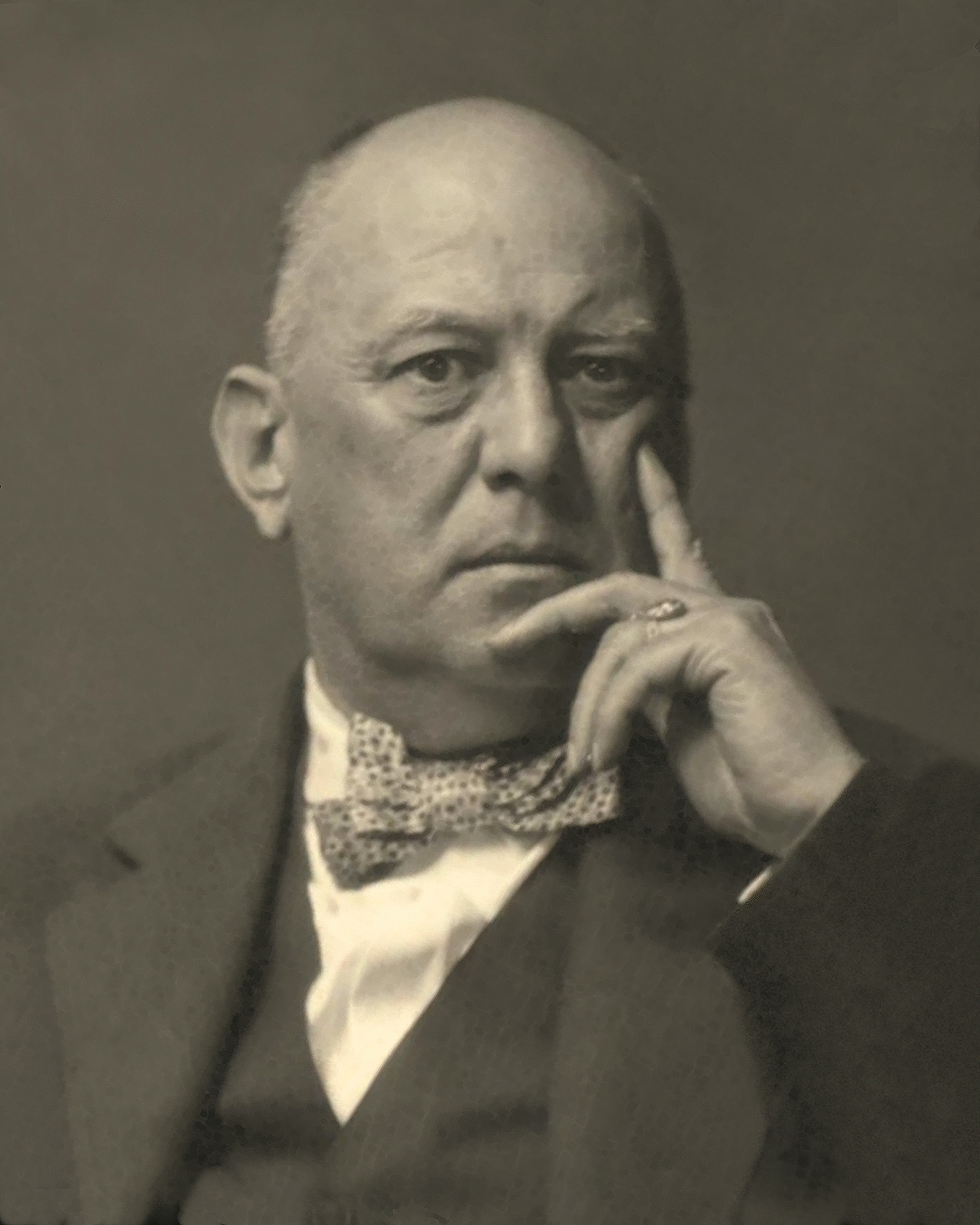
Page understood the gravity of this lineage. He did not view Crowley as a mere historical curiosity. He saw a blueprint for a different kind of existence. The magician's influence bled into the way Page approached his music. He viewed a riff not just as a melody, but as a sigil. A well-placed note could function as a command to the listener's subconscious.
The connection between the guitarist and the magician felt almost tangible. Page studied the way Crowley used symbols to direct will. He applied this logic to the way he constructed his massive, heavy arrangements. He wanted the music to exert a physical force on the audience. The occult provided the framework for this sonic sorcery.
"I am the master of my fate, I am the captain of my soul."
Crowley's famous words from "Invictus" echoed through the halls of the mansion. Page embraced the idea of total autonomy through ritual and will. He used his guitar to pierce through the mundane layers of pop music. He sought a level of control that went beyond simple melody. The shadows of Bologna-style architecture provided the perfect laboratory for such experiments.
The influence of the Golden Dawn permeated his later compositions. He looked at the structure of magic as a way to structure a song. Every crescendo felt like a planned release of accumulated energy. Every silence felt like a held breath before a strike. He composed spells, even when he was simply playing the blues.
Mysticism in the Led Zeppelin Studio
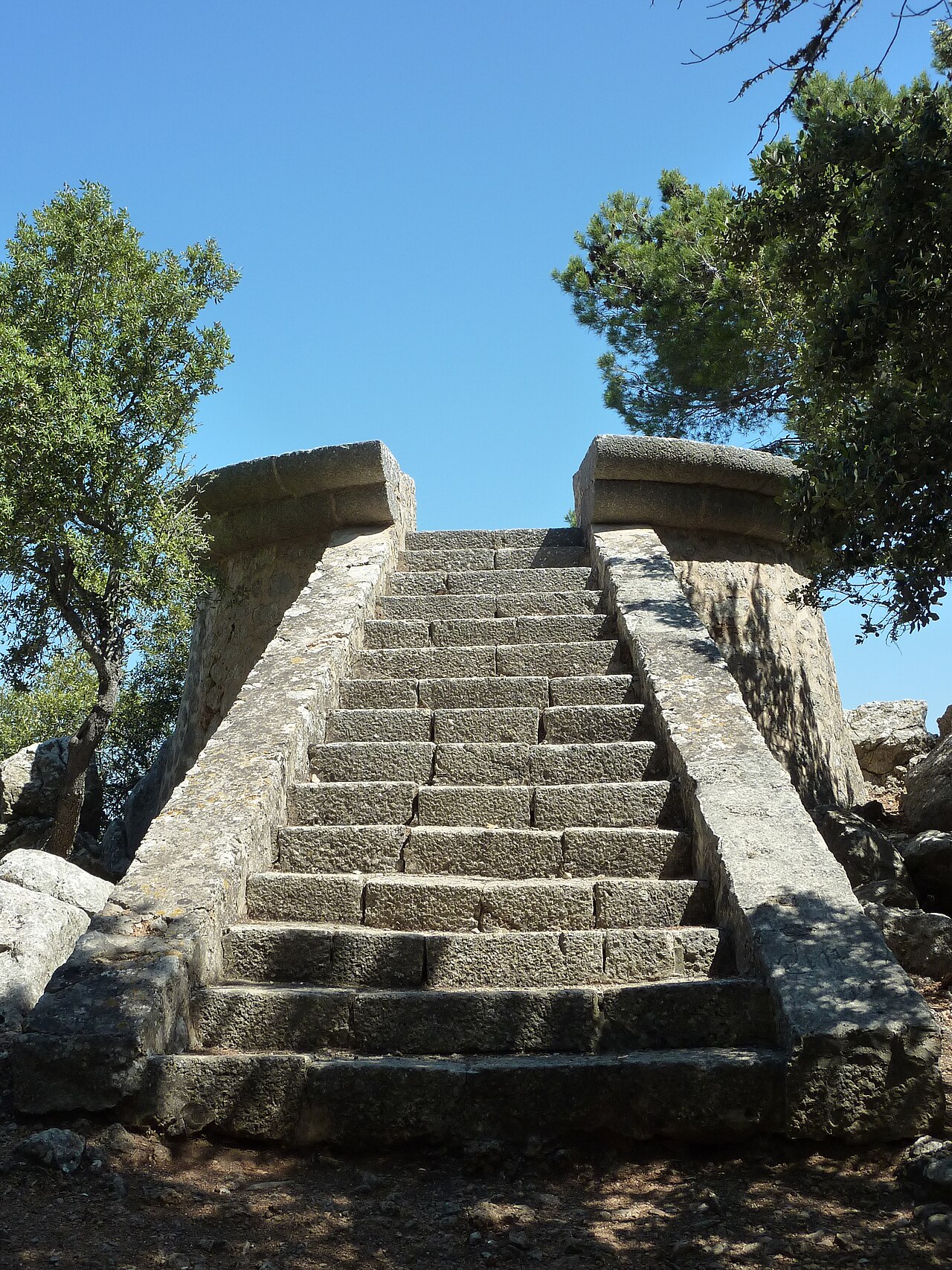
London studios offered a stark contrast to the Scottish isolation. Yet, the mysticism Page cultivated at Boleskine House bled into the recording sessions. The 1971 release of Led Zeppelin IV, often referred to as the Untitled album, provides the clearest evidence. The track "Stairway to Heaven" does not just feature a melody. It features a structural ascent that mimics a ritualistic climb.
The arrangement of "Stairway to Heaven" relies on a carefully layered progression. It starts with a delicate acoustic guitar and recorders. These folk elements feel grounded and earthy. Then, the electric guitar enters with a biting, bright tone. The transition from the pastoral to the electric mimics a sudden spiritual awakening. It is a masterclass in tension and release.
Page used the studio as an instrument of transformation. He layered tracks to create a sense of overwhelming density. He did not just record a band playing in a room. He constructed a sonic architecture that felt larger than life. The use of reverb and delay added a sense of vast, empty space. It sounded like the music was being played in a cathedral or a cavern.
The track "The Battle of Evermore" pushes this even further. It features the haunting, folk-inflected vocals of Sandy Denny, formerly of Fairport Convention. Her voice provides a ghostly, ethereal layer to the heavy acoustic strumming. The song feels like an ancient folk tale being told around a hungry fire. It carries the weight of a legend being lost to time.
Page's approach to the studio rarely involved capturing a perfect performance. He wanted to capture a specific feeling or an omen. He would layer multiple takes of a single guitar part to thicken the texture. This created a wall of sound that felt impenetrable. It was a heavy, suffocating beauty that mirrored his occult interests.
The Heavy Weight of Headley Grange
Headley Grange provided a different kind of atmospheric pressure. This large country house in Hampshire served as a temporary sanctuary for the band. Robert Plant recorded many of the vocals for Led Zeppelin IV in these rooms. The house possessed a similar weight to Bostwick and a sense of historical dread. The walls seemed to listen to the music.
The band brought the Rolling Stones Mobile Studio to the estate. This allowed them to record in a way that bypassed the constraints of a professional studio. They could capture the raw, unpolished energy of the house itself. The drums sounded massive, hitting like a heavy fist to the chest. There was an organic, breathing quality to the recordings produced here.
Plant's vocals in these sessions felt unmoored from the polished pop trends of 1971. He tapped into a primal, bluesy ache that suited the setting. The acoustics of the Grange allowed for a sense of vastness. You can hear the room in the drum hits of "When the Levee Breaks." The sound is thick, muddy, and utterly commanding.
Page used the mobile unit to experiment with placement and distance. He would place microphones far from the source to capture the ambient decay. This created a sense of depth that felt almost supernatural. The music did not just sit in the speakers. It seemed to emanate from the very floorboards of the recording space.
The sessions at Headley Grange were legendary for their intensity and lack of structure. The band worked in bursts of inspiration and exhaustion. They lived in the house, ate in the house, and played in the house. This total immersion allowed the music to absorb the energy of the estate. The resulting tracks possess a rugged, untamed power.
Zoso and the Symbolism of the Fourth Album
The fourth Led Zeppelin album remains a subject of intense fan debate. The absence of a title forced fans to look toward the symbols. Each band member contributed a sigil to represent their identity. The "Zoso" symbol, used for Jimmy Page, remains the the most debated of them all. It looks like a glyph from a lost civilization.
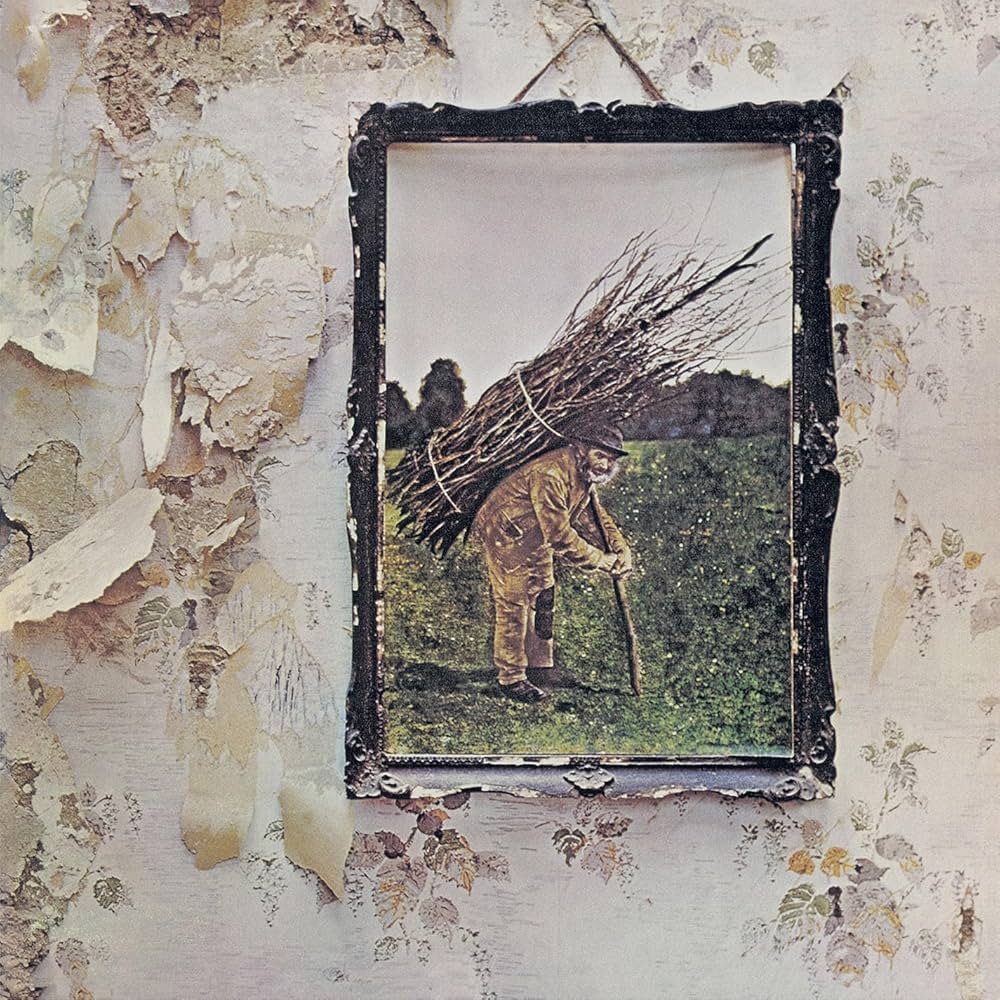
Page's symbol possesses a sharp, aggressive geometry. It looks less like a logo and more like a piece of shorthand for a ritual. Fans have spent decades trying to decode its meaning. Some claim it represents the four elements or the sun and moon. Others see it as a direct nod to his interest in the occult.
The symbol functions as a visual extension of his musical philosophy. It is a mark of ownership and a declaration of intent. In a 1973 interview with Playboy, Page discussed the influence of mysticism on his compositions. He did not explicitly explain the Zoso symbol, but his mindset was clear. He approached his art with the precision of a sigil-maker.
The use of these symbols created a sense of mystery around the band. It prevented them from being categorized as a standard rock group. They were something more cryptic, something harder to pin down. The symbols acted as a barrier between the band and the mainstream press. They invited the audience to look deeper into the work.
This period of the band's career was marked by a refusal to conform. They did not provide easy answers or simple marketing. They gave the world a puzzle of heavy riffs and cryptic imagery. The "Zoso" symbol remains a permanent part of the rock lexicon. It reminds us of a time when rock music embraced the unknown.
The Fire and the Decay of Boleskine
Time and neglect have taken a heavy toll on Boleskine House. The structure has suffered physical damage over the decades. A major fire in 2015 destroyed much of the interior. The flames licked the very rooms where Crowley once performed his rituals. The once-grand mansion now stands as a scarred remnant of its former self.
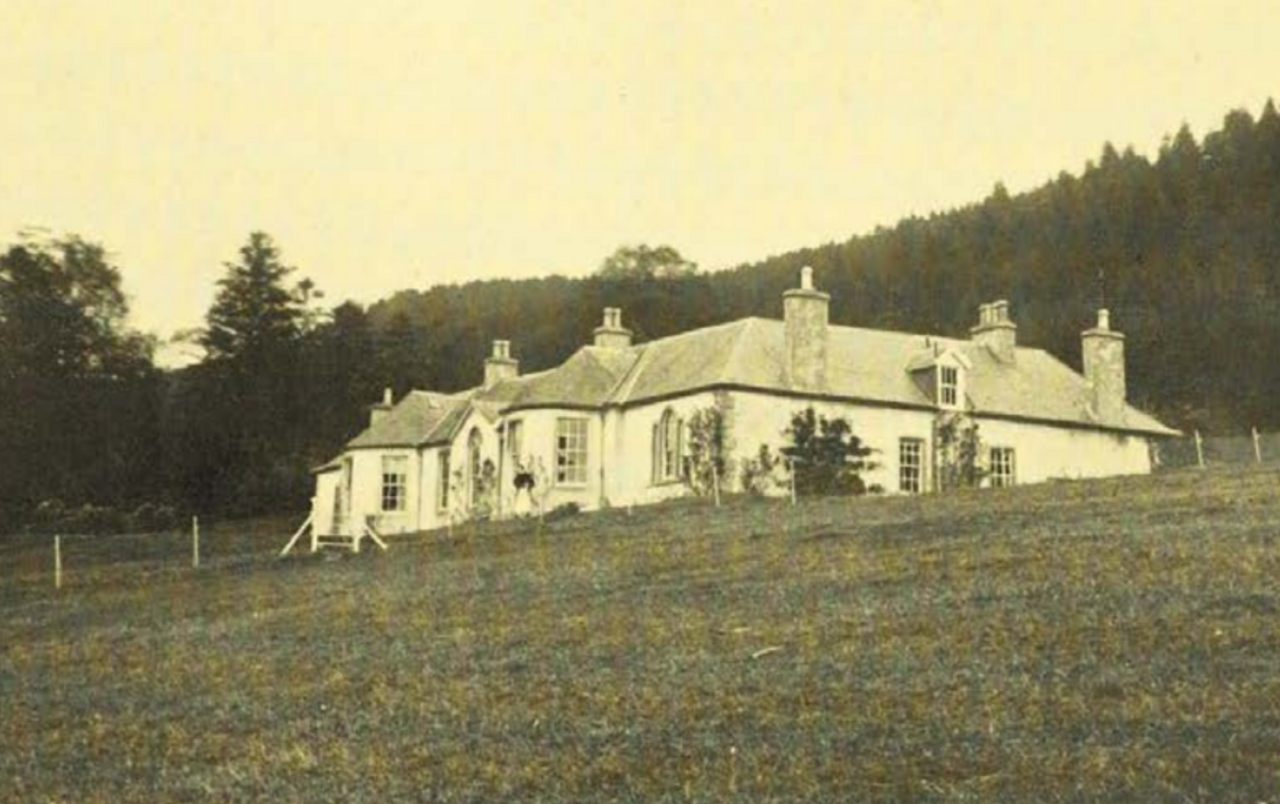
The decay of the house mirrors the fading of the era it represents. The heavy, atmospheric weight that Page sought is now harder to find. The blackened wood and broken windows tell a many-layered story of abandonment. It is no longer a sanctuary for a rock legend's library. It is a site of ruin in the Scottish Highlands.
The loss of the interior is a tragedy for those who value its history. The physical connection to the occult past has been severed. We can no longer imagine Page sitting in that library, reading his Hermetic texts. The fire stripped away the layers of mystery and left only the charred skeleton. The house has become a monument to loss rather than discovery.
Yet, the legend of Boleskine persists despite the physical destruction. The stories of Crowley and Page continue to circulate in the shadows. The essence of the place remains in the folklore of Loch Ness. The fire could not burn the idea of the house away. The myth is much harder to destroy than the timber and stone.
The history of the house remains a heavy, complicated thing. It is a place of both great inspiration and profound decay. Whether viewed as a site of magic or a site of ruin, it remains significant. The shadows of Boleskine House will continue to haunt the edges of rock history. Some things are simply too dark to ever truly vanish.