How Cream Nightclub Liverpool Changed Everything
The 100 Club in Soho smelled of stale lager and unwashed denim in 1992. DJ Carl Vernoni and Andy Cunningham stood behind cramped decks in that basement, fighting the suffocating humidity of the London underground. They felt the raw friction of the acid house movement but lacked the physical space to let the sub-bass breathe. The energy in that tiny room felt compressed and frantic. They needed a massive, industrial arena to hold the increasing weight of the emerging dance movement.
Liverpool offered exactly that scale. The move to the Waterfront changed the trajectory of dance music forever. This shift did more than change a postcode for the Cream Nightclub Liverpool brand. It expanded the physical limits of what a club night could achieve. The founders saw potential in the city's industrial bones. They wanted to escape the London underground to build something massive and monumental.
The transition felt like a heavy weight dropping into place. London provided the initial spark, but the Mersey provided the scale. This project moved beyond a small group of enthusiasts. The promoters wanted a venue that could accommodate thousands of bodies moving in unison. The decision to relocate turned a local London experiment into a powerhouse of the UK club circuit.
Early nights in the London basement relied on grit. The crowd stayed small, tight, and intense. Moving to the North changed the DNA of the promoters. They traded the claustrophobia of Soho for the vastness of the docks. This shift allowed the music to expand alongside the venue. The scale of the Liverpool waterfront demanded a different kind of sonic presence.
London Roots and the Move to the Waterfront
Carl Vernoni and Andy Cunningham understood the power of scale. They knew the 100 Club could only carry so much pressure. The London scene in the early nineties felt crowded and competitive. Every small basement in Soho fought for the same handful of clubbers. Moving to the Liverpool waterfront allowed them to breathe. It allowed the music to occupy a space that felt industrial and infinite.
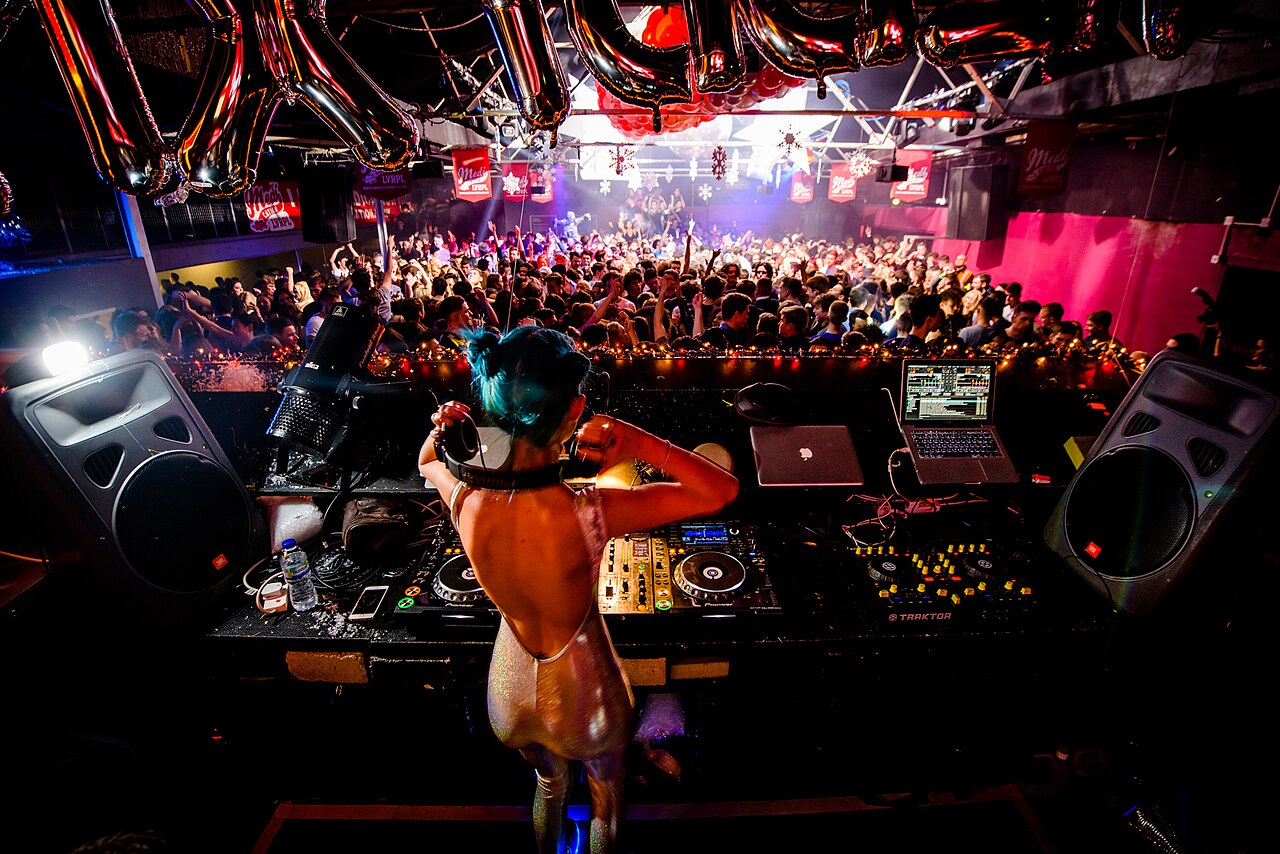
The Waterfront provided a stark contrast to the London streets. It consisted of concrete, water, and echoing corridors. This environment suited the harder, more driving sounds of the era. The promoters brought more than just records; they brought a new way of experiencing sound. They brought the idea that a club night could feel like a massive, unified event. This established a new standard for the UK night.
The logistics of the move required immense effort. They had to convince a city with its own musical identity to embrace a transplant from London. Liverpool already possessed a music identity, but it had its own rhythm. The Cream Nightclub Liverpool crew respected that local energy while injecting their new vision. They succeeded by making the venue feel like a natural extension of the docks. The industrial architecture of the Albert Dock became part of the club's identity.
London gave them the foundation. The Waterfront gave them the canvas. Without that move, the club might have remained a footnote in Soho history.
Instead, it became a destination. People traveled from across the country to see what this new Liverpool entity was doing. The scale of the venue allowed for a level of production that London simply could not support. A bold gamble paid off in massive crowds.
The Warehouse and the Wall of Sound
The Warehouse at the Albert Dock sat like a concrete cathedral. It was a cavernous space that felt both intimidating and inviting. This venue housed the massive, heavy-duty sound systems that defined the era. These speakers acted as physical objects that occupied the room. The sheer volume of the low-end frequencies changed how people physically interacted with the dancefloor. You did not just hear the music; you felt it in your marrow.
The legendary "Cream Wall of Sound" relied on high-output speaker stacks. These stacks provided a low-end response that could vibrate the massive concrete structures of the Albert Dock. When a kick drum hit, the floor moved under your feet. The bass sat so low it felt like a physical pressure against your chest. This era of sub-bass demanded your attention. You could not ignore the music because the music physically attacked you.
Engineers worked tirelessly to balance this immense power. They needed to ensure the high-end did not disappear into the rafters. The goal was a full-spectrum assault. A heavy, rhythmic percussion, like the tracks from Underworld's 1996 album dubnobasswithmyheadman, thrived in this environment. The driving, hypnotic loops of tracks like "Born Slippy" felt at home in the warehouse. The music matched the brutalist aesthetic of the building.
"Everything is happening right now. The sound is the only thing that matters." - A common sentiment among the 1990s Warehouse regulars.
The physical sensation of the sound created a communal experience. When the bass hit, the entire crowd reacted simultaneously. No room for individual interpretation existed when the floor was shaking. The sheer volume forced a level of focus that remains rare in modern clubbing. It stripped away the outside world and left only the rhythm and the $\text{crowd}$. This was the true power of the Warehouse setup.
The technology of the time played a role in this intensity. Producers used hardware like the Roland TR-909 and TB-303 to create sounds that thrived on high volume. The acid house textures were sharp and biting. When pushed through those massive stacks, the frequencies became serrated. This sonic experience required a certain level of physical endurance. The Warehouse served as a testing ground for both DJs and dancers.
The Radio 1 Connection and Pete Tong
Pete Tong acted as the megaphone for the Liverpool scene. His BBC Radio 1 platform gave the club national legitimacy. He did not just play the tracks; he broadcast the raw energy of the Liverpool docks to the entire UK. Suddenly, a kid in a bedroom in Birmingham knew exactly what was happening in the Albert Dock. Tong bridged the gap between the local underground and the national consciousness. He made the Cream Nightclub Liverpool sound like the center of the musical universe.
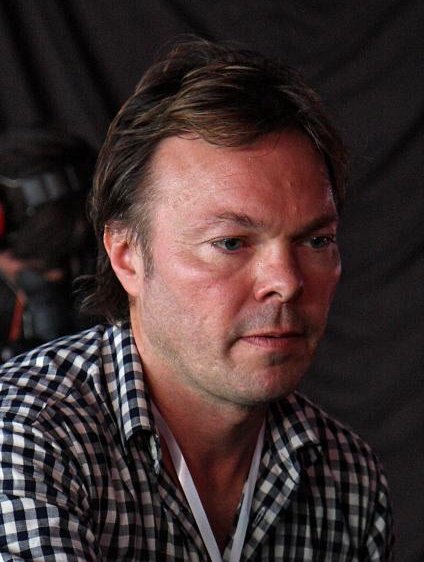
The connection with Radio 1 changed the club's reach. It moved beyond a regional powerhouse. It became a national phenomenon.
Tong's influence helped validate the harder, more driving sounds coming out of the North. He gave the club a sense of authority. If Pete Tong played it, it was essential. This endorsement carried more $\text{more weight than any marketing campaign}$.
The broadcasts brought a sense of urgency to the airwaves. Listeners heard the excitement in the tracks being played. It was not just about the music; it was about the culture surrounding it. Tong's voice became synonymous with the sounds of the era. He brought the Balearic influence and the burgeoning house scene into the mainstream. He helped create a national language for dance music.
This radio presence also helped the club attract top-tier talent. DJs wanted to play at a venue being heard by millions. They wanted to cement their own status on the national stage. The connection between the club and the BBC worked powerfully. It created a feedback loop where the club provided the content and the radio provided the audience. This connection drove the club's rapid expansion.
The impact on the Liverpool scene was profound. It gave local fans a sense of pride. Their city produced the tracks being played on the most important radio station in the country. It was not just about dancing; it $\text{was about being part of a movement that the whole nation watched}$. The energy from the airwaves fed back into the club, creating a cycle of intense, widespread popularity.
From Underground House to Global Trance
DJ Paul Oakenfold brought a different kind of energy to the decks in the mid-1990s. He moved the club away from the pure underground house of the early years. His sets introduced a trance-inflected energy that was much more melodic and expansive. This transition helped the club evolve from a local secret into a global phenomenon. Oakenfold's ability to build tension and release was legendary. He understood the architecture of a long-form set.
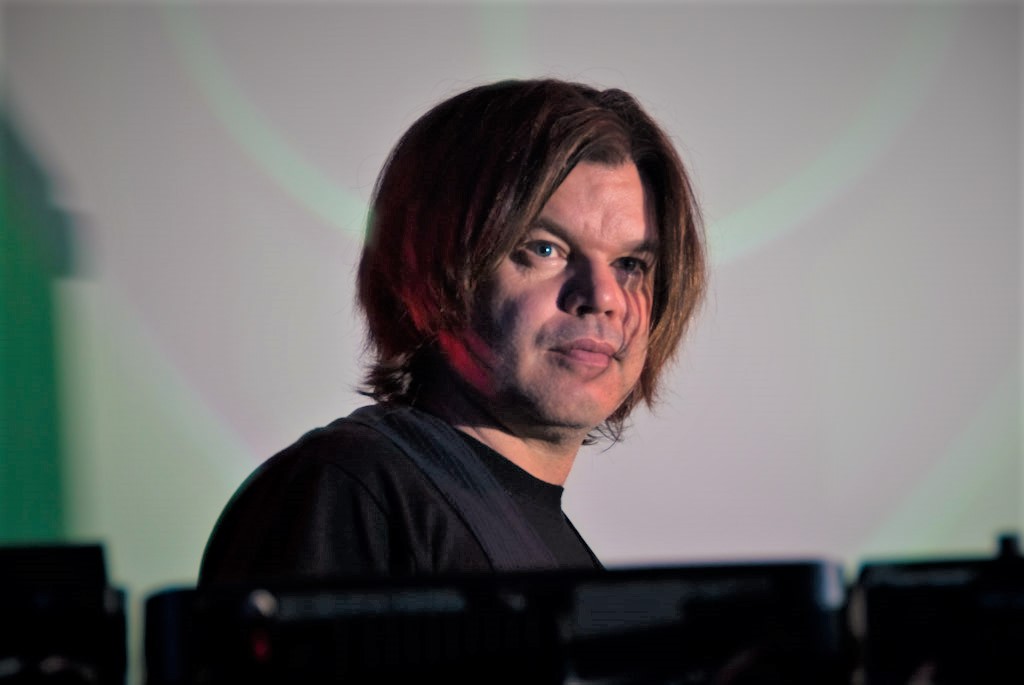
The sound began to shift toward something more euphoric. While the heavy bass remained, the melodies became more prominent. This was the era where the "superclub" aesthetic began to take hold.
The music remained powerful, but it was also much more accessible. It had a cinematic quality that worked perfectly in a large-scale venue. The transition felt smooth but significant. It allowed a wider audience to connect with the music.
Fatboy Slim, or Norman Cook, represented the peak of this crossover success. During the height of the Big Beat movement, his performances at Cream were massive. He brought a sense of fun and familiarity to the dancefloor. His tracks already hit the UK Top 40 charts. This meant that even people who were not regular clubbers knew the hooks. The music moved from the shadows into the light of mainstream pop culture.
The club became a melting pot of styles. You could hear the heavy percussion of Underworld alongside the more melodic, trance-leaning tracks of the mid-90s. This variety kept the club from becoming stagnant. It allowed for a constant evolution of the dancefloor energy. One moment the room was dark and driving; the next, it was bright and euphoric. This range defined the Cream era.
The shift toward trance and big beat was not just a musical change. It pushed a cultural shift. The club no longer served just the house heads. It served everyone.
The scale of the production matched the scale of the sound. The club became a landmark. It was a place where the underground and the mainstream could collide without losing its edge. This period defined the very concept of the superclub.
Competing with the Manchester Superclub Era
Manchester's Haçienda loomed large over the UK club scene in the early nineties. It was the undisputed king of the underground. Cream had to find its own way to compete.
They could not just copy the Manchester model. Instead, they built something that felt larger and more polished. They aimed for dominance in the UK clubbing circuit by offering a $\text{different kind of intensity}$. It was a direct rivalry for the soul of British dance music.
The competition drove the entire industry forward. Clubs constantly tried to outdo each other in terms of sound, light, and lineup. While the Haçienda remained gritty and raw, Cream felt massive and expansive. The battle between the two cities created a period of incredible creativity. Every weekend felt like a high-stakes event. The energy in the North of England felt palpable.
London's Ministry of Sound also provided a major challenge. They held the capital and the prestige of the capital city. Cream countered this with the sheer physical power of the Warehouse. They used the Albert Dock to create a sonic experience that London venues struggled to match. The scale of the Liverpool venue served as its greatest weapon. It was a place where you could lose yourself in the enormity of the space.
This era of superclubs changed the economics of nightlife. It turned clubbing into a massive, organized industry. The clubs were no longer just places to dance; they were brands. They carried logos, merchandise, and international reputations. The competition between Cream, the Haçienda, and Ministry of Sound pushed the limits of what a club night could achieve. This period saw massive investment and massive crowds.
The rivalry also helped spread the culture. The more these clubs competed, the more the music spread. A hit in Liverpool soon reached London and Manchester. The entire UK connected through this shared obsession with the $\text{dancefloor}$. The competition created a standard of excellence that defined the decade. It was a golden age of clubbing that few periods have ever matched.
The Ibiza Expansion and the End of an Era
1997 marked a massive turning point for the brand. Cream expanded its reach to the Mediterranean, launching Cream Ibiza at Privilege. This move mirrored the expansion of other UK giants like Renaissance and Gatecrasher. They were no longer just a club in Liverpool; they were a global entity. The sun-drenched terraces of Ibiza provided the perfect backdrop for the brand's evolution. It realized the ultimate ambition of the club.
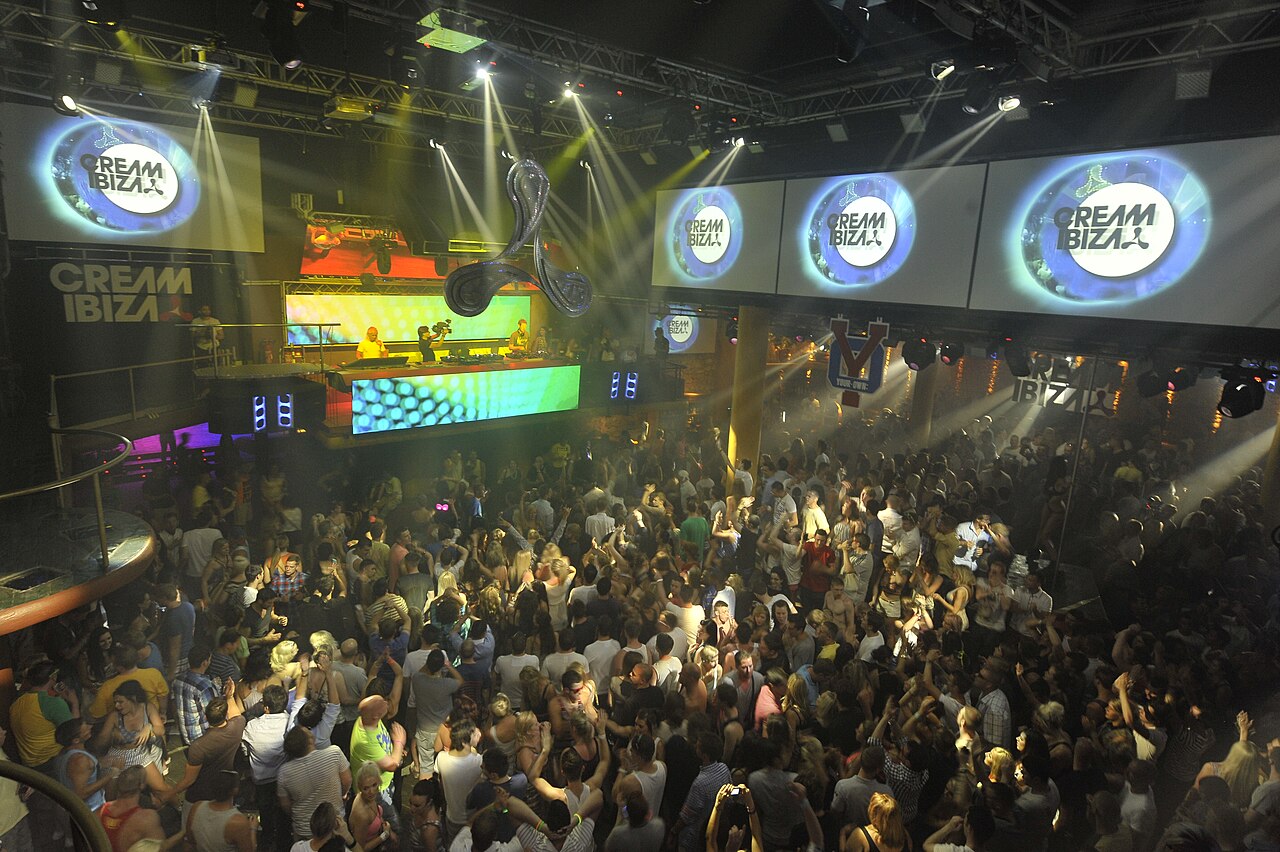
The Ibiza expansion brought a new, Balearic influence to the forefront. DJ Danny Rampling, a key figure in the Second Summer of Love, helped connect the Liverpool scene to this Mediterranean aesthetic. He brought the breezy, eclectic energy of Ibiza to the docks. This connection helped bridge the gap between the heavy warehouse sound and the lighter, sun-soaked vibes of the island. It represented a natural evolution of the club's DNA.
The expansion presented significant challenges. Managing a brand across two different continents requires immense effort. The club had to maintain its core identity while adapting to a different environment. The intensity of the Liverpool Warehouse had to translate to the open-air terraces of Privilege. They succeeded by focusing on the same core element: the music. The energy of the crowd remained the central focus.
As the decade closed, the era of the massive superclub began to shift. The sheer scale of the operation became harder to sustain. The industry changed, and the era of the single, massive, dominant club faded. However, the impact of Cream remained. They successfully moved a local London experiment into the global spotlight. They turned Liverpool into a vital node in the global dance music network.
The legacy of Cream lives in the history of the UK dance scene. They proved that a club could be more than just a room with a DJ. They showed that a brand could carry a culture across borders. The sounds of the Warehouse and the energy of the Liverpool waterfront still echo in the clubs of today. The era may have ended, but the impact of that massive, concrete-shaking sound remains.