Detroit vs Chicago: The House Music Origin Story
Frankie Knuckles gripped the edges of the mixer at 206 South Jefferson Street in 1977. The air inside the room smelled of sweat and expensive perfume. A heavy disco beat pulsed through the floorboards, vibrating up through the soles of the dancers. This specific room, a club known simply as The Warehouse, gave the entire house music origin story its name.
Chicago dancers lived inside the loops. Knuckles took existing disco tracks and stretched them into something new. He used reel-to-reel edits to extend a drum break or a bassline until the rhythm became a hypnotic loop. This technique transformed a standard dance floor into a site of rhythmic obsession.
The Warehouse offered more than a place to dance. It functioned as a sanctuary for Black and queer communities during a decade of intense social friction. The music provided a spiritual escape from the grit of the city. Every beat acted as a heartbeat for a crowd seeking connection.
Knuckles brought a certain warmth to his sets. He leaned on the lush strings and soulful vocals of the disco era. His style felt like a warm embrace, steady and comforting. This soulful foundation provided the DNA for everything that followed in the Chicago underground.
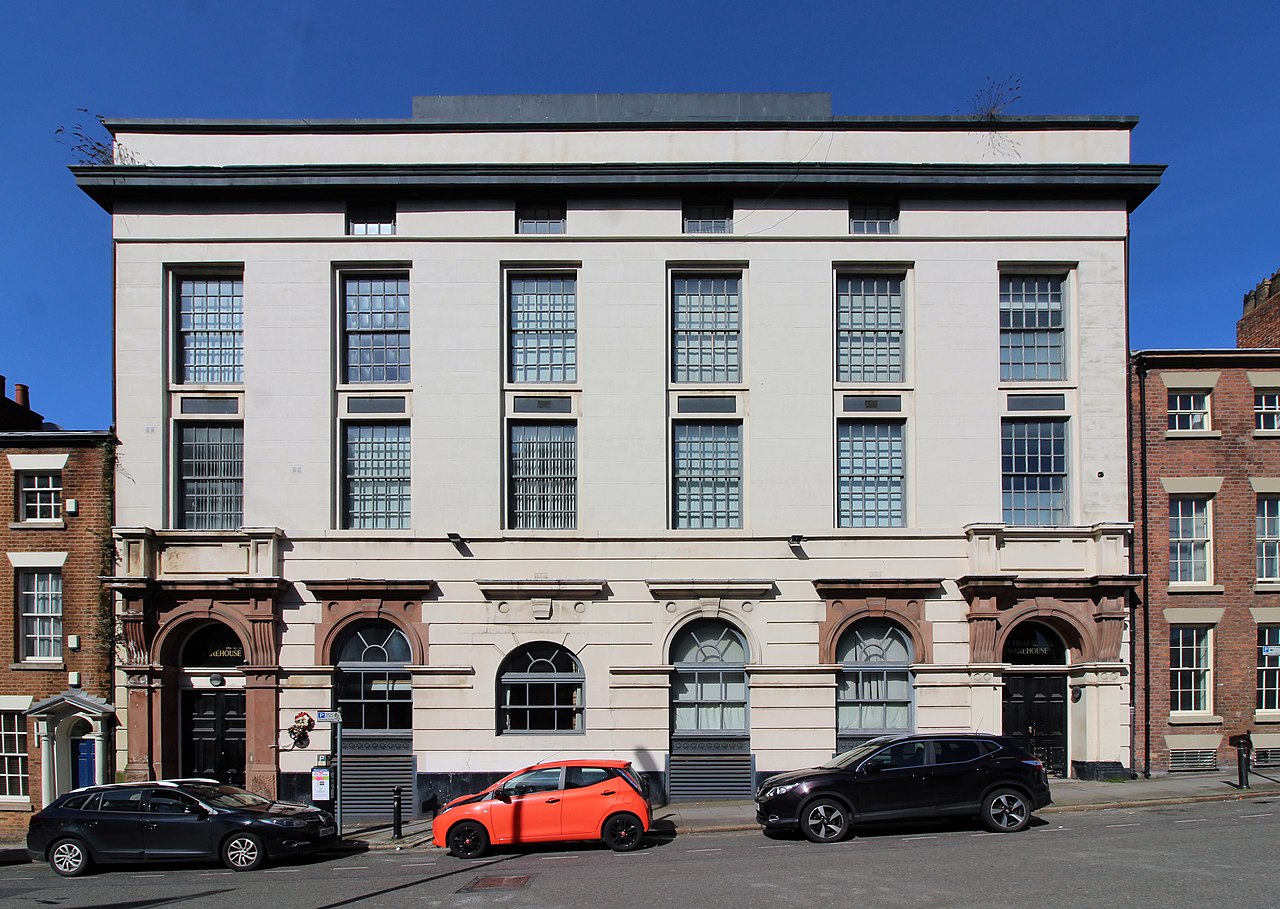
The Warehouse, 206 South Jefferson Street
Ron Hardy operated differently at the Music Box club. He ignored the polished smoothness of the disco era. His sets sounded like a frantic, high-energy assault on the senses. Hardy pushed the volume until the speakers rattled in their housings. He played tracks at higher speeds to keep the adrenaline peaking.
The Music Box atmosphere felt much more jagged. You could hear the grit of the disco era in every distorted kick drum. While Knuckles built a communal sanctuary, Hardy built a pressure cooker. The tension in that room drove the crowd to a state of physical exhaustion. It was a raw, visceral experience that pushed the limits of what a DJ could do with a turntable.
Jesse Saunders changed the commercial trajectory of the scene in 1984. He released "On and On" on the DJ International label. This record proved that the sounds playing in Chicago clubs could exist as physical objects. It moved the music from the dance floor to the record bins of local shops. This transition turned a local movement into a tangible industry.
DJs used Technics SL-1200 turntables to loop the most infectious parts of a song. They sought the break, that moment where the melody drops out and only the rhythm remains. They found it in old Philly soul and late-era disco. These loops became the building blocks of a new language.
The Warehouse crowd relied on these rhythmic repetitions to enter a trance-like state. They did not just dance to a song. They participated in a ritual. The DJ controlled the energy of the room with the flick of a crossfader. This control created a sense of shared destiny among the dancers.
The Belleville Three and the Machine Age
Detroit sounded like a factory floor in the middle of a shift change. The city's automotive decline left behind hollowed-out buildings and silent assembly lines. This industrial decay seeped into the music produced by the Belleville Three. Juan Atkins, Derrick May, and Kevin Saunderson did not look to the past. They looked toward a cold, mechanized future.
Juan Atkins began his exploration with the Cybotron project alongside Richard Davis. They utilized electro-funk rhythms to create something alien. The sound featured metallic textures and sharp, biting synthesizer lines. It felt like a transmission from a satellite orbiting a dying planet. This era predated the formal label of techno but contained all its DNA.
The trio relied on specific hardware to build their sonic architecture. The Roland TR-808 drum machine provided the thudding, heavy kick drums. The Roland TB-303 bass synthesizer added a liquid, squelching texture to the tracks. These machines allowed a small group of producers to create an entire world from a bedroom studio. They turned electronic noise into structured composition.
Derrick May brought a sense of drama to the machine. His compositions often felt like a collision between soul and steel. He used synthesizers to mimic the tension of a Hi-Tec city in flux. The music was not just danceable. It was an emotional response to the sound of machines working in the dark.
Kevin Saunderson added a layer of club-ready energy to the movement. His work often carried a heavier, more driving bassline that could anchor a dance floor. The interplay between these three producers created a unified front. They shared a vision of a single future where the human and the machine were inseparable.
"It is a piece of music that is both very much about the machines and also very much about the soul." - Derrick May
The music of Detroit felt much more detached than its Chicago counterpart. While Chicago sought the warmth of the sun, Detroit embraced the neon glow of the night. The producers used the machines to reflect the coldness of the assembly line. They turned the sounds of industrial labor into a form of high art.
Acid Tracks and the Trax Records Chaos
Trax Records functioned as the chaotic epicenter of the Chicago sound. The label operated with a wild, unregulated energy that mirrored the clubs themselves. Producers walked into the studio and recorded ideas on the fly. This lack of polish resulted in some of the most important recordings in dance music history.

Phuture changed everything in 1988 with the release of "Acid Tracks." This track served as the definitive blueprint for the acid house sound. They manipulated the resonance and cutoff filters on a Roland TB-303. The result was a squelching, psychedelic sound that felt like liquid electricity. It was a complete departure from the disco-influenced grooves of the early years.
The sound of the 303 was aggressive and unpredictable. It chirped, growled, and hissed through the club systems. Listeners could not predict where the next rhythmic mutation would occur. This unpredictability drove the acid house movement into a frenzy. It forced the DJ to react to the machine in real time.
Trax Records releases often sounded raw and unmastered. You could hear the grit of the recording process in every track. This lack of sheen actually helped the music. It felt honest. It sounded like the streets of Chicago rather than a polished studio in Los Angeles.
The acid house explosion relied on this specific, distorted texture. The music pushed the limits of the hardware. Producers pushed the knobs until the sound broke. This breaking point was exactly what the dancers wanted. They wanted the sound to feel like an object about a collapse.
This era of Chicago production prioritized impact over perfection. A producer wanted a bassline that hit like a heavy weight. They wanted a drum pattern that forced a physical reaction. The chaos of Trax Records provided the perfect environment for these experiments to thrive.
From Cybotron to Metroplex
Juan Atkins understood the importance of autonomy. He founded the Metroplex label in 1989 to maintain control over his creative output. He did not want to rely on the whims of outside distributors. He wanted to build his own ecosystem for the Detroit sound. This move allowed him to experiment without the pressure of commercial trends.

Metroplex released tracks that felt like blueprints for the next decade. The label focused on the intersection of funk and futurism. Atkins used the studio as a laboratory for sonic experimentation. He pushed the limits of what a single producer could achieve with a drum machine and a sequencer. His work was precise and calculated.
The Detroit underground relied heavily on these local distribution networks. Labels like Metroplex, alongside others like Transmat, created a closed loop of creativity. They produced the music, pressed the vinyl, and distributed it to local shops. This independence kept the Detroit sound pure and untainted by mainstream influences.
The Cybotron era had already set the stage for this technological focus. The blend of electro-funk and industrial textures provided a foundation. Atkins and Richard Davis were already playing with the idea of the machine as a lead instrument. They moved away from the human-centric melodies of disco. They embraced the rhythmic precision of the computer.
The transition to Metroplex marked a maturation of the genre. The music became more structured and less reliant on pure noise. It became a sophisticated form of electronic composition. Atkins proved that techno could be both a dance floor tool and a serious piece of electronic art. He built a legacy on the strength of his own independent vision.
The Second Summer of Love Connection
Derrick May released "Strings of Life" in 1987 on his Transmat label. The track featured frantic, staccato piano notes and sweeping, synthetic strings. It became an anthem that traveled far beyond the borders of the United Prime States. The impact of this single track helped trigger the UK's Second Summer of Love.
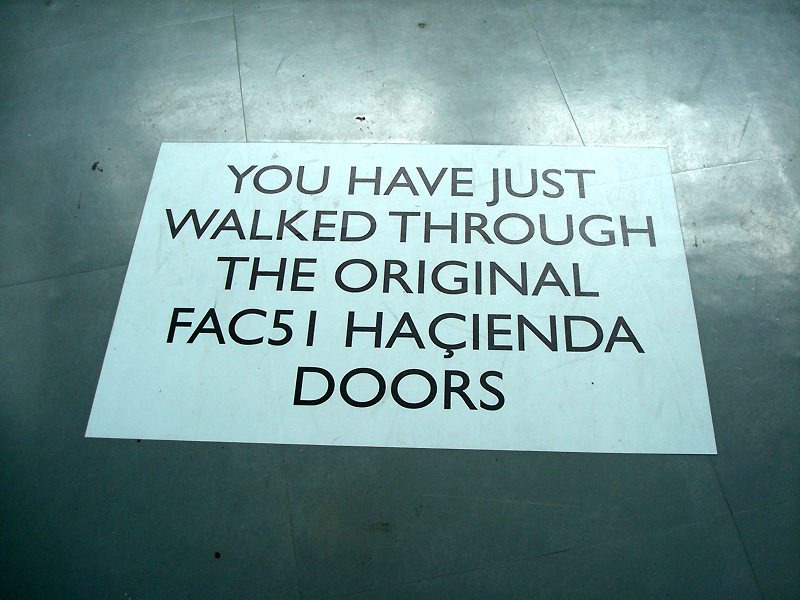
The UK underground embraced the Detroit sound with a religious fervor. Clubs in London and Manchester adopted the energy of the Belleville Three. They took the mechanical rhythms of Detroit and applied them to their own burgeoning rave culture. The connection between the two cities created a global movement. The music crossed the Atlantic and changed the face of European nightlife.
The Second Summer of Love relied on the energy of the acid house sound. The UK scene took the 303 squelch from Chicago and amplified it. They created massive outdoor raves where the music was the only focus. The scale of these events was unprecedented. Thousands of people moved in unison to the pulse of the machines.
May's "Strings of Life" provided the emotional bridge. It had enough soul to connect with the disco heritage but enough tension to fit the new rave aesthetic. The track felt both nostalgic and futuristic. It was a piece of music that could work in a dark basement or a massive field. It was a universal language.
This global connection solidified the importance of the Detroit-Chicago axis. The US provided the foundation and the technological innovation. The UK provided the scale and the massive, euphorically charged energy. Together, they created the framework for modern electronic dance music. The loop had become a global phenomenon.
The Soul of Chicago vs the Steel of Detroit
Chicago house felt like a communal prayer. The music was built on the idea of togetherness and spiritual uplift. The tracks often featured soulful vocals and warm, organic piano chords. The goal was to create a space where everyone belonged. It was a music of inclusion and warmth.
Detroit techno felt like a survival strategy. The music was built on the idea of adaptation and technological transcendence. The tracks featured cold, metallic textures and driving, repetitive rhythms. The goal was to find beauty in the mechanical and the industrial. It was a music of resilience and futurism.
The Chicago scene drew heavily from the lineage of gospel and soul. You could hear the influence of the church in the way the piano chords resolved. The music sought to elevate the spirit. It was a way to find light in the middle of a difficult urban reality. The dancers were a community of believers.
The Detroit scene drew from the rhythm of the factory. The music was a reflection of the machines that built the city. It embraced the clatter and the hum of the industrial age. The producers used the tools of the era to create a new type of sonic world. They found a way to make the machine sing.
These two cities provided the two essential poles of dance music. One offered the warmth of the human heart. The other offered the cold precision of the machine. Neither could have existed without the other. They represent the duality of the electronic experience: the need to connect and the need to evolve.
The history of house music is not a single line. It is a collision of two distinct urban identities. One side brought the soul, and the other brought the steel. This tension created a genre that could adapt to any culture or any era. The machines are still running, and the beat is still moving.