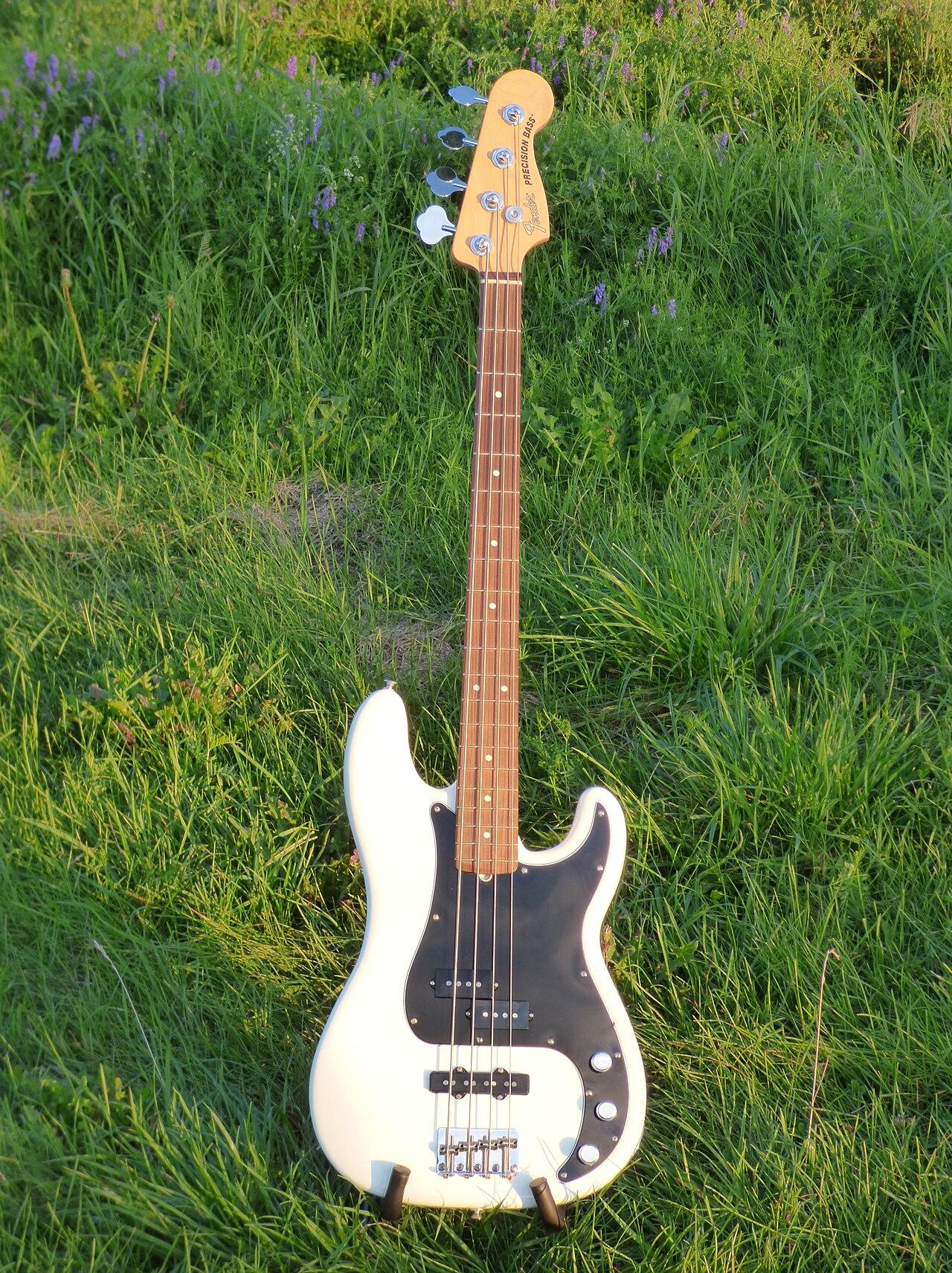
Carol Kaye: The Wrecking Crew's Secret Bass Power
Gold Star Studios smelled of stale cigarette smoke and heated vacuum tubes in 1966. This tiny room in Hollywood served as the laboratory for the most influential pop sounds of the decade. Carol Kaye sat in the corner, her fingers poised over the strings of her Fender Precision Bass. She watched Brian Wilson obsess over the microscopic details of a single percussion hit. The air felt heavy with the weight of a masterpiece in progress.
The Beach Boys attempted something impossible with "Good Vibrations" that year. Brian Wilson wanted a wall of sound that felt both massive and surgical. He needed a rhythmic anchor to hold up the swirling theremin and layered harmonies. Carol Kaye provided that anchor with a precision that few other players could match. Her bass line does not just support the song; it drives the entire engine of the track.
Musicians often forget how much of the 1960s pop canon relies on this specific woman. When you hear the driving pulse of "Good Vibrations," you are hearing the heartbeat of the Wrecking Crew. Kaye understood the architecture of a hit. She knew exactly where to place a note to ensure it cut through the dense arrangement of horns and percussion. Her work at Gold Star Studios remains the gold standard for studio session work.
The studio functioned as a pressure cooker of creativity and technical limitation. Every note recorded on those multi-track machines carried immense financial weight. Kaye played with a focus that mirrored the intensity of the room. She acted as a foundational component of the Los Angeles pop machine. Without her, the 1966 charts would have sounded much thinner and far less certain.
The Precision of a Fender Precision Bass
A Fender Precision Bass sat gripped in Kaye's hands during nearly every legendary session. This instrument provided the clarity needed for the era's radio compression. She preferred the sharp, percussive attack that came from using a heavy plectrum. A pick allowed her to strike the strings with enough force to define the rhythm. This technique ensured the bass notes emerged from the dense mid-range of the guitars and pianos.
The sound of her playing felt like a rhythmic hammer hitting a velvet cushion. It had enough bite to be heard on a transistor radio but enough warmth to support a lush arrangement. She mastered the art of the "dead" note, a technique where the player mutes the string immediately after the strike. This created a tight, staccato feel that defined the 1960s pop aesthetic. You can hear this exact tension in the way she handles the complex movements in "Good Vibrations."
Technical mastery requires more than just physical skill. Kaye possessed an incredible ability to sight-read complex, multi-layered arrangements on the fly. Producers like Brian Wilson or Lee Hazlewood would hand her charts that demanded instantaneous precision. She could pivot from a jazz-inflected walking line to a heavy, repetitive pop riff without missing a beat. Her Fender Precision Bass became the tool for this musical translation.
The physics of her playing style influenced how engineers mixed the low end. Because her attack was so consistent, engineers could compress the bass signal heavily without losing the rhythm. This allowed the bass to sit right at the front of the mix, even alongside loud brass sections. She turned the bass into a melodic and rhythmic lead instrument. Every note she played felt like a deliberate, calculated decision.
"I was always looking for that perfect tone that would cut through the mix without being obtrusive."
This philosophy of "cut through the mix" remains the holy grail for session players. Kaye achieved it through a combination of gear choice and sheer physical discipline. She understood that a session player's job is to serve the song, not to show off. Her Fender Precision Bass was never a solo instrument; it even acted as a structural beam in the building of a hit.
Mastering the Carol Kaye Wrocking Crew Era
Los Angeles dominated the Billboard charts between 1963 and 1967. A small group of elite musicians, known as the Wrecking Crew, provided the backbone for almost every major hit. Carol Kaye stood at the center of this musical powerhouse. She worked alongside legends like drummer Hal Blaine and guitarist Glen Campbell. Together, they created a standard of excellence that defined the era's sound.
The Monkees relied heavily on this collective of professionals for their studio recordings. When "Last Train to Clarksville" climbed the charts in 1966, Kaye provided the rhythmic foundation. The track features a driving, urgent energy that mirrors the frantic pace of the television show's popularity. She brought a sense of professional stability to a project that was, at its core, a manufactured pop phenomenon.
Nancy Sinatra's 1966 smash "These Boots Are Made for Walkin'" also bears her unmistakable touch. Working under producer Lee Hazlewood, Kaye helped craft a bass line that acts as a character in the song alongside Nancy's vocals. The rhythm is swaggering and confident. It moves with a strut that perfectly matches the lyrical bravado of the track. This was the Wrecking Crew at its most effective: creating a mood through rhythmic precision.
The Wrecking Crew era featured a specific type of versatility. One hour, Kaye might play a sophisticated arrangement for Frank Sinatra. The next hour, she could lay down the tracks for a surf-rock anthem by Jan and Dean. This ability to switch genres instantly made her indispensable to the Hollywood studio system. She didn't just play notes; she played styles.
Success in this era required an almost superhuman level of consistency. The producers needed to know that if they called Kaye, the track would finish in minimal takes. There was no room for experimentation or "finding the groove" during the recording process. The groove had to exist from the very first note. Kaye delivered that certainty every single time she entered the studio.
The High Stakes of Magnetic Tape
Magnetic tape cost a fortune in the mid-1960s. Every minute of recording time on a multi-track machine represented a drain on a studio's budget. Engineers at major Los Angeles studios operated under intense pressure to minimize waste. There was no digital editing to fix a sloppy performance. If the bass player missed a note, the entire band often had enough reason to start the take from the beginning.
Kaye understood the economic reality of the studio. She approached every session with the discipline of a professional athlete. Her precision helped reduce the number of takes required to capture a perfect performance. This efficiency made her one of the most sought-after players in the industry. Producers loved her because she saved them money and time.
The technical limitations of the era actually helped forge her iconic sound. Because the tape hiss and limited frequency response could muddy a mix, the bass had to stay extremely clear. Kaye's use of the pick and her sharp attack prevented the low end from becoming a blurry mess. She played with a clarity that respected the physical limitations of the recording technology.
Simon & Garfunkel's 1966 album "Parsley, Sage, Rosemary and Thyme" provides another example of this technical mastery. The album features delicate, folk-influenced arrangements that require extreme sensitivity. Kaye had to balance her usual percussive attack with the needs of Paul Simon's songwriting. She could pull back the intensity to provide a soft, melodic pulse without losing the song's structural integrity.
Recording these sessions required a deep understanding of microphone placement and room acoustics. Kaye worked with some of the $the best engineers in the world, men who knew how to capture the resonance of her Fender Precision Bass. The interplay between the player, the instrument, and the engineer was a delicate dance. When it worked, as it did for the Wrecking Crew, the result was a polished, professional sound that defined a generation.
The Shift Toward Self-Contained Bands
The late 1960s brought a seismic shift to the music industry. The era of the elite session musician began to wane as self-contained bands rose to prominence. Groups like The Beatles and The Rolling Stones changed the fundamental concept of a musical unit. These bands wrote their $their own material, played their own instruments, and controlled their own studio destiny. The Wrecking Crew's dominance began to erode.
This change stemmed from a desire for authenticity in the rock movement. Fans no longer wanted the polished perfection of a studio professional; they wanted the raw energy of a group that lived and breathed their music. The precision that Kaye offered seemed, to some, too clinical. The industry shifted its focus from technical perfection to expressive, often unrefined, performance.
The rise of the singer-songwriter movement also altered the studio landscape. Artists like Joni Mitchell or James Taylor brought a more intimate, less orchestrated approach to the recording booth. The massive, multi-layered arrangements that Kaye helped build gave way to sparse, acoustic textures. While the skill required for these sessions remained high, the role of the "super-session" player became less central to the pop hit.
Technology also played a role in this transition. The advent of more portable recording gear and later, multi-track capabilities in smaller studios, allowed bands to record without the massive infrastructure of the Hollywood system. The monopoly held by the Wrecking Crew in Los Angeles broke through the democratization of recording. The era of the studio professional as the gatekeeper of the "hit sound" was ending.
Despite this shift, the foundation Kaye and her peers laid remained. The techniques they developed for clarity, punch, and precision became the blueprint for all modern recording. Even as the industry moved toward the raw aesthetics of rock and roll, the technical standards established by the Wrecking Crew stayed in the DNA of every professional studio. The era of the session giant may have ended, but the standard of excellence survived.
A Legacy Written in Bass Lines
Carol Kaye's discography is a massive, sprawling map of 20th-century popular music. Thousands of tracks bear her unmistakable rhythmic signature. To listen to her work is to listen to the history of the pop charts. She provided the pulse for the most important moments in the evolution of the American songbook. Her name might not always appear on the front of the album cover, but her presence is felt in every groove.
Her influence extends far beyond the 1960s. Modern bassists still study her technique, particularly her use of the pick and her rhythmic precision. She proved that the bass could be a driving, melodic force in a pop arrangement. Her work taught generations of players how to support a melody while simultaneously providing a rhythmic backbone. She turned the bass into a structural necessity.
The sheer volume of her work is staggering. From the surf sounds of the early sixties to the sophisticated pop of the late sixties, she was there. She moved through the transition from the era of big band leftovers to the era of the rock superstar with ease. Her ability to adapt her sound to the needs of the era shows her musical intelligence. She acted as a chameleon who never lost her core identity.
We see her legacy in every track where the bassline feels like a physical presence. When a producer wants a track to have "drive," they are often looking for the ghost of a Kaye performance. She understood that the most important part of a bass line is its relationship to the drum kit. She created a unified rhythmic front that was impossible to ignore.
The history of the Wrecking Crew often focuses on famous frontmen. But the true story of that era lives in the hands of musicians like Carol Kaye. She acted as the engine under the hood of the greatest hits of the twentieth century. Her playing did not just accompany the music; it defined it. Every time a listener feels that familiar, driving pulse in a classic pop song, they experience the enduring power of Carol Kaye.
Comments
Join the conversation
Leave a comment
Newsletter
Stay in the loop
New music, stories, and updates from Kurtis Delight.
Keep reading
MORE STORIES
The Man Who Quit the Top of the Charts
Explore the mysterious retreat of Burt Bacharach, the 1960s hitmaker who abandoned the Brill Building glory for the silence of the Swiss Alps.
Björk’s Biophilia: The Sound of the Ocean Floor
Discover how Björk used specialized hydrophones to capture tectonic shifts and marine life for her 2011 masterpiece, Biophilia, a landmark in music technology.

The Night Mariah Carey Shut Down a Birmingham Hotel
Discover the true story of Mariah Carey's 1994 Birmingham hotel takeover, from chilled dressing rooms to white roses and the cost of diva demands.
Enjoy the music
Listen to Kurtis Delight on Spotify
Stream the full catalogue - original productions, deep cuts and more.
Open on Spotify